Odiham Castle things to do, attractions, restaurants, events info and trip planning
Basic Info
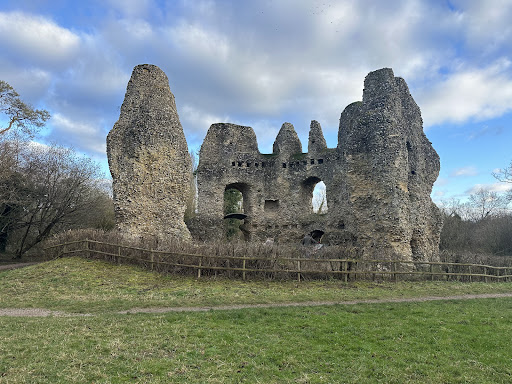
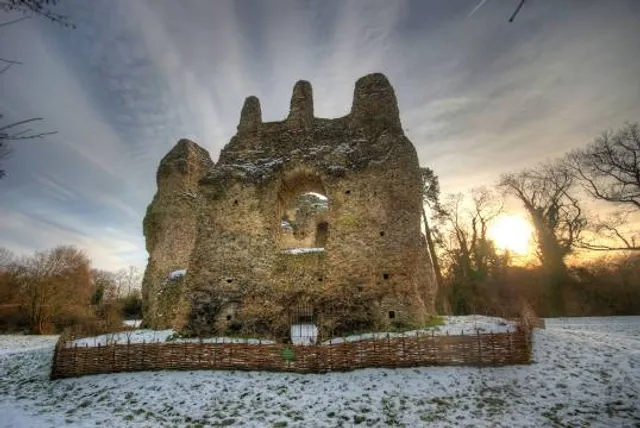
Odiham Castle
North Warnborough, Hook RG29 1HQ, United Kingdom
4.4(388)
Open until 12:00 AM
Save
spot
spot
Ratings & Description
Info
King John's Castle also known as Limerick Castle is a 13th-century castle located on King's Island in Limerick, Ireland, next to the River Shannon. Although the site dates back to 922 when the Vikings lived on the Island, the castle itself was built on the orders of King John of England in 1200.
Cultural
Scenic
Outdoor
Family friendly
Accessibility
attractions: Greywell Tunnel, restaurants: The Mill House, The Derby Inn, Fox & Goose, The Anchor Inn, local businesses:
 Learn more insights from Wanderboat AI.
Open hoursSee all hours
FriOpen 24 hoursOpen
Plan your stay

Pet-friendly Hotels in Hart
Find a cozy hotel nearby and make it a full experience.

Affordable Hotels in Hart
Find a cozy hotel nearby and make it a full experience.

The Coolest Hotels You Haven't Heard Of (Yet)
Find a cozy hotel nearby and make it a full experience.

Trending Stays Worth the Hype in Hart
Find a cozy hotel nearby and make it a full experience.
Reviews
Live events
Candlelight: Vivaldis Four Seasons
Fri, Feb 20 • 8:30 PM
London Road, Campus, Reading, RG1 5AQ
View details

Katesgrove Primary School February Tech Camp
Mon, Feb 16 • 9:00 AM
Katesgrove Primary School, Dorothy Street, Reading, United Kingdom
View details

Wild Days - Childrens Holidays Clubs
Mon, Feb 16 • 9:30 AM
Dinton Pastures Country Park, Davis Street, RG10 0TH Hurst, United Kingdom, Dinton Pastures Country Park, Davis Street, Reading, RG10 0TH, United Kingdom
View details
Nearby attractions of Odiham Castle
Greywell Tunnel
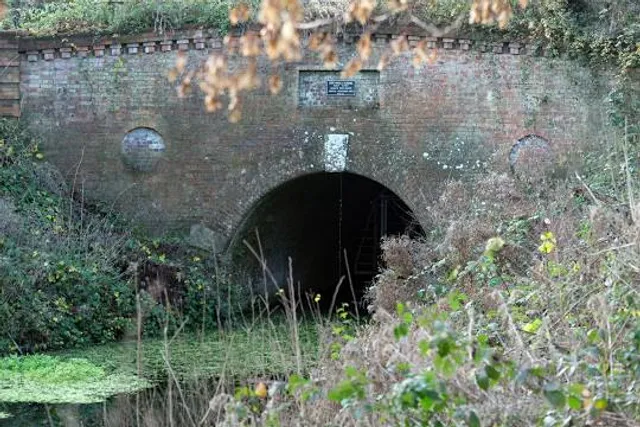
Greywell Tunnel
3.9
(10)
Open until 12:00 AM
Click for details
Nearby restaurants of Odiham Castle
The Mill House
The Derby Inn
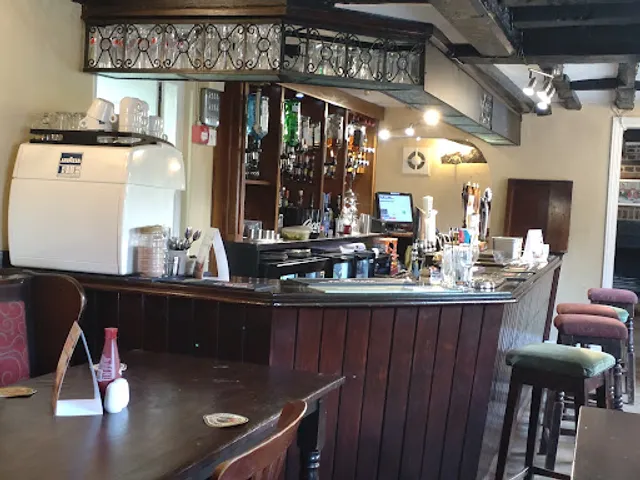
Fox & Goose
The Anchor Inn
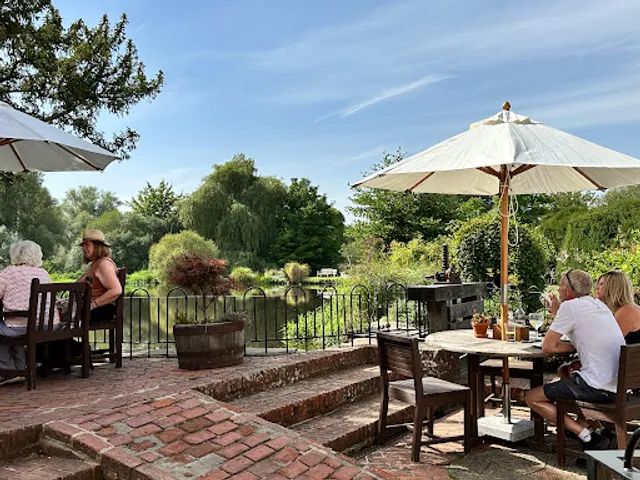
The Mill House
4.5
(1.2K)
$$
Closed
Click for details
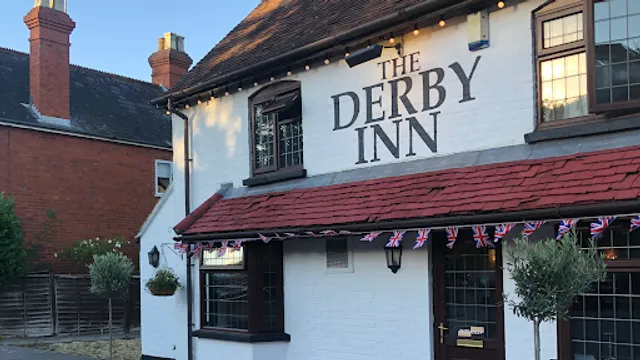
The Derby Inn
4.5
(331)
$$
Closed
Click for details
Fox & Goose
4.5
(389)
Closed
Click for details

The Anchor Inn
4.5
(30)
Closed
Click for details