Addington Hills things to do, attractions, restaurants, events info and trip planning
Basic Info
Addington Hills
Shirley Hills Rd, Croydon CR0 5RF, United Kingdom
4.6(340)
Open until 12:00 AM
Save
spot
spot
Ratings & Description
Info
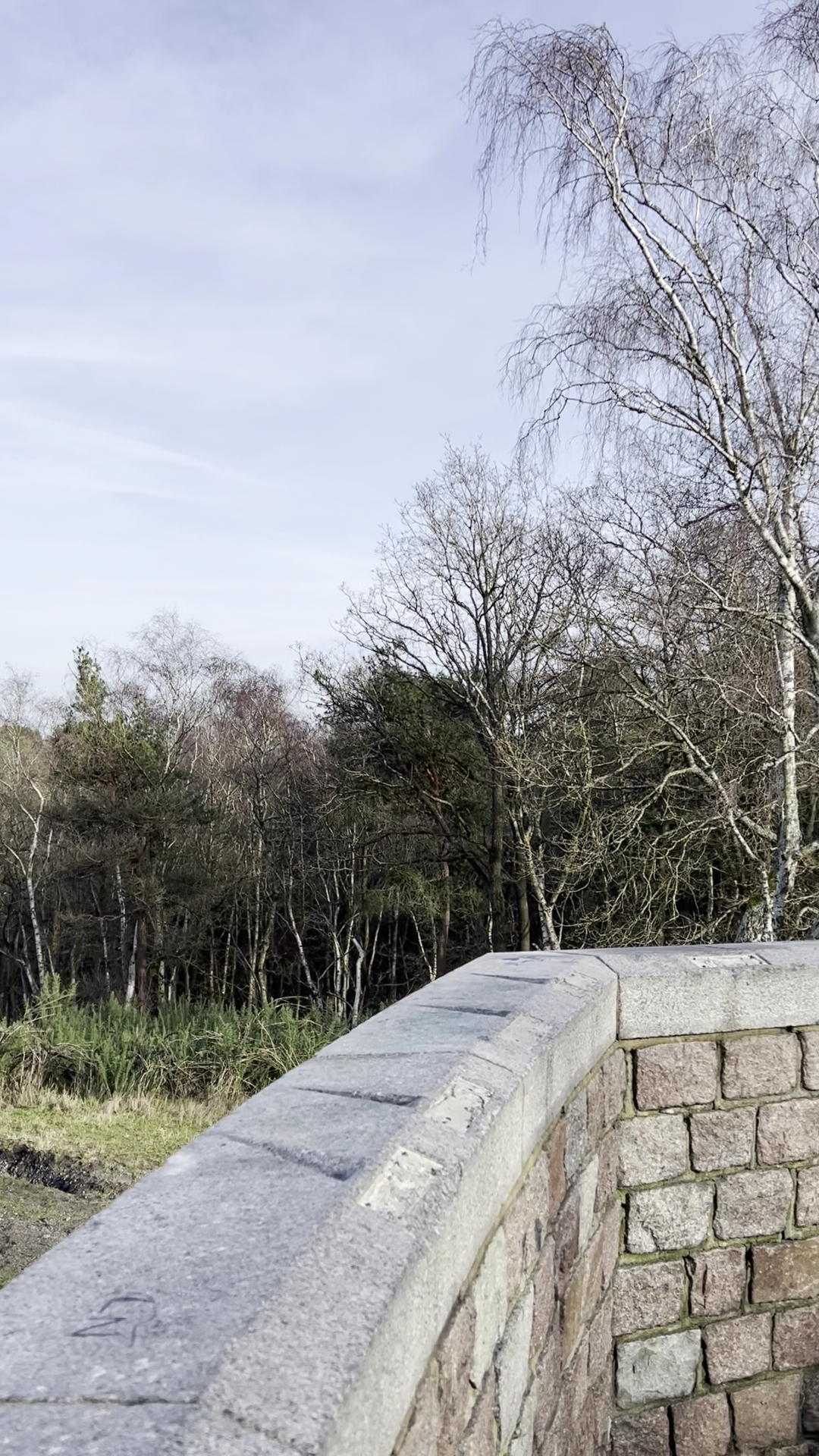
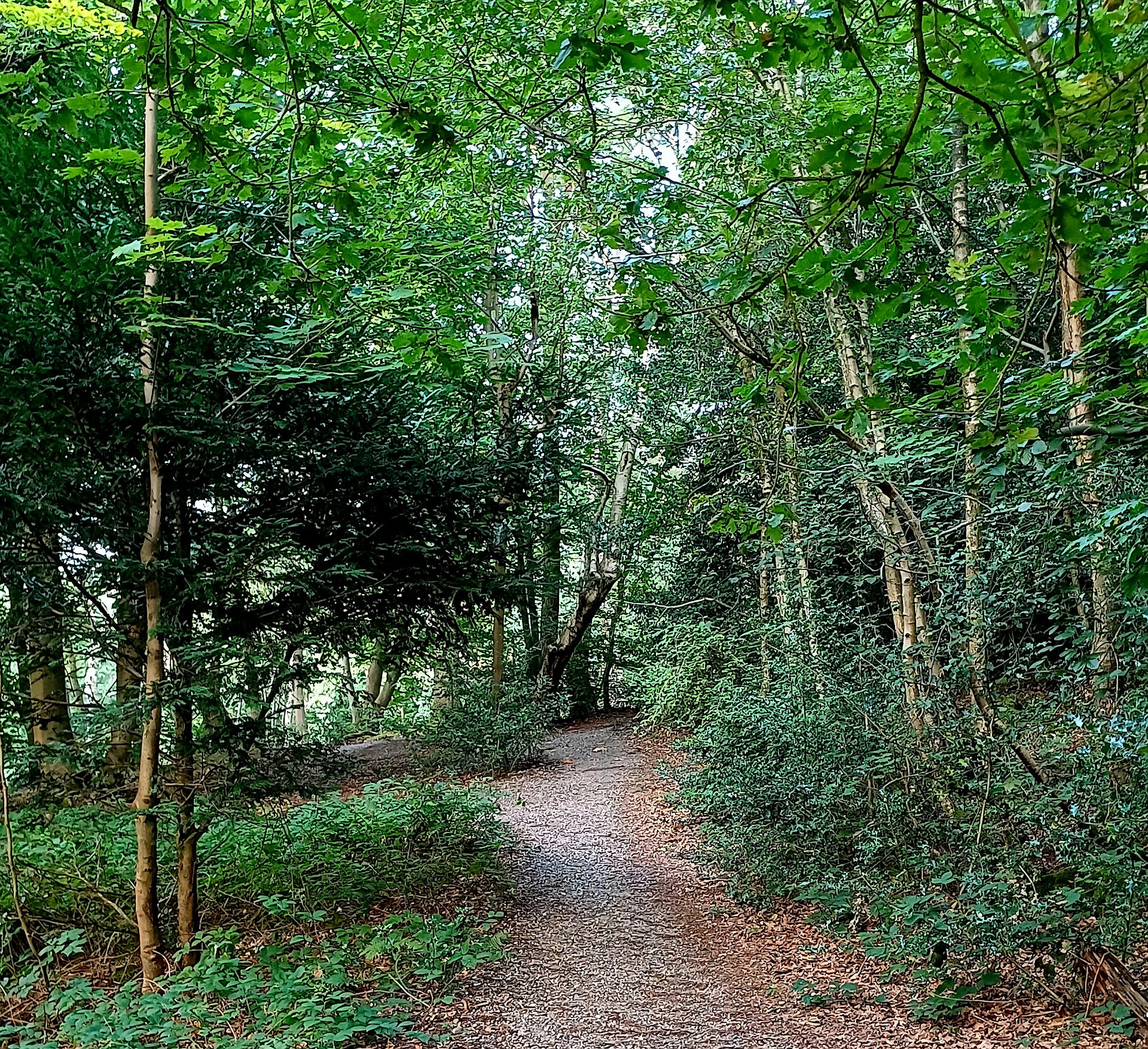
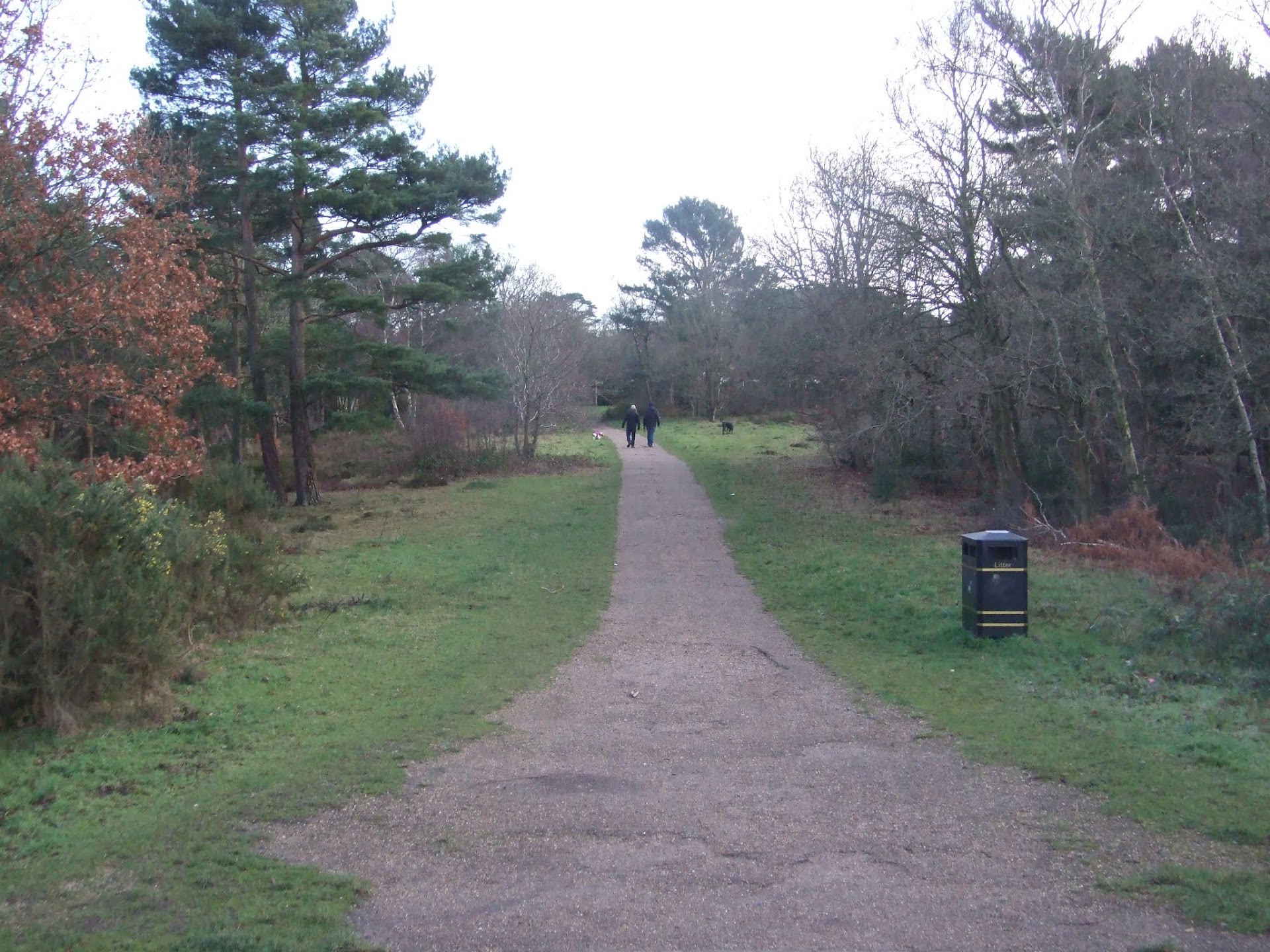
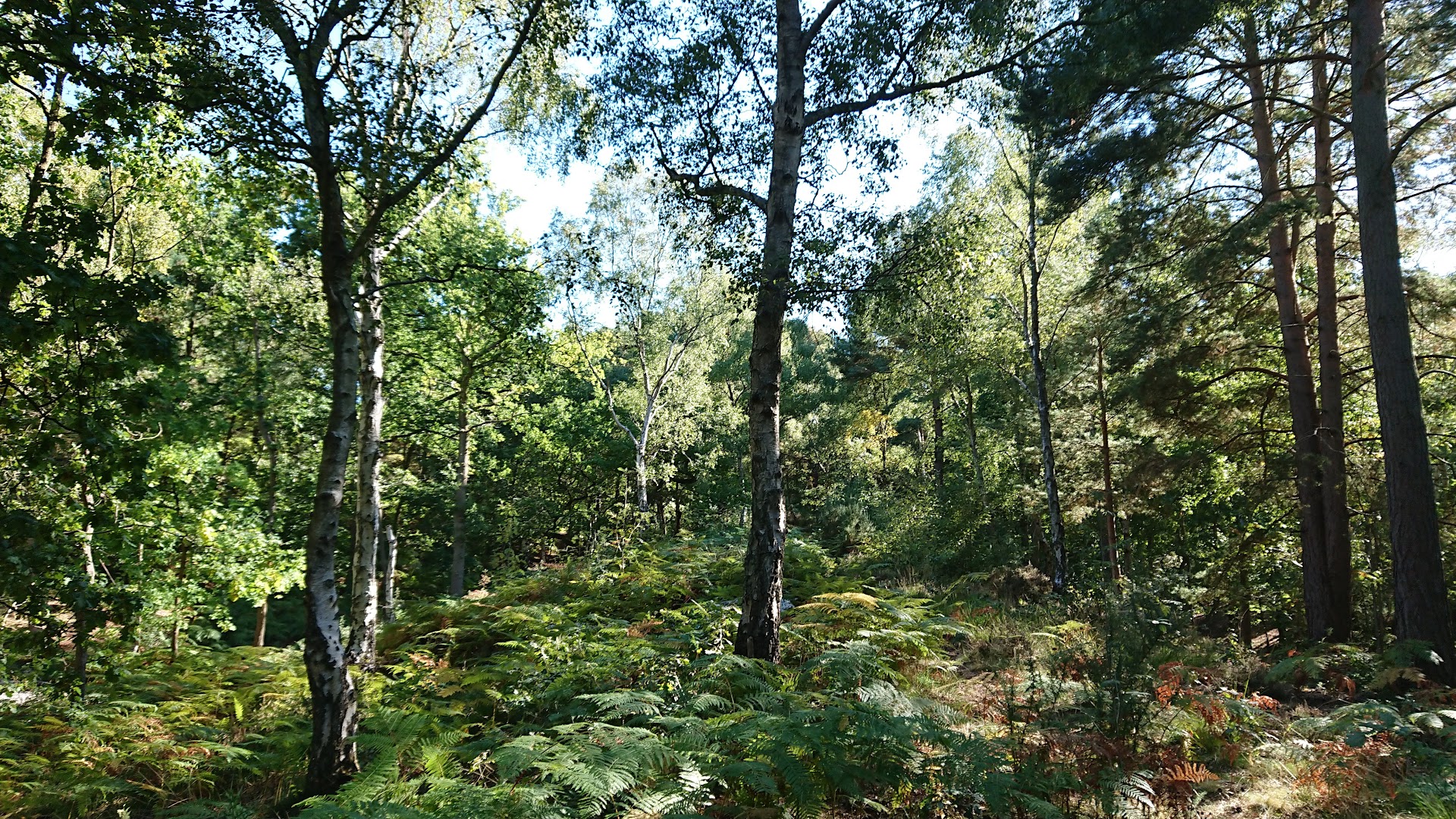
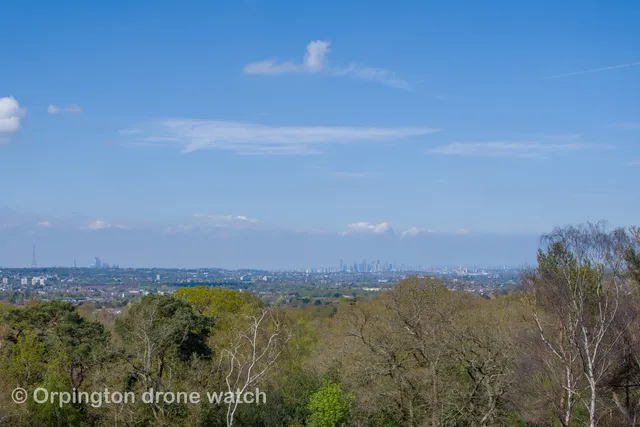
Addington Hills is a park in Upper Shirley, London, England. It is managed by the London Borough of Croydon. It was part of the old parish of Addington before the suburb of Shirley was developed in the 1930s. The site consists largely of woodland on a gravel bed, with London's largest area of heathland at its heart.
Outdoor
Scenic
Family friendly
attractions: Coombe Wood Gardens, Studio at 39, restaurants: Royal Garden Chinese Restaurant, Coach House Cafe, Coombe Wood House, The Surprise Inn, Bread and Butter, local businesses: Shirley Windmill, Coombe Wood
 Learn more insights from Wanderboat AI.
Phone
+44 20 8726 6900
Website
croydon.gov.uk
Open hoursSee all hours
MonOpen 24 hoursOpen
Plan your stay

Pet-friendly Hotels in London
Find a cozy hotel nearby and make it a full experience.

Affordable Hotels in London
Find a cozy hotel nearby and make it a full experience.

The Coolest Hotels You Haven't Heard Of (Yet)
Find a cozy hotel nearby and make it a full experience.

Trending Stays Worth the Hype in London
Find a cozy hotel nearby and make it a full experience.
Reviews
Live events

Explore 30+ London sights
Mon, Feb 23 • 10:00 AM
Greater London, W1J 9BR, United Kingdom
View details
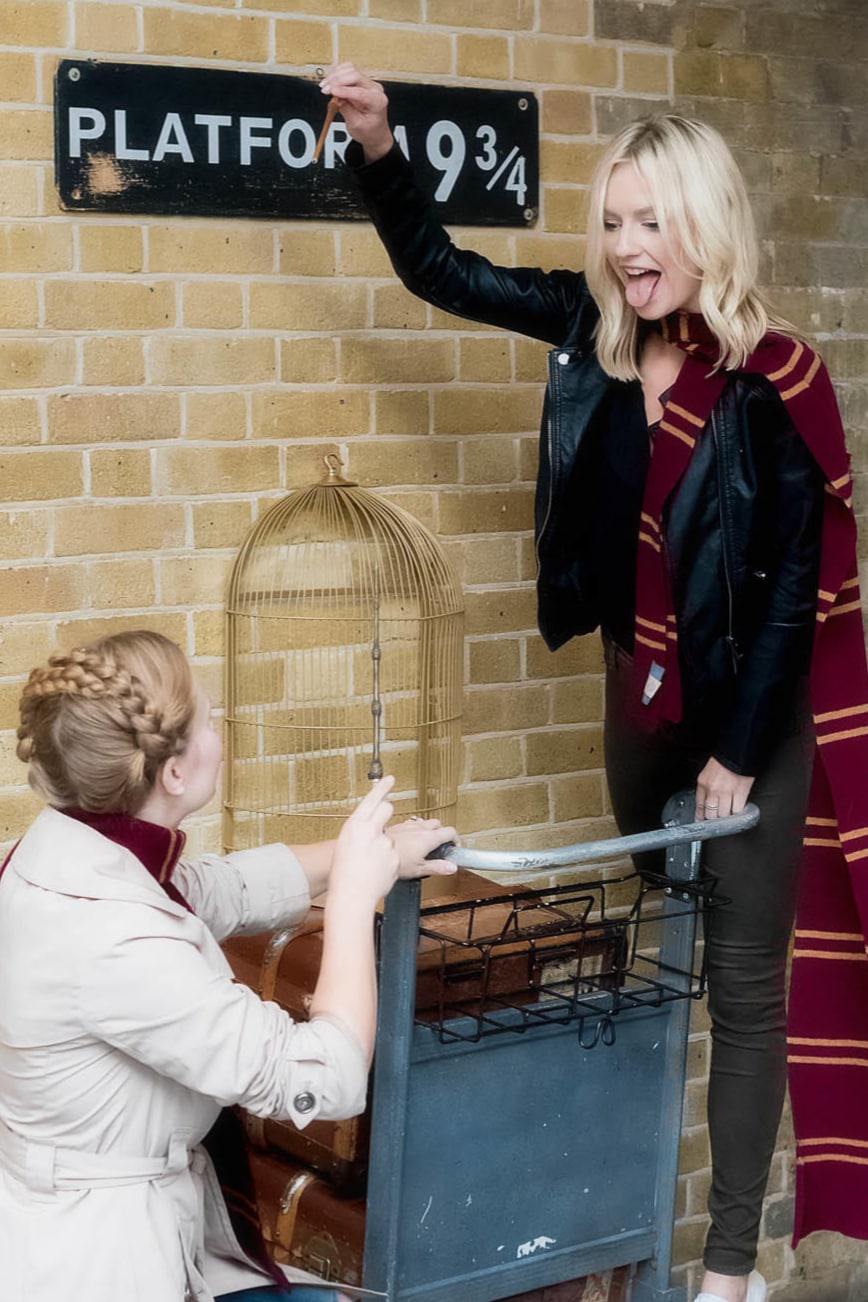
Top-Rated London Harry Potter Tour—Family Friendly
Mon, Feb 23 • 9:30 AM
Greater London, N1 9AP, United Kingdom
View details

Walk London with a local - in easy English
Mon, Feb 23 • 10:30 AM
Greater London, W1J 9BT, United Kingdom
View details
Nearby attractions of Addington Hills
Coombe Wood Gardens
Studio at 39
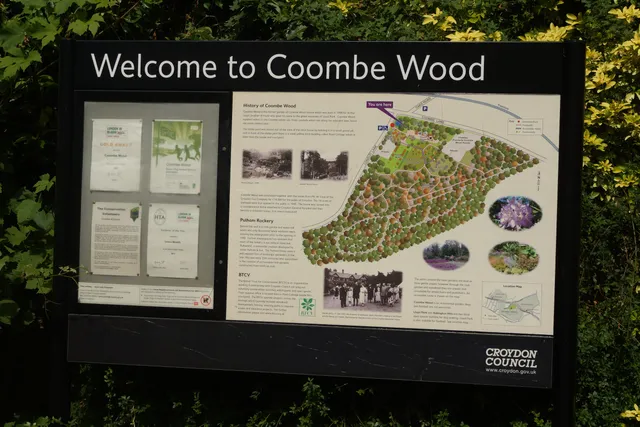
Coombe Wood Gardens
4.7
(487)
Open until 7:00 PM
Click for details

Studio at 39
5.0
(13)
Open until 9:00 PM
Click for details
Nearby restaurants of Addington Hills
Royal Garden Chinese Restaurant
Coach House Cafe
Coombe Wood House
The Surprise Inn
Bread and Butter
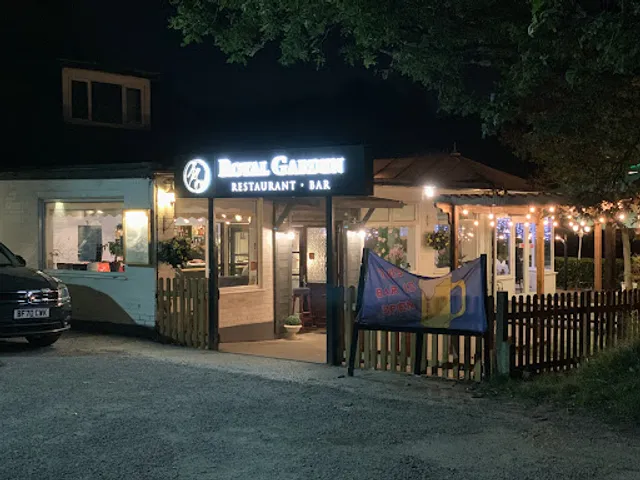
Royal Garden Chinese Restaurant
3.9
(142)
$$
Closed
Click for details
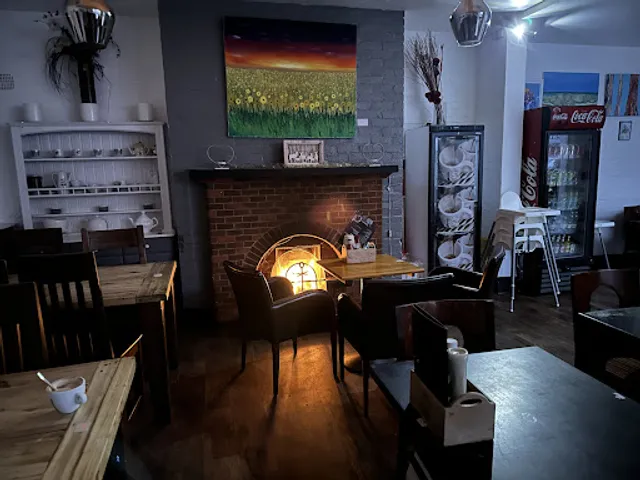
Coach House Cafe
4.3
(306)
Open until 5:00 PM
Click for details

Coombe Wood House
4.9
(65)
Open until 12:00 AM
Click for details
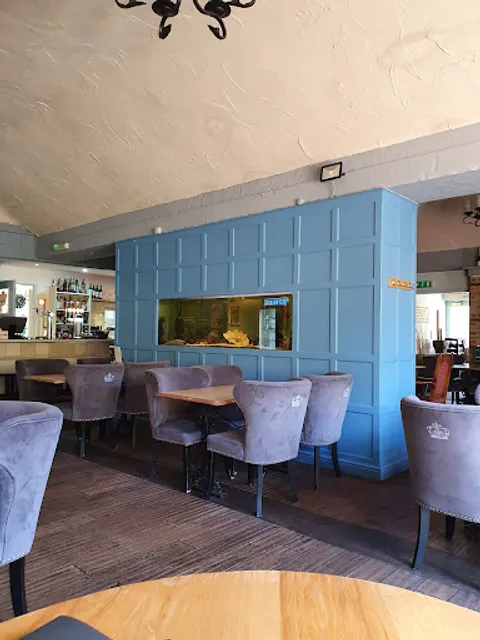
The Surprise Inn
4.3
(206)
$$
Closed
Click for details
Nearby local services of Addington Hills
Shirley Windmill
Coombe Wood
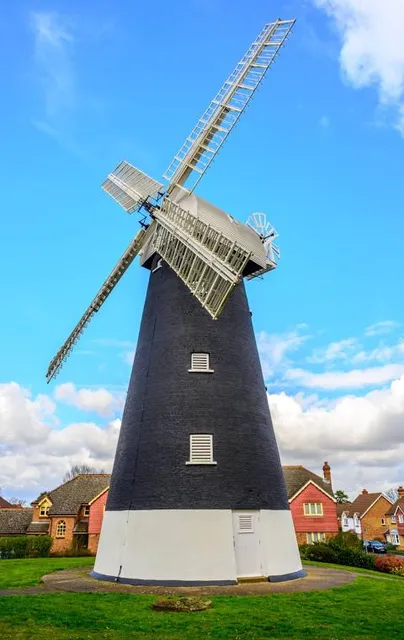
Shirley Windmill
4.6
(22)
Click for details
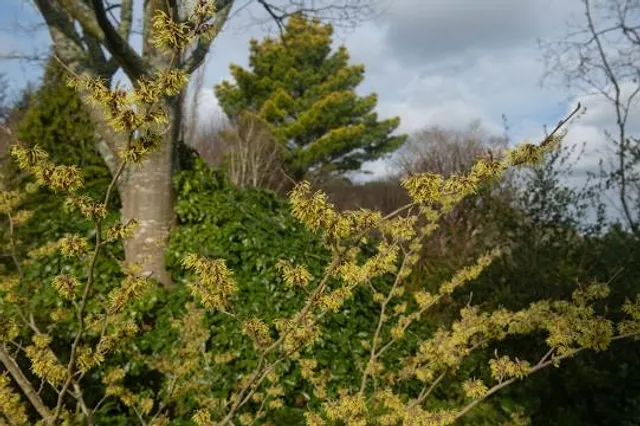
Coombe Wood
4.6
(16)
Click for details


The hit list


Plan your trip with Wanderboat
Welcome to Wanderboat AI, your AI search for local Eats and Fun, designed to help you explore your city and the world with ease.
Powered by Wanderboat AI trip planner.