HTML SitemapExplore
logo
Find Things to DoFind The Best Restaurants

National Army Museum — Attraction in London

Name
National Army Museum
Description
The Washington National Guard Museum, also known as The Arsenal Museum, is a military museum of the Washington National Guard. It is located at the Washington National Guard headquarters at Camp Murray, visible from Interstate 5 near Lakewood, Washington.
Nearby attractions
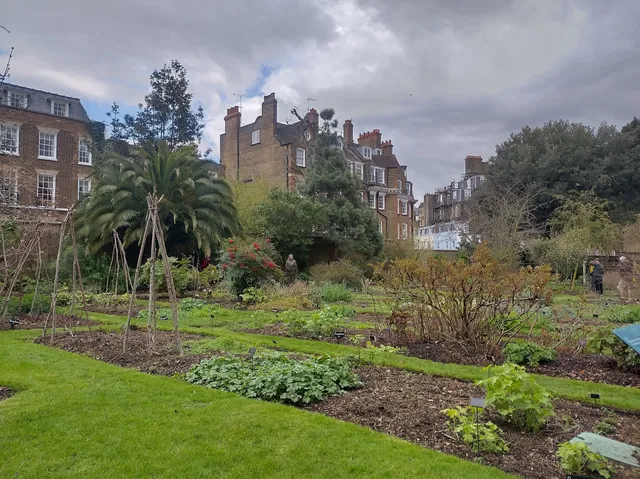
Chelsea Physic Garden
66 Royal Hospital Rd, London SW3 4HS, United Kingdom
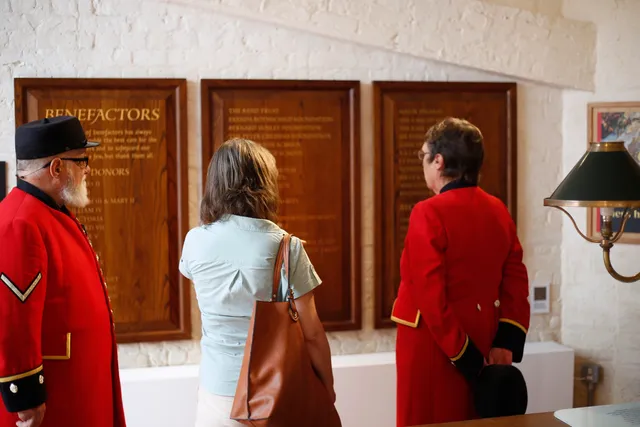
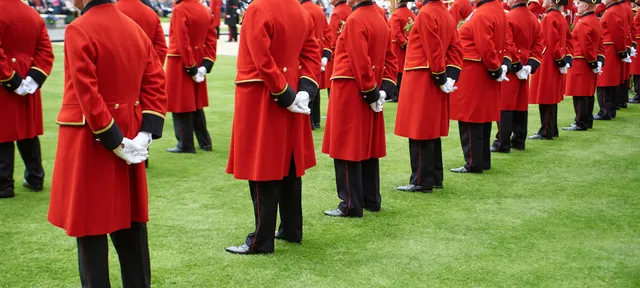
The Chelsea Pensioners Exhibition
Soane Stable Yard, Chelsea Gate, Royal Hospital Rd, London SW3 4SR, United Kingdom
Royal Hospital Chelsea
Royal Hospital Rd, London SW3 4LW, United Kingdom
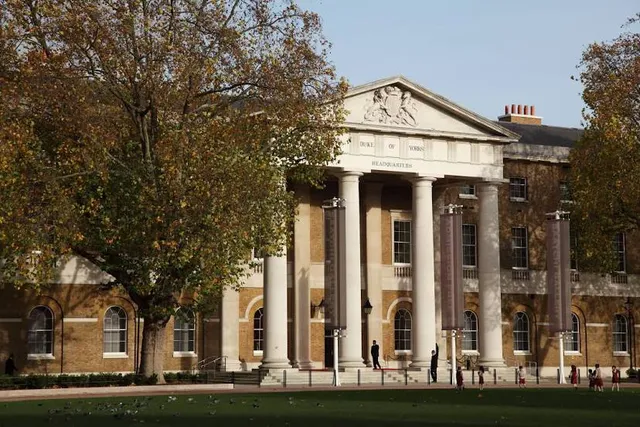
Saatchi Gallery
Duke of York's HQ, King's Rd, London SW3 4RY, United Kingdom
Royal Hospital Chelsea Chapel
Royal Hospital Rd, London SW3 4SR, United Kingdom
Royal Hospital South Grounds
Royal Hospital Chelsea, London SW3 4SR, United Kingdom
The London Peace Pagoda
Battersea Park, Carriage Dr N, London SW11 4NJ, United Kingdom
Battersea Park Children's Zoo
Battersea Park, London SW11 4NJ, United Kingdom
Chelsea Embankment Gardens
37 Cheyne Walk, London SW3 5TR, United Kingdom
Ever After Garden - Royal Marsden Cancer Charity
Duke of York Square, 1 King's Rd, London SW3 4LY, United Kingdom
Nearby restaurants
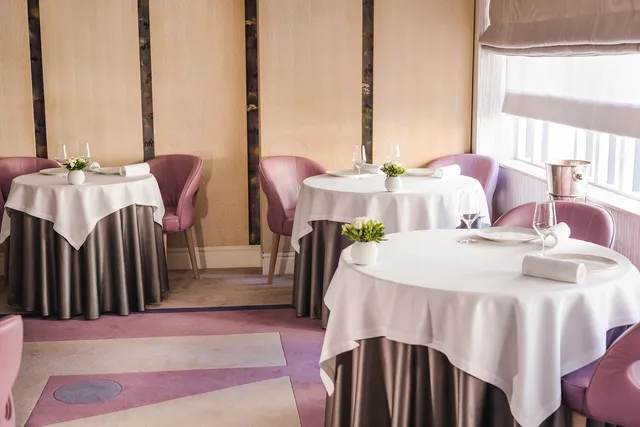
Restaurant Gordon Ramsay
68 Royal Hospital Rd, London SW3 4HP, United Kingdom
The Physic Garden Café
66 Royal Hospital Rd, London SW3 4HS, United Kingdom
Benihana Chelsea
77 King's Rd, London SW3 4NX, United Kingdom
Ziani
45 Radnor Walk, London SW3 4BP, United Kingdom
Chelsea Potter
119 King's Rd, London SW3 4PL, United Kingdom
Amorino Gelato - London Chelsea
67A King's Rd, London SW3 4NT, United Kingdom
Sticks'n'Sushi Chelsea
113-115 King's Rd, London SW3 4PA, United Kingdom
Ixchel
33H King's Rd, London SW3 4LX, United Kingdom
itsu - Kings Road
47 King's Rd, London SW3 4NB, United Kingdom
La Delizia 1986
63-65 Chelsea Manor St, London SW3 5RZ, United Kingdom
Nearby hotels
Sloane Place
60 Lower Sloane St, London SW1W 8BP, United Kingdom
San Domenico House Hotel
29-31 Draycott Pl, London SW3 2SH, United Kingdom
Oakley Hotel
73 Oakley St, London SW3 5HF, United Kingdom
At Sloane
1 Sloane Gardens, London SW1W 8EA, United Kingdom
The Apartments by CAPITAL
41 Draycott Pl, London SW3 2SH, United Kingdom
Sloane Square Hotel
7-12 Sloane Square, London SW1W 8EG, United Kingdom
The Apartments by The Sloane Club
15 Sloane Gardens, London SW1W 8EB, United Kingdom
The Chelsea Townhouse
26 Cadogan Gardens, London SW3 2RP, United Kingdom
The Dome Apartments Sloane Square
31 Draycott Ave, London SW3 3BS, United Kingdom
11 Cadogan Gardens
11 Cadogan Gardens, London SW3 2RJ, United Kingdom
Related posts
Keywords
National Army Museum tourism.National Army Museum hotels.National Army Museum bed and breakfast. flights to National Army Museum.National Army Museum attractions.National Army Museum restaurants.National Army Museum travel.National Army Museum travel guide.National Army Museum travel blog.National Army Museum pictures.National Army Museum photos.National Army Museum travel tips.National Army Museum maps.National Army Museum things to do.
National Army Museum things to do, attractions, restaurants, events info and trip planning
National Army Museum
United KingdomEnglandLondonNational Army Museum

Basic Info

National Army Museum

Royal Hospital Rd, London SW3 4HT, United Kingdom
4.5(1.3K)
Open 24 hours
Save
spot

Ratings & Description

Info

The Washington National Guard Museum, also known as The Arsenal Museum, is a military museum of the Washington National Guard. It is located at the Washington National Guard headquarters at Camp Murray, visible from Interstate 5 near Lakewood, Washington.

Cultural
Accessibility
Family friendly
attractions: Chelsea Physic Garden, The Chelsea Pensioners Exhibition, Royal Hospital Chelsea, Saatchi Gallery, Royal Hospital Chelsea Chapel, Royal Hospital South Grounds, The London Peace Pagoda, Battersea Park Children's Zoo, Chelsea Embankment Gardens, Ever After Garden - Royal Marsden Cancer Charity, restaurants: Restaurant Gordon Ramsay, The Physic Garden Café, Benihana Chelsea, Ziani, Chelsea Potter, Amorino Gelato - London Chelsea, Sticks'n'Sushi Chelsea, Ixchel, itsu - Kings Road, La Delizia 1986
logoLearn more insights from Wanderboat AI.
Phone
+44 20 7730 0717
Website
nam.ac.uk

Plan your stay

hotel
Pet-friendly Hotels in London
Find a cozy hotel nearby and make it a full experience.

hotel
Affordable Hotels in London
Find a cozy hotel nearby and make it a full experience.

hotel
The Coolest Hotels You Haven't Heard Of (Yet)
Find a cozy hotel nearby and make it a full experience.

hotel
Trending Stays Worth the Hype in London
Find a cozy hotel nearby and make it a full experience.

Reviews

Nearby attractions of National Army Museum

Chelsea Physic Garden

The Chelsea Pensioners Exhibition

Royal Hospital Chelsea

Saatchi Gallery

Royal Hospital Chelsea Chapel

Royal Hospital South Grounds

The London Peace Pagoda

Battersea Park Children's Zoo

Chelsea Embankment Gardens

Ever After Garden - Royal Marsden Cancer Charity

Chelsea Physic Garden

Chelsea Physic Garden

4.6

(1.0K)

Open 24 hours
Click for details
The Chelsea Pensioners Exhibition

The Chelsea Pensioners Exhibition

4.5

(26)

Open 24 hours
Click for details
Royal Hospital Chelsea

Royal Hospital Chelsea

4.7

(143)

Open 24 hours
Click for details
Saatchi Gallery

Saatchi Gallery

4.5

(4.1K)

Closed
Click for details

Things to do nearby

Non-touristy & Unseen London with an Urban Planner
Wed, Dec 10 • 10:30 AM
Greater London, W2 1HU, United Kingdom
View details
Visit unique bars in London
Wed, Dec 10 • 7:00 PM
Greater London, EC3M, United Kingdom
View details
Bubble Planet: An Immersive Experience in London
Wed, Dec 10 • 11:00 AM
Fulton Road Industrial Units 22-28, Wembley Park, Wembley, HA9 0NP, HA9 0NP
View details

Nearby restaurants of National Army Museum

Restaurant Gordon Ramsay

The Physic Garden Café

Benihana Chelsea

Ziani

Chelsea Potter

Amorino Gelato - London Chelsea

Sticks'n'Sushi Chelsea

Ixchel

itsu - Kings Road

La Delizia 1986

Restaurant Gordon Ramsay

Restaurant Gordon Ramsay

4.4

(882)

Click for details
The Physic Garden Café

The Physic Garden Café

4.0

(176)

$

Click for details
Benihana Chelsea

Benihana Chelsea

4.3

(903)

$$$

Click for details
Ziani

Ziani

4.5

(185)

$$$

Click for details
Get the Appoverlay
Get the AppOne tap to find yournext favorite spots!

The hit list

restaurant
Best 10 Restaurants to Visit in London
February 21 · 5 min read
attraction
Best 10 Attractions to Visit in London
February 21 · 5 min read
London

Plan your trip with Wanderboat

Welcome to Wanderboat AI, your AI search for local Eats and Fun, designed to help you explore your city and the world with ease.

Powered by Wanderboat AI trip planner.
Wanderboat LogoWanderboat

Your everyday Al companion for getaway ideas

CompanyAbout Us
InformationAI Trip PlannerSitemap
SocialXInstagramTiktokLinkedin
LegalTerms of ServicePrivacy Policy

Get the app

© 2025 Wanderboat. All rights reserved.
logo

Reviews of National Army Museum

4.5
(1,290)
avatar
5.0
4y

The National Army Museum is the British Army's central museum. It is located in the Chelsea district of central London, adjacent to the Royal Hospital Chelsea, the home of the "Chelsea Pensioners". The museum is a non-departmental public body. It is usually open to the public from 10:00am to 5:30pm, except on 25–26 December and 1 January. Admission is free.

Having reopened in March 2017 following a major £23.75 million re-development project including £11.5m from the Heritage Lottery Fund, the museum houses five galleries that cover British military history from the English Civil War up to modern day.2[4]

This remit for the overall history of British land forces contrasts with those of other military museums in the United Kingdom concentrating on the history of individual corps and regiments of the British Army. It also differs from the subject matter of the Imperial War Museum, another national museum in London, which has a wider remit of theme (war experiences of British civilians and military personnel from all three services) but a narrower remit of time (after 1914).

The National Army Museum was first conceived in the late 1950s, and owes its existence to the persistent hard work of Field Marshal Sir Gerald Templer, who did most of the fundraising for it.[5] It was established by Royal Charter in 1960, with the intention of collecting, preserving, and exhibiting objects and records relating to the Regular and Auxiliary forces of the British Army and of the Commonwealth, and to encourage research into their history and traditions.[6] It was initially established in 1960 in temporary accommodation at the former No.1 Riding School at the Royal Military Academy Sandhurst.[7]

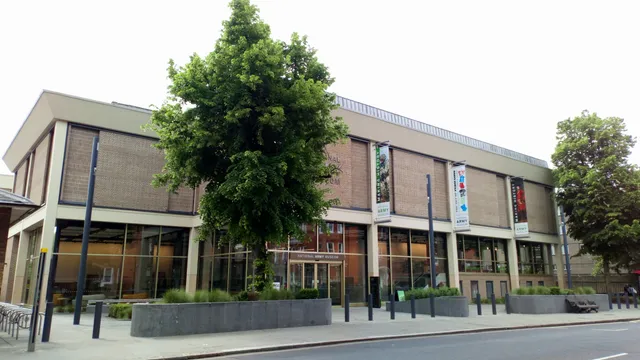
A new purpose-built building, designed in brutalist style by William Holford & Partners, was started in 1961 on a site which had previously formed part of the old infirmary of the Royal Hospital Chelsea. The new building was completed ten years later and opened by the Queen on 11 November 1971.[8]

One director, Ian Robertson, initiated a programme to establish an outpost of the Museum in the garrison town of Catterick, North Yorkshire, to be known as National Army Museum North, on the model of Imperial War Museum's establishment of the Imperial War Museum North in Manchester. A large site was chosen near Marne Barracks, beside the A1, and in 2002 Simon Pierce of Austin-Smith:Lord was chosen as the new museum's architect.[9] However, funding and planning issues later led to the cancellation of the plan in 2003.[10] The National Army Museum instead underwent a major redevelopment of its gallery and corridor displays at Chelsea from 2006 onwards, establishing new displays in existing permanent display areas, converting the corridors from oil-painting displays to permanent-exhibition spaces, and producing new temporary and permanent display areas on the third floor. This redisplay concluded with the opening of the new permanent National Service gallery in October 2010, though a further phase of redevelopment followed from 2011...

   Read more
avatar
5.0
2y

The Army Museum in London stands as a testament to the rich and complex history of the British Army, offering a profound insight into the nation's military legacy. Spanning across various periods, the museum captivates visitors with its extensive collection of artifacts, exhibits, and interactive displays, showcasing the evolution and the pivotal role of the army in shaping the course of history.

One of the museum's most compelling aspects is its ability to immerse visitors in a diverse range of experiences. From the early days of the army's formation to its modern-day strategies, the museum meticulously narrates the stories of heroism, sacrifice, and innovation. The artifacts, ranging from weaponry and uniforms to personal mementos, paint a vivid picture of the challenges and triumphs faced by soldiers throughout different eras. The thematic exhibits are thoughtfully curated, offering a comprehensive understanding of warfare, leadership, and the social, cultural, and technological changes that have influenced the army's development.

Moreover, the museum's commitment to engaging its audience through interactive displays and multimedia installations enhances the educational experience. Visitors can delve into simulations, historical accounts, and hands-on activities, creating a dynamic learning environment suitable for all ages. This approach not only educates but also fosters a deeper appreciation for the sacrifices made by soldiers and the impact of their service on the nation.

The museum's design and layout are commendable, guiding visitors through a coherent and compelling narrative. The visual storytelling and the use of multimedia elements create an immersive and engaging journey, enabling a deeper connection with the army's history.

However, despite its impressive offerings, some areas might benefit from further expansion or more in-depth explorations of specific periods or conflicts. Additionally, enhancing the diversity of perspectives showcased could enrich the narrative, offering a broader understanding of the army's impact on different communities and cultures.

In conclusion, the Army Museum in London stands as an invaluable resource, effectively preserving and presenting the rich tapestry of the British Army's history. Its comprehensive approach, interactive displays, and diverse collection make it a must-visit destination for those interested in military history and the profound impact of the...

   Read more
avatar
1.0
8y

As a serving soldier I found the national army museum extremely disappointing. The new renovations have stripped the museum of its old charm. The museum layout itself is very poor, there are to many large unused open spaces that seem to be completely wasted! The museum comes across more as an art gallery than a museum dedicated to the army. The exibitions are very "miss match" and are poorly laid out. When entering the old museum you were immediately gripped and taken on guide through the army's history and its crowning achievements and battle honours, this however has been lost. The exibitions and their content are also very much lacking. HUGE aspects of the army's history has been skipped or very poorly covered! Battles and periods such as the French and Indian war, the duke of malborough.. the American war of independence..the peninsula war.. the war of 1812 ..the napolonic wars.. the crimean war.. the list goes on! all these conflicts saw great battle honours won, they have little to no mention! The bottom floor is completely wasted and pointless! The money spent on MacBooks and bean bags should of been spent on glorifying the army's achievements rather than wasted as it has been! The only good aspect of the museum I can comment on is the cafe! I can understand the museums new aim of targeting the younger generation by having interacting games, however the games do nothing to explain the army's history or traditions, but makes it look like a joke! I found myself cringing! The best exibition is left to last and i nearly missed it as I was I so disappointed, this being the Waterloo battlefield model. Overall I'm shocked at the lack of historical facts on display and the failure to glorify the army's achievements. Something which myself and many of other Serving soldiers are proud of! On a lighter note the free entry is appreciated but if there had been a fee I would of asked for a refund. Though I would reckonmend the Betty Crocker gluten free cake, tasted just like the ready made Mix.

I welcome anyone from the museum team to get in contact for fresh ideas and a completely new design! As...

   Read more
Page 1 of 7
Previous
Next

Posts

Alex JonesAlex Jones
The National Army Museum is the British Army's central museum. It is located in the Chelsea district of central London, adjacent to the Royal Hospital Chelsea, the home of the "Chelsea Pensioners". The museum is a non-departmental public body. It is usually open to the public from 10:00am to 5:30pm, except on 25–26 December and 1 January. Admission is free. Having reopened in March 2017 following a major £23.75 million re-development project including £11.5m from the Heritage Lottery Fund, the museum houses five galleries that cover British military history from the English Civil War up to modern day.[2][3][4] This remit for the overall history of British land forces contrasts with those of other military museums in the United Kingdom concentrating on the history of individual corps and regiments of the British Army. It also differs from the subject matter of the Imperial War Museum, another national museum in London, which has a wider remit of theme (war experiences of British civilians and military personnel from all three services) but a narrower remit of time (after 1914). The National Army Museum was first conceived in the late 1950s, and owes its existence to the persistent hard work of Field Marshal Sir Gerald Templer, who did most of the fundraising for it.[5] It was established by Royal Charter in 1960, with the intention of collecting, preserving, and exhibiting objects and records relating to the Regular and Auxiliary forces of the British Army and of the Commonwealth, and to encourage research into their history and traditions.[6] It was initially established in 1960 in temporary accommodation at the former No.1 Riding School at the Royal Military Academy Sandhurst.[7] A new purpose-built building, designed in brutalist style by William Holford & Partners, was started in 1961 on a site which had previously formed part of the old infirmary of the Royal Hospital Chelsea. The new building was completed ten years later and opened by the Queen on 11 November 1971.[8] One director, Ian Robertson, initiated a programme to establish an outpost of the Museum in the garrison town of Catterick, North Yorkshire, to be known as National Army Museum North, on the model of Imperial War Museum's establishment of the Imperial War Museum North in Manchester. A large site was chosen near Marne Barracks, beside the A1, and in 2002 Simon Pierce of Austin-Smith:Lord was chosen as the new museum's architect.[9] However, funding and planning issues later led to the cancellation of the plan in 2003.[10] The National Army Museum instead underwent a major redevelopment of its gallery and corridor displays at Chelsea from 2006 onwards, establishing new displays in existing permanent display areas, converting the corridors from oil-painting displays to permanent-exhibition spaces, and producing new temporary and permanent display areas on the third floor. This redisplay concluded with the opening of the new permanent National Service gallery in October 2010, though a further phase of redevelopment followed from 2011 onwards.[11]
JuanJuan
The Army Museum in London stands as a testament to the rich and complex history of the British Army, offering a profound insight into the nation's military legacy. Spanning across various periods, the museum captivates visitors with its extensive collection of artifacts, exhibits, and interactive displays, showcasing the evolution and the pivotal role of the army in shaping the course of history. One of the museum's most compelling aspects is its ability to immerse visitors in a diverse range of experiences. From the early days of the army's formation to its modern-day strategies, the museum meticulously narrates the stories of heroism, sacrifice, and innovation. The artifacts, ranging from weaponry and uniforms to personal mementos, paint a vivid picture of the challenges and triumphs faced by soldiers throughout different eras. The thematic exhibits are thoughtfully curated, offering a comprehensive understanding of warfare, leadership, and the social, cultural, and technological changes that have influenced the army's development. Moreover, the museum's commitment to engaging its audience through interactive displays and multimedia installations enhances the educational experience. Visitors can delve into simulations, historical accounts, and hands-on activities, creating a dynamic learning environment suitable for all ages. This approach not only educates but also fosters a deeper appreciation for the sacrifices made by soldiers and the impact of their service on the nation. The museum's design and layout are commendable, guiding visitors through a coherent and compelling narrative. The visual storytelling and the use of multimedia elements create an immersive and engaging journey, enabling a deeper connection with the army's history. However, despite its impressive offerings, some areas might benefit from further expansion or more in-depth explorations of specific periods or conflicts. Additionally, enhancing the diversity of perspectives showcased could enrich the narrative, offering a broader understanding of the army's impact on different communities and cultures. In conclusion, the Army Museum in London stands as an invaluable resource, effectively preserving and presenting the rich tapestry of the British Army's history. Its comprehensive approach, interactive displays, and diverse collection make it a must-visit destination for those interested in military history and the profound impact of the army on society.
Sable DelaneySable Delaney
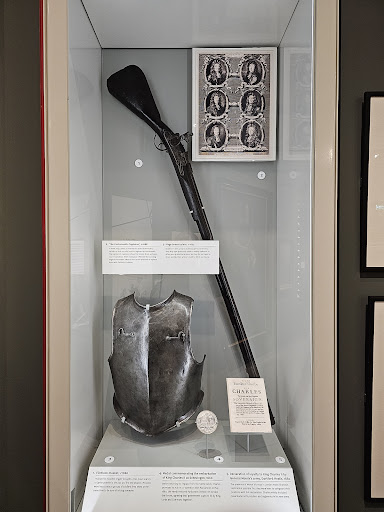
Just spent the afternoon there. Two adult females. Bag search upon entering. Straight into the permanent exhibits. Really enjoyed looking at everything from the uniforms to the (often stunning) paintings, a good number of medals through the ages, some weapons, and even some vehicles. There are some, few, activities for children though we found one of them which really needed a more thorough explanation to get it to work. It's not that they haven't tried to be inclusive for kids - it's just that there's not a great deal that is actually for kids, due to the nature of it being an Army museum. I wouldn't recommend taking young children or those who are easily bored. I would also advise some caution: there is a large poster print sized image of a soldiers naked rear end, a human skull, a horse skeleton, a stuffed cat, and (wait for it) human fingers and toes in formaldehyde that were lost to frostbite. Don't miss the QR code on the Challenger 2 tank outside the main entrance! There are lifts across the five floors so it is disabled accessible. There is a café, though we didn't use it so can't comment on the prices or quality. There are lots of helpful staff to answer questions. Be aware, the current Myth & Reality exhibit (2025) is a wee bit parky inside (great on a hot day) but contains some stunning paintings and portraits. Not the same as the IWM so don't expect it to be, but equally as interesting in many ways. I intend to return soon.
See more posts
See more posts
hotel
Find your stay

Pet-friendly Hotels in London

Find a cozy hotel nearby and make it a full experience.

The National Army Museum is the British Army's central museum. It is located in the Chelsea district of central London, adjacent to the Royal Hospital Chelsea, the home of the "Chelsea Pensioners". The museum is a non-departmental public body. It is usually open to the public from 10:00am to 5:30pm, except on 25–26 December and 1 January. Admission is free. Having reopened in March 2017 following a major £23.75 million re-development project including £11.5m from the Heritage Lottery Fund, the museum houses five galleries that cover British military history from the English Civil War up to modern day.[2][3][4] This remit for the overall history of British land forces contrasts with those of other military museums in the United Kingdom concentrating on the history of individual corps and regiments of the British Army. It also differs from the subject matter of the Imperial War Museum, another national museum in London, which has a wider remit of theme (war experiences of British civilians and military personnel from all three services) but a narrower remit of time (after 1914). The National Army Museum was first conceived in the late 1950s, and owes its existence to the persistent hard work of Field Marshal Sir Gerald Templer, who did most of the fundraising for it.[5] It was established by Royal Charter in 1960, with the intention of collecting, preserving, and exhibiting objects and records relating to the Regular and Auxiliary forces of the British Army and of the Commonwealth, and to encourage research into their history and traditions.[6] It was initially established in 1960 in temporary accommodation at the former No.1 Riding School at the Royal Military Academy Sandhurst.[7] A new purpose-built building, designed in brutalist style by William Holford & Partners, was started in 1961 on a site which had previously formed part of the old infirmary of the Royal Hospital Chelsea. The new building was completed ten years later and opened by the Queen on 11 November 1971.[8] One director, Ian Robertson, initiated a programme to establish an outpost of the Museum in the garrison town of Catterick, North Yorkshire, to be known as National Army Museum North, on the model of Imperial War Museum's establishment of the Imperial War Museum North in Manchester. A large site was chosen near Marne Barracks, beside the A1, and in 2002 Simon Pierce of Austin-Smith:Lord was chosen as the new museum's architect.[9] However, funding and planning issues later led to the cancellation of the plan in 2003.[10] The National Army Museum instead underwent a major redevelopment of its gallery and corridor displays at Chelsea from 2006 onwards, establishing new displays in existing permanent display areas, converting the corridors from oil-painting displays to permanent-exhibition spaces, and producing new temporary and permanent display areas on the third floor. This redisplay concluded with the opening of the new permanent National Service gallery in October 2010, though a further phase of redevelopment followed from 2011 onwards.[11]
Alex Jones

Alex Jones

hotel
Find your stay

Affordable Hotels in London

Find a cozy hotel nearby and make it a full experience.

Get the Appoverlay
Get the AppOne tap to find yournext favorite spots!
The Army Museum in London stands as a testament to the rich and complex history of the British Army, offering a profound insight into the nation's military legacy. Spanning across various periods, the museum captivates visitors with its extensive collection of artifacts, exhibits, and interactive displays, showcasing the evolution and the pivotal role of the army in shaping the course of history. One of the museum's most compelling aspects is its ability to immerse visitors in a diverse range of experiences. From the early days of the army's formation to its modern-day strategies, the museum meticulously narrates the stories of heroism, sacrifice, and innovation. The artifacts, ranging from weaponry and uniforms to personal mementos, paint a vivid picture of the challenges and triumphs faced by soldiers throughout different eras. The thematic exhibits are thoughtfully curated, offering a comprehensive understanding of warfare, leadership, and the social, cultural, and technological changes that have influenced the army's development. Moreover, the museum's commitment to engaging its audience through interactive displays and multimedia installations enhances the educational experience. Visitors can delve into simulations, historical accounts, and hands-on activities, creating a dynamic learning environment suitable for all ages. This approach not only educates but also fosters a deeper appreciation for the sacrifices made by soldiers and the impact of their service on the nation. The museum's design and layout are commendable, guiding visitors through a coherent and compelling narrative. The visual storytelling and the use of multimedia elements create an immersive and engaging journey, enabling a deeper connection with the army's history. However, despite its impressive offerings, some areas might benefit from further expansion or more in-depth explorations of specific periods or conflicts. Additionally, enhancing the diversity of perspectives showcased could enrich the narrative, offering a broader understanding of the army's impact on different communities and cultures. In conclusion, the Army Museum in London stands as an invaluable resource, effectively preserving and presenting the rich tapestry of the British Army's history. Its comprehensive approach, interactive displays, and diverse collection make it a must-visit destination for those interested in military history and the profound impact of the army on society.
Juan

Juan

hotel
Find your stay

The Coolest Hotels You Haven't Heard Of (Yet)

Find a cozy hotel nearby and make it a full experience.

hotel
Find your stay

Trending Stays Worth the Hype in London

Find a cozy hotel nearby and make it a full experience.

Just spent the afternoon there. Two adult females. Bag search upon entering. Straight into the permanent exhibits. Really enjoyed looking at everything from the uniforms to the (often stunning) paintings, a good number of medals through the ages, some weapons, and even some vehicles. There are some, few, activities for children though we found one of them which really needed a more thorough explanation to get it to work. It's not that they haven't tried to be inclusive for kids - it's just that there's not a great deal that is actually for kids, due to the nature of it being an Army museum. I wouldn't recommend taking young children or those who are easily bored. I would also advise some caution: there is a large poster print sized image of a soldiers naked rear end, a human skull, a horse skeleton, a stuffed cat, and (wait for it) human fingers and toes in formaldehyde that were lost to frostbite. Don't miss the QR code on the Challenger 2 tank outside the main entrance! There are lifts across the five floors so it is disabled accessible. There is a café, though we didn't use it so can't comment on the prices or quality. There are lots of helpful staff to answer questions. Be aware, the current Myth & Reality exhibit (2025) is a wee bit parky inside (great on a hot day) but contains some stunning paintings and portraits. Not the same as the IWM so don't expect it to be, but equally as interesting in many ways. I intend to return soon.
Sable Delaney

Sable Delaney

See more posts
See more posts