St Serf's Church & Dupplin Cross things to do, attractions, restaurants, events info and trip planning
Basic Info
St Serf's Church & Dupplin Cross
Tron Square, Dunning, Perth PH2 0RG, United Kingdom
4.6(41)
Open 24 hours
Save
spot
spot
Ratings & Description
Info
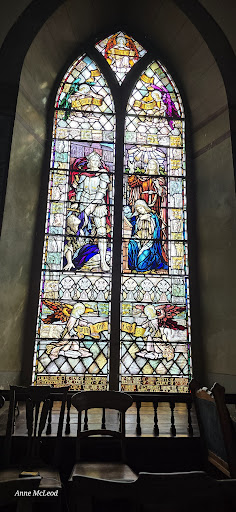
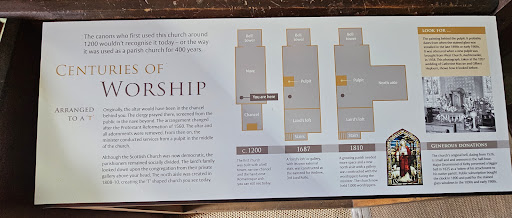
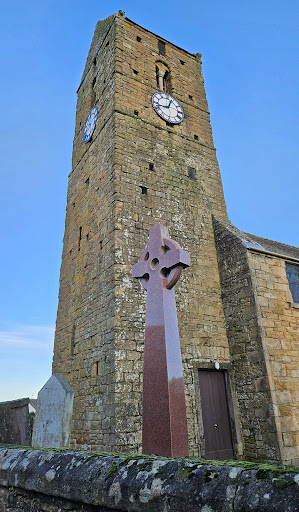
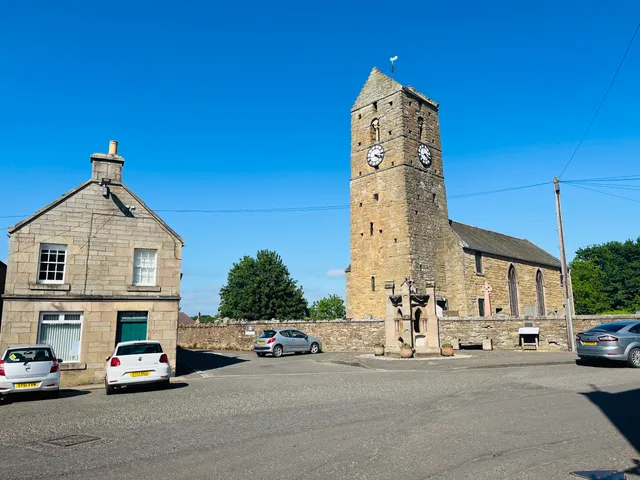
St Serf's Church in the Scottish village of Dunning, Perth and Kinross is a Category A listed building largely dating to the early 19th century, but incorporating a 12th-century tower.
Cultural
Scenic
Accessibility
attractions: , restaurants: The Kirkstyle Inn, Little Fort Deli, Tee Room, local businesses:
 Learn more insights from Wanderboat AI.
Phone
+44 1764 684497
Website
historicenvironment.scot
Plan your stay

Pet-friendly Hotels in Scotland
Find a cozy hotel nearby and make it a full experience.

Affordable Hotels in Scotland
Find a cozy hotel nearby and make it a full experience.

The Coolest Hotels You Haven't Heard Of (Yet)
Find a cozy hotel nearby and make it a full experience.

Trending Stays Worth the Hype in Scotland
Find a cozy hotel nearby and make it a full experience.
Reviews
Live events

Finland; the happiest country - with Lesley Riddoch
Thu, Feb 26 • 6:30 PM
Carnegie Conference and Events Centre, Calaiswood Crescent, Dunfermline, United Kingdom
View details

Soul Station - February 27th (Friday)
Fri, Feb 27 • 7:00 PM
Fire Station Creative, Fire Station Creative, Dunfermline, United Kingdom
View details

THE GERRY CINNA-MAN EXPERIENCE - PJ Molloys - Dunfermline
Sat, Feb 28 • 7:00 PM
PJ Molloys, 7 Canmore Street,Dunfermline, Fife, United Kingdom
View details
Nearby restaurants of St Serf's Church & Dupplin Cross
The Kirkstyle Inn
Little Fort Deli
Tee Room
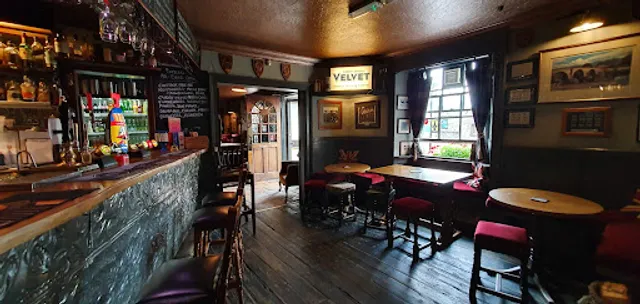
The Kirkstyle Inn
4.7
(392)
$$
Closed
Click for details

Little Fort Deli
4.8
(12)
$
Open until 4:00 PM
Click for details
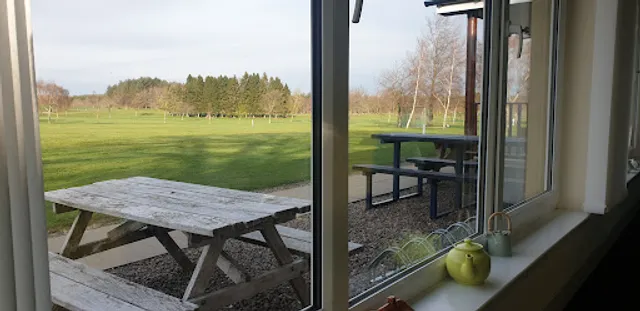
Tee Room
4.8
(61)
Open until 4:00 PM
Click for details