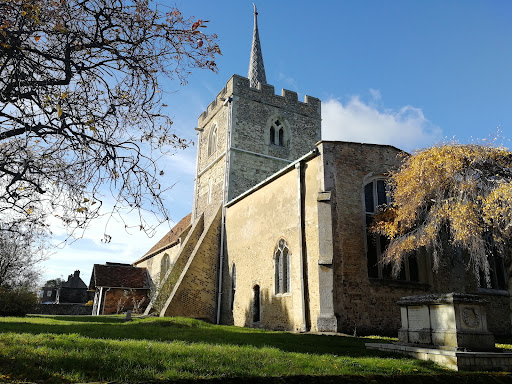
St John's Church, Duxford things to do, attractions, restaurants, events info and trip planning
Basic Info
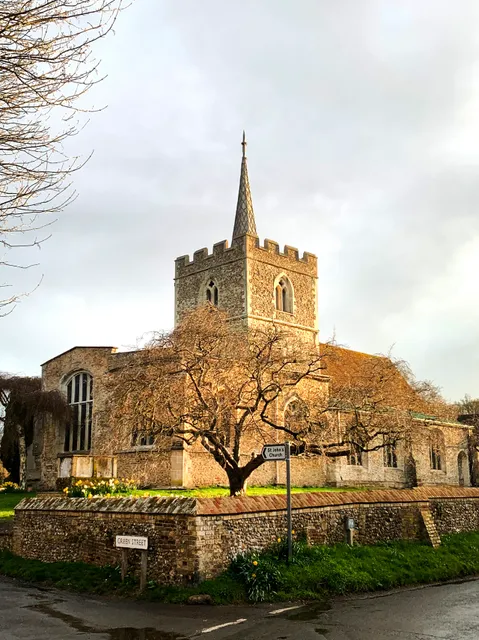
St John's Church, Duxford
Green St, Duxford, Cambridge CB22 4RG, United Kingdom
4.7(16)
Closed
Save
spot
spot
Ratings & Description
Info
St John's Church is a redundant Anglican church in the village of Duxford, Cambridgeshire, England. In 1967 it was recorded in the National Heritage List for England as a designated Grade I listed building, and is now vested in The Churches Conservation Trust.
Cultural
Scenic
Family friendly
Accessibility
attractions: , restaurants: John Barleycorn, Café 19, Four Duxford, The Plough, Royal Thai Takeaway by Som, local businesses: Duxford Community Centre, 4 St Peter's St
 Learn more insights from Wanderboat AI.
Website
visitchurches.org.uk
Open hoursSee all hours
Wed10 AM - 4 PMClosed
Plan your stay

Pet-friendly Hotels in South Cambridgeshire
Find a cozy hotel nearby and make it a full experience.

Affordable Hotels in South Cambridgeshire
Find a cozy hotel nearby and make it a full experience.

The Coolest Hotels You Haven't Heard Of (Yet)
Find a cozy hotel nearby and make it a full experience.

Trending Stays Worth the Hype in South Cambridgeshire
Find a cozy hotel nearby and make it a full experience.
Reviews
Live events
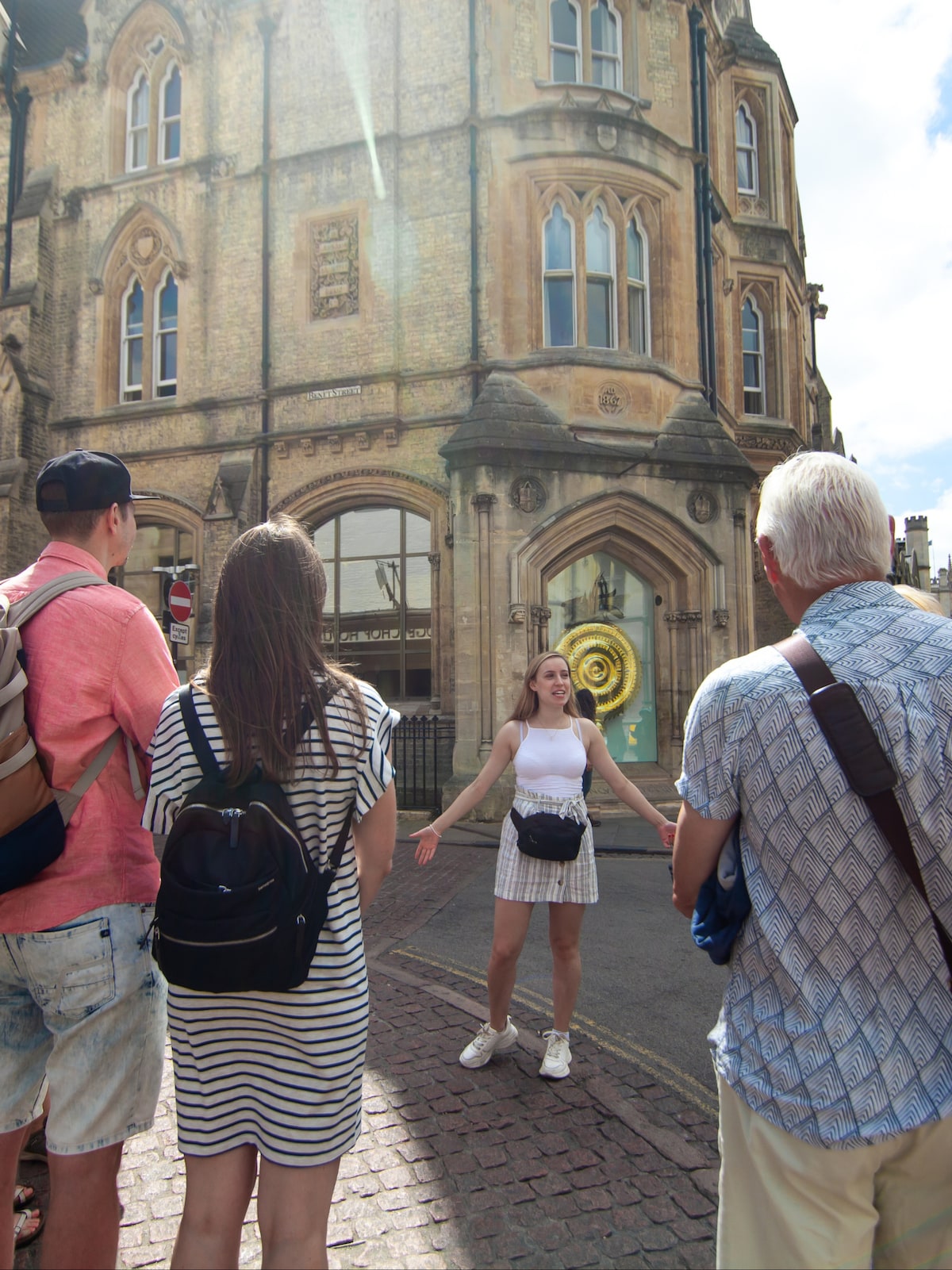
Explore Cambridge University and surrounds
Wed, Jan 28 • 11:00 AM
Cambridgeshire, CB2 1SJ, United Kingdom
View details

Candlelight: Tribute to Taylor Swift
Sat, Jan 31 • 9:30 PM
Storey's Way, Cambridge, CB3 0DG
View details
Relive Cambridge Universitys Ghost Stories
Wed, Jan 28 • 5:00 PM
Cambridgeshire, CB2, United Kingdom
View details
Nearby restaurants of St John's Church, Duxford
John Barleycorn
Café 19
Four Duxford
The Plough
Royal Thai Takeaway by Som
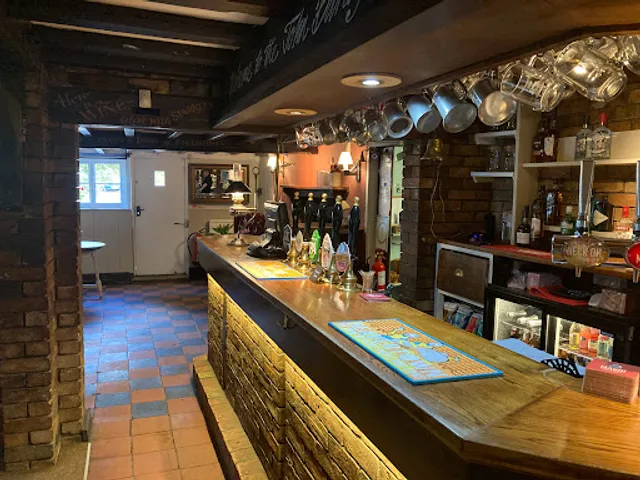
John Barleycorn
4.6
(300)
Click for details
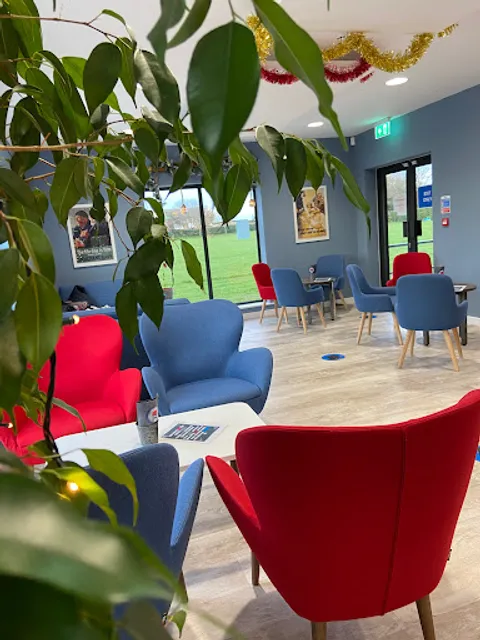
Café 19
4.8
(179)
Closed
Click for details

Four Duxford
4.9
(15)
Closed
Click for details
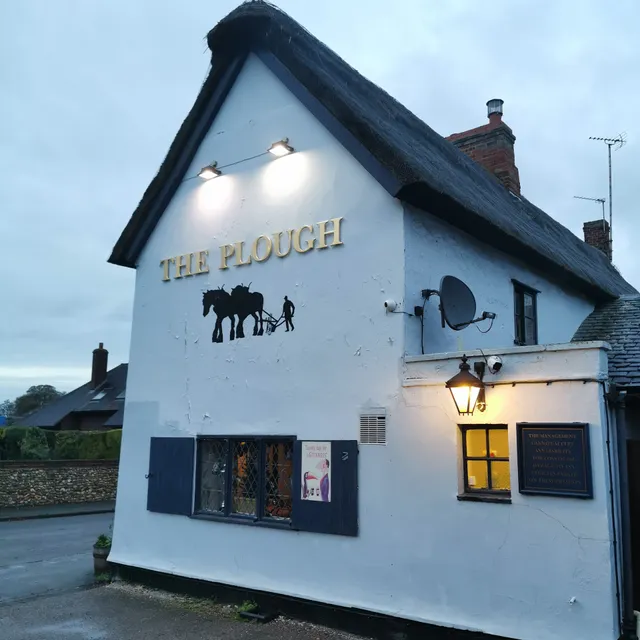
The Plough
4.5
(295)
Closed
Click for details
Nearby local services of St John's Church, Duxford
Duxford Community Centre
4 St Peter's St

Duxford Community Centre
4.7
(101)
Click for details
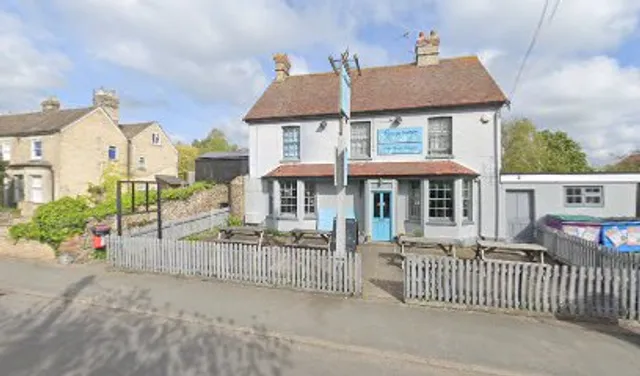
4 St Peter's St
4.9
(14)
Click for details