The Friars Aylesford Priory things to do, attractions, restaurants, events info and trip planning
Basic Info
The Friars Aylesford Priory
The Friars, Aylesford ME20 7BX, United Kingdom
4.7(628)
Closed
Save
spot
spot
Ratings & Description
Info
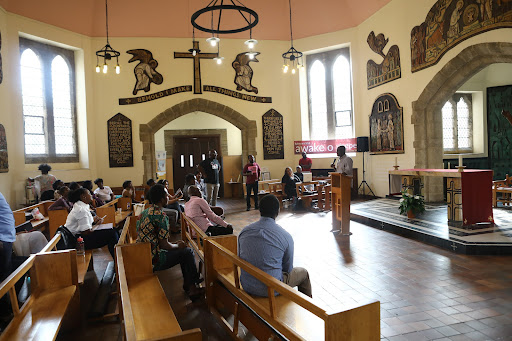
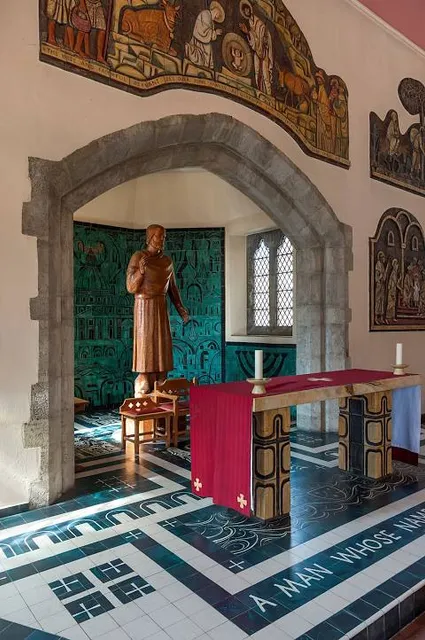
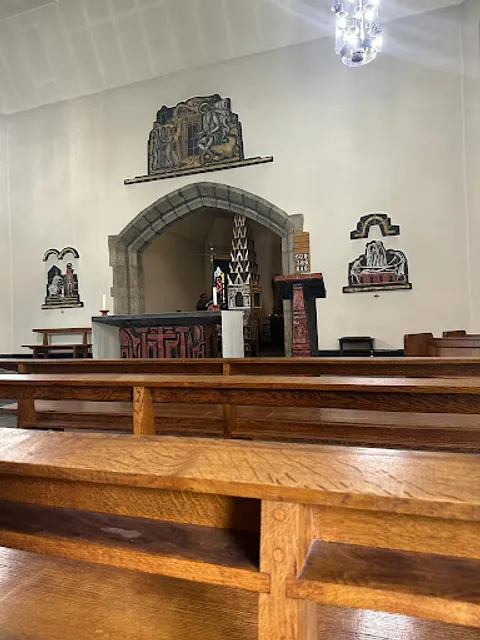
Aylesford Priory, or "The Friars" was founded in 1242 when members of the Carmelite order arrived in England from Mount Carmel in the Holy Land. Richard de Grey, a crusader, sponsored them, and conveyed to the order a parcel of land located on his manor in Aylesford in Kent.
Cultural
Relaxation
Scenic
Family friendly
Accessibility
attractions: Aylesford Pottery, restaurants: The Friars Tea Room and Gift Shop, Melad Tandoori, The Hengist Restaurant & Cocktail Bar, The Pantry Coffee, Base Camp Coffee Shop, The Bush, local businesses: Aylesford Farmers Market, Aylesford Bridge
 Learn more insights from Wanderboat AI.
Phone
+44 1622 717272
Website
thefriars.org.uk
Open hoursSee all hours
Tue9 AM - 5 PMClosed
Plan your stay

Pet-friendly Hotels in Tonbridge and Malling
Find a cozy hotel nearby and make it a full experience.

Affordable Hotels in Tonbridge and Malling
Find a cozy hotel nearby and make it a full experience.

The Coolest Hotels You Haven't Heard Of (Yet)
Find a cozy hotel nearby and make it a full experience.

Trending Stays Worth the Hype in Tonbridge and Malling
Find a cozy hotel nearby and make it a full experience.
Reviews
Live events
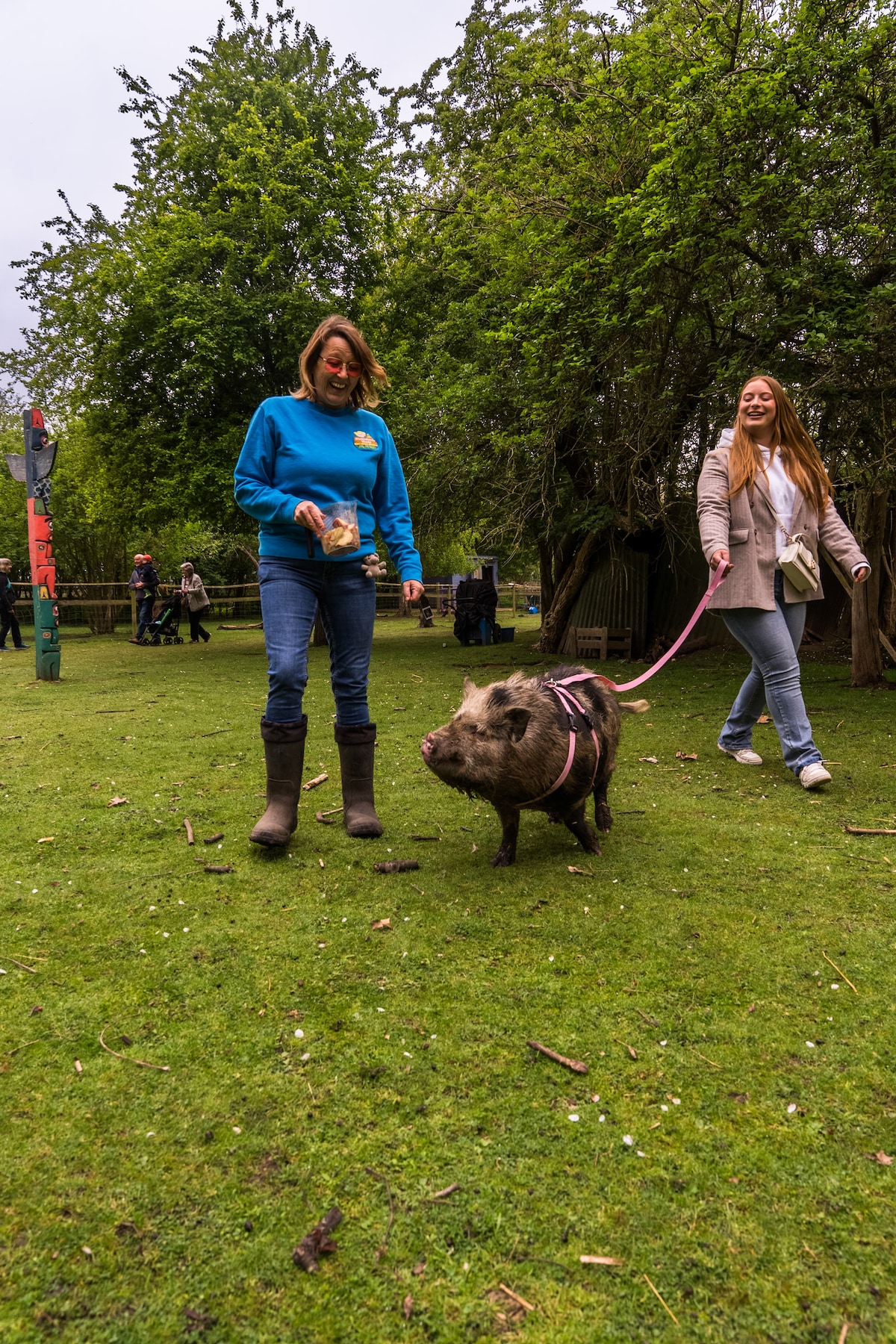
Walk a micro pig through an ancient orchard
Tue, Feb 24 • 10:30 AM
Kent, ME13 0TP, United Kingdom
View details

BOSP Tots
Tue, Feb 24 • 10:00 AM
Pitsea Hall Lane Pitsea SS16 4UH
View details

NCT Medway Bumps and Babies
Tue, Feb 24 • 10:00 AM
Eastgate Rochester ME1 1EW
View details
Nearby attractions of The Friars Aylesford Priory
Aylesford Pottery

Aylesford Pottery
4.8
(18)
Closed
Click for details
Nearby restaurants of The Friars Aylesford Priory
The Friars Tea Room and Gift Shop
Melad Tandoori
The Hengist Restaurant & Cocktail Bar
The Pantry Coffee
Base Camp Coffee Shop
The Bush
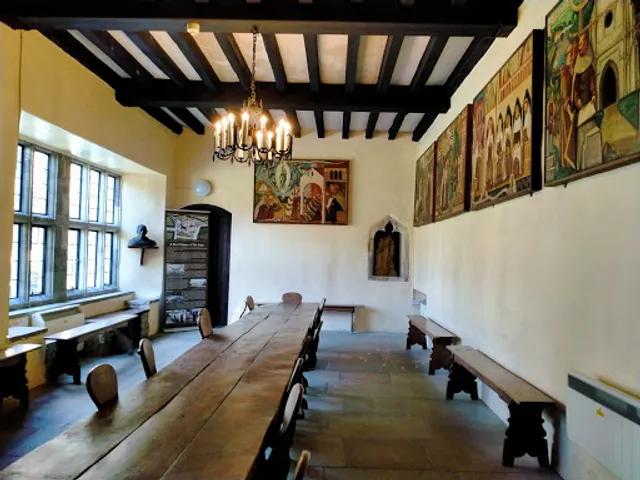
The Friars Tea Room and Gift Shop
4.3
(161)
Closed
Click for details
Melad Tandoori
4.1
(97)
Closed
Click for details

The Hengist Restaurant & Cocktail Bar
4.2
(590)
$$
Open until 12:00 AM
Click for details
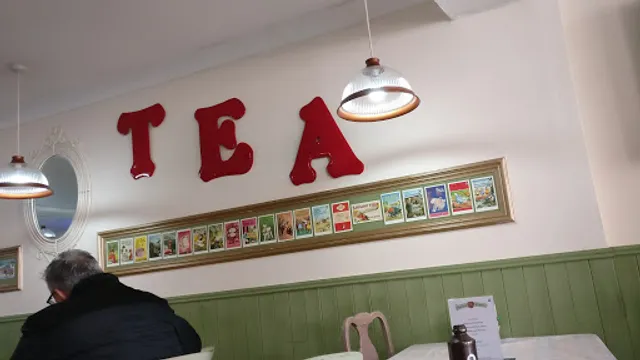
The Pantry Coffee
4.5
(135)
Closed
Click for details
Nearby local services of The Friars Aylesford Priory
Aylesford Farmers Market
Aylesford Bridge

Aylesford Farmers Market
4.5
(91)
Click for details
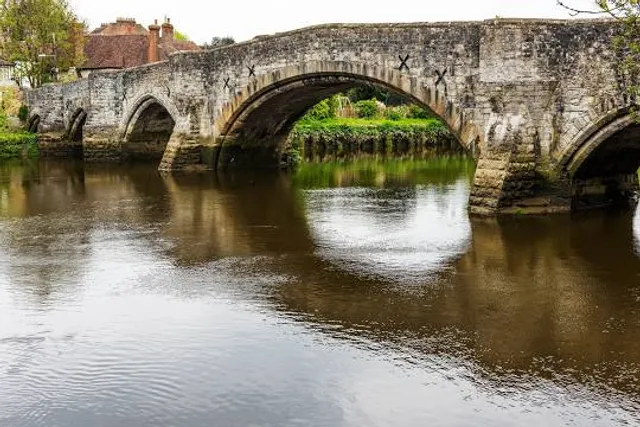
Aylesford Bridge
4.6
(75)
Click for details