Harriet Beecher Stowe House things to do, attractions, restaurants, events info and trip planning
Basic Info
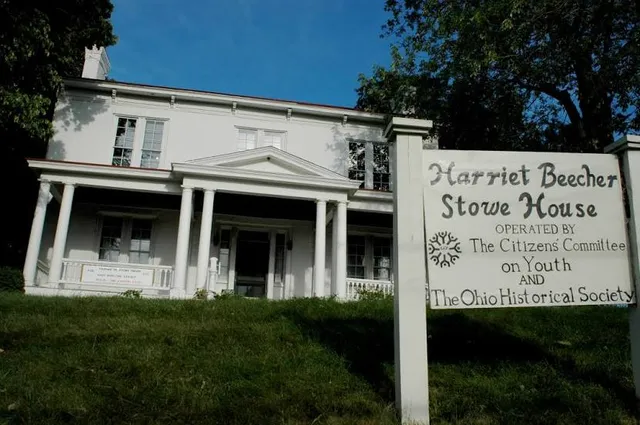
Harriet Beecher Stowe House
2950 Gilbert Ave, Cincinnati, OH 45206
4.7(108)
Open until 12:00 AM

tickets
Save
spot
spot
Ratings & Description
Info
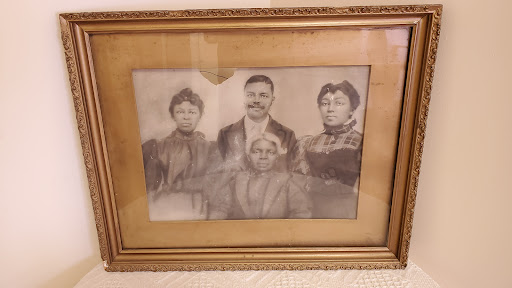
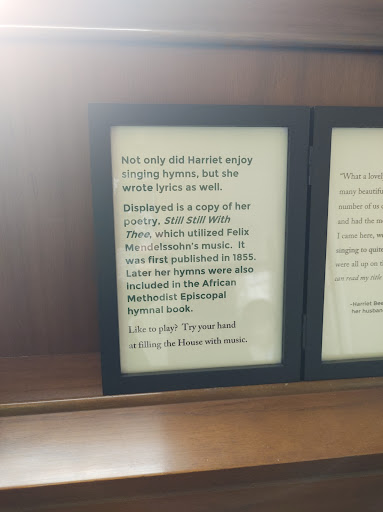
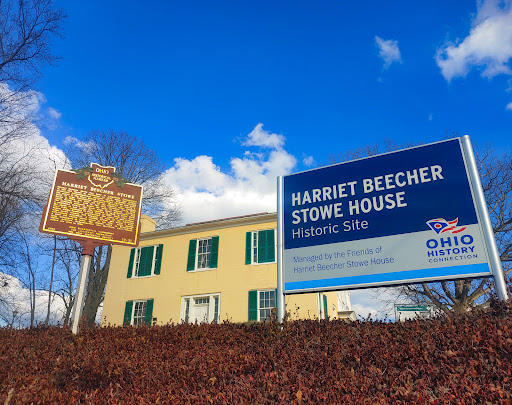
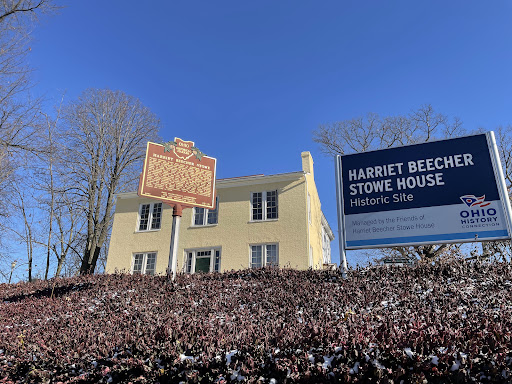
The Harriet Beecher Stowe House is a historic home in Cincinnati, Ohio which was once the residence of influential antislavery author Harriet Beecher Stowe, author of the 1852 novel Uncle Tom's Cabin.
Cultural
Family friendly
Accessibility
attractions: 1819 Innovation Hub - University of Cincinnati, Manifest Creative Research Gallery and Drawing Center, restaurants: J&W Breakfast, Dunkin', j & w bar-b-que, Habibi grill food truck “Cincinnati”, Caffè Vivace | Jazz Lounge, Tiki Tiki Bang Bang, 6 'N The Mornin', 6 'N The Mornin', Fireside Pizza, Esoteric Brewing Co., local businesses: N & I Restaurant, Limitless Brazilian Jiu Jitsu & Fitness - Jiu Jitsu, Muay Thai, Kickboxing, Wrestling & MMA., Spruce Nail Shop at Walnut Hills, Diamyn's Crystal Bar- Pause Cincy, A To Z Wireless Center Inc, Woodburn Games, PNC Bank, ArtWorks Creative Campus, Avondale Food Mart, Taste Of Belgium
 Learn more insights from Wanderboat AI.
Phone
(513) 751-0651
Website
stowehousecincy.org
Open hoursSee all hours
WedClosedOpen
Plan your stay

Pet-friendly Hotels in Cincinnati
Find a cozy hotel nearby and make it a full experience.

Affordable Hotels in Cincinnati
Find a cozy hotel nearby and make it a full experience.

The Coolest Hotels You Haven't Heard Of (Yet)
Find a cozy hotel nearby and make it a full experience.

Trending Stays Worth the Hype in Cincinnati
Find a cozy hotel nearby and make it a full experience.
Reviews
Live events

Chart House - Stags Leap Wine Dinner - Newport
Thu, Feb 26 • 7:00 PM
405 Riverboat Row Newport, KY 41071
View details

“Delusional” the Stage Play ENCORE
Fri, Feb 27 • 6:00 PM
411 Wessel Drive Fairfield, OH 45014
View details

Pins, Pints & Prospects - Singles Night at Pins Mechanical Co. Cincinnati
Fri, Feb 27 • 7:00 PM
1124 Main Street Cincinnati, OH 45202
View details
Nearby attractions of Harriet Beecher Stowe House
1819 Innovation Hub - University of Cincinnati
Manifest Creative Research Gallery and Drawing Center

1819 Innovation Hub - University of Cincinnati
4.7
(50)
Closed
Click for details
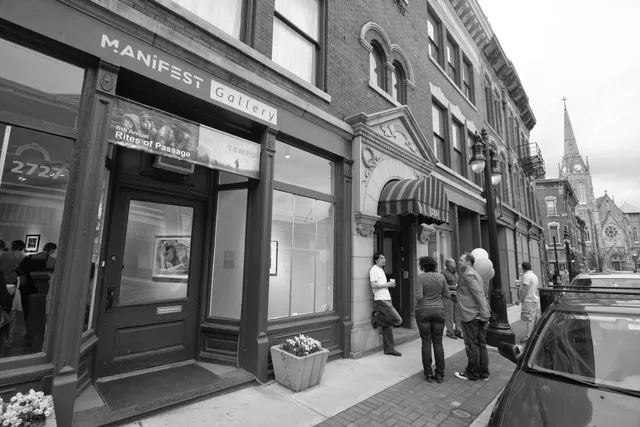
Manifest Creative Research Gallery and Drawing Center
4.5
(9)
Closed
Click for details
Nearby restaurants of Harriet Beecher Stowe House
J&W Breakfast
Dunkin'
j & w bar-b-que
Habibi grill food truck “Cincinnati”
Caffè Vivace | Jazz Lounge
Tiki Tiki Bang Bang
6 'N The Mornin'
6 'N The Mornin'
Fireside Pizza
Esoteric Brewing Co.

J&W Breakfast
4.2
(70)
$
Closed
Click for details

Dunkin'
3.8
(67)
$
Open until 11:00 PM
Click for details
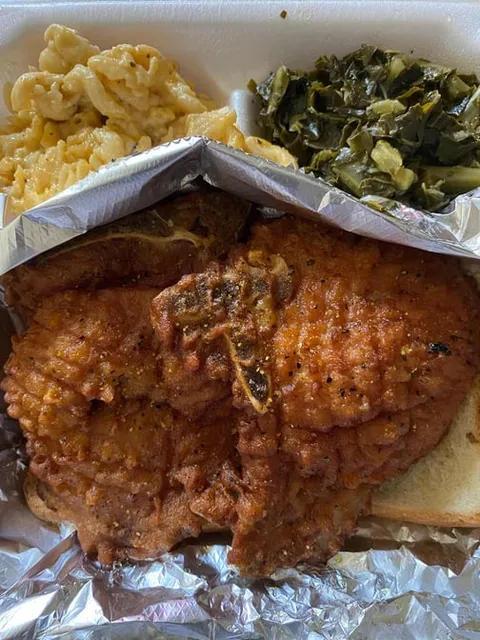
j & w bar-b-que
4.8
(5)
$
Open until 12:00 AM
Click for details
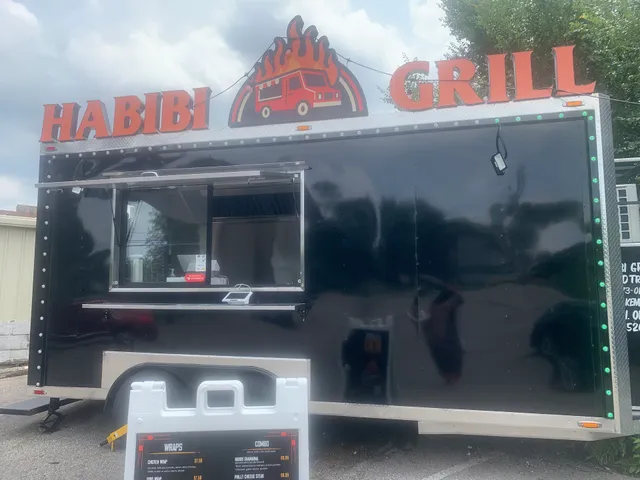
Habibi grill food truck “Cincinnati”
4.7
(56)
$
Open until 3:00 AM
Click for details
Nearby local services of Harriet Beecher Stowe House
N & I Restaurant
Limitless Brazilian Jiu Jitsu & Fitness - Jiu Jitsu, Muay Thai, Kickboxing, Wrestling & MMA.
Spruce Nail Shop at Walnut Hills
Diamyn's Crystal Bar- Pause Cincy
A To Z Wireless Center Inc
Woodburn Games
PNC Bank
ArtWorks Creative Campus
Avondale Food Mart
Taste Of Belgium

N & I Restaurant
4.2
(92)
Click for details
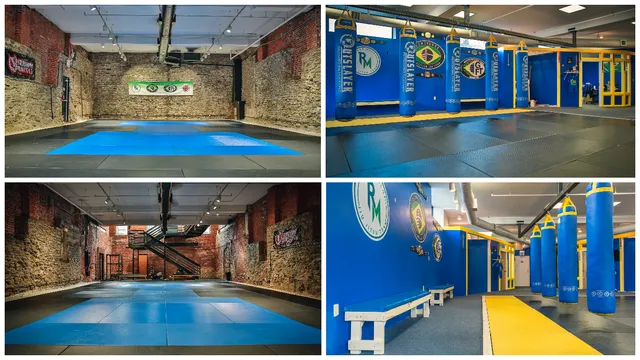
Limitless Brazilian Jiu Jitsu & Fitness - Jiu Jitsu, Muay Thai, Kickboxing, Wrestling & MMA.
4.9
(130)
Click for details

Spruce Nail Shop at Walnut Hills
4.5
(44)
Click for details

Diamyn's Crystal Bar- Pause Cincy
5.0
(54)
Click for details


The hit list



Plan your trip with Wanderboat
Welcome to Wanderboat AI, your AI search for local Eats and Fun, designed to help you explore your city and the world with ease.
Powered by Wanderboat AI trip planner.