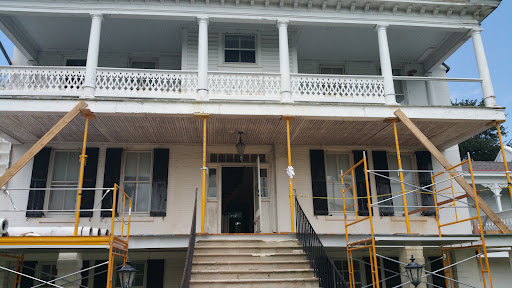
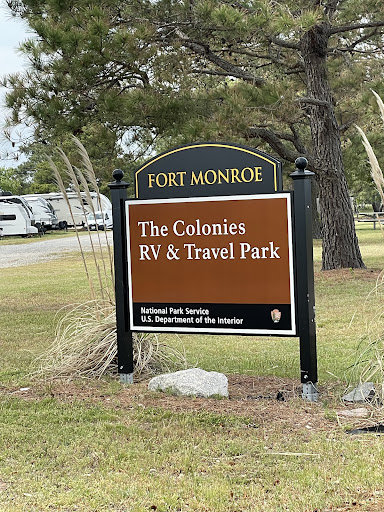
Fort Monroe National Monument things to do, attractions, restaurants, events info and trip planning
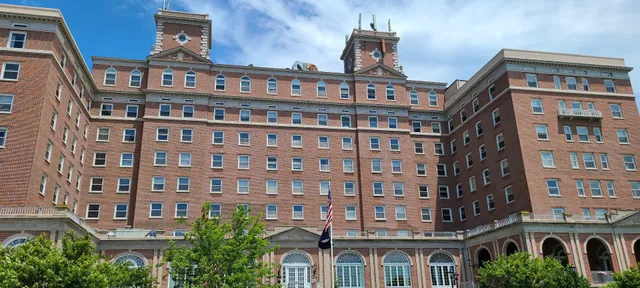
Basic Info
Fort Monroe National Monument
Fort Monroe, VA 23651
4.7(2.3K)
Open until 12:00 AM
Save
spot
spot
Ratings & Description
Info
Cultural
Outdoor
Scenic
Family friendly
Accessibility
attractions: Casemate Museum of Fort Monroe, Old Point Comfort Lighthouse, Chapel of the Centurion, Quarters No. 1, Fort Monroe National Monument, First Africans in Virginia Marker, Outlook Beach, restaurants: Firehouse Coffee 1881, The Deadrise, local businesses: Fort Monroe Fishing Pier, The Chamberlin, Supernova International Ska Festival, Harvest Market at Oozlefinch, Fort Monroe Community Center
 Learn more insights from Wanderboat AI.
Phone
(757) 722-3678
Website
nps.gov
Open hoursSee all hours
Sun5 AM - 12 AMOpen
Plan your stay

Pet-friendly Hotels in Hampton
Find a cozy hotel nearby and make it a full experience.

Affordable Hotels in Hampton
Find a cozy hotel nearby and make it a full experience.

The Coolest Hotels You Haven't Heard Of (Yet)
Find a cozy hotel nearby and make it a full experience.

Trending Stays Worth the Hype in Hampton
Find a cozy hotel nearby and make it a full experience.
Reviews
Live events

Official Mardi Gras Bar Crawl - Norfolk
Sat, Feb 7 • 6:00 PM
333 Waterside Drive Norfolk, VA 23510
View details

The Big Game Experience at Dave & Busters Virginia Beach
Sun, Feb 8 • 5:30 PM
701 Lynnhaven Pkwy Suite G19, Virginia Beach, 23452
View details

Candlelight: Valentine’s Day Special
Sat, Feb 14 • 8:45 PM
65 Saunders Road,Newport News, 23601
View details
Nearby attractions of Fort Monroe National Monument
Casemate Museum of Fort Monroe
Old Point Comfort Lighthouse
Chapel of the Centurion
Quarters No. 1, Fort Monroe National Monument
First Africans in Virginia Marker
Outlook Beach
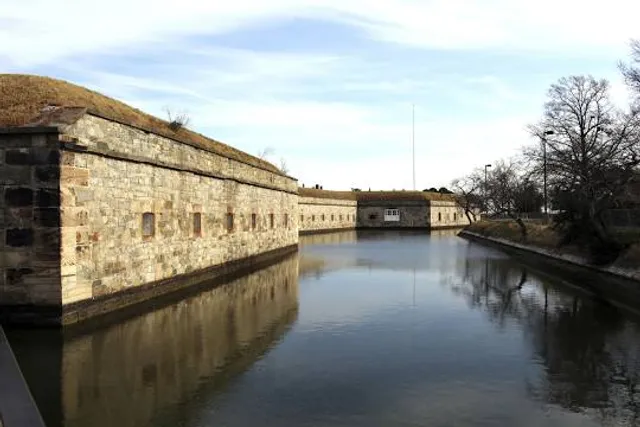
Casemate Museum of Fort Monroe
4.7
(555)
Closed
Click for details
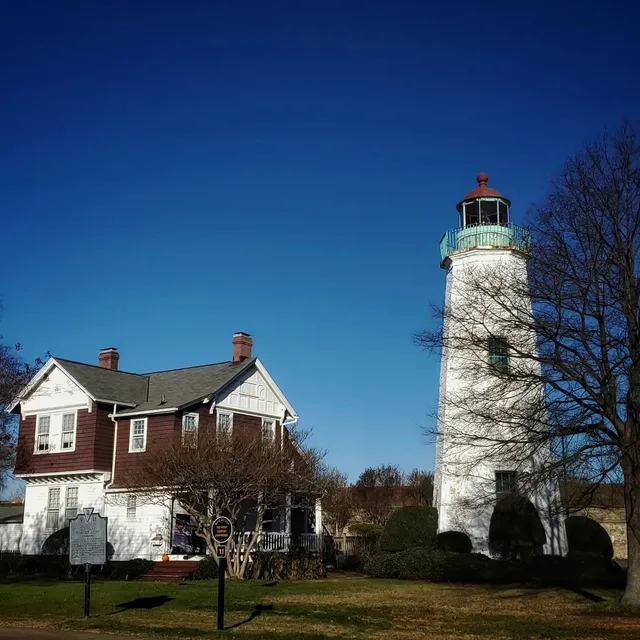
Old Point Comfort Lighthouse
4.6
(242)
Open 24 hours
Click for details
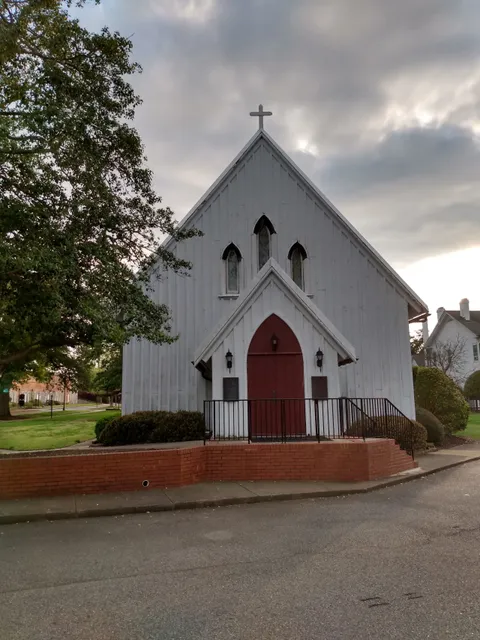
Chapel of the Centurion
4.8
(32)
Open until 12:00 AM
Click for details
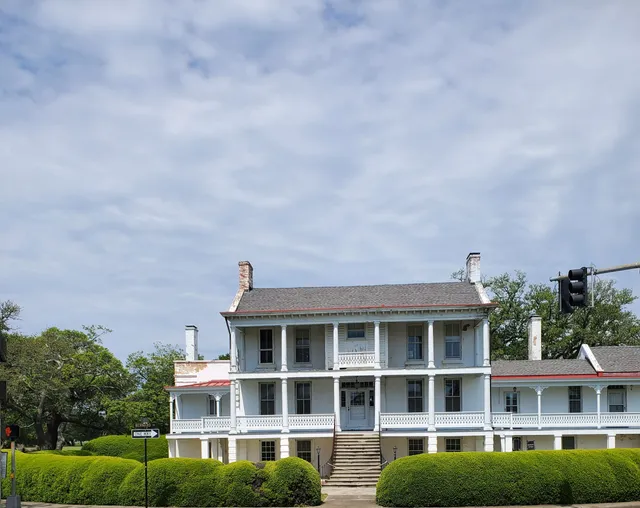
Quarters No. 1, Fort Monroe National Monument
4.7
(19)
Open 24 hours
Click for details
Nearby restaurants of Fort Monroe National Monument
Firehouse Coffee 1881
The Deadrise
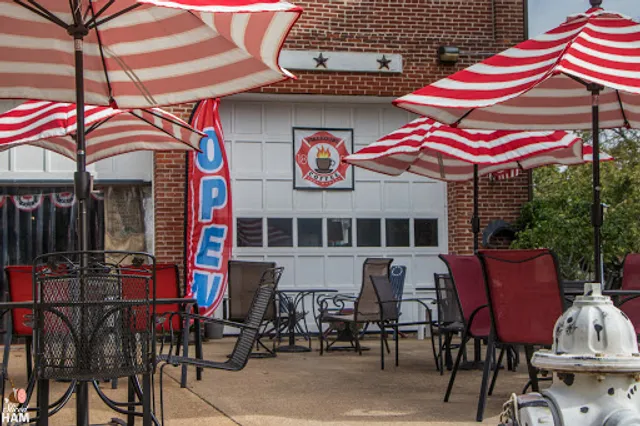
Firehouse Coffee 1881
4.7
(343)
$
Closed
Click for details
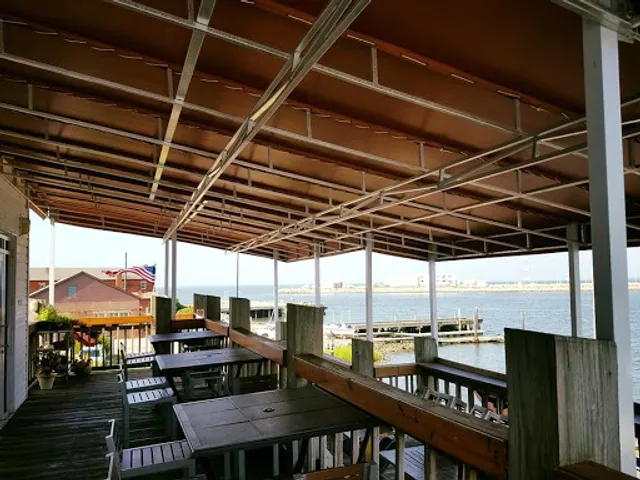
The Deadrise
4.4
(1.6K)
$$
Open until 8:30 PM
Click for details
Nearby local services of Fort Monroe National Monument
Fort Monroe Fishing Pier
The Chamberlin
Supernova International Ska Festival
Harvest Market at Oozlefinch
Fort Monroe Community Center
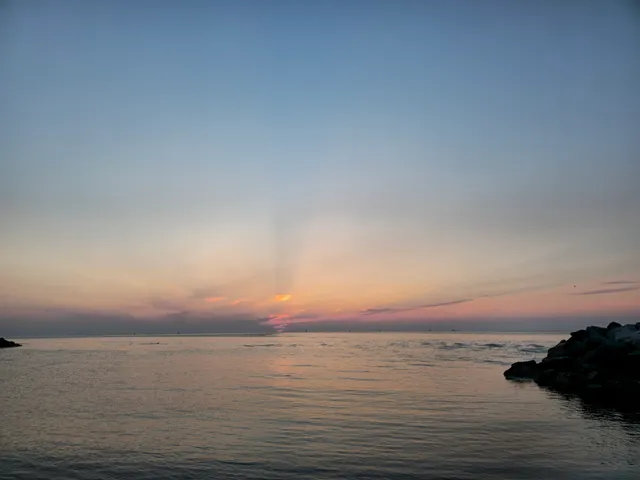
Fort Monroe Fishing Pier
4.6
(45)
Click for details
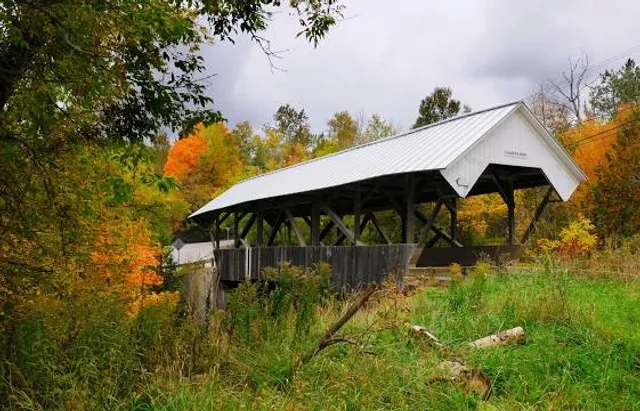
The Chamberlin
4.5
(137)
Click for details
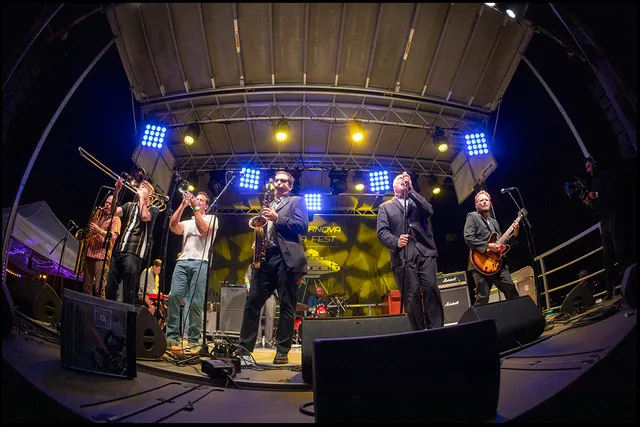
Supernova International Ska Festival
5.0
(19)
Click for details
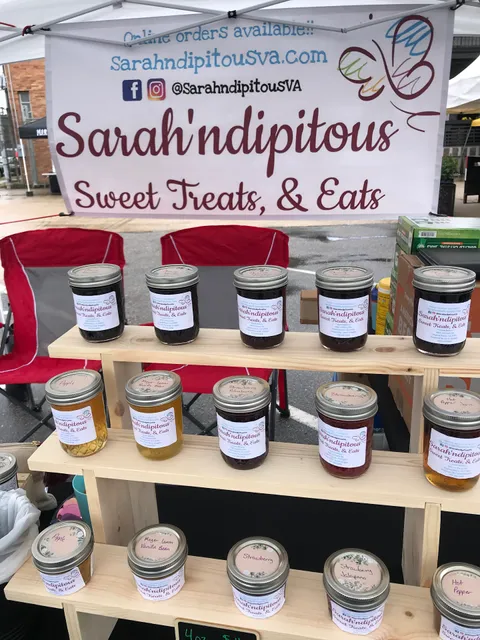
Harvest Market at Oozlefinch
5.0
(8)
Click for details