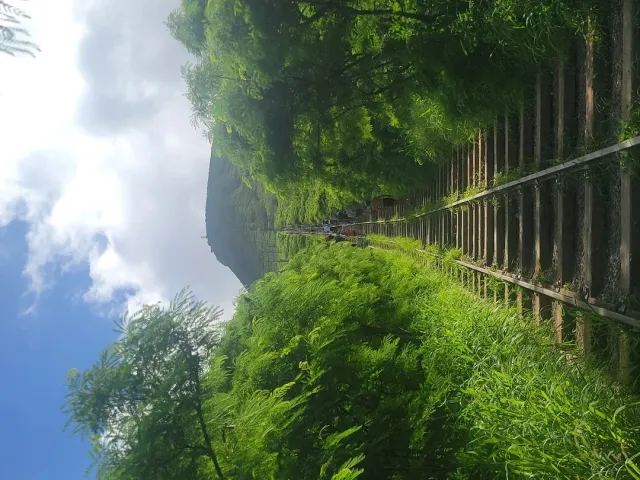
Koko Crater, located on the eastern side of Oahu, is a challenging yet rewarding hike known as the Koko Crater Railway Trail or simply “Koko Head.” The trailhead is located within Koko Head District Park, about a 30-minute drive from Waikiki. The area is accessible by car, with free parking available at the park. There’s also bus service from Waikiki, though it requires a transfer and takes about an hour.
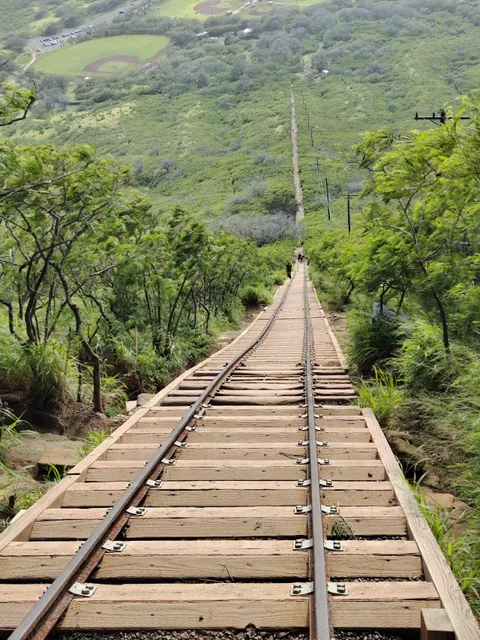
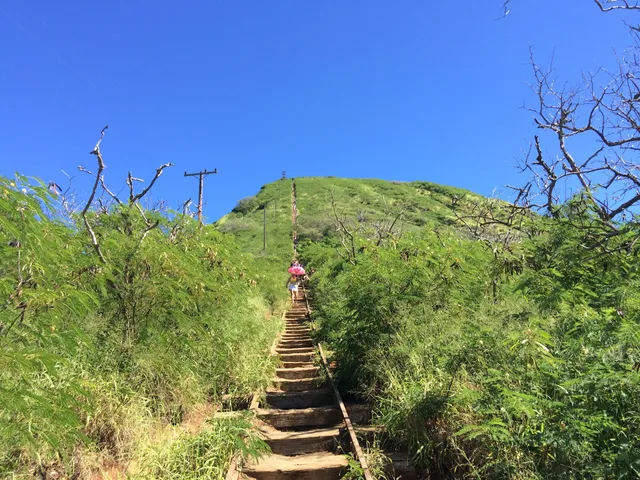
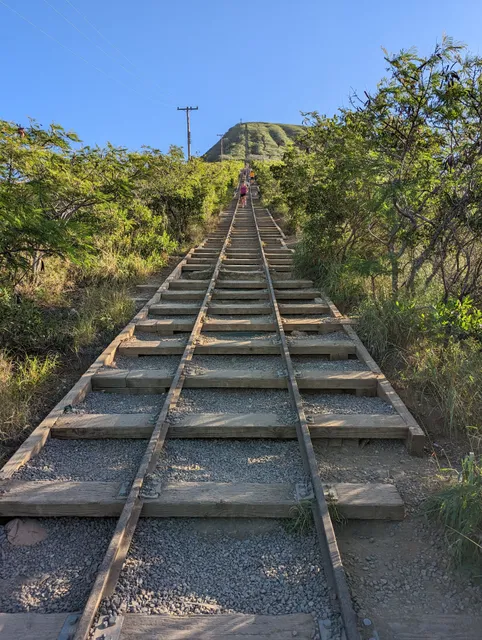
History and Background: The trail follows an abandoned railway that was originally built during World War II to transport supplies and personnel to the top of Koko Crater, where there was a military lookout and bunker. The tracks have been left in place, and now serve as the “stairs” that hikers climb to reach the summit. The hike has become one of the most iconic and challenging trails on Oahu, attracting locals and tourists alike who are up for the grueling workout.
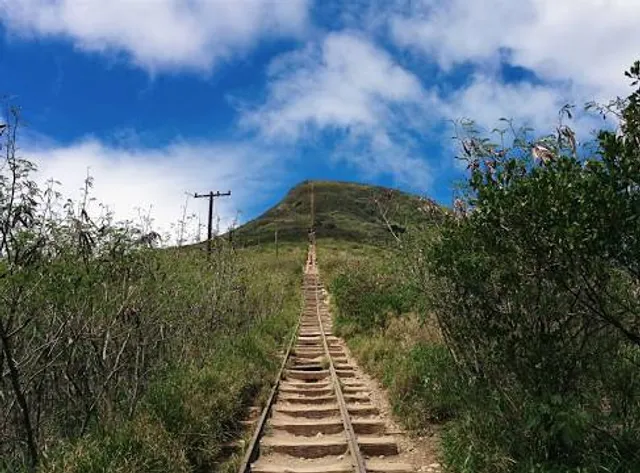
Trail Overview: The Koko Crater Railway Trail is a strenuous 1.8-mile round trip hike that involves climbing nearly 1,050 “steps” made from the old railway ties. While the distance might seem short, the vertical climb of about 1,200 feet makes it a physically demanding hike. The trail is straightforward—just follow the tracks straight up—but the steep incline and uneven steps make it a test of endurance and strength. There is a section where the tracks cross a ravine, and hikers have to walk over the open ties, which can be unnerving. There’s an option to bypass this section by taking a dirt trail to the side.
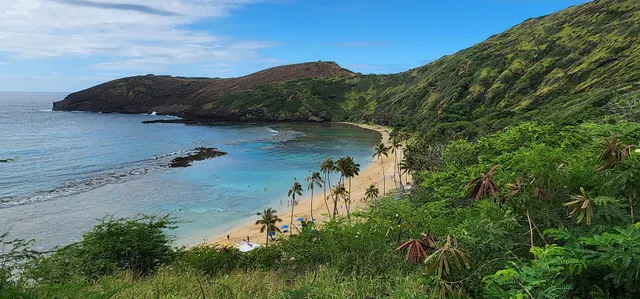
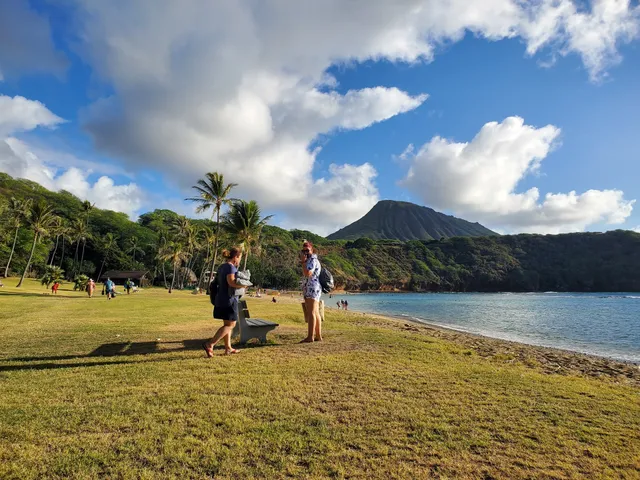
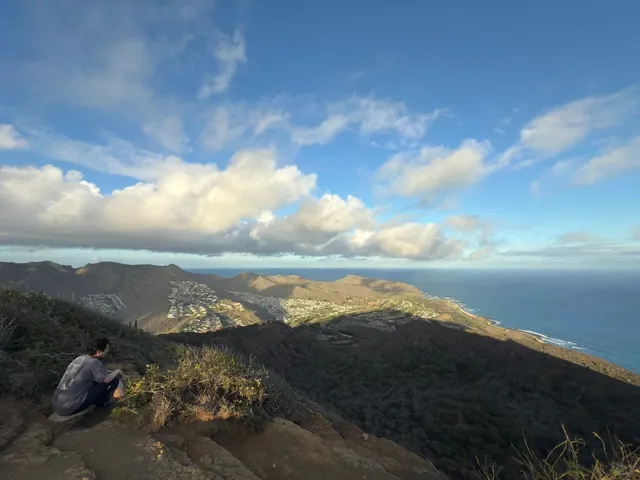
Scenic Views: The views from the top of Koko Crater are absolutely breathtaking and well worth the effort. As you ascend, you start to get sweeping views of the surrounding area, including Hanauma Bay, Hawaii Kai, and the southern coast of Oahu. The summit offers a 360-degree panorama, with views of the turquoise waters of the Pacific Ocean, the rugged coastline, and even Diamond Head in the distance. On a clear day, you can see all the way to Molokai. The summit also features the remains of the old military bunkers, which add an interesting historical element to the hike.
Crowd and Atmosphere: Koko Crater is a popular hike, especially among fitness enthusiasts and locals looking for a challenging workout. The trail can get crowded, particularly on weekends and holidays, but the camaraderie among hikers is part of the experience. Everyone on the trail understands the challenge, and you’ll often hear words of encouragement from fellow hikers. If you prefer a quieter experience, try to go early in the morning or late in the afternoon. Sunrise hikes are particularly popular for those who want to beat the heat and enjoy the spectacular morning views.
Difficulty and Preparation: The Koko Crater hike is not for the faint of heart. The steep incline, uneven steps, and open ravine crossing make it one of the most challenging hikes on Oahu. It’s important to be in good physical condition and to take your time on the ascent. Bring plenty of water, as there’s no shade on the trail, and the Hawaiian sun can be intense. Wearing sturdy shoes with good grip is essential due to the uneven terrain. Some hikers bring gloves to protect their hands on the railway ties and to help pull themselves up.
Facilities: There are no facilities on the trail itself, so be sure to use the restrooms at Koko Head District Park before you start your hike. The park also has water fountains, but it’s a good idea to bring more water than you think you’ll need. There are no vendors at the trailhead, so pack any snacks or supplies you may want for the hike.
Parking: Parking is available for free at Koko Head District Park. The lot can fill up quickly during peak hours, but street parking is also available in the surrounding neighborhood. The earlier you arrive, the better your chances of getting a good spot close to the trailhead.
The Koko Crater Railway Trail is a must-do for adventurous hikers visiting Oahu. It’s a physically demanding hike that rewards you with some of the best views...
Read moreIf you're seeking a challenge that rewards you with breathtaking views and a humbling experience, the Koko Crater Summit Stairs in Hawaii is an adventure you won't want to miss. As someone who recently tackled this iconic hike, I can attest to both the physical demands it places on you and the indescribable beauty that awaits at the summit.
The Journey Up
Starting the hike early in the morning was one of the best decisions I made. Arriving before sunrise allowed me to enjoy the cooler temperatures and avoid the sun glaring off the steps. The Koko Crater stairs, originally built as a railway to transport military supplies, consist of 1,048 steep, uneven steps—each one a testament to endurance. As I began my ascent, I quickly realized that this hike was not just about physical strength; it was a mental challenge as well.
The experience was humbling. Each step felt like a small victory, and I found myself pausing frequently to catch my breath and appreciate the stunning tropical surroundings. The sound of my heart pounding in my ears was accompanied by the rustle of leaves and the distant calls of birds. I noticed many fellow hikers sharing the same struggle—some taking breaks, others pushing through with determination. It was inspiring to see how many people, despite the sweat and fatigue, were committed to reaching the top. There were moments when I saw others turn back, but those who persevered were rewarded with a sense of camaraderie and shared achievement.
The View from the Top
After what felt like an eternity but was ultimately a rewarding climb, I finally reached the summit. The panoramic views of the Pacific Ocean and the surrounding landscape were breathtaking, making every drop of sweat worth it. Standing there, looking down at the sprawling beaches and lush greenery, I felt a profound sense of accomplishment and gratitude. It was a moment of reflection, realizing that the struggle had led to this incredible reward.
Important Tips for Hikers
While the experience was invigorating, I can’t emphasize enough the necessity of taking breaks and staying hydrated. The steepness of the stairs, both going up and down, can be taxing on the knees and legs. I took several breaks to rest and drink cold water, which I highly recommend. Many hikers around me were not as prepared, and I witnessed a few who had to turn back due to fatigue.
If you decide to take on the Koko Crater stairs, be mindful of your pace and listen to your body. The descent can be just as challenging as the ascent, so take your time and be careful on the way down. The steps can be slippery, especially if you're tired.
Final Thoughts
In conclusion, hiking the Koko Crater Summit Stairs is an experience that combines physical challenge with natural beauty. The early morning trek allowed me to enjoy the serenity of the hike, and the camaraderie of fellow hikers added to the experience. I am genuinely glad I made the journey and would encourage anyone who enjoys hiking and beautiful views to take on this challenge. Just remember to prepare adequately—bring plenty of water, wear good shoes, and take breaks when needed. The reward of reaching the top is a memory that will stay...
Read moreYou ever heard of the Stairway to Heaven? Well, this is the Stairway from Hell. This hike was intense and at one point I was literally crawling! There are 1,048 steps to climb on this hill, and yes, it is much harder than Diamond Head. On a scale of 1-10 with 10 being the hardest, I’d classify this one as an 8 at least.
We started climbing at a little after 10:30 am. Mistake. The heat was extreme during this time of the day and only got worse as we ascended. I wasn’t even a quarter up the hill before sweat was pouring down my face. This hike is just as much of a mental challenge as it is a physical one, but as with most hikes on Oahu, the view from the top is most definitely the reward for all your hard work. You'll get a 360-view of Hawai`i Kay, Sandy Beach, and Hanauma Bay. The view is breath-taking and definitely Insta-Worthy! The descent, while a little easier, was still pretty challenging and is especially hard on the knees. We ran down the hill so it didn’t take is quite as long to get down but running on a decline is not something I would recommend if you have bad knees. Don’t be afraid to take your time. The climb is also not necessarily kid-friendly given the extreme nature of the climb—don’t bring your kids if you don’t have to. The stairs get even more steep towards the top, so don’t bring your dogs either. The finishing time for this hike depends heavily on your fitness level. It takes the average hiker roughly 45 minutes to make the climb, but if you're in really good shape, you can finish much faster. For my first time, I finished the hike in 27 minutes (and that was with several breaks along the way). My friend finished in 19 minutes.
If you’re a tourist and this is your first time, this is not a hike I would recommend for beginners. Here’s some other things to keep in mind: Try to go early before the sun gets too high in the sky, I would recommend before 9am as the extreme heat is an issue the later you go. Also note: There is an area near the middle of the hike, where you are climbing on the train track and there is no ground beneath you. This surprised me, and was a little scary at first because of the heights. So anyone who has a pretty good fear of heights should know this area in particular may be more difficult for you. The tracks are extremely unkempt and many of the blocks are far apart, and a little slippery because of the dust. Be mindful as you take each step as it is easy to potentially twist your ankle on the way up. Would recommend hiking shoes if you have them. Bring a towel, you will sweat Wear a sweatband if you have one (this was my mistake) Bring lots of water and stay hydrated! Use the bathroom before you walk it. There is a bathroom at the parking site when you first get there, so make sure you use it beforehand as you won’t have the opportunity too once you start the climb. Wear breathable clothing so you don’t overheat. Activewear is perfect for this. I wore denim shorts and a tank, but I sweat right through the denim and it was a little harder for me to move. Next time, I will be wearing...
Read more