If you are a history nut, you will enjoy this well preserved site. Chalmette Battlefield is part of the Jean Lafitte Natural Historical Park and Preserve. This is the site of the January 8, 1815, Battle of New Orleans. The last fight of the War of 1812. It was here that General Andrew Jackson's little army won against a stronger British force.
Admission is free, and the visitor center has a great exhibit providing history about the site and importance of the war in creating the America we know today. I loved the lighted map and video that outlined the movements of the war. If you only have time for one thing in the visitor center, watch that video with the lighted display.
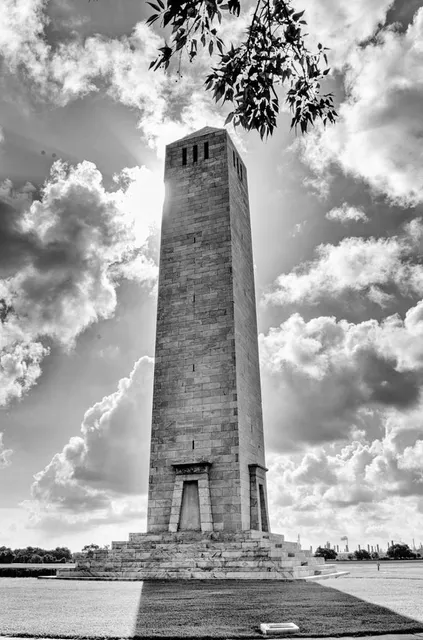
When you pass through the gates to the Battlefield the first thing you will see is the Chalmette Monument, the battlefield's 100-foot-high obelisk. It is only open on Friday and Saturday (9:00 -3:30 pm). You can climb the stairs to the top viewing platform.
You can take a self guided walking or driving tour (with convenient pull offs) of the grounds. There are signs with historic information that will guide you along your way.
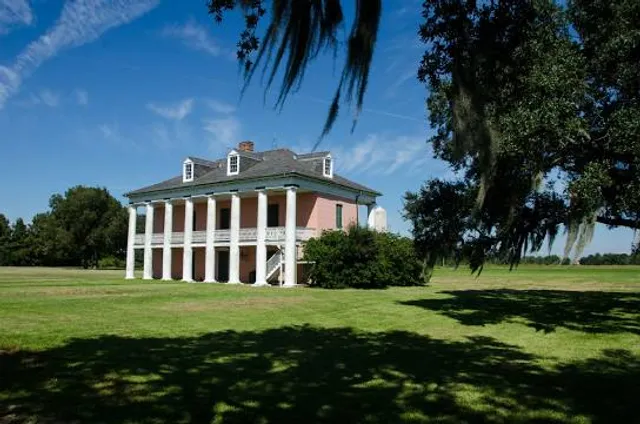
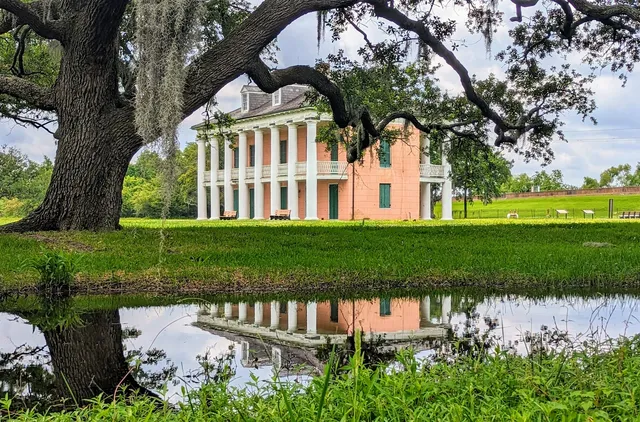
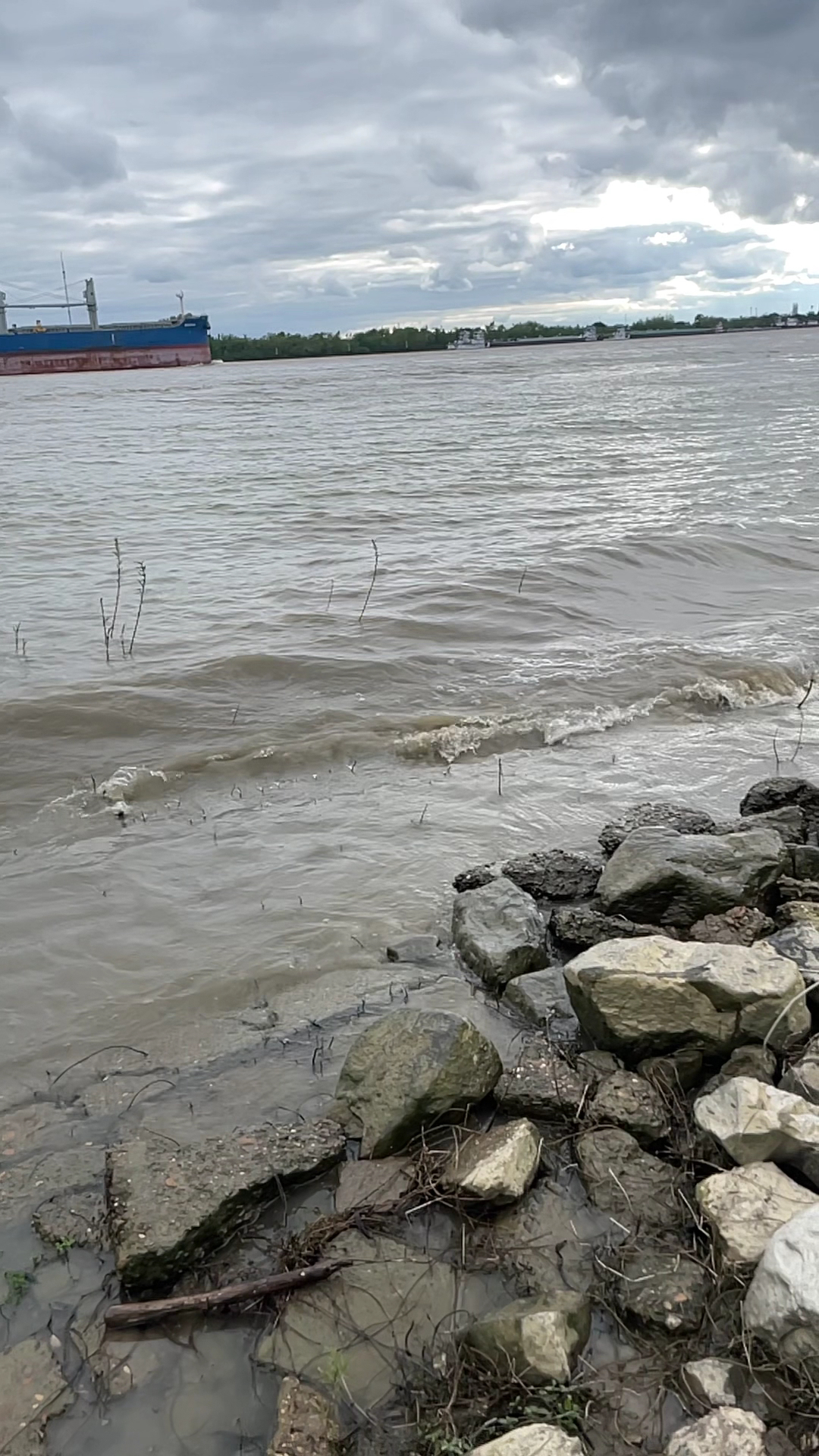
At the back of the site is the Malus-Beauregard House, an antebellum plantation. And you can walk on the other side of the levy to see the boat dock and Mississippi river.
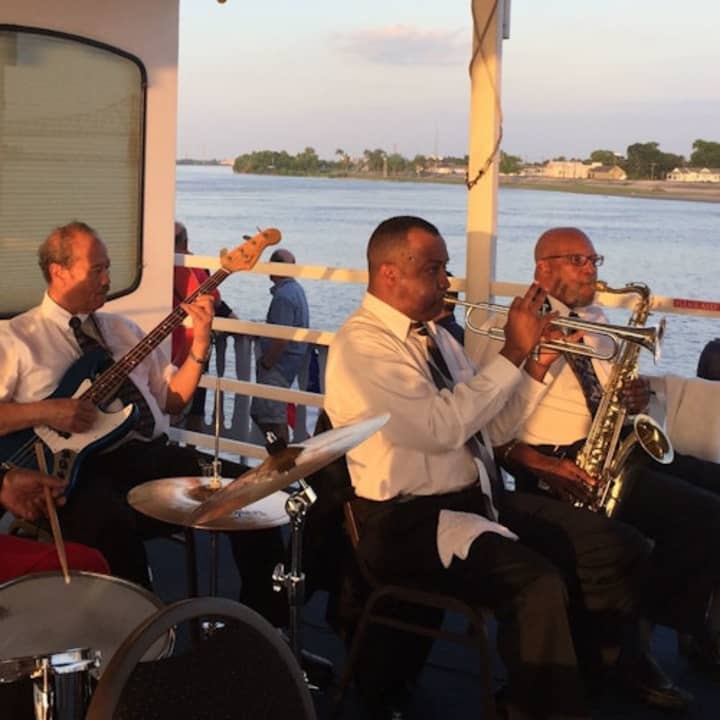
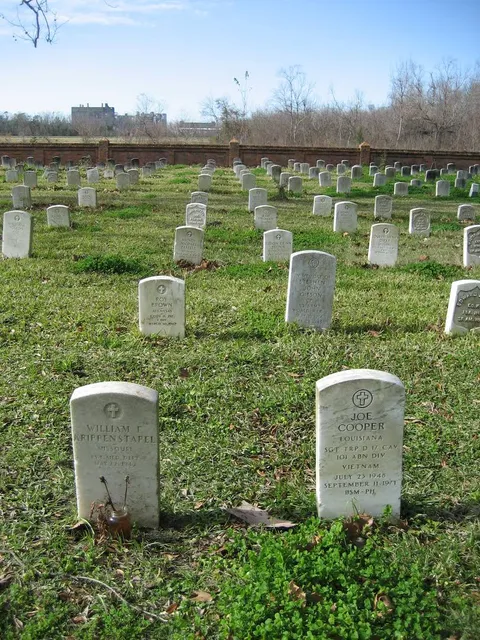
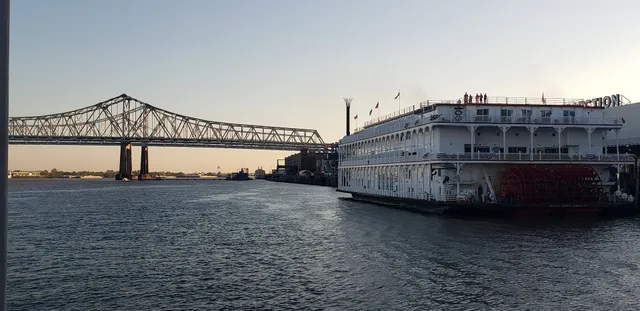
To access the park you can take the paddle wheeler Creole Queen from New Orleans' French Quarter to the battlefield. Next to the battlefield is the Chalmette National Cemetery which was established in May 1864. Here lay Union soldiers who died in Louisiana during the Civil War, veterans of the Spanish-American War, World Wars I and II, and the Vietnam War. Four Americans who fought in the War of 1812 are buried here, though only one of them took part in the Battle of...
Read moreThe pirate and his soldiers fought in the battle of 1812 until they triumphed and buried their dead in this camp,
Jean Lafitte (c. 1780 – c. 1823) was a French pirate and privateer in the Gulf of Mexico in the early 19th century. He and his elder brother, Pierre, spelled their last name Laffite, but English-language documents of the time used "Lafitte". The latter has become the common spelling in the United States, including for places named after him.[1]
Lafitte is believed to have been born either in Basque-France or the French colony of Saint-Domingue. By 1805, he operated a warehouse in New Orleans to help disperse the goods smuggled by his brother Pierre Lafitte. After the United States government passed the Embargo Act of 1807, the Lafittes moved their operations to an island in Barataria Bay, Louisiana. By 1810, their new port was very successful; the Lafittes had a profitable smuggling operation and also started to engage in piracy.
Though Lafitte warned the other Baratarians of a possible military attack on their base of operations, a United States naval force successfully invaded in September 1814 and captured most of Lafitte's fleet. Later, in return for a legal pardon for the smugglers, Lafitte and his comrades helped General Andrew Jackson defend New Orleans from the British in the final battle of the War of 1812.
The Lafittes became spies for the Spanish during the Mexican War of Independence and moved to Galveston Island, Texas, where they developed a pirate colony they called Campeche. Lafitte continued attacking merchant ships as a pirate around Central American ports until he died circa 1823, trying to capture Spanish vessels. Speculation about his life and death continues...
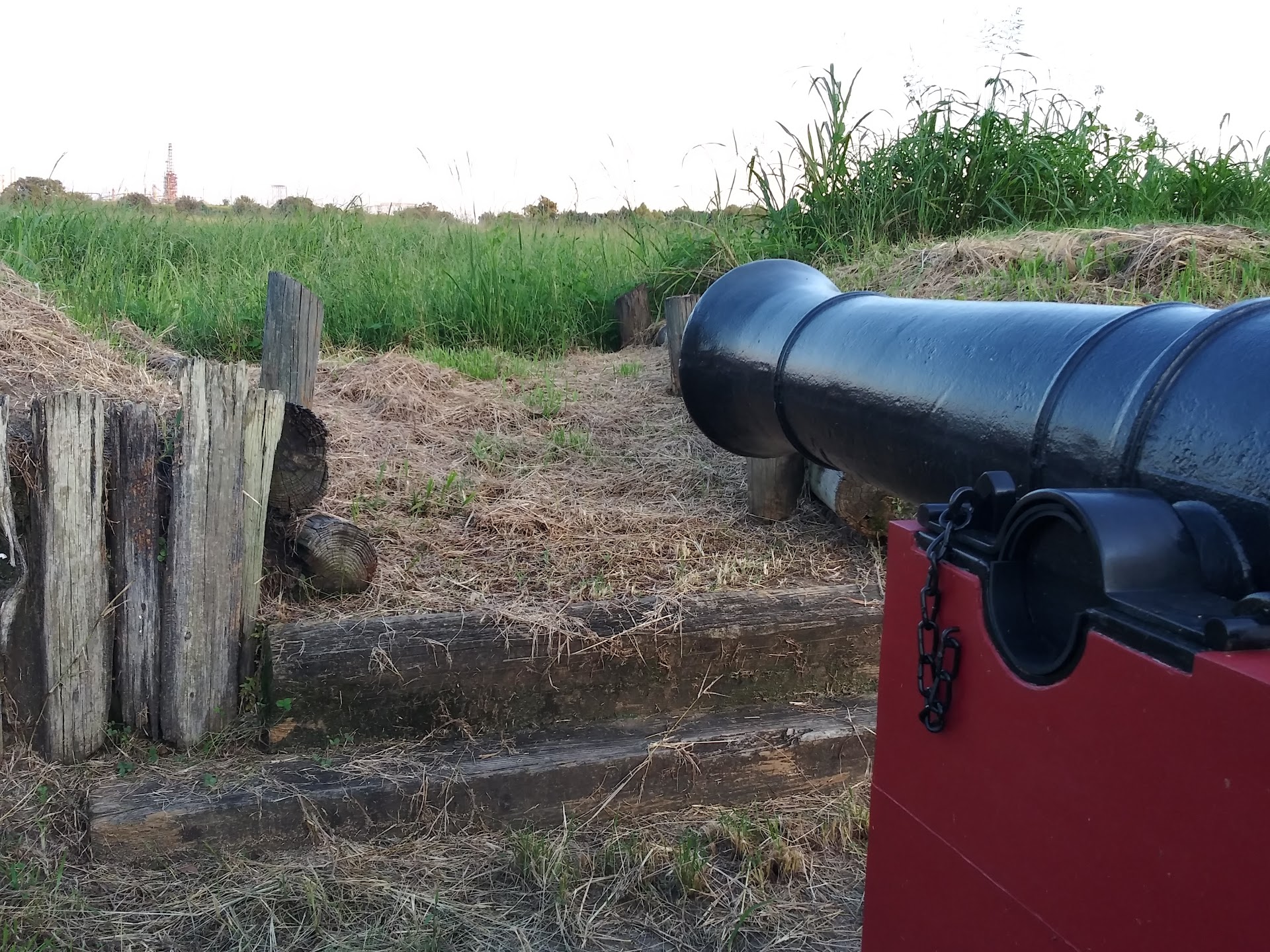
Read moreThis is a smaller battlefield than other historic sites, but it is incredibly informative. The visitor center is small but contains a great deal of information which gives context about the War of 1812, and the role of the Battle of New Orleans in the role and in greater American history. The center contains helpful information about the whole battle plan of both the British and American coalition troops and the surrounding contexts. There is a neat obelisk monument outside and a graveyard beside the battlefield with an audio tour of interesting headphones. The American defensive rampart has been partially recreated outside with cannon in their proper locations and plenty of signs that work in tandem with the information in the visitors center museum to explain who was where during the battle. The battlefield is drive-able with several signs which explain the British positions during the battle and what was going on their side. There is also a neat plantation house, and, although you can’t go inside, it’s very pretty. The rangers at the front desk were friendly, helpful, and able to answer my questions informatively. I’d highly recommend this site to anyone interested in American or...
Read more