Fort Miles Battery 223 things to do, attractions, restaurants, events info and trip planning
Basic Info
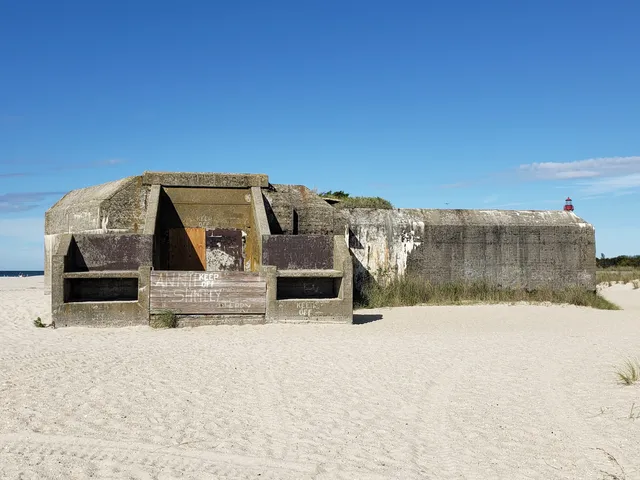
Fort Miles Battery 223
Cape May, NJ 08204
4.5(126)
Open 24 hours
Save
spot
spot
Ratings & Description
Info
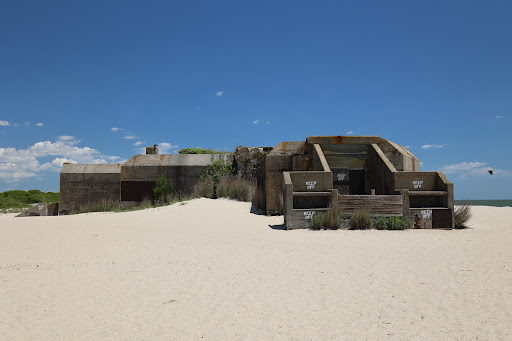
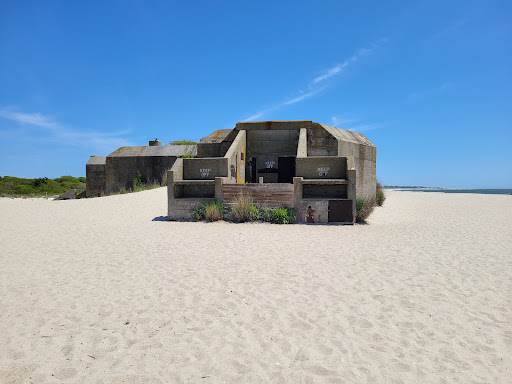
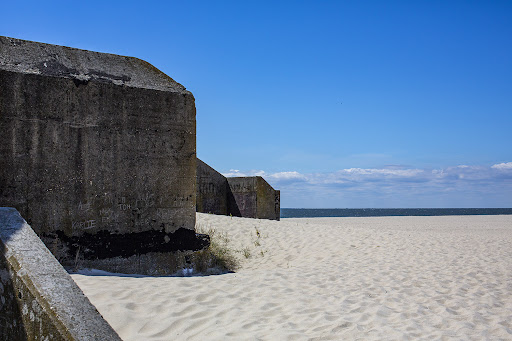
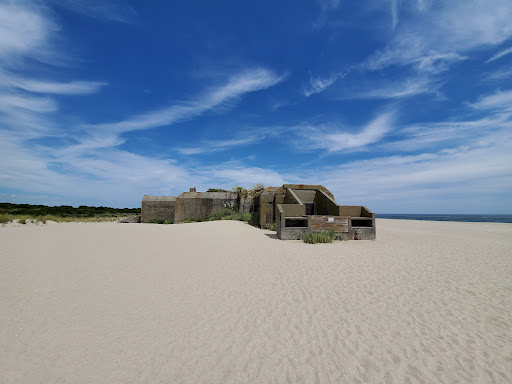
Battery 223 is in Lower Township, Cape May County, New Jersey, United States. The harbor defense battery was completed in 1943. It was added to the National Register of Historic Places on June 25, 2008.
Cultural
Family friendly
attractions: Cape May Lighthouse, Cape May Point State Park, restaurants: , local businesses: Cape May Lighthouse, Cape May Point Arts and Science Center
 Learn more insights from Wanderboat AI.
Website
fortmiles.org
Plan your stay

Pet-friendly Hotels in Lower Township
Find a cozy hotel nearby and make it a full experience.

Affordable Hotels in Lower Township
Find a cozy hotel nearby and make it a full experience.

The Coolest Hotels You Haven't Heard Of (Yet)
Find a cozy hotel nearby and make it a full experience.

Trending Stays Worth the Hype in Lower Township
Find a cozy hotel nearby and make it a full experience.
Reviews
Live events

Rehoboth Beach - Lets Do Trivia! @ Arenas Deli & Bar
Tue, Jan 27 • 7:00 PM
149 Rehoboth Avenue, Rehoboth Beach, DE 19971
View details

Signs of Winter: Nature Sensory Stroll
Sat, Jan 31 • 9:00 AM
1600 Delaware Ave, Cape May, NJ 08204
View details

CAMILLE PERUTO
Tue, Jan 27 • 5:00 PM
127 W Rio Grande Ave, Wildwood NJ 08260, Wildwood, NJ, United States, New Jersey 08260
View details
Nearby attractions of Fort Miles Battery 223
Cape May Lighthouse
Cape May Point State Park
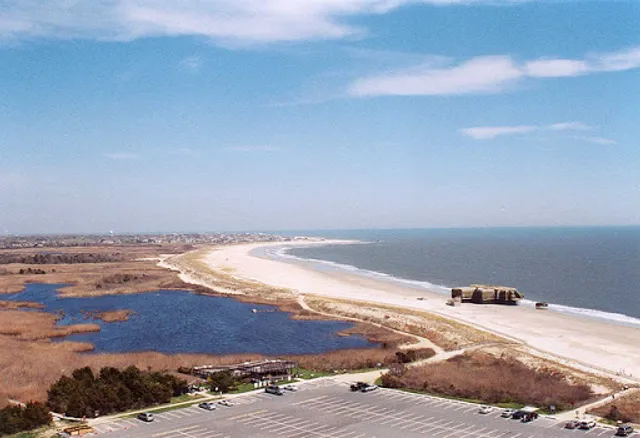
Cape May Lighthouse
4.7
(2.9K)
Open until 12:00 AM
Click for details

Cape May Point State Park
4.8
(2.1K)
Open until 8:00 PM
Click for details
Nearby local services of Fort Miles Battery 223
Cape May Lighthouse
Cape May Point Arts and Science Center
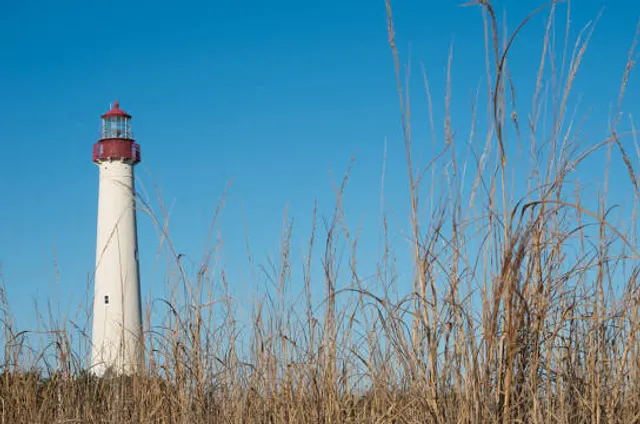
Cape May Lighthouse
4.7
(2.5K)
Click for details
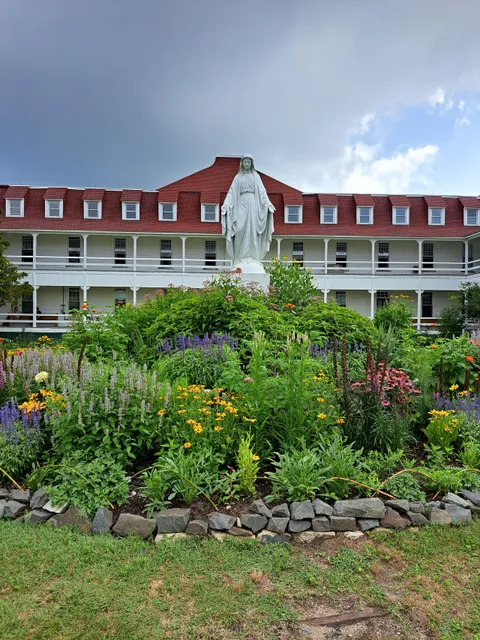
Cape May Point Arts and Science Center
4.4
(24)
Click for details