National Ranching Heritage Center things to do, attractions, restaurants, events info and trip planning
Basic Info
National Ranching Heritage Center
3121 4th St, Lubbock, TX 79409
4.8(195)
Open until 5:00 PM
Save
spot
spot
Ratings & Description
Info
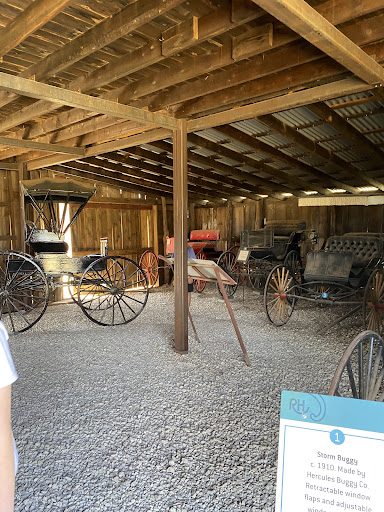
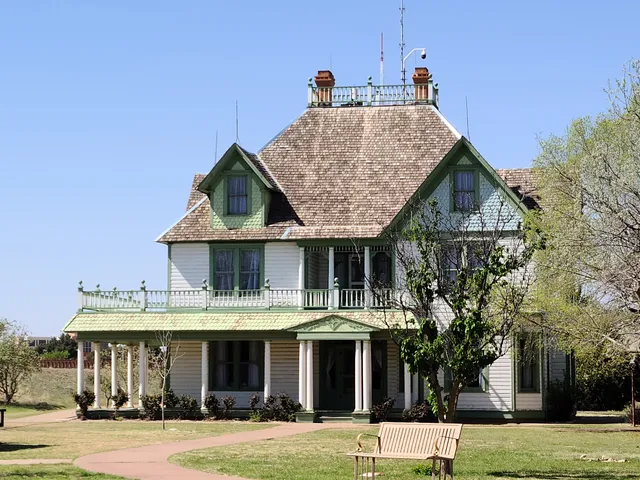
The National Ranching Heritage Center, a museum of ranching history, is located on the campus of Texas Tech University in Lubbock, Texas. The NRHC features over fifty authentic ranching structures dating from the late 18th to the mid-20th century.
Cultural
Outdoor
Family friendly
Accessibility
attractions: Museum of Texas Tech University, Rawls College of Business, Livermore Center, Edward E. Whitacre Jr. College of Engineering, Experimental Sciences Building 1, TTU, restaurants: Blue Sky Texas, Jumbo Joe's Burgers, Bar EO, Chick-fil-A, Joel's Restaurant, Einstein Bros. Bagels, Ground Zero, local businesses: Helen DeVitt Jones Sculpture Court and Event Center, TTU Office of International Affairs (OIA), Texas Tech University Student Health Services, Texas Tech University Health Sciences Center, Dan Law Field at Rip Griffin Park, The Market at Stangel, Raider Red Meats, Marsha Sharp Center for Student-Athletics, Electrical Engineering Stockroom
 Learn more insights from Wanderboat AI.
Phone
(806) 742-0498
Website
ranchingheritage.org
Open hoursSee all hours
Sun1 - 5 PMOpen
Plan your stay

Pet-friendly Hotels in Lubbock
Find a cozy hotel nearby and make it a full experience.

Affordable Hotels in Lubbock
Find a cozy hotel nearby and make it a full experience.

The Coolest Hotels You Haven't Heard Of (Yet)
Find a cozy hotel nearby and make it a full experience.

Trending Stays Worth the Hype in Lubbock
Find a cozy hotel nearby and make it a full experience.
Reviews
Live events

Rawls CGE: Study Abroad First Step Session
Wed, Jan 28 • 3:00 PM
703 Flint Ave Lubbock, TX 79409
View details
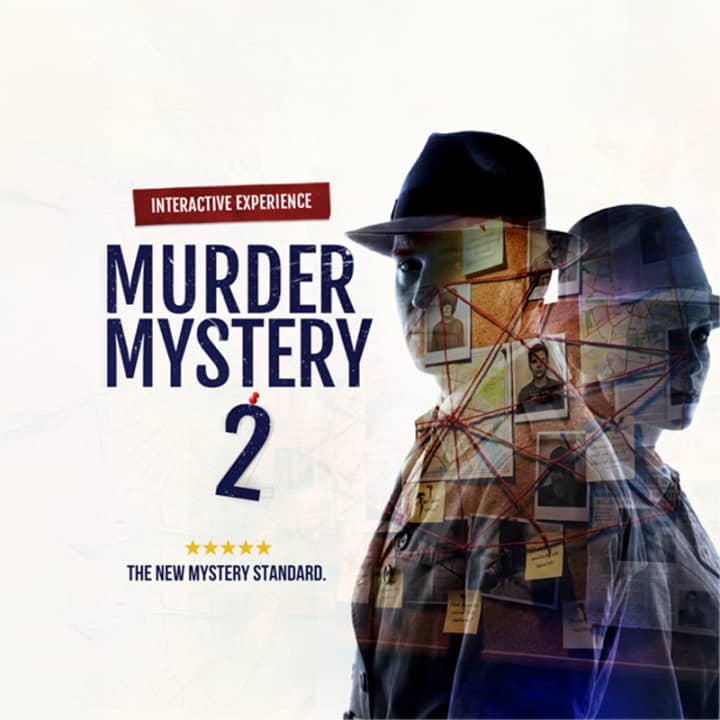
Lubbock Murder Mystery 2: Crime on Date Night!
Thu, Jan 1 • 12:00 AM
1401 Avenue L, Lubbock, TX, 79401
View details

Winter Field Day 2026
Sat, Jan 24 • 10:00 AM
719 Main St, Lubbock, TX 79401, United States
View details
Nearby attractions of National Ranching Heritage Center
Museum of Texas Tech University
Rawls College of Business
Livermore Center
Edward E. Whitacre Jr. College of Engineering
Experimental Sciences Building 1, TTU
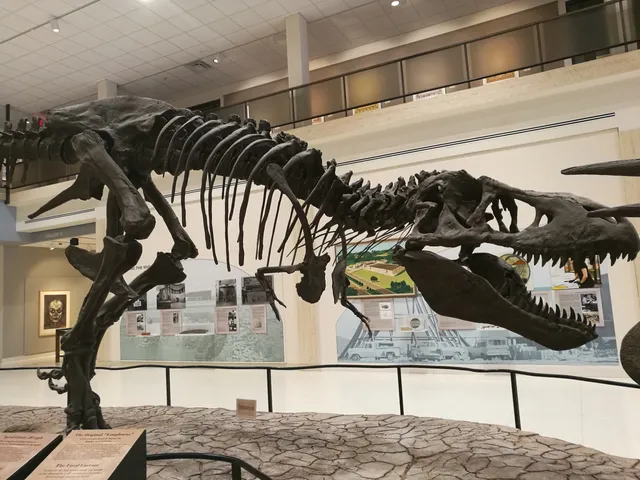
Museum of Texas Tech University
4.7
(646)
Open until 5:00 PM
Click for details
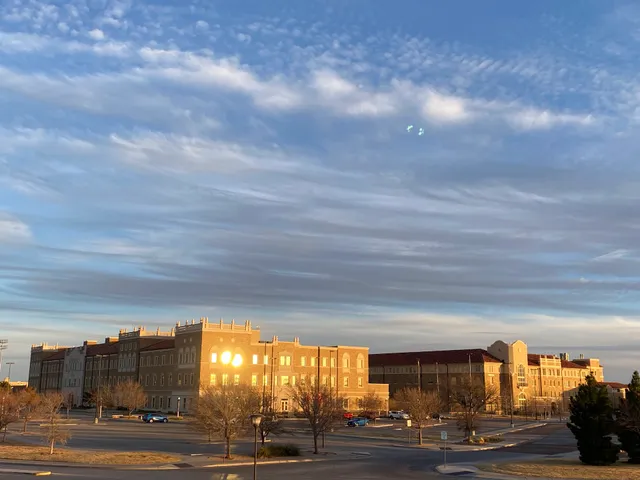
Rawls College of Business
4.5
(27)
Open until 12:00 AM
Click for details
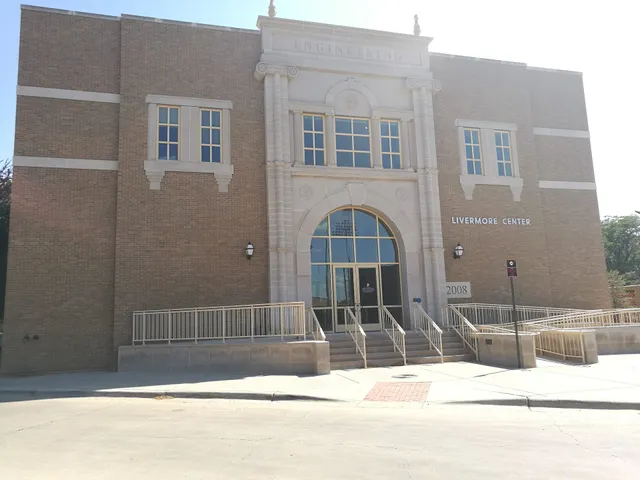
Livermore Center
4.8
(13)
Open 24 hours
Click for details
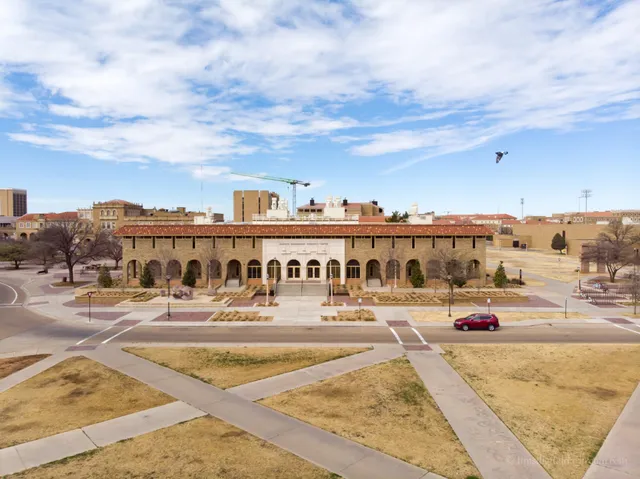
Edward E. Whitacre Jr. College of Engineering
4.6
(15)
Open until 12:00 AM
Click for details
Nearby restaurants of National Ranching Heritage Center
Blue Sky Texas
Jumbo Joe's Burgers
Bar EO
Chick-fil-A
Joel's Restaurant
Einstein Bros. Bagels
Ground Zero
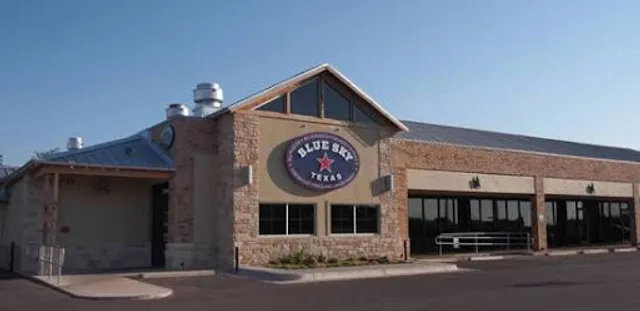
Blue Sky Texas
4.4
(776)
$
Open until 12:00 AM
Click for details
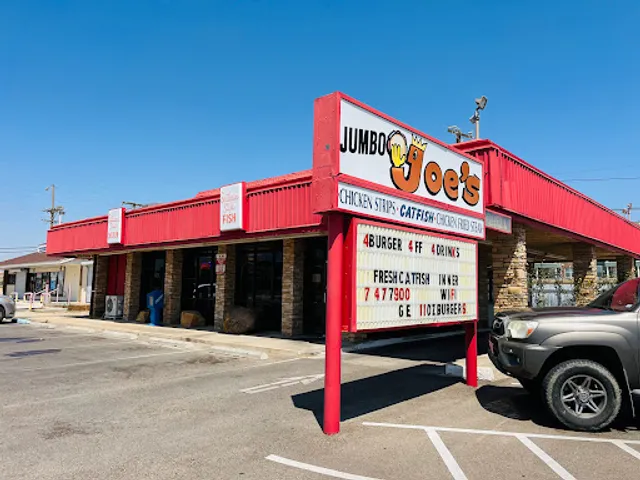
Jumbo Joe's Burgers
4.3
(568)
$
Open until 10:00 PM
Click for details
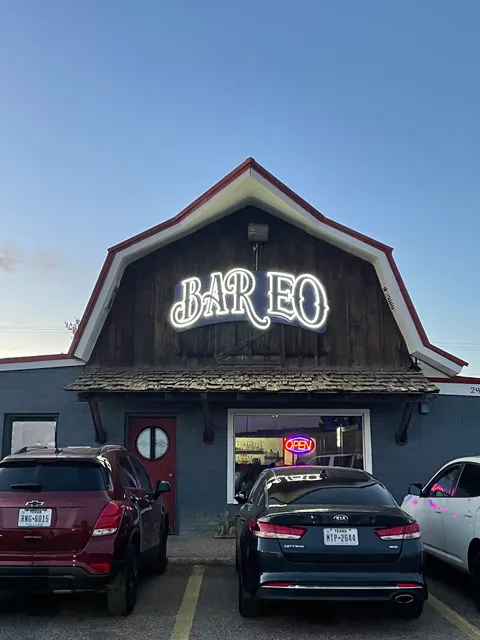
Bar EO
4.4
(19)
$$
Open until 2:00 AM
Click for details
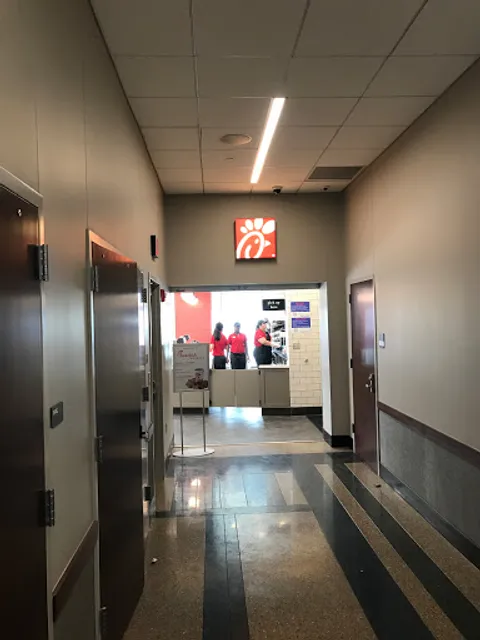
Chick-fil-A
4.1
(40)
$
Click for details
Nearby local services of National Ranching Heritage Center
Helen DeVitt Jones Sculpture Court and Event Center
TTU Office of International Affairs (OIA)
Texas Tech University Student Health Services
Texas Tech University Health Sciences Center
Dan Law Field at Rip Griffin Park
The Market at Stangel
Raider Red Meats
Marsha Sharp Center for Student-Athletics
Electrical Engineering Stockroom
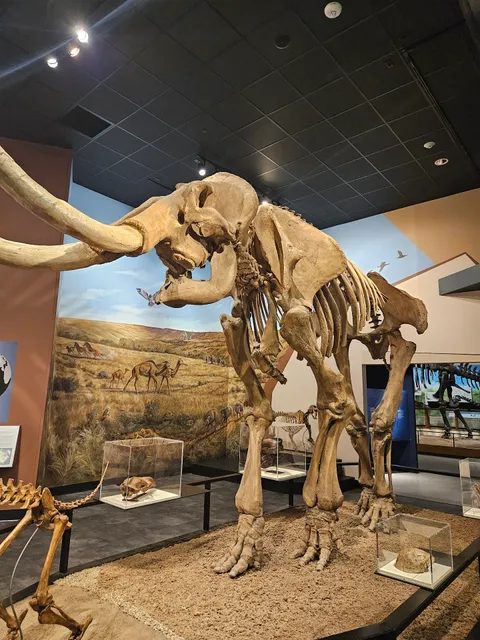
Helen DeVitt Jones Sculpture Court and Event Center
4.7
(10)
Click for details
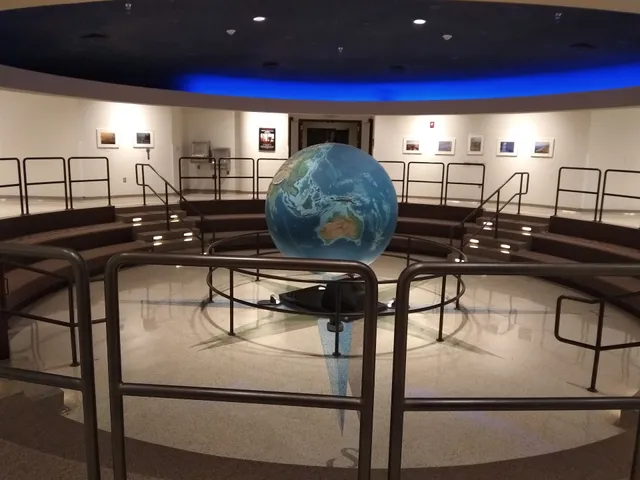
TTU Office of International Affairs (OIA)
4.2
(33)
Click for details
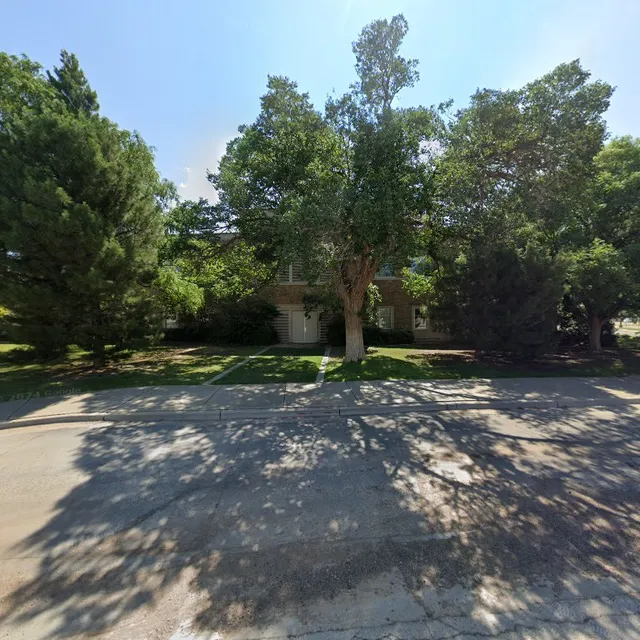
Texas Tech University Student Health Services
4.9
(374)
Click for details
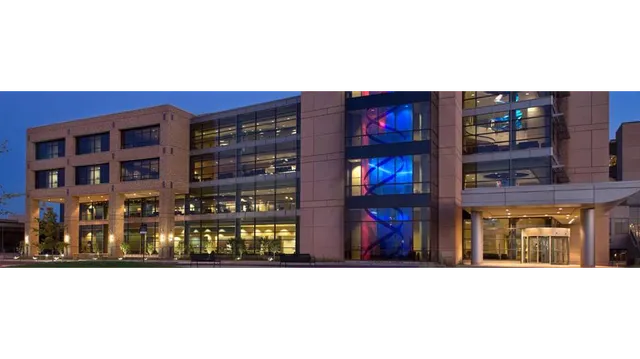
Texas Tech University Health Sciences Center
4.2
(115)
Click for details