Verrazzano-Narrows Bridge things to do, attractions, restaurants, events info and trip planning
Basic Info
Verrazzano-Narrows Bridge
Verrazzano-Narrows Brg, Staten Island, NY
4.3(1.5K)
Open 24 hours
Save
spot
spot
Ratings & Description
Info
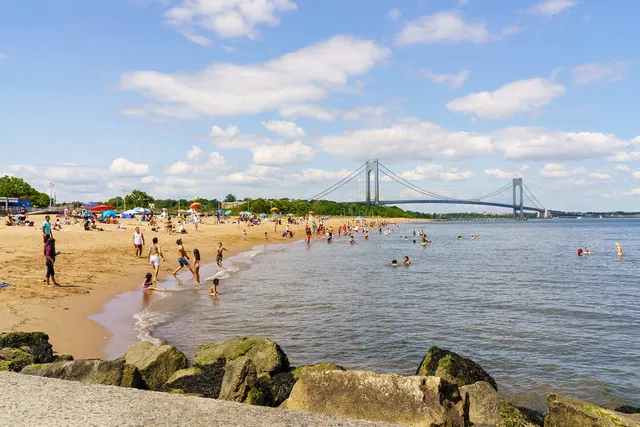
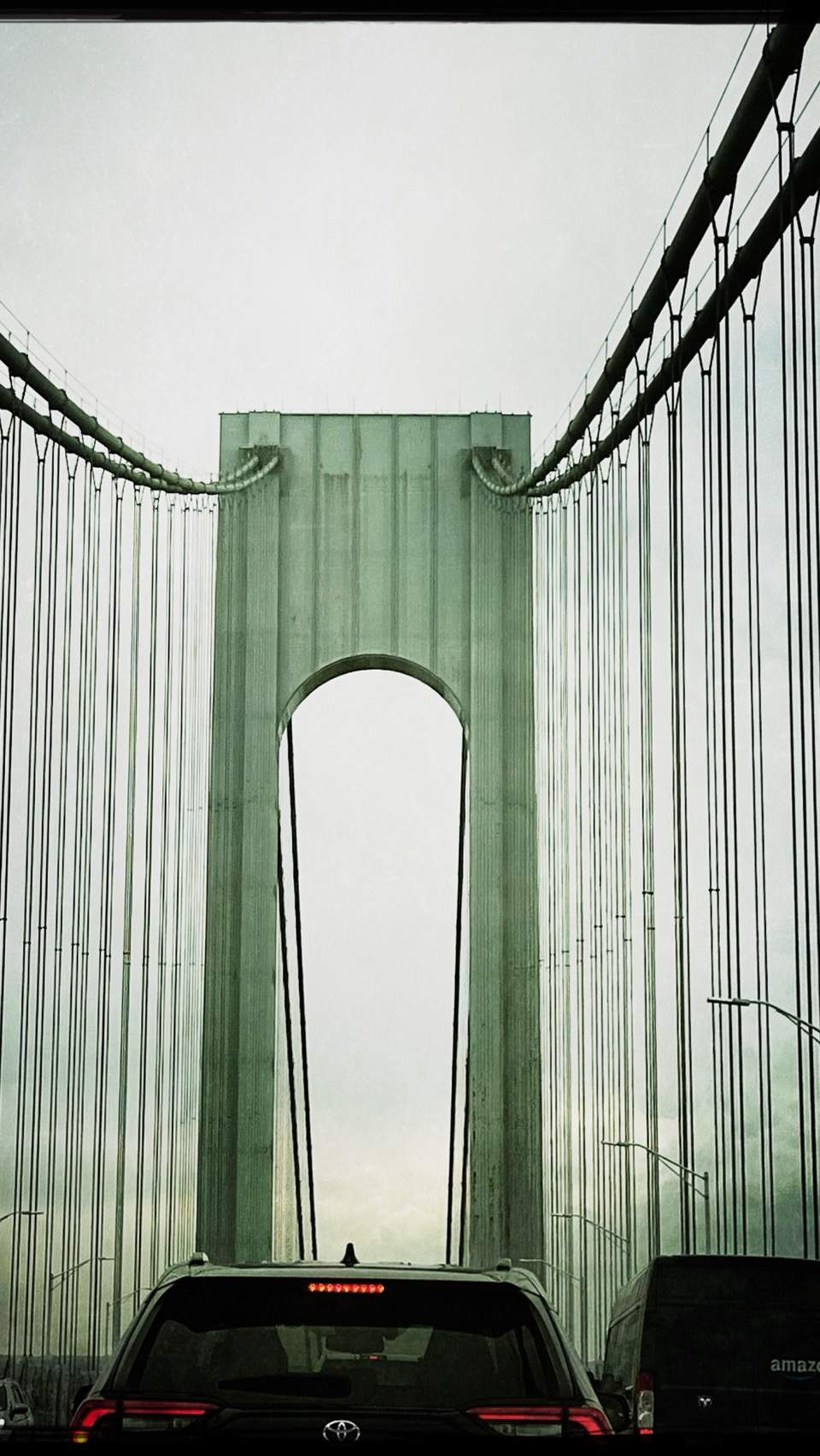
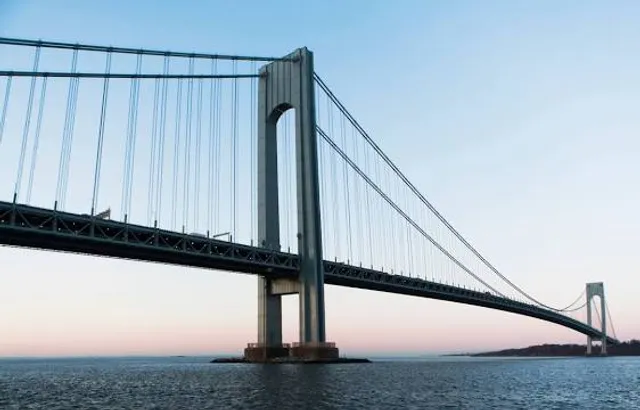
The Verrazzano-Narrows Bridge is a suspension bridge connecting the New York City boroughs of Staten Island and Brooklyn. It spans the Narrows, a body of water linking the relatively enclosed New York Harbor with Lower New York Bay and the Atlantic Ocean. It is the only fixed crossing of the Narrows.
Outdoor
Accessibility
attractions: Bay Ridge Promenade (Start), Battery Weed, Frank Decolvenaere Dog Run, restaurants: , local businesses: 1/2 Price Movers Staten Island, Hands For Bodywork Massage Therapy, Air Rescue NY, Larry Fireplace and Chimney, Avenue Locks, FleetRefresh | Mobile Detailing & Vehicle Protection, All Purpose Sewer & Drains Corp, GYMGUYZ Brooklyn & Staten Island, NY, The Mob Wash, S.I. Car for Cash
 Learn more insights from Wanderboat AI.
Phone
(212) 360-3000
Website
nyc.gov
Plan your stay

Pet-friendly Hotels in New York
Find a cozy hotel nearby and make it a full experience.

Affordable Hotels in New York
Find a cozy hotel nearby and make it a full experience.

The Coolest Hotels You Haven't Heard Of (Yet)
Find a cozy hotel nearby and make it a full experience.

Trending Stays Worth the Hype in New York
Find a cozy hotel nearby and make it a full experience.
Reviews
Live events
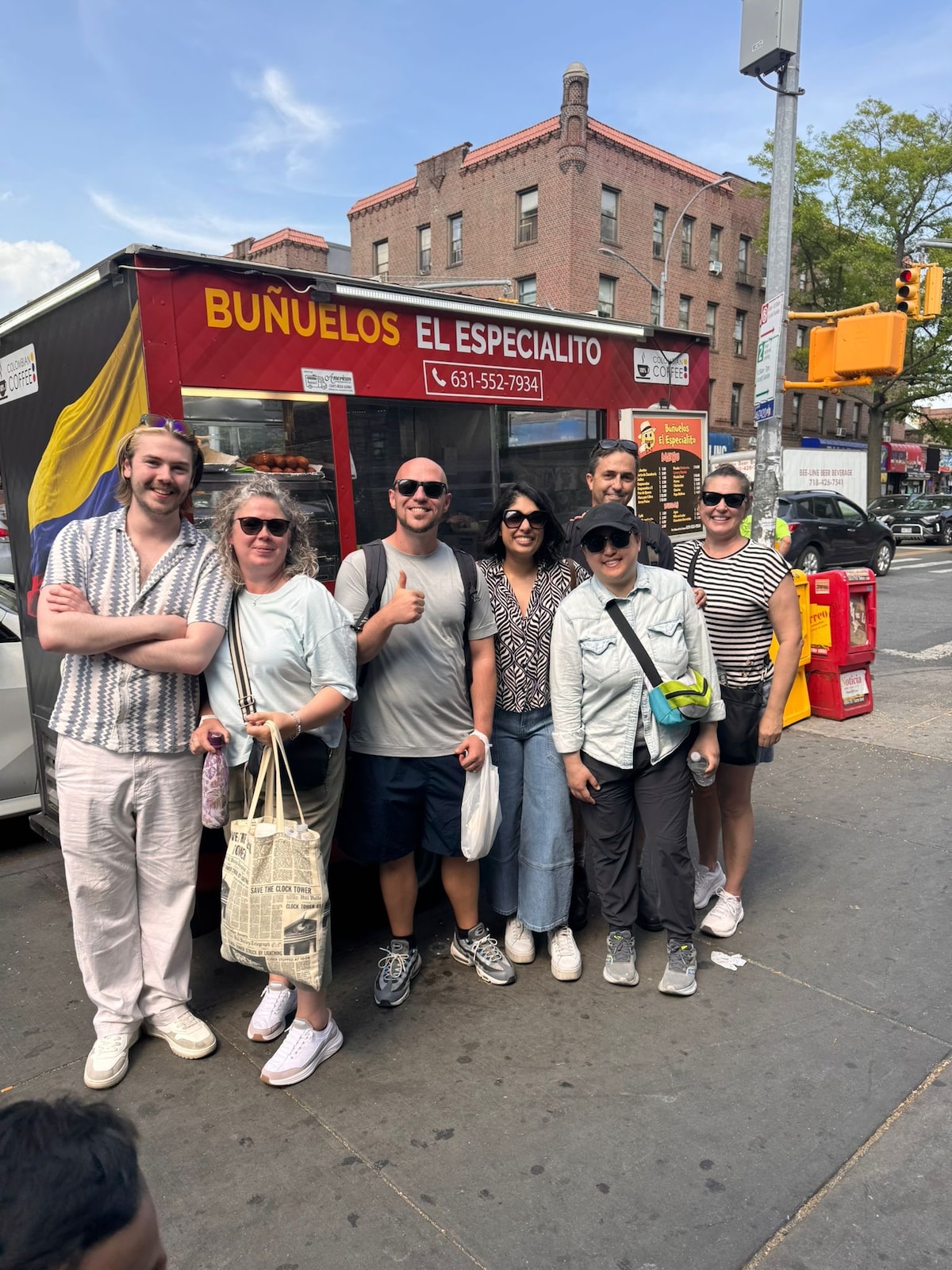
Taste New York street food with a native guide
Fri, Feb 27 • 1:00 PM
Queens, New York, 11372
View details

MACKAGE SAMPLE SALE - NEW YORK
Tue, Feb 24 • 8:00 AM
125 West 18th Street New York, NY 10011
View details

Fine Whine: Pop Up @ HCCC
Fri, Feb 27 • 4:00 PM
161 Newkirk Street Jersey City, NJ 07306
View details
Nearby attractions of Verrazzano-Narrows Bridge
Bay Ridge Promenade (Start)
Battery Weed
Frank Decolvenaere Dog Run
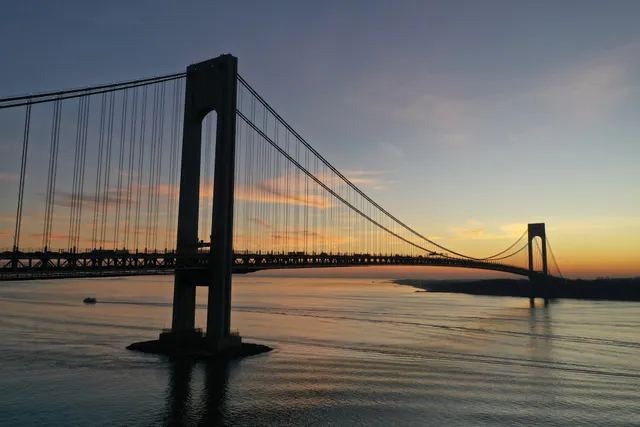
Bay Ridge Promenade (Start)
4.7
(368)
Open until 12:00 AM
Click for details
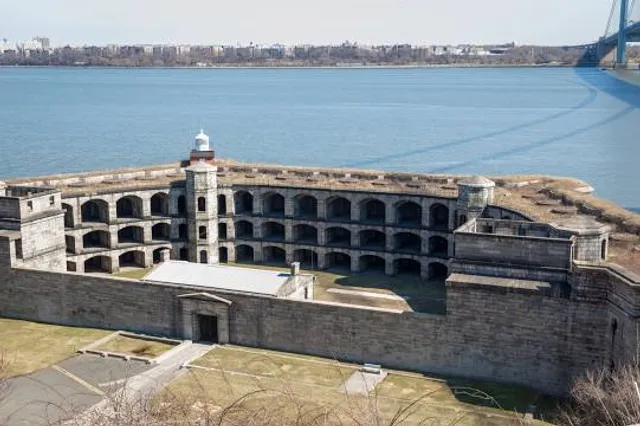
Battery Weed
4.6
(100)
Open 24 hours
Click for details
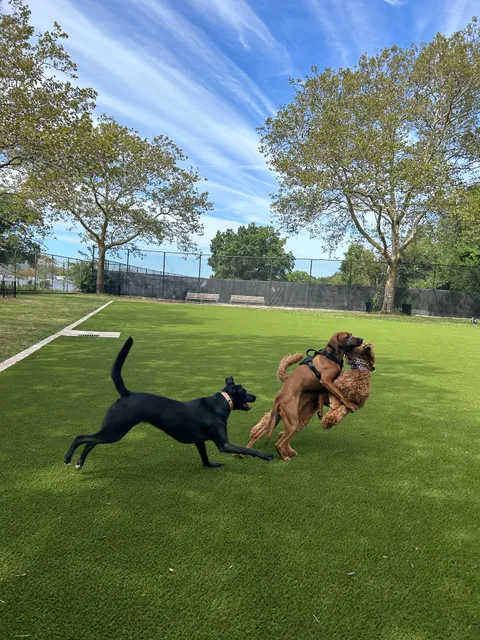
Frank Decolvenaere Dog Run
4.8
(10)
Open until 9:00 PM
Click for details
Nearby local services of Verrazzano-Narrows Bridge
1/2 Price Movers Staten Island
Hands For Bodywork Massage Therapy
Air Rescue NY
Larry Fireplace and Chimney
Avenue Locks
FleetRefresh | Mobile Detailing & Vehicle Protection
All Purpose Sewer & Drains Corp
GYMGUYZ Brooklyn & Staten Island, NY
The Mob Wash
S.I. Car for Cash

1/2 Price Movers Staten Island
4.9
(930)
Click for details

Hands For Bodywork Massage Therapy
4.9
(64)
Click for details
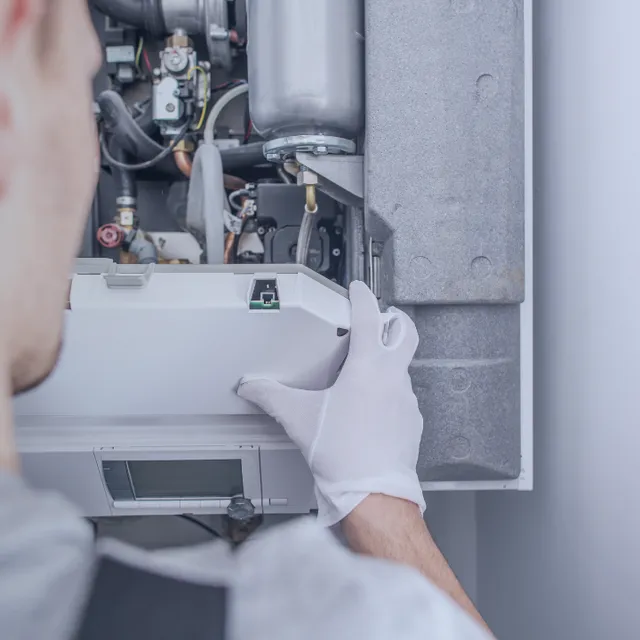
Air Rescue NY
4.2
(64)
Click for details
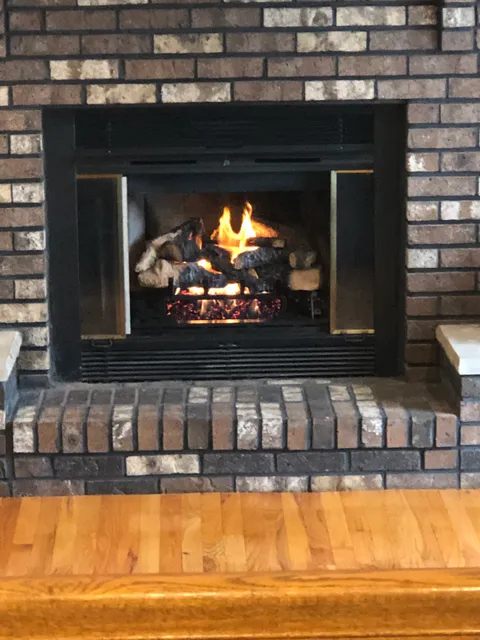
Larry Fireplace and Chimney
4.6
(32)
Click for details