The Gamble House things to do, attractions, restaurants, events info and trip planning
Basic Info
The Gamble House
4 Westmoreland Pl, Pasadena, CA 91103
4.8(594)
Open until 12:00 AM
tickets
Save
spot
spot
Ratings & Description
Info
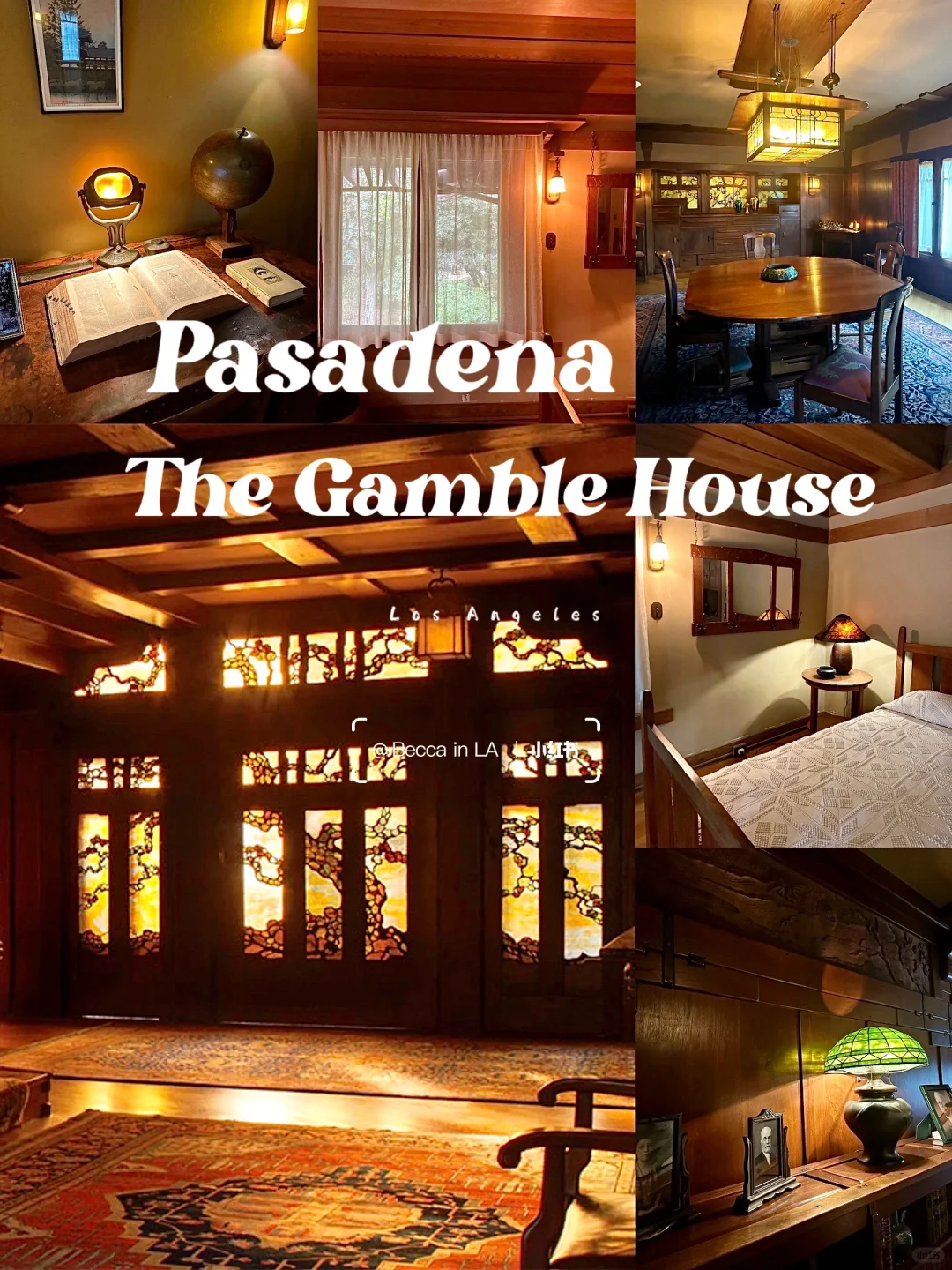
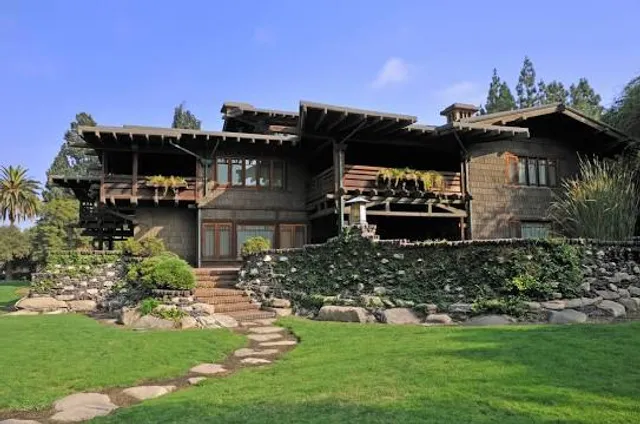
The Gamble House, also known as the David B. Gamble House, is an iconic American Craftsman home in Pasadena, California, designed by the architectural firm Greene and Greene.
Cultural
Scenic
attractions: Pasadena Museum of History, Brookside Park, The Pirate Park, Kidspace Children's Museum, Brookside Park Playground, Fenyes Mansion, Norton Simon Museum, Millard House, Urban Homestead, Colorado Street Bridge, restaurants: Dave's Chillin N Grillin, Garden Cafe at Norton Simon Museum, True Food Kitchen, Tartine Pasadena, Snowie Icy Desserts, The Kitchen Italian Cafe & Pizzeria, local businesses: Brookside Park, Rusnak INEOS Grenadier, Rolls-Royce Motor Cars Pasadena, Paper Source, Urban Outfitters, Rivian, Ambassador Mansions & Gardens, 2nd STREET Pasadena, lululemon, Free People
 Learn more insights from Wanderboat AI.
Phone
(626) 793-3334
Website
gamblehouse.org
Open hoursSee all hours
WedClosedOpen
Plan your stay

Pet-friendly Hotels in Pasadena
Find a cozy hotel nearby and make it a full experience.

Affordable Hotels in Pasadena
Find a cozy hotel nearby and make it a full experience.

The Coolest Hotels You Haven't Heard Of (Yet)
Find a cozy hotel nearby and make it a full experience.

Trending Stays Worth the Hype in Pasadena
Find a cozy hotel nearby and make it a full experience.
Reviews
Live events

Bubble Planet: An Immersive Experience in Los Angeles
Wed, Feb 25 • 9:30 AM
634 Mateo St. Los Angeles, CA, 90021
View details
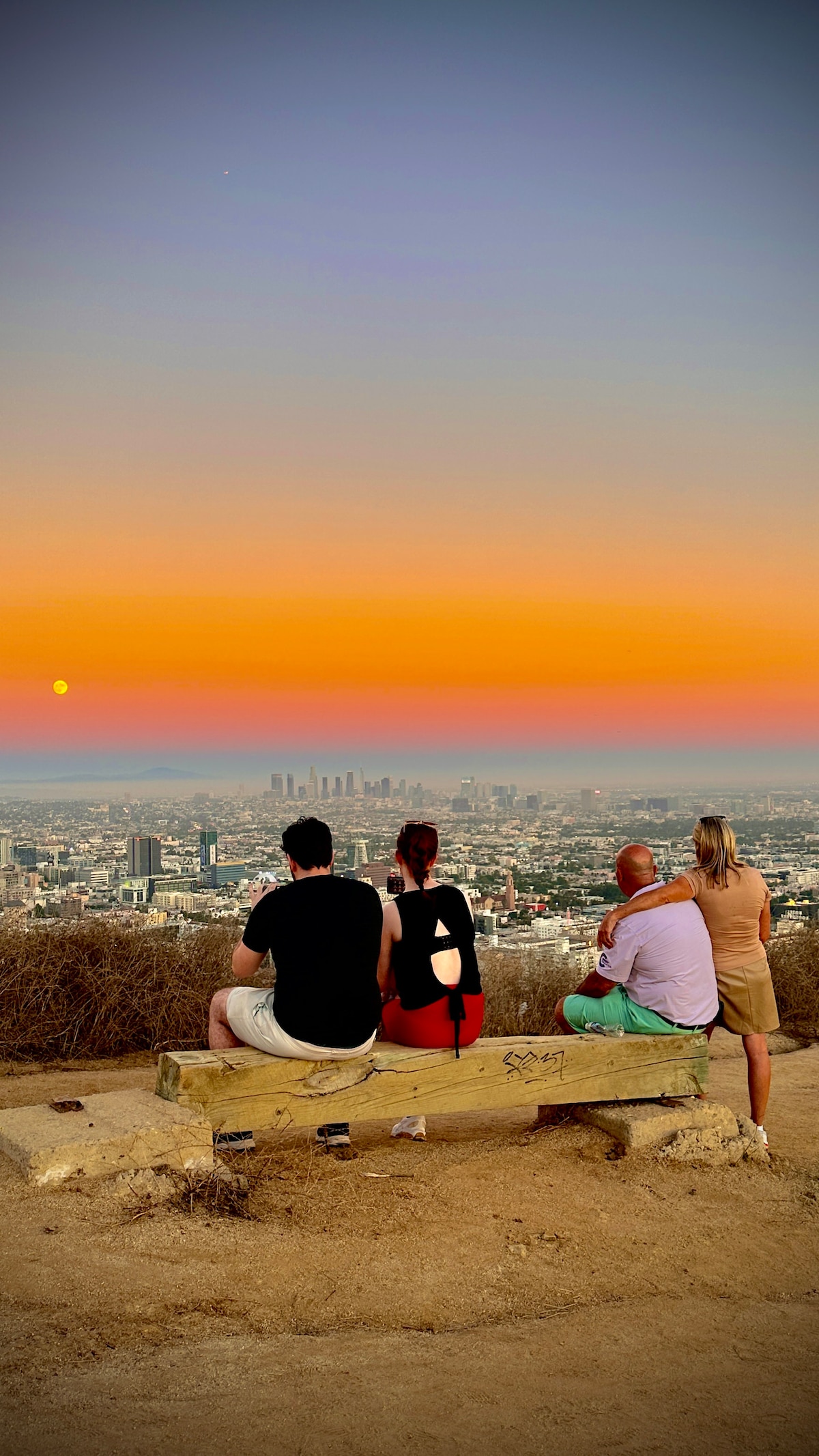
Hike into the Hollywood Hills for sunset views
Fri, Feb 27 • 5:00 PM
Los Angeles, California, 90028
View details

Screening & Talk: ‘Arshile Gorky. Horizon West’
Wed, Feb 25 • 6:00 PM
8980 Santa Monica Boulevard West Hollywood, CA 90069
View details
Nearby attractions of The Gamble House
Pasadena Museum of History
Brookside Park
The Pirate Park
Kidspace Children's Museum
Brookside Park Playground
Fenyes Mansion
Norton Simon Museum
Millard House
Urban Homestead
Colorado Street Bridge
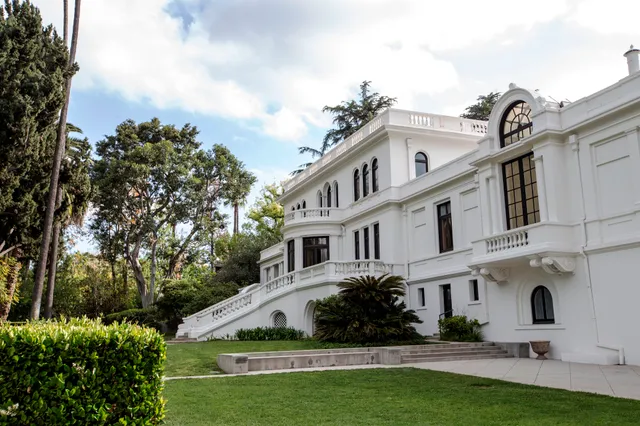
Pasadena Museum of History
4.4
(147)
Open until 12:00 AM
Click for details
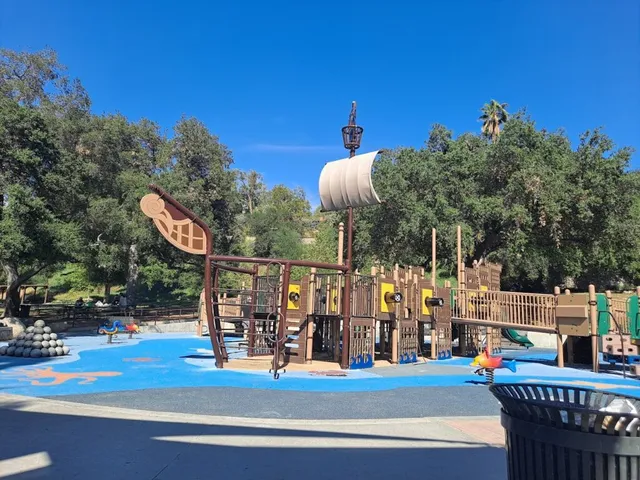
Brookside Park
4.7
(929)
Closed
Click for details
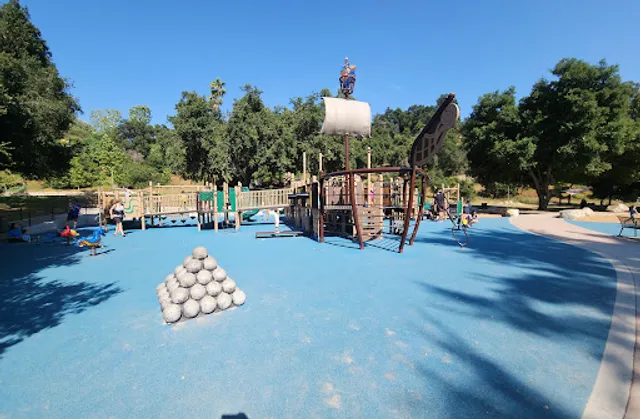
The Pirate Park
4.7
(34)
Open 24 hours
Click for details
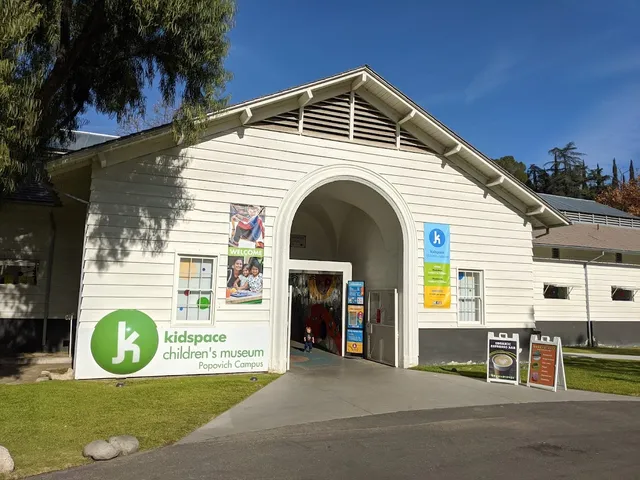
Kidspace Children's Museum
4.6
(1.3K)
Closed
Click for details
Nearby restaurants of The Gamble House
Dave's Chillin N Grillin
Garden Cafe at Norton Simon Museum
True Food Kitchen
Tartine Pasadena
Snowie Icy Desserts
The Kitchen Italian Cafe & Pizzeria
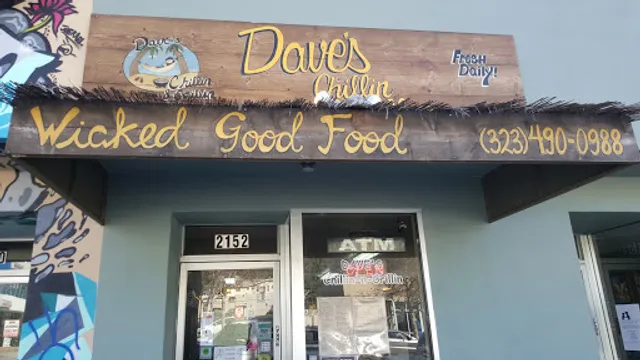
Dave's Chillin N Grillin
4.4
(66)
$
Closed
Click for details
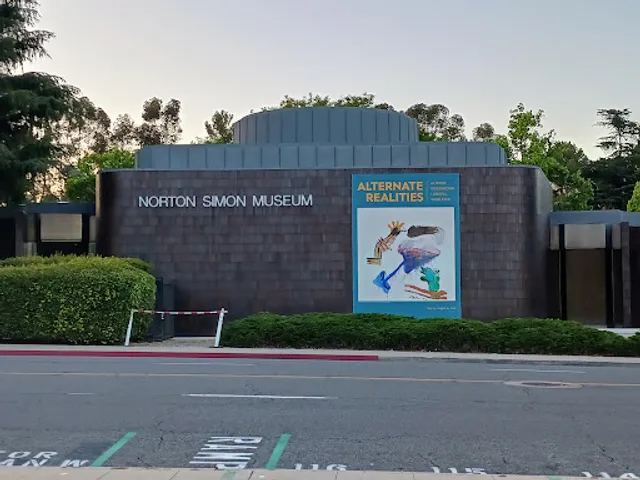
Garden Cafe at Norton Simon Museum
4.0
(20)
Open until 12:00 AM
Click for details
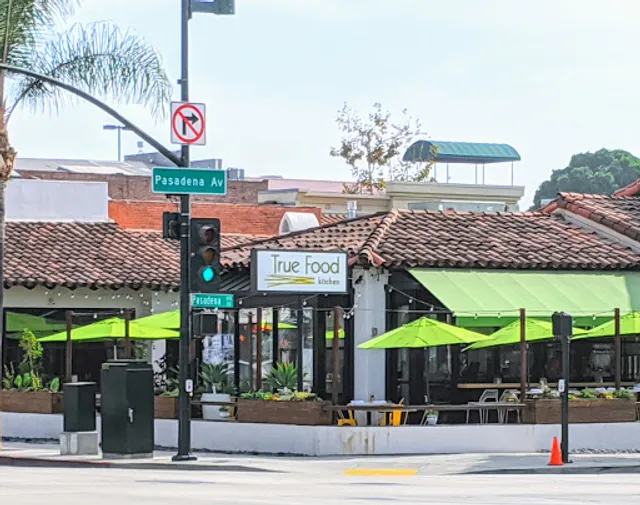
True Food Kitchen
4.4
(986)
$$
Closed
Click for details
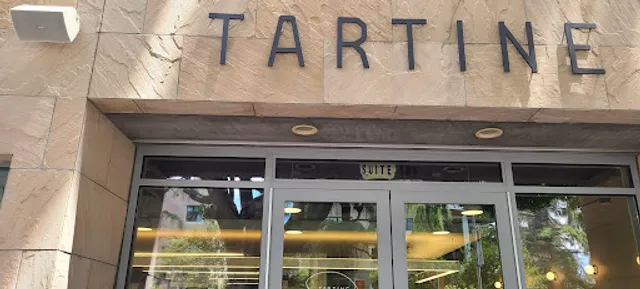
Tartine Pasadena
4.2
(92)
$
Closed
Click for details
Nearby local services of The Gamble House
Brookside Park
Rusnak INEOS Grenadier
Rolls-Royce Motor Cars Pasadena
Paper Source
Urban Outfitters
Rivian
Ambassador Mansions & Gardens
2nd STREET Pasadena
lululemon
Free People
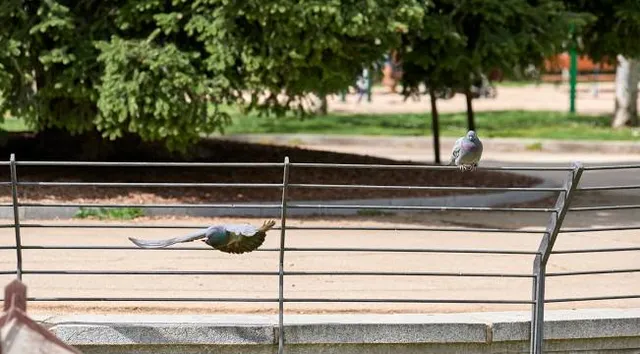
Brookside Park
4.7
(781)
Click for details
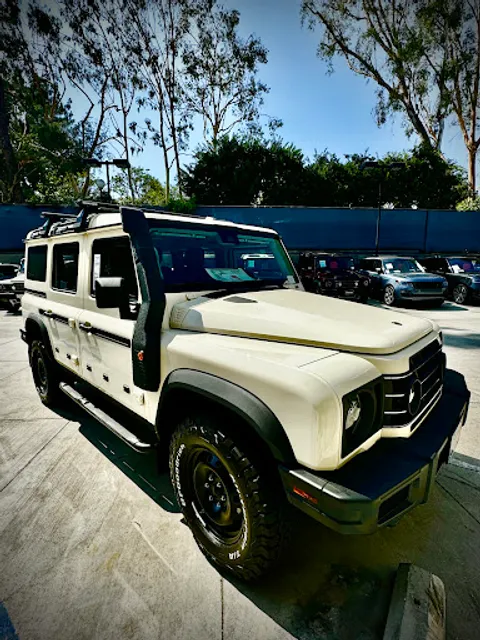
Rusnak INEOS Grenadier
4.8
(134)
Click for details
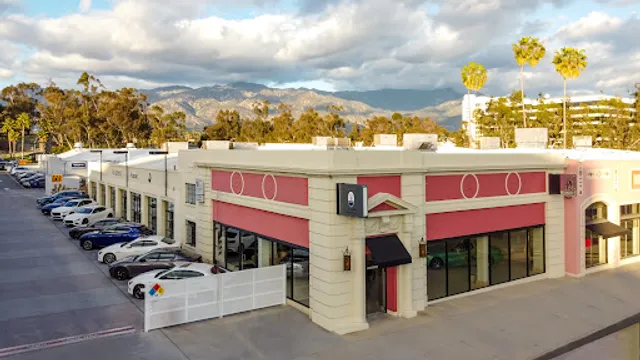
Rolls-Royce Motor Cars Pasadena
4.6
(37)
Click for details
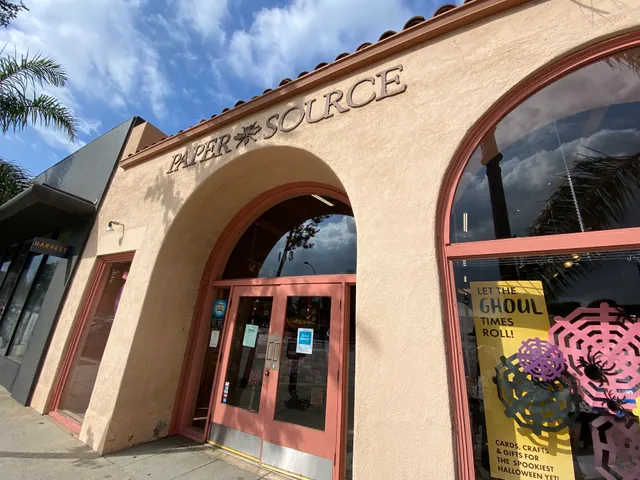
Paper Source
4.5
(89)
Click for details