Calaveras County Museum and Historical Society things to do, attractions, restaurants, events info and trip planning

Basic Info
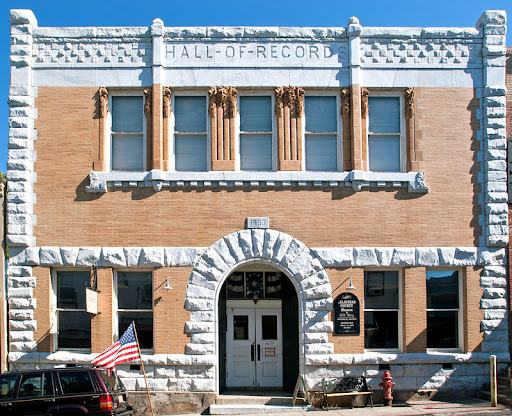
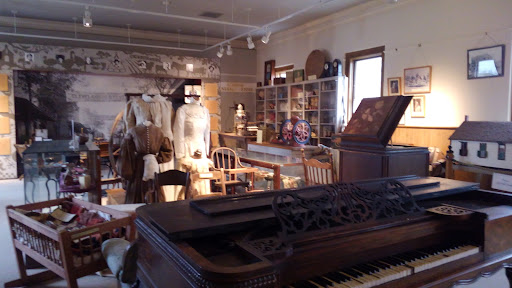
Calaveras County Museum and Historical Society
30 Main St, San Andreas, CA 95249
4.7(40)
Open 24 hours
Save
spot
spot
Ratings & Description
Info
Cultural
Family friendly
Accessibility
attractions: Historic Calaveras County Courthouse, Calaveras County Historical Society Museum, restaurants: Hong Kong Inn, Pizza Factory
 Learn more insights from Wanderboat AI.
Phone
(209) 754-1058
Website
historicalcalaveras.com
Plan your stay

Pet-friendly Hotels in San Andreas
Find a cozy hotel nearby and make it a full experience.

Affordable Hotels in San Andreas
Find a cozy hotel nearby and make it a full experience.

The Coolest Hotels You Haven't Heard Of (Yet)
Find a cozy hotel nearby and make it a full experience.

Trending Stays Worth the Hype in San Andreas
Find a cozy hotel nearby and make it a full experience.
Reviews
Nearby attractions of Calaveras County Museum and Historical Society
Historic Calaveras County Courthouse
Calaveras County Historical Society Museum

Historic Calaveras County Courthouse
5.0
(4)
Open 24 hours
Click for details
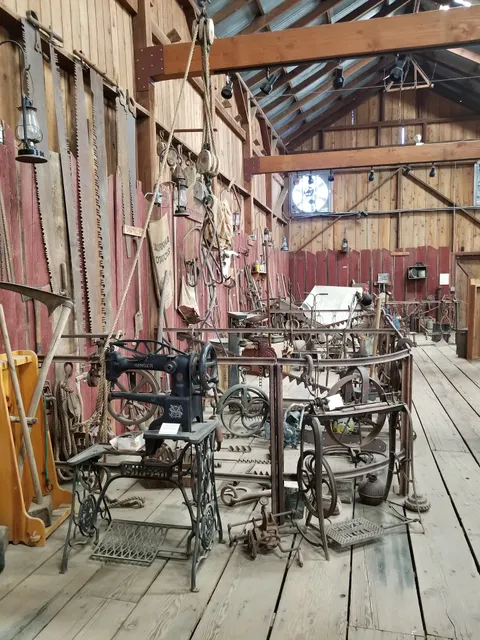
Calaveras County Historical Society Museum
4.6
(4)
Closed
Click for details
Things to do nearby

Explore a cidery and tasting in Gold Country
Fri, Jan 16 • 12:00 PM
Mokelumne Hill, California, 95245
View details
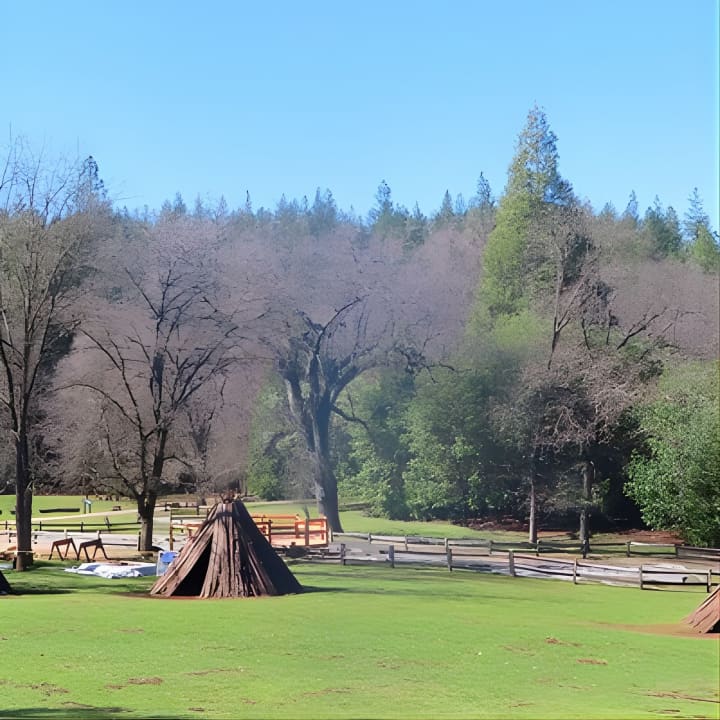
A Highway 49 Drive: A Self-Guided Audio Tour from Jackson to Angels Camp
Fri, Jan 9 • 12:00 AM
Jackson
View details

3 Year Anniversary Weekend
Fri, Jan 9 • 7:00 PM
24146 Hwy 88, Pioneer, CA, United States
View details
Nearby restaurants of Calaveras County Museum and Historical Society
Hong Kong Inn
Pizza Factory

Hong Kong Inn
4.7
(51)
Click for details

Pizza Factory
3.9
(169)
$
Click for details