The Huntington's Japanese Heritage Shōya House things to do, attractions, restaurants, events info and trip planning
Basic Info
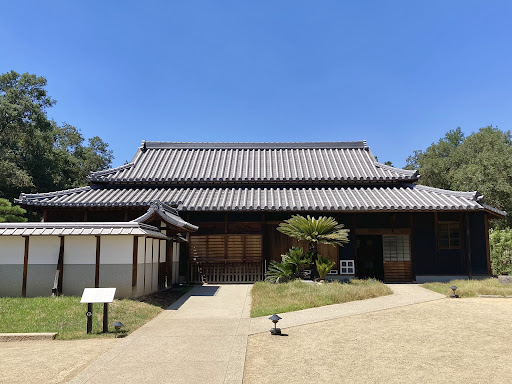
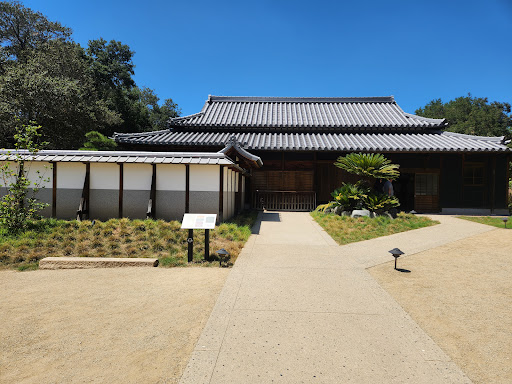
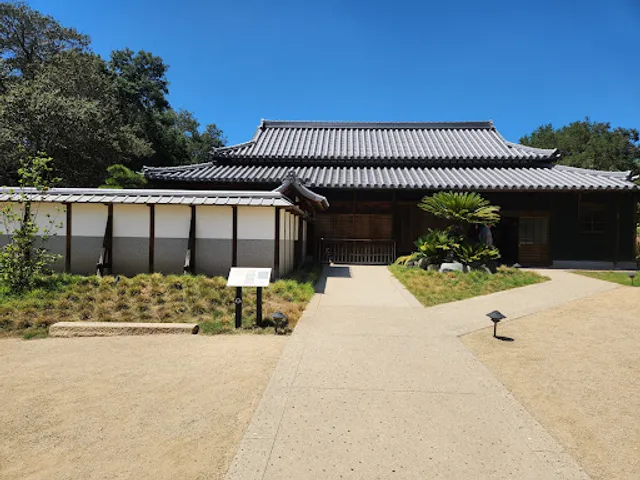
The Huntington's Japanese Heritage Shōya House
1151 Oxford Rd, San Marino, CA 91108
5.0(13)
Open until 12:00 AM
Save
spot
spot
Ratings & Description
Info
Cultural
Family friendly
Accessibility
attractions: The Huntington Library, Art Museum, and Botanical Gardens, The Huntington Chinese Garden - Garden of Flowing Fragrance, The Huntington Japanese Garden, Virginia Steele Scott Galleries of American Art, The Huntington Admission and Membership, Rose Garden, The Huntington's Art Gallery, Desert Garden, The Huntington Australian Garden, The Huntington Lily Ponds, restaurants: The Huntington's Rose Garden Tea Room, The Huntington's Jade Court Cafe, The Huntington Rose Garden Tea Room, 1919 Cafe - Huntington Library and Gardens, Red Car Coffee Shop, Freshwater Pavillion, local businesses: The Huntington's Rose Hills Foundation Conservatory for Botanical Science, The Huntington Store, Huntington Library Parking
 Learn more insights from Wanderboat AI.
Website
huntington.org
Open hoursSee all hours
Wed12 - 4 PMOpen
Plan your stay

Pet-friendly Hotels in San Marino
Find a cozy hotel nearby and make it a full experience.

Affordable Hotels in San Marino
Find a cozy hotel nearby and make it a full experience.

The Coolest Hotels You Haven't Heard Of (Yet)
Find a cozy hotel nearby and make it a full experience.

Trending Stays Worth the Hype in San Marino
Find a cozy hotel nearby and make it a full experience.
Reviews
Live events

80s & 90s Sip N Paint Sing Along
Thu, Jan 29 • 7:00 PM
7013 Greenleaf Avenue Whittier, CA 90602
View details

Hike Runyon Canyon with rescue dogs
Thu, Jan 29 • 9:00 AM
Los Angeles, California, 90046
View details

Release Party: Defensive Hearts by A.M. Fernandez
Sat, Jan 31 • 12:00 PM
152 West Bonita Avenue San Dimas, CA 91773
View details
Nearby attractions of The Huntington's Japanese Heritage Shōya House
The Huntington Library, Art Museum, and Botanical Gardens
The Huntington Chinese Garden - Garden of Flowing Fragrance
The Huntington Japanese Garden
Virginia Steele Scott Galleries of American Art
The Huntington Admission and Membership
Rose Garden
The Huntington's Art Gallery
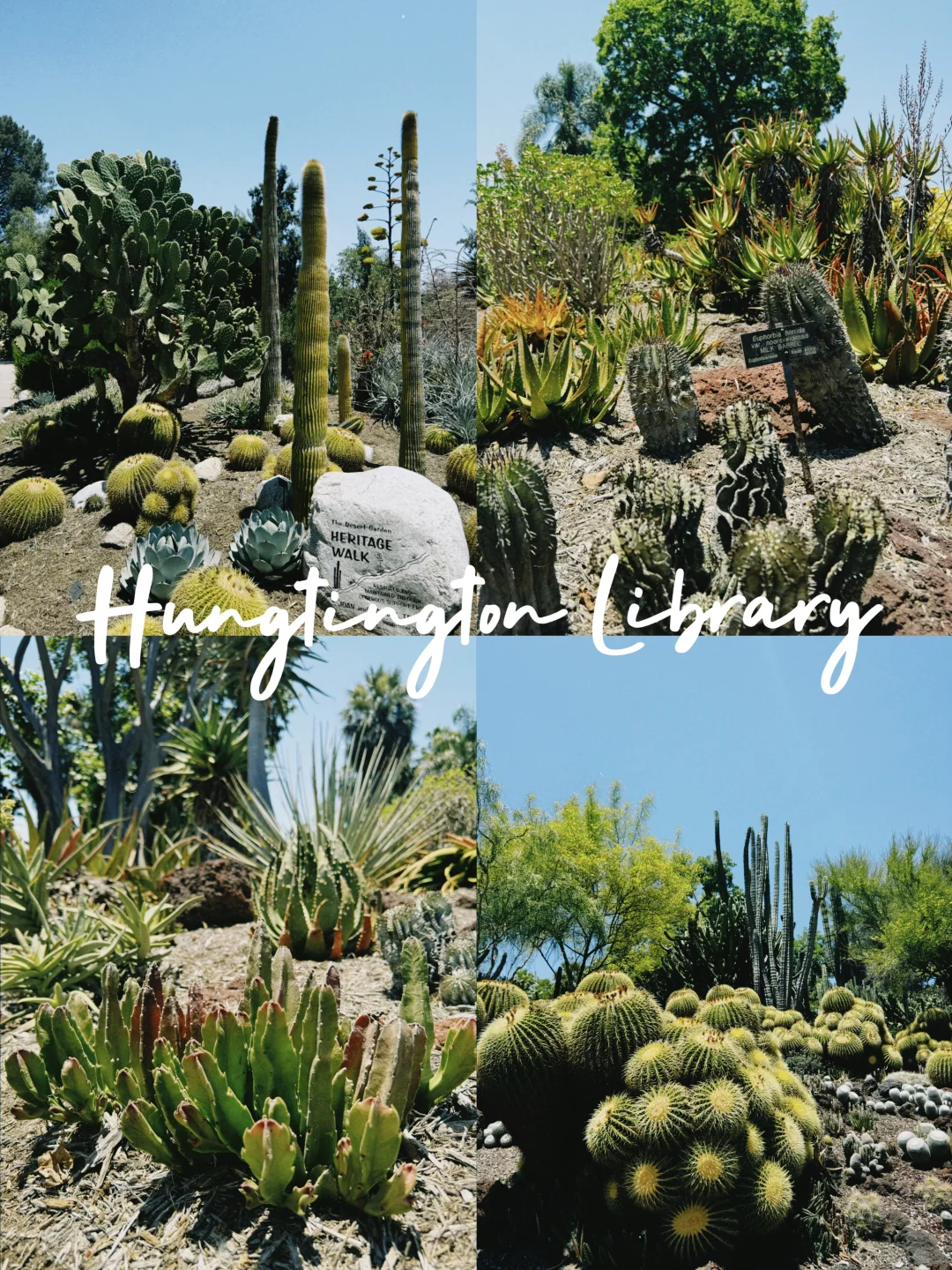
Desert Garden
The Huntington Australian Garden
The Huntington Lily Ponds
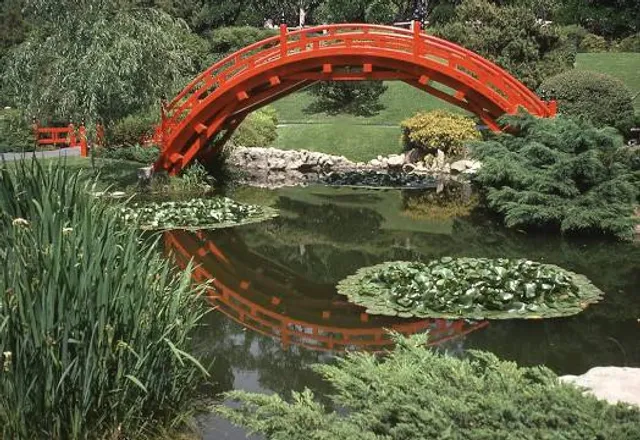
The Huntington Library, Art Museum, and Botanical Gardens
4.8
(3.4K)
Open until 12:00 AM
Click for details
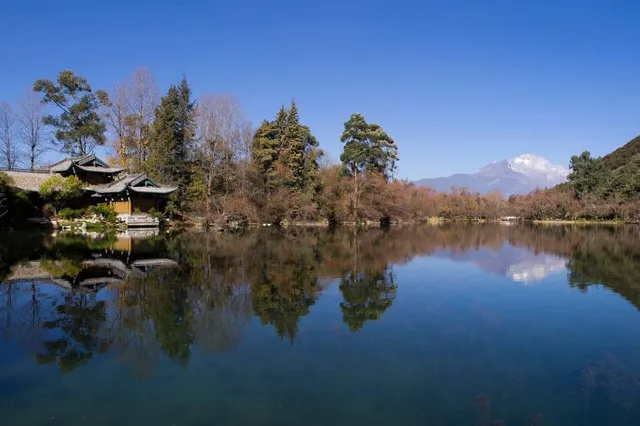
The Huntington Chinese Garden - Garden of Flowing Fragrance
4.9
(352)
Open until 12:00 AM
Click for details
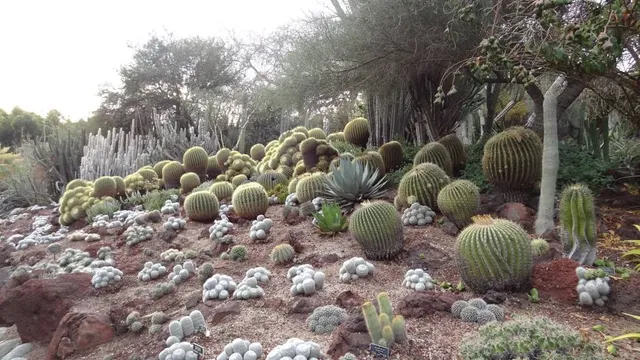
The Huntington Japanese Garden
4.9
(940)
Open until 12:00 AM
Click for details
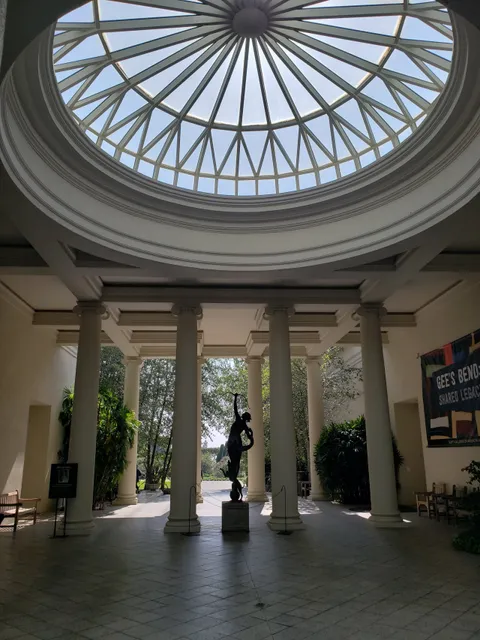
Virginia Steele Scott Galleries of American Art
4.6
(13)
Open until 12:00 AM
Click for details
Nearby restaurants of The Huntington's Japanese Heritage Shōya House
The Huntington's Rose Garden Tea Room
The Huntington's Jade Court Cafe
The Huntington Rose Garden Tea Room
1919 Cafe - Huntington Library and Gardens
Red Car Coffee Shop
Freshwater Pavillion
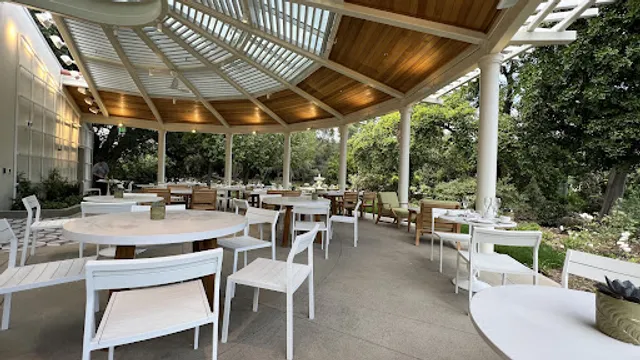
The Huntington's Rose Garden Tea Room
4.5
(320)
$$$
Open until 12:00 AM
Click for details
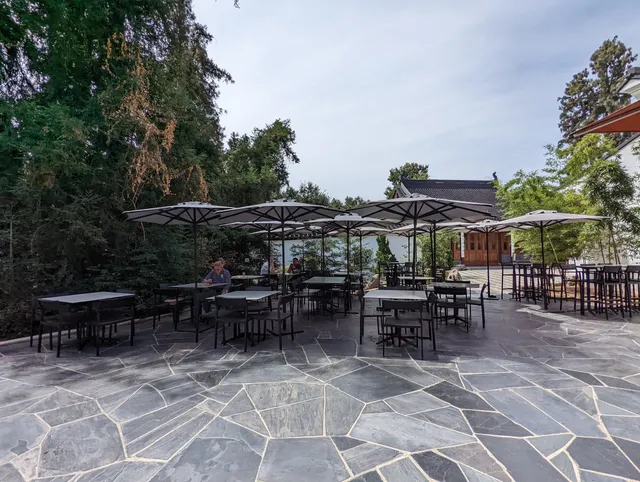
The Huntington's Jade Court Cafe
4.1
(53)
$
Open until 12:00 AM
Click for details
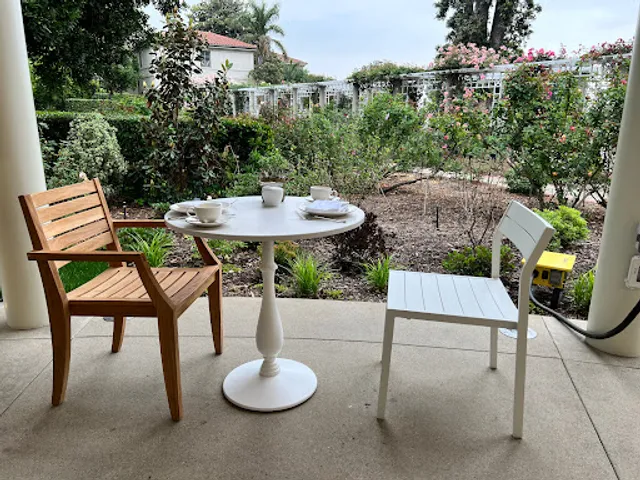
The Huntington Rose Garden Tea Room
4.8
(90)
Closed
Click for details
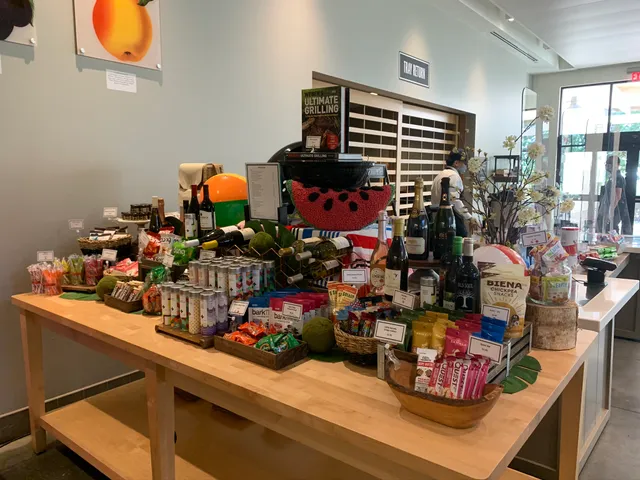
1919 Cafe - Huntington Library and Gardens
4.3
(96)
$$
Open until 12:00 AM
Click for details
Nearby local services of The Huntington's Japanese Heritage Shōya House
The Huntington's Rose Hills Foundation Conservatory for Botanical Science
The Huntington Store
Huntington Library Parking
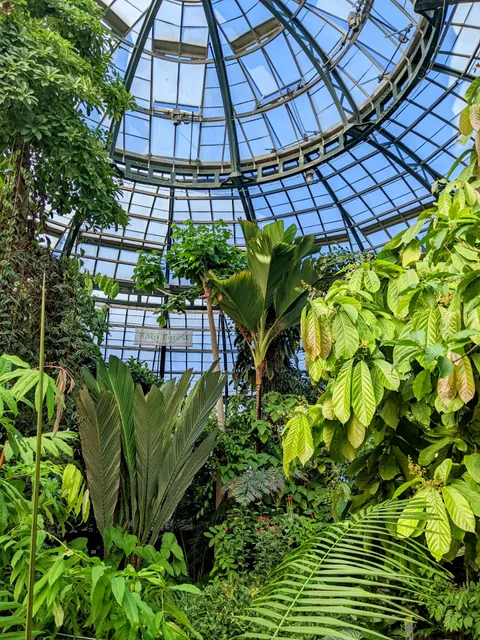
The Huntington's Rose Hills Foundation Conservatory for Botanical Science
4.6
(10)
Click for details
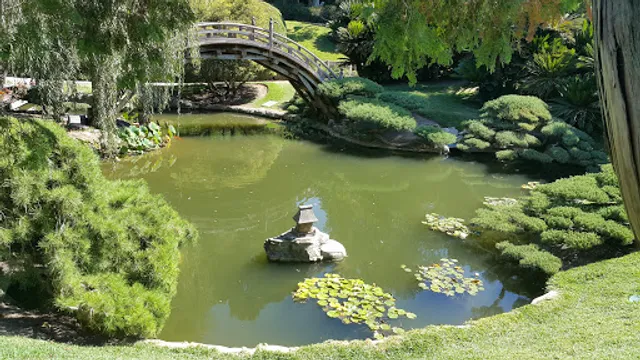
The Huntington Store
4.7
(126)
Click for details
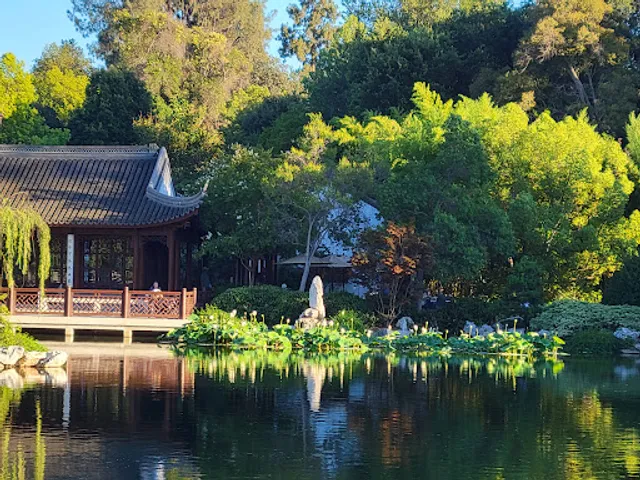
Huntington Library Parking
4.5
(56)
Click for details