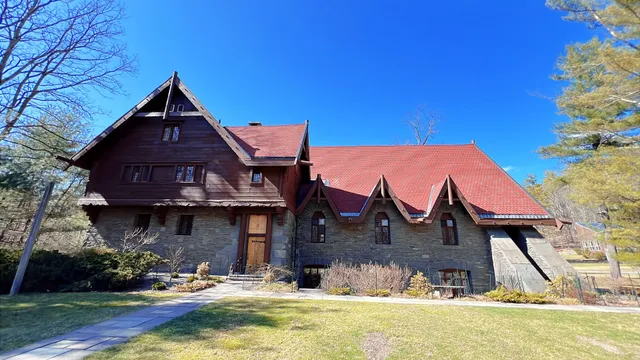
ZMM is highly revered in Zen circles as a place of true practice, where the Dharma is flourishing, and where authentic Zen training occurs. This high esteem, and widely accepted legitimacy of its methods, hides something that was very difficult for me to see and come to terms with. There is an institutional shadow that lies beneath the surface. A shadow further veiled by the beautiful buildings and grounds, by the romance of spiritual practice, and by the promise of the contemplative life. I lived and trained there for several years, both as a resident and as a lay practitioner living on the outside. Now that I am out of that ecosystem, I understand more fully what I have been feeling intuitively, that ZMM is to some degree, a cult.
What makes it even more difficult to recognize are the many wonderful and good people that orbit around the MRO to varying degrees. Iām sure many find benefit from practicing the eight gates, myself included. I cherish my time with them and thatās why Iām writing this review, maybe it will help in some way.
The shadow revolves around the institutional myth of the ZMM Roshi(See whatās been written about this for yourself). This is essentially the myth of the cult leader. ZMMās training methods are, in actuality, cult dynamics unleashed on an individualās psyche. The training is designed to precipitate enlightenment via ego death, forgetting the self, letting go of self clinging, the Great Death (Insert whatever version you prefer).
As with many enlightenment cults, oneās journey is generally thought of as a transformation from ignorance into a more spiritually evolved person, and is tightly woven into spiritual insights and new perceptions gained. The scope of this journey extends outward into a grand mission to compassionately āsaveā all beings. As wonderful as all this might seem, what is actually occurring is the dismantling of one's previous identity and the simultaneous formation of a new cult identity i.e. thought reform. To what degree and extent this occurs depends on many factors, one of which Iām sure of, is the level of commitment.
Here is an abbreviated list of what I encountered, and what you might expect with a more serious commitment to this group: a highly authoritarian and hierarchical structure i.e. totalism, a deepening of the 8 gates of Zen practice encompassing all aspects of life, a new name, new religious garb, a whole lot of free labor, an exhausting schedule, sleep deprivation, an insane amount of zazen, a whole lot of practicing āthink non-thinkingā, other thought-terminating cliches, a suspension of critical thinking, a mystical reward system with the Sensei or Roshi holding the keys to your spiritual progression and salvation.
The deeper the commitment and time spent with the group, and on and on the list goes: the further internalization of the Roshi myth(what better way than koan study), the challenging circumstances one is thrown into, the manipulation of what are simply natural qualities and tendencies of an individualās personality (certain aspects are promoted while others are suppressed), the heightened existential guilt of having an ego(the Zen version of Original Sin), ZMMās never-ending Zen step ladder of enlightenment, the scripted stages of advancement, having the rug pulled out from under you again and again, the metaphorical fist opening into a helping hand when you canāt get up, the advancement and halting of progress at the teachers discretion, all the microtraumas, the infantilization, the light fog of something resembling Stockholm syndrome, all the subtle ways you are manipulated over the course of long stretches of time, the simultaneous slow advancement up the hierarchy as one assumes a Roshi mini-me identity(an emerging sage).
The complete empowerment of the new ZMM cult identity culminates with the transmission into a Sensei, and eventually a Roshi. I believe what is actually transmitted is a cognitive virus of sorts that gives one a cultish God-complex, or in this case, a...
Ā Ā Ā Read moreI came seeking shelter from the storm, as they state, but found none. I am not really sure how to rate this place, but want to make my concerns heard for any other seekers. This is not a place I would recommend. I applied for the one month retreat and then scheduled a time to interview via zoom per their system, to which there was later a conflict and they asked me to meet an hour earlier, which was no issue. Upon meeting it was immediately obvious that they had make assumptions and judgements about my life and preemptively decided I wasnāt a fit for them, so I started the conversation with stating that I will find my path to transcending the samsara and my service to assist all beings transcend suffering here or elsewhere, but that this is my path. The monastic was immediately on her heels mumbling about resources and some other things I could not understand. She asked what led me to this point and why Zen? I stated that I felt the sect was less relevant than the teachings and practice, but I went on and I explained that āDirect Transmissionā spoke to me, the transference of enlightenment from teacher to student, mind to mind, she seemed confused by this and asked me what direct transmission is. I may be mistaken, but I believe that directly receiving enlightenment is a core belief of Zen. We went on to discuss meditation and I spoke of Anapanasati, āmindfulness of breathā, one of the primary techniques taught by the Buddha, she asked me what Anapanasati is. Then toward the end of the conversation I paraphrased the Buddha from the Dhammapada, referring to a person that does good or evil, the bucket is filled drop by drop, one drop at a time. She had never heard this before and said it sounds āChineseā. I actually looked it up again to make sure it wasnāt me. She told me that I should look into the forest tradition, a different sect of Buddhism, Theravada. She told me that I can get some online teachings from them, she made sure to say āfor a donationā, which it felt like was directed at the fact that I became disabled about a year ago and have not been able to work. When I had applied, I indicated that I wanted āan active memberā to contact me regarding their online Sangha, which no one ever did, this now made sense to me. Additionally, the monastic spent time telling me what I had experienced at a local place near my home in Florida is wrong, she went online to investigate right then. Then she told me I was wrong about the robe colors that lay people wore at this place, they werenāt gray they are brown. I am new to zen practice which I had made clear and have brain trauma, I can get things like similar colors confused. Is this inline with the teachings of the Buddha? Finally I asked why I was not approved for the one month retreat and was told that I have too many resources where I live, that the longer retreats are intended for people younger than me with less work experience, and I have too much family support structure. So much for an inclusive environment? In all fairness, I am a middle aged cis gender white male, but if this is being marketed to a target audience, in honesty and fairness thatās what should be on their web page, not how it is described currently. I came seeking exactly what was advertised, but was turned away when I did not meet unspoken expectations. I know, that they must make choices and am fine if they decided that I am not a fit, but this conversation felt disingenuous, and rushed, as if I was a burden rather than someone seeking growth, enlightenment, and to devote the remainder of their life and eternity in service to others. Go with your gut instinct, research, there is something definitely off here, and if I would have done my research into the history of this place before hand, I might have never applied here. If I become convinced that I am off base with this post, I will remove or edit it, but I have to speak up out of...
Ā Ā Ā Read moreI practiced with ZMM for over a decade. At first I practiced by myself from afar, using their talks and books to guide my practice. In 2016 I was finally able to show up in person, and after a few years of effort I became a formal student under Shugen-Roshi. I have since withdrawn since my path has slowly turned towards the Theravada (although I quite like the Mahayana still!).
For anyone who is interested in a traditional, intense practice of Japanese Zen, I would recommend this monastery in a heartbeat. The community is kind - as are the teachers - who are also patient, respectful, and always willing to meet you where you're at. That being said, they are also strict and this doesn't float everyone's boat.
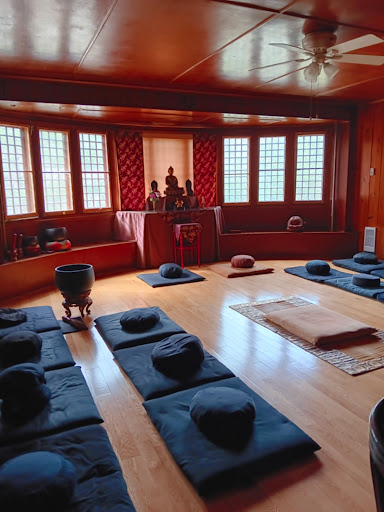
If you go on Sunday as your first trip, I highly recommend you sign up in advance so that way they know you're coming. They do offer beginning instruction in the Buddha hall, but they prefer if you take the beginning instruction online - so best to do that first. You can then join the Sunday service over the live stream to get a feel of what the service is like, and also allows you to practice from afar.
If, after this, you decide that you quite like Japanese Zen you can look into their Intro to Zen Training. This is a requirement to then become a formal student, which you can learn the rest on the website. Compared to other traditions their retreat schedule may also seem intense - especially shesshin - but I quite like that.
In the event you decide Japanese Zen doesn't float your boat there are many other options worth exploring. Even though I ended up going to a different tradition in the long term, they trained me incredibly well and I am very grateful for that. They taught me how to sit - incredibly still - how to do things when I didn't feel like it or have the motivation, discipline as a whole, how to bring this practice into my daily life, sit while tired, restless, or in pain, in an intense schedule, and how important discernment is along the path. Even if Zen isn't your thing, if you're a Buddhist or Buddhist curious, they're worth...
Ā Ā Ā Read more