Joshua Tree National Park – Where Earth Meets the Divine
Joshua Tree isn’t just a national park — it’s a spiritual experience carved in stone, sky, and silence.
The moment you cross into the park’s threshold, you feel it: the energetic shift, the stillness. The Mojave and Colorado deserts converge here, bringing with them a surreal blend of ecological wonder and ancient energy. The Joshua Trees themselves — twisted, towering, almost mythical — stand like silent sentinels across the golden sand and rocky expanses. They are living prayers. Each one is unique, shaped by time, wind, and divine intention.
Scenery & Landscape
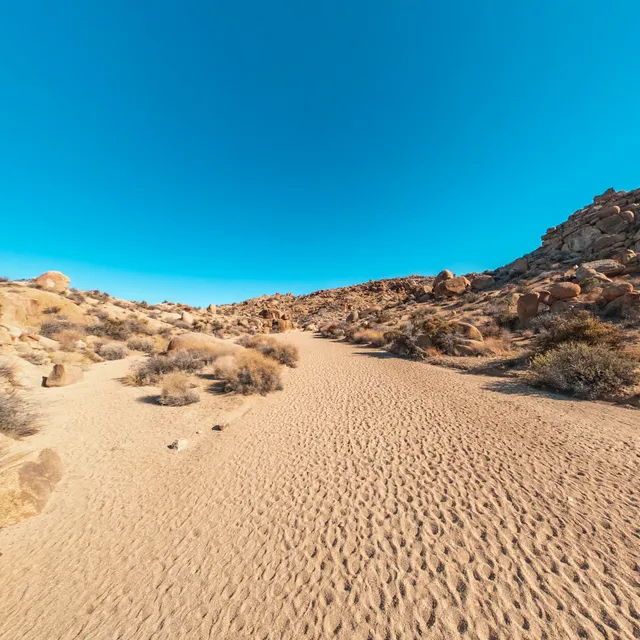
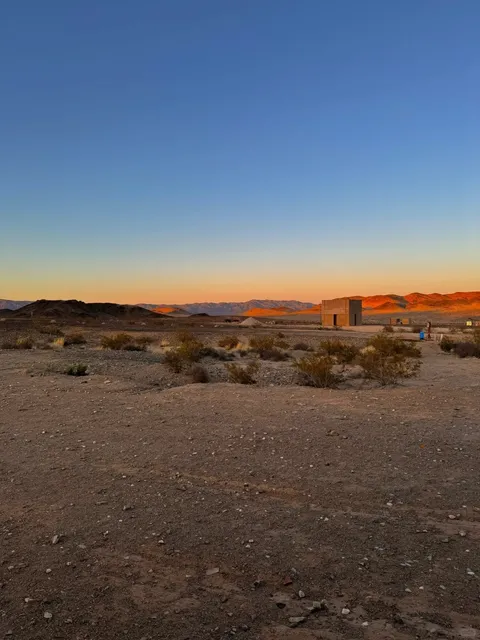
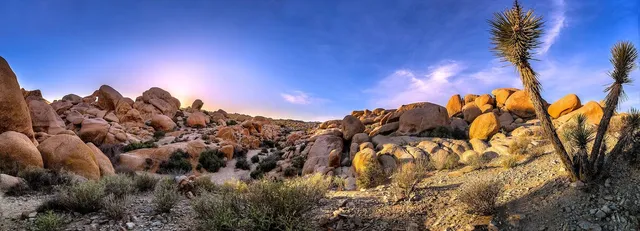
The landscape is nothing short of cinematic. Massive boulders stack like playgrounds for giants, inviting climbers and dreamers alike to explore their sun-warmed surfaces. The Cholla Cactus Garden feels like walking through a spiky sea of light, especially at sunrise when the cacti catch the sun in a golden halo. Hidden Valley is like a desert amphitheater — encircled by rock, filled with whispers of the past. Keys View offers a panoramic vantage point stretching across the Coachella Valley, and on a clear day, you can see all the way to Mexico.
Hiking & Exploration
Whether you’re here for a gentle walk or a backcountry trek, the trails don’t disappoint. Barker Dam offers a peaceful loop through desert terrain, with a touch of unexpected water depending on the season. For something more intense, the Ryan Mountain hike rewards you with sweeping views and a sense of earned stillness. There’s magic around every bend — petroglyphs, abandoned mines, blooming wildflowers, and star-shaped agaves clinging to life in the rocks.
Night Sky
At night, the desert sky turns to velvet, pierced by the sharp light of countless stars. This is one of the best stargazing spots in the country — no light pollution, no distractions. Just you, the cosmos, and a sense of how small and sacred everything is. Bring a blanket, lie back, and listen to the hush of the Earth rotating beneath you.
Spiritual & Energetic Qualities
Joshua Tree is more than a park — it’s a portal. There’s a reason why artists, musicians, and spiritual seekers have long been drawn to this place. It holds a frequency that feels otherworldly. Whether you’re meditating under a Joshua Tree, journaling beside a sunlit boulder, or simply walking in silence, the energy here is healing, grounding, and surprisingly clarifying.
Practical Notes • Best Time to Visit: Spring (March–May) and Fall (October–November) offer comfortable temperatures and blooming desert flora. Summer can be brutally hot, but if you’re prepared, it’s still majestic. • Entry Fee: Around $30 per vehicle for a 7-day pass. Annual and interagency passes accepted. • Be Prepared: Cell service is limited. Bring more water than you think you’ll need, sun protection, and proper shoes. This is not a park you want to be unprepared in. • Respect the Land: This is a sacred landscape — tread lightly, pack in/pack out, and don’t climb the trees. They are ancient and fragile.
Final Thoughts
Joshua Tree National Park is a sanctuary — for the spirit, the artist, the explorer, the weary, and the wild at heart. It invites you to slow down, look deeper, and reconnect — not just with nature, but with yourself.
Whether you come to hike, to heal, or to simply breathe in something older than time, Joshua Tree will meet you where you are — and leave you a...
Read moreI’m going to lay out for my “first trip” list of places and other recommendations -
I usually enter the Park from the town of Joshua Tree, in case there are last minute provisions to grab. I recommend taking lots of water and whatever food supply will help to stay in the park and enjoy all the time you have, especially on a day trip. You’ll burn too much time trying to leave and come back for a meal. From North of the Park, there are visitors centers in both Joshua Tree and 29 Palms. Assuming you entered from Joshua Tree, you’ll start to see the landscape change to those Mojave expectations as you drive down Park Boulevard. You’ll start to see more clusters of the famous yucca variety whose name comes from Mormon Pioneers in the 1800s, attaching their religious symbolism to it. The Cahuilla (kuh-WEE-uh) people called it hunuvat chiy’a (HOO-noo-vaht CHEE-ya) and used its fibers as an incredible resource for making baskets and ropes, etc. It’s had other names but probably one of the most surprising associations is that scientifically, its actually part of the asparagus family. I know what you’re thinking. Don’t find out if it makes your pee smell.
Anyway, My favorite hike to start with doesn’t have a lot of shade and cover (almost all of the park is like that) so I of course recommend getting in early any time of year. And starting with the HIDDEN VALLEY! Not only is Hidden Valley a good loop trail, but it’s got layers of history from Bill Keys blasting through to cattle rustlers hiding herds and so on and so forth. I’ll let you read about it all when you visit.
Outside of Hidden Valley - If you like climbing, you’re in the right area. There’s plenty on the way to the next spot I always have to hit – KEY’S VIEW. The 20 minute drive is so worth it for a change of scenery, quite literally. Here you get to see out over the Coachella Valley with Mountains like the San Jacinto. The actual San Andreas Fault line is visible, the Salton Sea can be, and on SUPER clear days, you can see as far as Signal Mountain in Mexico. AND my favorite part is the view is accessible, either off the parking lot OR you can do the quick 0.2 mile loop which has elevation but it is wheelchair accessible.
There’s some good trails on your way back to Park Blvd, but once you’re back and headed east on that main drag, everyone I’ve ever taken wants to stop near Skull Rock and boulder around a bit. This is my favorite area to camp in and the part that makes me convinced the Flintstones cartoonists came out here for inspiration.
After this, whatever you do, don’t miss taking the right onto Pinto Basin Road and heading down in elevation to the Colorado desert region of the Park (yep, you’ve only been in one desert at this point). I love this part of the drive because the drop in elevation is so beautiful and distinct AND you come out at the Cactus Garden! DO NOT PET THE FUZZY ONES. The Garden trail is as short or as long as you want to make it. For accessibility you can see a lot from the paved walkway and the trail is flat and well maintained, so you can truly choose how much or how little you want to do, while still seeing the Cacti.
From here if time is short, you can head back up in elevation. I like going down to Lost Palms Oasis when I have days to explore. Head back to Key’s View for sunset if you’re...
Read moreJoshua Tree National Park is a whimsical wonderland that feels like stepping into a cartoonish version of the Wild West—or perhaps a scene straight out of "The Flintstones"! With its otherworldly rock formations, quirky plant life, and a landscape that seems almost surreal, this park is a must-visit for anyone seeking adventure, beauty, and a dash of fun.
One of the park's most iconic features is the Joshua tree itself, a unique species of yucca that can grow up to 40 feet tall! These spiky, quirky trees can live for more than 100 years, and their distinctive shape, with twisted branches reaching for the sky, truly makes them look like something Fred Flintstone would have in his backyard. Legend has it that the trees were named by Mormon settlers in the 19th century, who thought the branches resembled the outstretched arms of Joshua leading them to the Promised Land. Whether or not that’s true, it does add a fun layer to the park's lore!
As you wander through Joshua Tree, you'll be mesmerized by the stunning rock formations that dot the landscape. The park is a climber's paradise, with massive boulders that seem to have been playfully stacked by giants. These rocks have been shaped by millennia of erosion, and their unique shapes and sizes inspire creativity—imagine a playground designed by cartoon characters!
The wildlife in Joshua Tree is just as fascinating as the scenery. Keep your eyes peeled for desert tortoises, which can live for over 50 years, as well as the elusive bighorn sheep that roam the rocky hillsides. Birdwatchers will be thrilled to spot the colorful Gambel's quail or the majestic red-tailed hawk soaring overhead. And don't forget about the park's nocturnal residents! When the sun sets, the desert comes alive with critters like the adorable kangaroo rat and the mysterious bobcat.
One fun fact about Joshua Tree is its remarkable biodiversity. The park is home to over 750 plant species, many of which are found nowhere else on Earth. From the striking cholla cacti to the fluffy white blooms of the desert marigold, the flora is as diverse as it is beautiful.
Visiting Joshua Tree is an adventure in itself. Whether you're hiking through the Cholla Cactus Garden, exploring the Hidden Valley, or stargazing at night (the park is an International Dark Sky Park!), each moment feels like a scene from an animated film. The clear desert skies provide some of the best stargazing opportunities, where you can spot constellations and even the Milky Way in all its glory.
In summary, Joshua Tree National Park is a delightful destination that offers a blend of surreal landscapes, unique plant and animal life, and a sense of fun that feels almost cartoonish. So, grab your camera, put on your best explorer hat, and get ready to experience a world that feels like it was plucked right out of "The Flintstones." Whether you're hiking, climbing, or simply soaking in the beauty, Joshua Tree is sure to leave you with unforgettable memories and a smile...
Read more