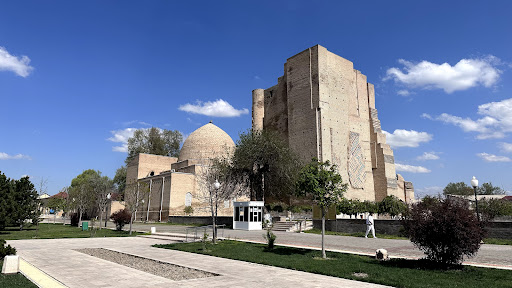
Dorus-Siyodat Mausoleum.
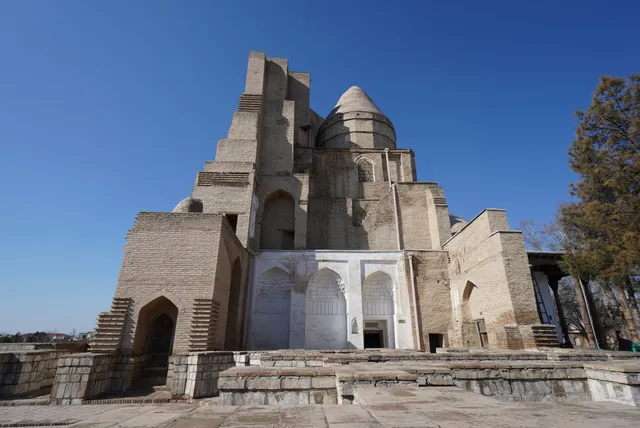
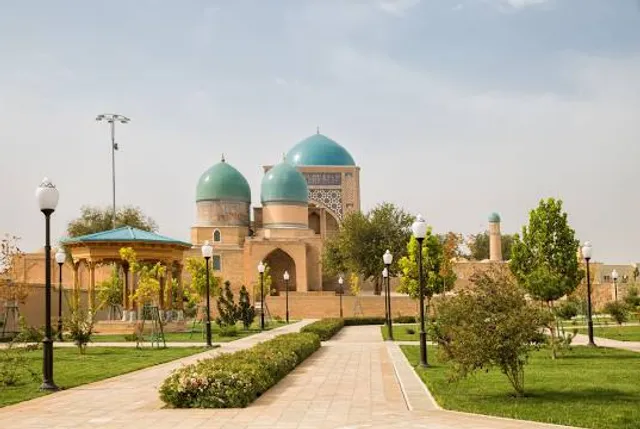
The Dor-us Siyodat ("repository of power") memorial complex was intended for the whole Timurid dynasty and was founded after the untimely death of Timur's eldest son, Jakhongir, in 1376. After his death his body was moved from Samarkand to Shakrisabz, the historical homeland of forefathers.
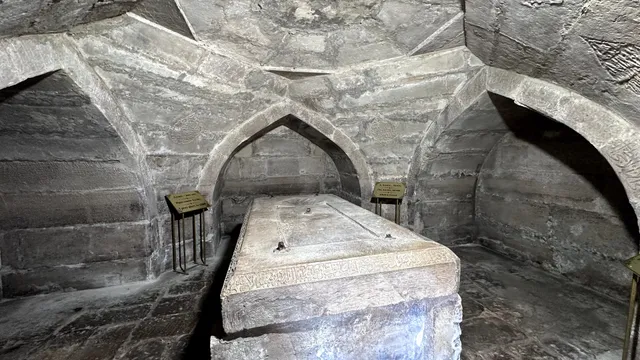
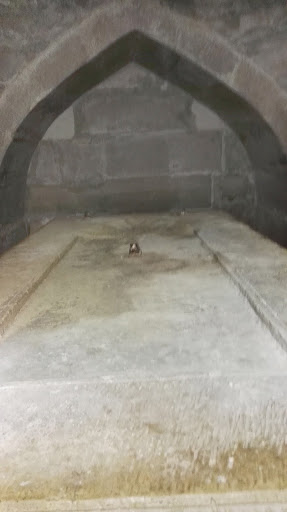
Timur's second son, Umarshaykh (Omar Sheikh), who was killed in 1393 - 1394 during the siege of the fortress of Kurd in Iran, was also buried in the Dor-us Siyodat complex. The tomb intended for Amir Temur remained empty, because fate willed that he was buried in Gur-Emir in Samarkand with his other sons.
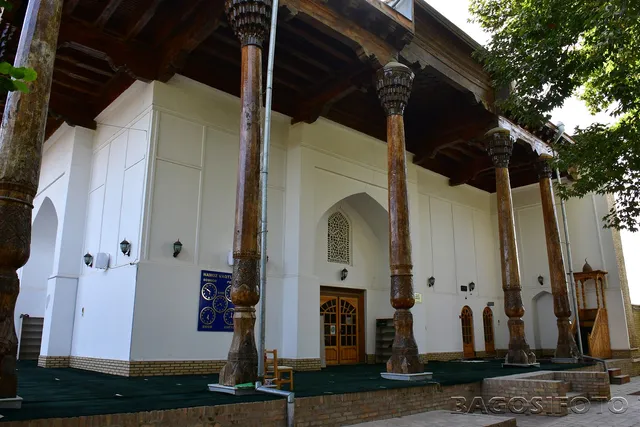
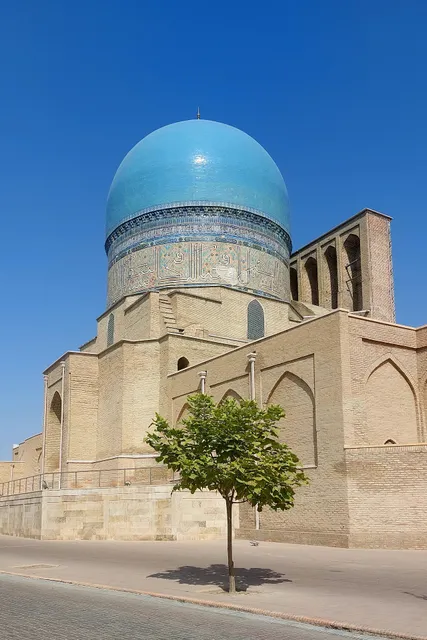
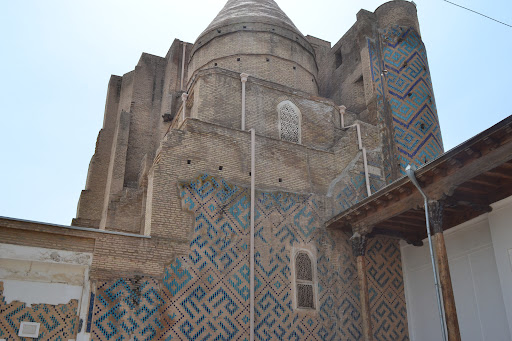
The Dor-us Siyodat buildings were destroyed when the forces of the Sheybanid ruler Abdullakhan II entered Shahrisabz in the second half of the XVI century, only the mausoleum of Jakhongir survived. The multi-chamber mosque of Khazrati Imam with a domed hall and a painted ayvan, or raised verandah, was built next to it in the mid - XIX century.
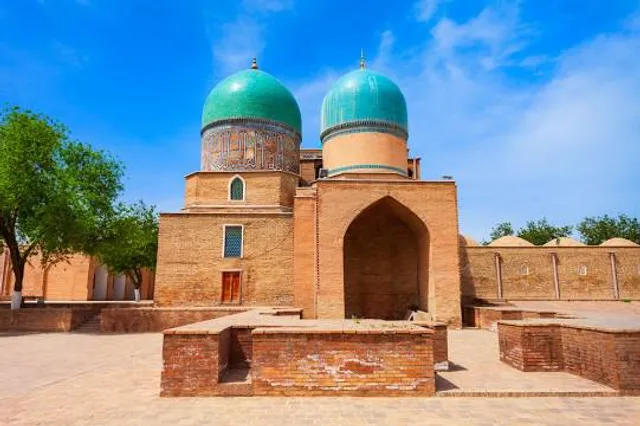
Work on the Dorus-Saodat Mausoleum reflects the work of best Uzbekistan Architecture. The height of the outer dome is 27 metres. The facade of the building is joined with the majolica varieties of colour, while most of the part was...
Read more🇯🇵 ドルス=サオダト複合体|ティムール王の愛と栄光が眠る場所
🌿ウズベキスタン・シャフリサブズの「ドルス=サオダト複合体(Dorus Saodat)」は、ティムール朝の深い歴史と家族の物語が息づく神聖な地です。
🏛1376年、ティムールの最愛の長男ジャハンギル・ミルゾが若くして亡くなったことから、この壮麗な霊廟が建てられました。建物の名はアラビア語で「権力の座」「栄光の家」を意味します。
✨金色と紺青のタイル装飾、優美なアーチ、静寂の地下クリプト―― かつての栄華の残響が、今も訪れる人の心を震わせます。
🚶♀️おすすめポイント: ・朝の光が差し込む時間に訪れると、タイルの模様が柔らかく輝きます。 ・地下クリプトへの階段は急なので、歩きやすい靴で。 ・服装は控えめに(肩・膝を覆う)。静かに祈るような心で歩きましょう。
📍アクセス:サマルカンドから車で約2〜3時間。 現地ではタクシーや徒歩で訪問可能です。
💫もしシャフリサブズを訪れるなら、ぜひこの地でティムール王の“永遠の想い”に触れてみてください。
#ドルスサオダト #シャフリサブズ #ウズベキスタン旅 #ティムール朝 #文化遺産 #中央アジアの奇跡 #歴史の旅 #DorusSaodat
⸻
🇬🇧 Dorus-Saodat Complex|Where Timur’s Love Meets Eternity
🌿In the ancient city of Shahrisabz, Uzbekistan, lies the Dorus-Saodat Complex — a place of power, faith, and the undying memory of a father’s love.
🏛Built in 1376 after the death of Amir Temur’s beloved son Jahangir Mirzo, this magnificent mausoleum was designed as the resting place of the Timurid dynasty. Its name in Arabic means “Seat of Power” or “House of Glory.”
✨Inside, golden and cobalt-blue tiles shimmer against carved marble walls. Descend into the underground crypt, and the air itself feels sacred — silent, timeless, eternal.
🚶♂️Visitor Tips: • Best visited early morning for gentle light on the mosaics. • The crypt stairs are steep — wear comfortable shoes. • Dress modestly and move respectfully within this spiritual site.
📍Getting there: 2–3 hours by car from Samarkand, taxis available locally.
💫Come to Shahrisabz and feel the echoes of Timur’s devotion carved in stone — a place where history breathes.
#DorusSaodat #Shahrisabz #UzbekistanTravel #TimuridDynasty #CulturalHeritage #HistoryInStone...
Read moreIl complesso commemorativo Dorus Saodat significa "presa di corrente", la sua costruzione fu iniziata nel 1380. Questo grande complesso fu progettato per lo smaltimento di Timur e di tutti i suoi discendenti. La facciata principale è un potente portale con torri, purtroppo sono rimasti solo contorni parziali. C'è il mausoleo di Jehangir, che è ben conservato. Jehangir era il figlio maggiore di Timur ma nel 1376 morì improvvisamente. Questo triste evento è stato l'occasione per la costruzione del complesso commemorativo Dorus Saodat. Il mausoleo di Jehangir era riccamente decorato con oro, azzurro e piastrelle. C'era un giardino con laghetti. Nel 1394 Umarshayh, che era il secondo figlio di Timur, morì, il suo corpo fu sepolto in Dorus Saodat. Più tardi, Timur ordinò di costruire la tomba per se stesso, ma non fu finito. Tuttavia, grazie alla ricerca archeologica, è stata trovata la cripta di Amir Timur. Pareti, pavimenti, archi e strutture a cupola sono realizzati in pietra calcarea grigio chiaro. Al centro c'è un sarcofago in marmo, coperto da un'enorme lastra monolitica. È una delle strutture più maestose e grandiose dell'epoca di Amir Timur. Il complesso Dorus Saodat nasconde molti misteri e enigmi, ma è uno dei più magnifici complessi architettonici...
Read more