HTML SitemapExplore
logo
Find Things to DoFind The Best Restaurants

Hazrati Imam complex — Attraction in Tashkent

Name
Hazrati Imam complex
Description
Nearby attractions
Hazrati Imam Mosque
86PR+VF3, Karasaray Street, Tashkent, Uzbekistan
Muyi Muborak Madrasah (Moyie Mubarek Library Museum)
Muyi Muborak Madrasah, Tashkent, Uzbekistan
Khazrati Imam Mosque
86PR+XGC, Zarkaynar Street, Tashkent, Uzbekistan
Tillya Sheikh Mosque
86PQ+PX3, Zarkaynar Street, Tashkent, Uzbekistan
Khastimom
86PR+XGC, Zarkaynar Street, Tashkent, Uzbekistan
Davlat Tabiat Muzeyi
86HQ+VJ3, Zarkaynar Street, Tashkent, Uzbekistan
Nearby restaurants
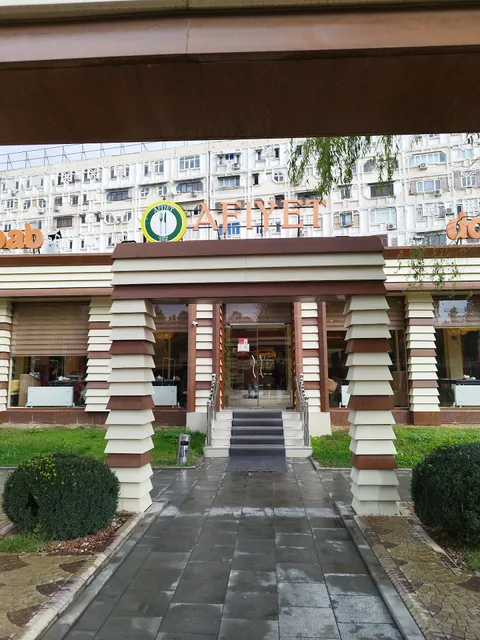
Afiyet Döner Kebap - турецкая кухня в Ташкенте, ресторан
86JW+59F, Abdulla Kadiry Street, Tashkent, Uzbekistan
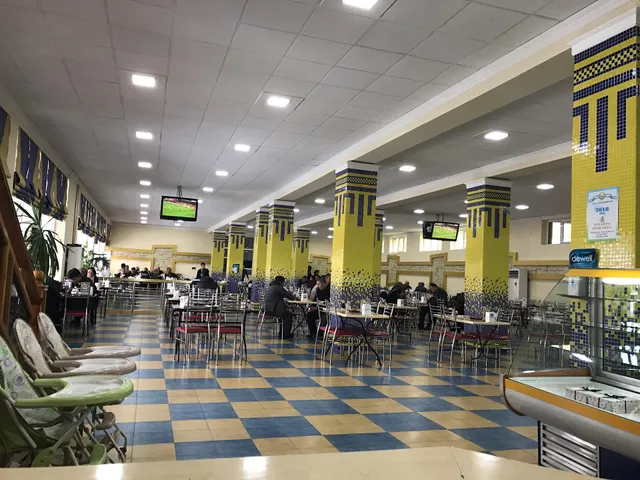
Lagman house
Farobi Street, Tashkent, Uzbekistan
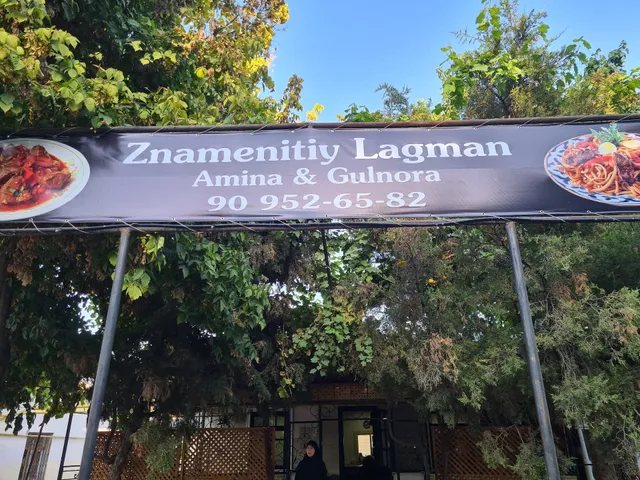
Znamenitiy Lagman Amina&Gulnora
Sagban Street 52, Tashkent, Uzbekistan
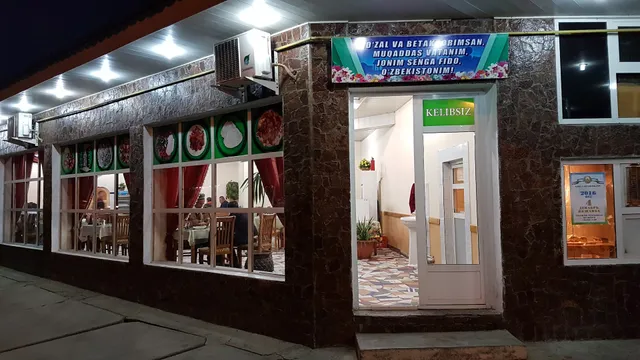
Lagman U Guli I Krutoy Iz Pecheni Staryy Gorod
Sagban Street 15, Tashkent, Uzbekistan
Nearby hotels
Hotel Inspira-S Tashkent
Abdulla Kadiry Street 6A, 100095, Tashkent, Uzbekistan
Cheap Hotel & Apartments
AbuBakr Shoshiy 64, 100111, Тоshkent, Toshkent, Uzbekistan
Related posts
Keywords
Hazrati Imam complex tourism.Hazrati Imam complex hotels.Hazrati Imam complex bed and breakfast. flights to Hazrati Imam complex.Hazrati Imam complex attractions.Hazrati Imam complex restaurants.Hazrati Imam complex travel.Hazrati Imam complex travel guide.Hazrati Imam complex travel blog.Hazrati Imam complex pictures.Hazrati Imam complex photos.Hazrati Imam complex travel tips.Hazrati Imam complex maps.Hazrati Imam complex things to do.
Hazrati Imam complex things to do, attractions, restaurants, events info and trip planning
Hazrati Imam complex
UzbekistanTashkentHazrati Imam complex

Basic Info

Hazrati Imam complex

86QQ+3X8, Karasaray Street, Tashkent, Uzbekistan
4.7(1.5K)
Open 24 hours
Save
spot

Ratings & Description

Info

Cultural
Family friendly
attractions: Hazrati Imam Mosque, Muyi Muborak Madrasah (Moyie Mubarek Library Museum), Khazrati Imam Mosque, Tillya Sheikh Mosque, Khastimom, Davlat Tabiat Muzeyi, restaurants: Afiyet Döner Kebap - турецкая кухня в Ташкенте, ресторан, Lagman house, Znamenitiy Lagman Amina&Gulnora, Lagman U Guli I Krutoy Iz Pecheni Staryy Gorod
logoLearn more insights from Wanderboat AI.

Plan your stay

hotel
Pet-friendly Hotels in Tashkent
Find a cozy hotel nearby and make it a full experience.
hotel
Affordable Hotels in Tashkent
Find a cozy hotel nearby and make it a full experience.
hotel
The Coolest Hotels You Haven't Heard Of (Yet)
Find a cozy hotel nearby and make it a full experience.
hotel
Trending Stays Worth the Hype in Tashkent
Find a cozy hotel nearby and make it a full experience.

Reviews

Nearby attractions of Hazrati Imam complex

Hazrati Imam Mosque

Muyi Muborak Madrasah (Moyie Mubarek Library Museum)

Khazrati Imam Mosque

Tillya Sheikh Mosque

Khastimom

Davlat Tabiat Muzeyi

Hazrati Imam Mosque

Hazrati Imam Mosque

4.7

(685)

Closed
Click for details
Muyi Muborak Madrasah (Moyie Mubarek Library Museum)

Muyi Muborak Madrasah (Moyie Mubarek Library Museum)

4.4

(68)

Open 24 hours
Click for details
Khazrati Imam Mosque

Khazrati Imam Mosque

4.6

(100)

Open 24 hours
Click for details
Tillya Sheikh Mosque

Tillya Sheikh Mosque

4.7

(74)

Open 24 hours
Click for details

Nearby restaurants of Hazrati Imam complex

Afiyet Döner Kebap - турецкая кухня в Ташкенте, ресторан

Lagman house

Znamenitiy Lagman Amina&Gulnora

Lagman U Guli I Krutoy Iz Pecheni Staryy Gorod

Afiyet Döner Kebap - турецкая кухня в Ташкенте, ресторан

Afiyet Döner Kebap - турецкая кухня в Ташкенте, ресторан

4.7

(412)

Click for details
Lagman house

Lagman house

4.1

(183)

Click for details
Znamenitiy Lagman Amina&Gulnora

Znamenitiy Lagman Amina&Gulnora

4.8

(7)

Click for details
Lagman U Guli I Krutoy Iz Pecheni Staryy Gorod

Lagman U Guli I Krutoy Iz Pecheni Staryy Gorod

4.0

(2)

Click for details
Get the Appoverlay
Get the AppOne tap to find yournext favorite spots!
Wanderboat LogoWanderboat

Your everyday Al companion for getaway ideas

CompanyAbout Us
InformationAI Trip PlannerSitemap
SocialXInstagramTiktokLinkedin
LegalTerms of ServicePrivacy Policy

Get the app

© 2025 Wanderboat. All rights reserved.
logo

Reviews of Hazrati Imam complex

4.7
(1,487)
avatar
5.0
3y

Barakh-khan Madrasah was built in the XVI century by Suyunidzh-khan, an Ulugbek’s grandson. It is a known fact that became a location of the Spiritual Administration of Muslims of Central Asia. It is also the place where the rich library of oriental manuscripts is found. A special premise of the Barakh-khan Madrasah library is used to keep the world-known Koran of Caliph Osman. It is the primary source of holy Islam book written in the mid-VII century. The ancient manuscript of very huge size, containing 353 parchment pages with the Koran original text, was kept for centuries in the caliphs’ treasury (consecutively in cities of Medina, Damascus and Bagdad). From Damascus, during Timur’s ministry, the Osman’s (Ottoman) Koran found its way to Uzbekistan, then (as late as in the ХIХ century) it was sent to Saint Petersburg where it was kept before the revolution. After it the Koran was brought to Central Asia via Ufa.

A legend has it that Caliph Osman was killed when he was reading this book, and from that time its pages made of deerskin keep his blood stains, since that the Osman’s Koran became a holy relic, kept at court of the subsequent caliphs first in Medina, then in Damascus and Bagdad. Different religious movements and sects, originated further inside the caliphate, at best, could deny selected parts in the scripture, claiming that they were distorted by careless scribes by mistake, or even with malicious intent of the caliph, who, for example, has not been honored up to date by the Shias, the supporters of inheritable power of Ali’s family. But they were not able to oppose other holy texts to the Ottoman Koran.

The historians do not know the exact destiny of all the manuscripts, after the occupation of Bagdad by the Mongolian khan Hulagu in 1258, who executed caliph al-Mustasim with his numerous servitors. But in the XV century the Koran with dried blood stains cropped up in Samarkand. First the Koran was kept at court of Mirzo Ulugbek, the Amir Timur’s grandson, who ordered to make a giant marble lectern for it in the Bibi-Khanum Mausoleum yard, then it found its way to the mosque of Sheikh Khodja Akhrar – a native of Tashkent.

When in 1868 Samarkand was occupied by the troops of the Russian Empire and annexed to the Turkestan Governorate General, the major-general Abramov, head of Zerafshan district, having known about this unique manuscript, withdrew it form the mosque by paying 100 gold rubles as a compensation to uncomforted caretakers. Then the Koran was sent to Tashkent to the governor general Konstantin von Kaufman, who a year later donated it to the Imperial Public Library in St-Petersburg.

It is still unknown how the Ottoman Koran found its way to Movarounnahr. According to the most prevailing version, the relic was found in 1393 during the invasion of the troops of Amir Timur who was building up a library of valuable manuscripts in his capital Samarkand. While according to a legend existed in the Sufi order Nakshbandia, headed by Sheikh Khodja Akhrar in the ХV century, it was obtained by a catchy dervish in troublous times upon Mongolian invasions. But among the Tashkent residents who considered Kaffal Shashi to be the first patron of the city there is a more popular folk legend according to which Khalif Osman’s Koran was brought from Bagdad by Kaffal Shashi. A unique handmade book was presented by Bagdad Khalif for Kaffal Shashi’s an outsanding poetic reply to the Byzantine Emperor.

(Sadly no pictures...

   Read more
avatar
5.0
26w

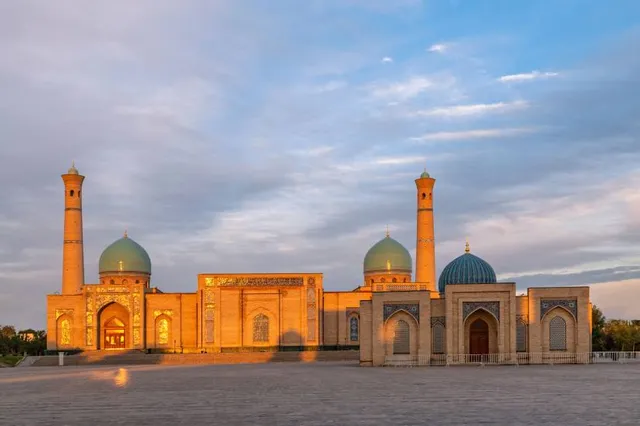
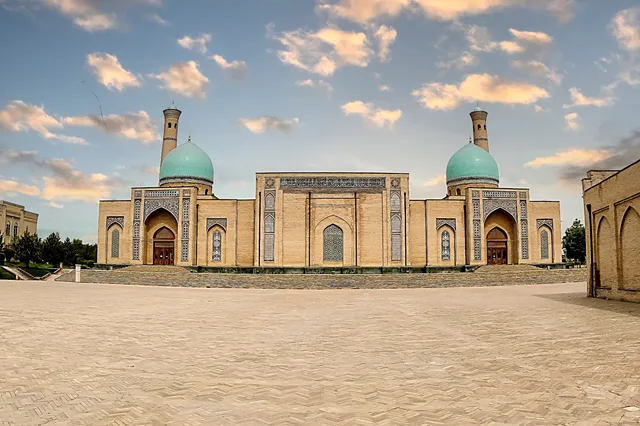
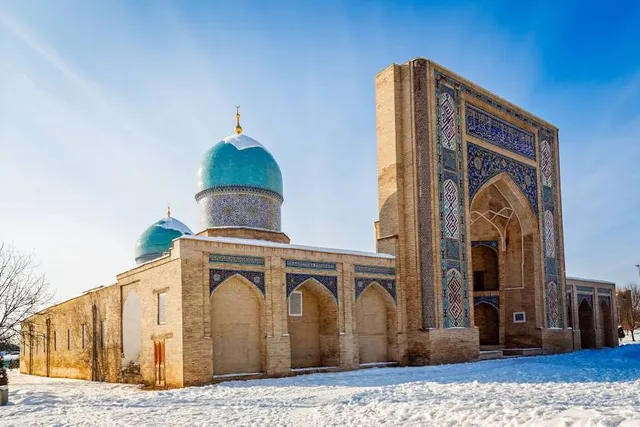
The Hazret Imam Complex in Tashkent, Uzbekistan, is an absolute must-visit for anyone seeking a profound blend of history, stunning architecture, and spiritual serenity. Stepping into this revered complex feels like a journey back in time, where centuries of Islamic culture and craftsmanship unfold before your eyes. The intricate details of the madrasahs and mosques are simply breathtaking. From the mesmerizing blue domes adorned with delicate tilework to the meticulously carved wooden doors and columns, every corner tells a story of incredible artistry and devotion. The peaceful courtyards, often featuring a quiet fountain, provide a tranquil escape from the bustling city, inviting contemplation and reflection. A true highlight is the Muyi Mubarak Library, home to one of the world's oldest Qurans – the Uthman Quran. To stand in the presence of such an ancient and historically significant manuscript is a truly awe-inspiring experience that resonates deeply, regardless of your personal beliefs. Beyond the main attractions, take time to wander through the complex. You'll discover the mausoleum of Abu Bakr Kaffal Shashi, a revered figure after whom the complex is named, and the Islamic Institute of Imam al-Bukhari. The blend of ancient structures and the relatively newer (yet still traditionally styled) Hazret Imam Mosque, completed in 2007, showcases a seamless continuation of Uzbek architectural heritage. Whether you're an architecture enthusiast, a history buff, a spiritual seeker, or simply someone who appreciates beauty and tranquility, Hazret Imam offers an unforgettable experience. Be sure to dress modestly out of respect for the religious customs. This complex is not just a collection of buildings; it's a living testament to Uzbekistan's rich cultural and religious past, a place that will leave you with a lasting sense of wonder...

   Read more
avatar
5.0
20w

Khazret Imam Ensemble.

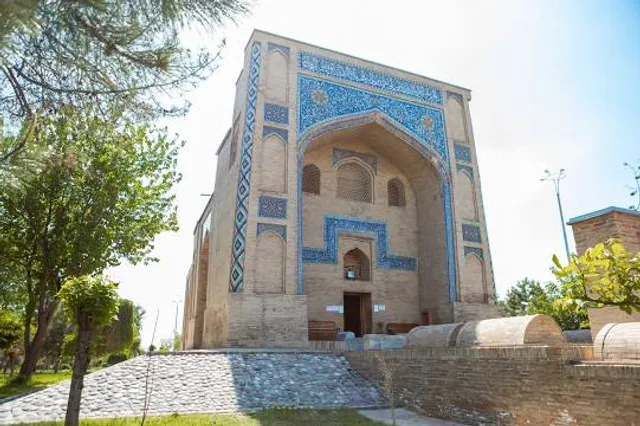
The ensemble of the monuments began to take its shape around the burial-place of Kaffal ash-Shashi (903-976), the first Tashkent’s imam and propagator of Islam. It was he after whom the square was named Khazret Imam (‘Saint Imam’). In 1541, a Mausoleum was built over his grave.

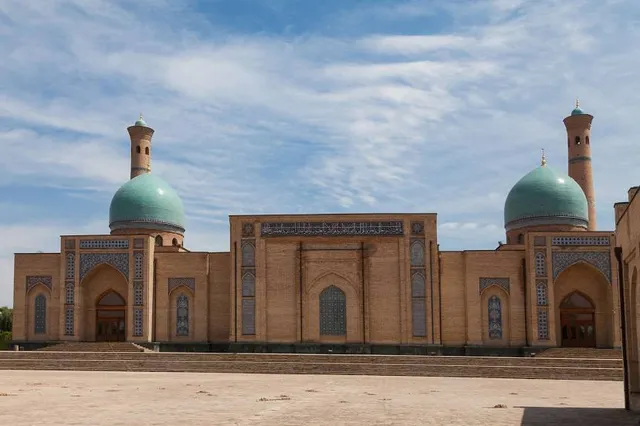
The main parts of the Khazret Imam complex are: Tilla Sheikh Mosque: This is one of the oldest mosques in Tashkent, with beautiful architecture and interior decoration. Mullah Kaffal Shashkiri Library: Especially valuable is the sacred Osman’s Koran, stained with the blood of Caliph Uthman, who was reading it at the time of his assassination in Medina in 656, and which is on display in the library’s special hall. Imam Hazrat Rukhobod mosque: Named after Imam Hazrat Rukhobod, who was famous spiritual. In the 19th century the the Juma Mosque was built, the huge Friday Mosque, with its bright turquoise domes. The Hazrat Iman Mosque, was constructed in just four months in 2007.

The Khast Imam square with the architectural complex looks oriental and ambient, especially at night: thanks to the illumination, the whole complex resembles a mirage of a fairytale city floating in the air from old Middle Eastern...

   Read more
Page 1 of 7
Previous
Next

Posts

Arshad IqbalArshad Iqbal
Barakh-khan Madrasah was built in the XVI century by Suyunidzh-khan, an Ulugbek’s grandson. It is a known fact that became a location of the Spiritual Administration of Muslims of Central Asia. It is also the place where the rich library of oriental manuscripts is found. A special premise of the Barakh-khan Madrasah library is used to keep the world-known Koran of Caliph Osman. It is the primary source of holy Islam book written in the mid-VII century. The ancient manuscript of very huge size, containing 353 parchment pages with the Koran original text, was kept for centuries in the caliphs’ treasury (consecutively in cities of Medina, Damascus and Bagdad). From Damascus, during Timur’s ministry, the Osman’s (Ottoman) Koran found its way to Uzbekistan, then (as late as in the ХIХ century) it was sent to Saint Petersburg where it was kept before the revolution. After it the Koran was brought to Central Asia via Ufa. A legend has it that Caliph Osman was killed when he was reading this book, and from that time its pages made of deerskin keep his blood stains, since that the Osman’s Koran became a holy relic, kept at court of the subsequent caliphs first in Medina, then in Damascus and Bagdad. Different religious movements and sects, originated further inside the caliphate, at best, could deny selected parts in the scripture, claiming that they were distorted by careless scribes by mistake, or even with malicious intent of the caliph, who, for example, has not been honored up to date by the Shias, the supporters of inheritable power of Ali’s family. But they were not able to oppose other holy texts to the Ottoman Koran. The historians do not know the exact destiny of all the manuscripts, after the occupation of Bagdad by the Mongolian khan Hulagu in 1258, who executed caliph al-Mustasim with his numerous servitors. But in the XV century the Koran with dried blood stains cropped up in Samarkand. First the Koran was kept at court of Mirzo Ulugbek, the Amir Timur’s grandson, who ordered to make a giant marble lectern for it in the Bibi-Khanum Mausoleum yard, then it found its way to the mosque of Sheikh Khodja Akhrar – a native of Tashkent. When in 1868 Samarkand was occupied by the troops of the Russian Empire and annexed to the Turkestan Governorate General, the major-general Abramov, head of Zerafshan district, having known about this unique manuscript, withdrew it form the mosque by paying 100 gold rubles as a compensation to uncomforted caretakers. Then the Koran was sent to Tashkent to the governor general Konstantin von Kaufman, who a year later donated it to the Imperial Public Library in St-Petersburg. It is still unknown how the Ottoman Koran found its way to Movarounnahr. According to the most prevailing version, the relic was found in 1393 during the invasion of the troops of Amir Timur who was building up a library of valuable manuscripts in his capital Samarkand. While according to a legend existed in the Sufi order Nakshbandia, headed by Sheikh Khodja Akhrar in the ХV century, it was obtained by a catchy dervish in troublous times upon Mongolian invasions. But among the Tashkent residents who considered Kaffal Shashi to be the first patron of the city there is a more popular folk legend according to which Khalif Osman’s Koran was brought from Bagdad by Kaffal Shashi. A unique handmade book was presented by Bagdad Khalif for Kaffal Shashi’s an outsanding poetic reply to the Byzantine Emperor. (Sadly no pictures were allowed)
RTZ ExplorerRTZ Explorer
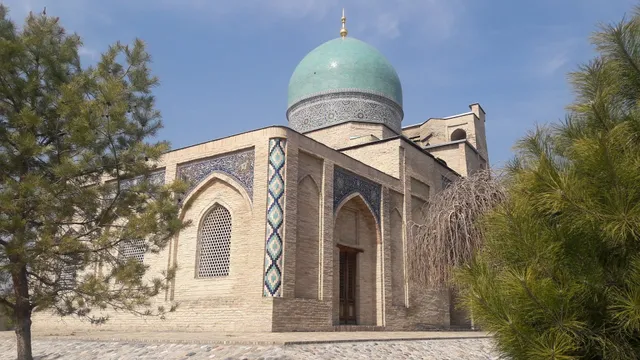
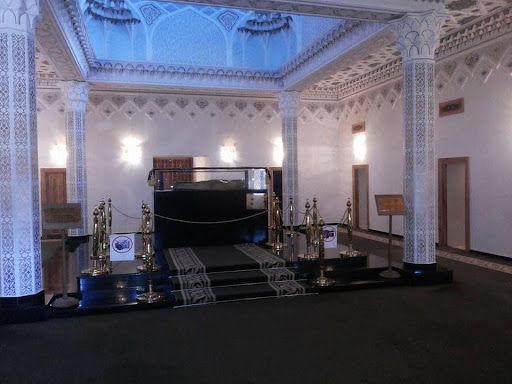
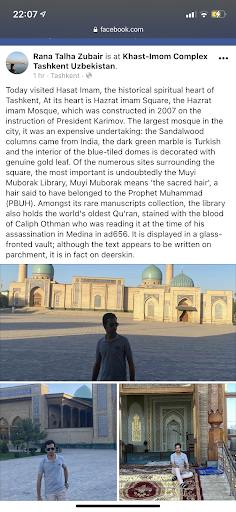
Visited today Hasat Imam, the historical spiritual heart of Tashkent, At its heart is Hazrat imam Square, the Hazrat imam Mosque, which was constructed in 2007 on the instruction of President Karimov. The largest mosque in the city, it was an expensive undertaking: the Sandalwood columns came from India, the dark green marble is Turkish and the interior of the blue-tiled domes is decorated with genuine gold leaf. Of the numerous sites surrounding the square, the most important is undoubtedly the Muyi Muborak Library, Muyi Muborak means 'the sacred hair', a hair said to have belonged to the Prophet Muhammad (PBUH). Amongst its rare manuscripts collection, the library also holds the world's oldest Qu'ran, stained with the blood of Caliph Othman who was reading it at the time of his assassination in Medina in ad656. It is displayed in a glass-fronted vault; although the text appears to be written on parchment, it is in fact on deerskin.
M Bilal HaiderM Bilal Haider
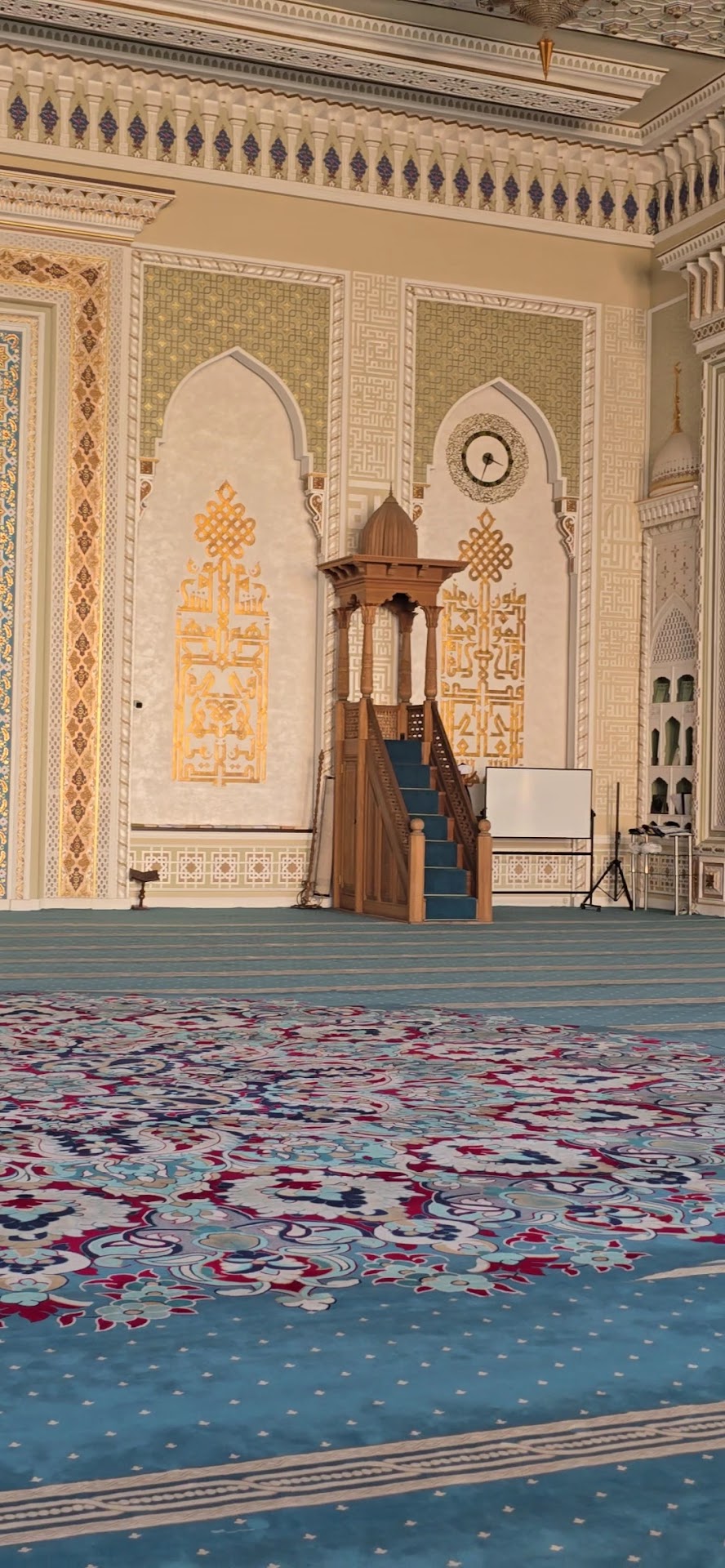
I recently had the pleasure of visiting Hazrati Inam Complex in Tashkent, and it was truly a wonderful experience. The mosque is beautifully designed, with intricate architecture that creates a serene and peaceful atmosphere. The ablution area is spacious, clean, and well-maintained, making it easy for visitors to prepare for prayer in comfort. The mosque itself is stunning, both inside and out. The tranquil environment, coupled with the natural light that fills the space, makes it a perfect place for reflection and worship. The staff are friendly and welcoming, ensuring that every visitor feels at home. Overall, Hazrati Inam Complex is a must-visit for anyone in Tashkent, whether you’re a local or just passing through. It’s a beautiful reminder of the city's rich cultural and spiritual heritage. Highly recommended!
See more posts
See more posts
hotel
Find your stay

Pet-friendly Hotels in Tashkent

Find a cozy hotel nearby and make it a full experience.

Barakh-khan Madrasah was built in the XVI century by Suyunidzh-khan, an Ulugbek’s grandson. It is a known fact that became a location of the Spiritual Administration of Muslims of Central Asia. It is also the place where the rich library of oriental manuscripts is found. A special premise of the Barakh-khan Madrasah library is used to keep the world-known Koran of Caliph Osman. It is the primary source of holy Islam book written in the mid-VII century. The ancient manuscript of very huge size, containing 353 parchment pages with the Koran original text, was kept for centuries in the caliphs’ treasury (consecutively in cities of Medina, Damascus and Bagdad). From Damascus, during Timur’s ministry, the Osman’s (Ottoman) Koran found its way to Uzbekistan, then (as late as in the ХIХ century) it was sent to Saint Petersburg where it was kept before the revolution. After it the Koran was brought to Central Asia via Ufa. A legend has it that Caliph Osman was killed when he was reading this book, and from that time its pages made of deerskin keep his blood stains, since that the Osman’s Koran became a holy relic, kept at court of the subsequent caliphs first in Medina, then in Damascus and Bagdad. Different religious movements and sects, originated further inside the caliphate, at best, could deny selected parts in the scripture, claiming that they were distorted by careless scribes by mistake, or even with malicious intent of the caliph, who, for example, has not been honored up to date by the Shias, the supporters of inheritable power of Ali’s family. But they were not able to oppose other holy texts to the Ottoman Koran. The historians do not know the exact destiny of all the manuscripts, after the occupation of Bagdad by the Mongolian khan Hulagu in 1258, who executed caliph al-Mustasim with his numerous servitors. But in the XV century the Koran with dried blood stains cropped up in Samarkand. First the Koran was kept at court of Mirzo Ulugbek, the Amir Timur’s grandson, who ordered to make a giant marble lectern for it in the Bibi-Khanum Mausoleum yard, then it found its way to the mosque of Sheikh Khodja Akhrar – a native of Tashkent. When in 1868 Samarkand was occupied by the troops of the Russian Empire and annexed to the Turkestan Governorate General, the major-general Abramov, head of Zerafshan district, having known about this unique manuscript, withdrew it form the mosque by paying 100 gold rubles as a compensation to uncomforted caretakers. Then the Koran was sent to Tashkent to the governor general Konstantin von Kaufman, who a year later donated it to the Imperial Public Library in St-Petersburg. It is still unknown how the Ottoman Koran found its way to Movarounnahr. According to the most prevailing version, the relic was found in 1393 during the invasion of the troops of Amir Timur who was building up a library of valuable manuscripts in his capital Samarkand. While according to a legend existed in the Sufi order Nakshbandia, headed by Sheikh Khodja Akhrar in the ХV century, it was obtained by a catchy dervish in troublous times upon Mongolian invasions. But among the Tashkent residents who considered Kaffal Shashi to be the first patron of the city there is a more popular folk legend according to which Khalif Osman’s Koran was brought from Bagdad by Kaffal Shashi. A unique handmade book was presented by Bagdad Khalif for Kaffal Shashi’s an outsanding poetic reply to the Byzantine Emperor. (Sadly no pictures were allowed)
Arshad Iqbal

Arshad Iqbal

hotel
Find your stay

Affordable Hotels in Tashkent

Find a cozy hotel nearby and make it a full experience.

Get the Appoverlay
Get the AppOne tap to find yournext favorite spots!
Visited today Hasat Imam, the historical spiritual heart of Tashkent, At its heart is Hazrat imam Square, the Hazrat imam Mosque, which was constructed in 2007 on the instruction of President Karimov. The largest mosque in the city, it was an expensive undertaking: the Sandalwood columns came from India, the dark green marble is Turkish and the interior of the blue-tiled domes is decorated with genuine gold leaf. Of the numerous sites surrounding the square, the most important is undoubtedly the Muyi Muborak Library, Muyi Muborak means 'the sacred hair', a hair said to have belonged to the Prophet Muhammad (PBUH). Amongst its rare manuscripts collection, the library also holds the world's oldest Qu'ran, stained with the blood of Caliph Othman who was reading it at the time of his assassination in Medina in ad656. It is displayed in a glass-fronted vault; although the text appears to be written on parchment, it is in fact on deerskin.
RTZ Explorer

RTZ Explorer

hotel
Find your stay

The Coolest Hotels You Haven't Heard Of (Yet)

Find a cozy hotel nearby and make it a full experience.

hotel
Find your stay

Trending Stays Worth the Hype in Tashkent

Find a cozy hotel nearby and make it a full experience.

I recently had the pleasure of visiting Hazrati Inam Complex in Tashkent, and it was truly a wonderful experience. The mosque is beautifully designed, with intricate architecture that creates a serene and peaceful atmosphere. The ablution area is spacious, clean, and well-maintained, making it easy for visitors to prepare for prayer in comfort. The mosque itself is stunning, both inside and out. The tranquil environment, coupled with the natural light that fills the space, makes it a perfect place for reflection and worship. The staff are friendly and welcoming, ensuring that every visitor feels at home. Overall, Hazrati Inam Complex is a must-visit for anyone in Tashkent, whether you’re a local or just passing through. It’s a beautiful reminder of the city's rich cultural and spiritual heritage. Highly recommended!
M Bilal Haider

M Bilal Haider

See more posts
See more posts