Tashkent Museum under the State History Museum of Uzbekistan things to do, attractions, restaurants, events info and trip planning

Basic Info
Tashkent Museum under the State History Museum of Uzbekistan
863Q+275, Bunyodkor Avenue, Tashkent, Uzbekistan
4.1(36)
Open 24 hours
Save
spot
spot
Ratings & Description
Info
Cultural
Family friendly
Accessibility
attractions: National Park of Uzbekistan named after Alisher Navoi, Alisher Navoi Monument, Milliy bog' (National Park), Magic City Park, Magic park, Abul-kasim Sheikh Madrasah, Friendship of the Nations Palace, Kamolon (Xoja Alambardor) Mosque, Poyushchiye Fontany, Tashkent Lighthouse, restaurants: Moida by Azon - Book Cafe, Chorlar, BASRI BABA, Tub Tim Thai Restaurant, CZN Burak Gurme, Lusiana Disco Tashkent, Safia cafe & bakery, Phosphorus, L TEA, Bon!, local businesses: New Uzbekistan National Park, National Park of Uzbekistan named after Alisher Navoi, Adiblar xiyoboni, Alley of Writers, Legislative Chamber of the Oliy Majlis, Pixel, Chapel of St. George the Victorious, Eshlik, Seoul, SATashkent
 Learn more insights from Wanderboat AI.
Plan your stay

Pet-friendly Hotels in Tashkent
Find a cozy hotel nearby and make it a full experience.

Affordable Hotels in Tashkent
Find a cozy hotel nearby and make it a full experience.

The Coolest Hotels You Haven't Heard Of (Yet)
Find a cozy hotel nearby and make it a full experience.

Trending Stays Worth the Hype in Tashkent
Find a cozy hotel nearby and make it a full experience.
Reviews
Live events

Fintech Fuckup Talks
Sat, Jan 31 • 11:00 AM
Тоshkent, Toshkent
View details
Nearby attractions of Tashkent Museum under the State History Museum of Uzbekistan
National Park of Uzbekistan named after Alisher Navoi
Alisher Navoi Monument
Milliy bog' (National Park)
Magic City Park
Magic park
Abul-kasim Sheikh Madrasah
Friendship of the Nations Palace
Kamolon (Xoja Alambardor) Mosque
Poyushchiye Fontany
Tashkent Lighthouse
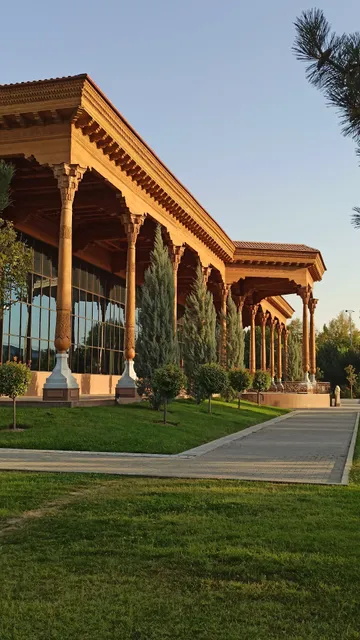
National Park of Uzbekistan named after Alisher Navoi
4.5
(180)
Open 24 hours
Click for details
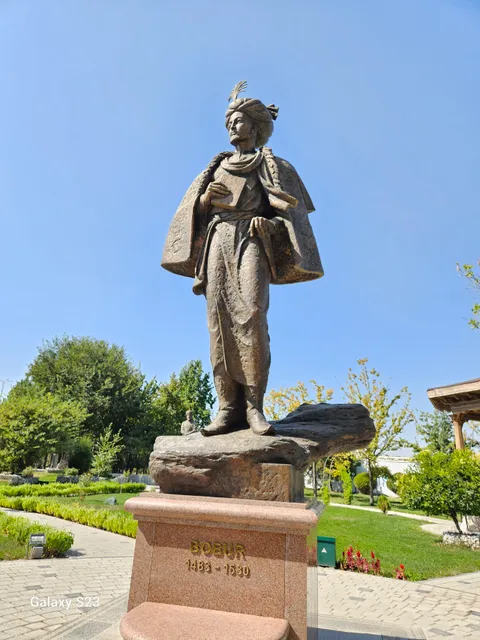
Alisher Navoi Monument
4.6
(84)
Open until 12:00 AM
Click for details
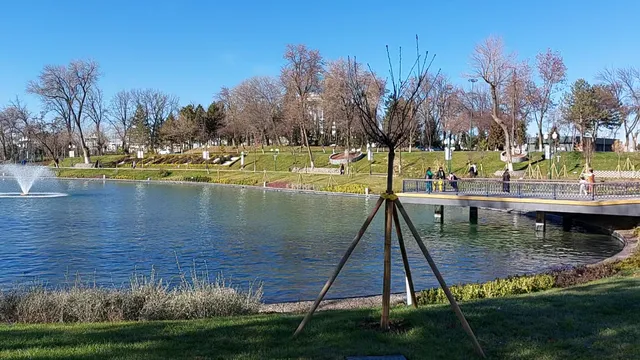
Milliy bog' (National Park)
4.6
(13)
Closed
Click for details
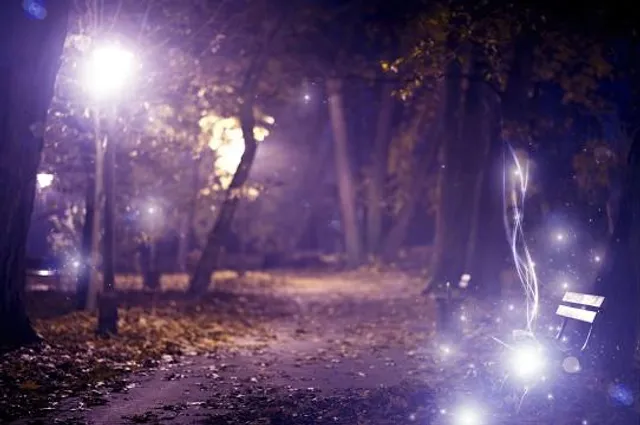
Magic City Park
4.6
(261)
Closed
Click for details
Nearby restaurants of Tashkent Museum under the State History Museum of Uzbekistan
Moida by Azon - Book Cafe
Chorlar
BASRI BABA
Tub Tim Thai Restaurant
CZN Burak Gurme
Lusiana Disco Tashkent
Safia cafe & bakery
Phosphorus
L TEA
Bon!

Moida by Azon - Book Cafe
4.6
(157)
Closed
Click for details
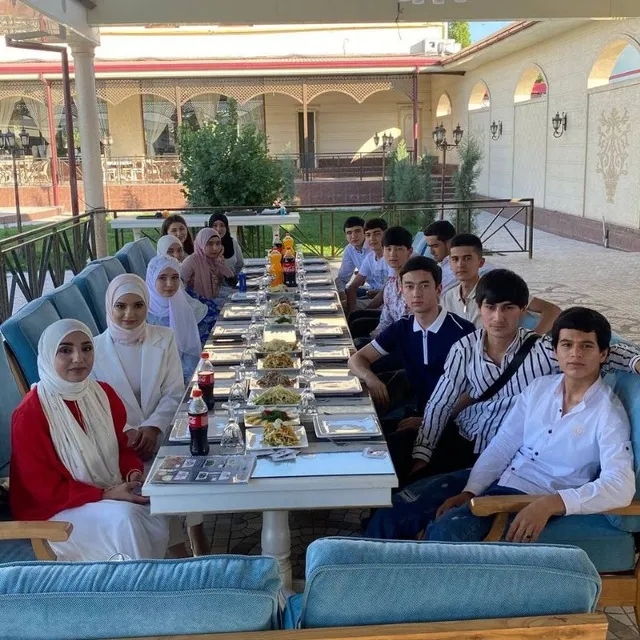
Chorlar
3.5
(55)
Closed
Click for details
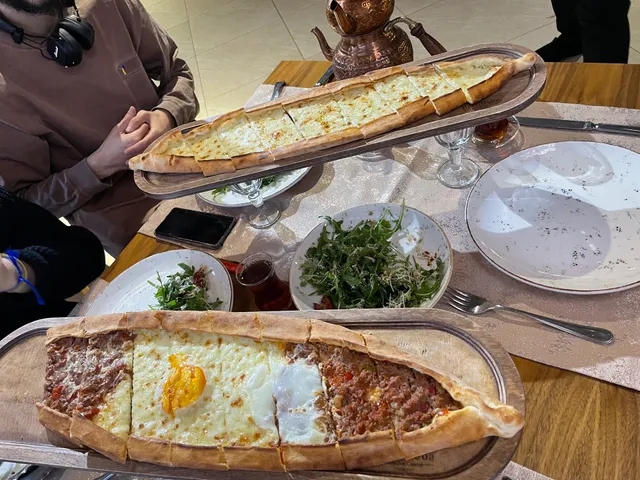
BASRI BABA
3.6
(78)
Closed
Click for details
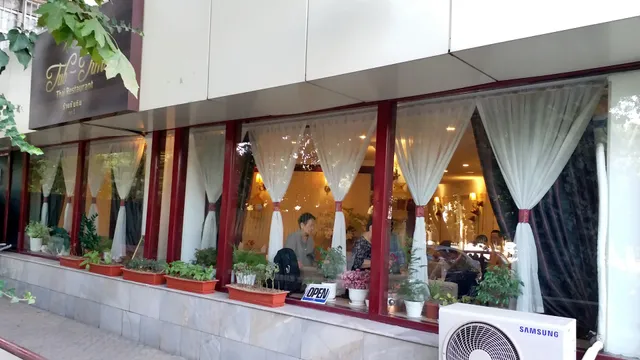
Tub Tim Thai Restaurant
4.7
(47)
Click for details
Nearby local services of Tashkent Museum under the State History Museum of Uzbekistan
New Uzbekistan National Park
National Park of Uzbekistan named after Alisher Navoi
Adiblar xiyoboni
Alley of Writers
Legislative Chamber of the Oliy Majlis
Pixel
Chapel of St. George the Victorious
Eshlik
Seoul
SATashkent
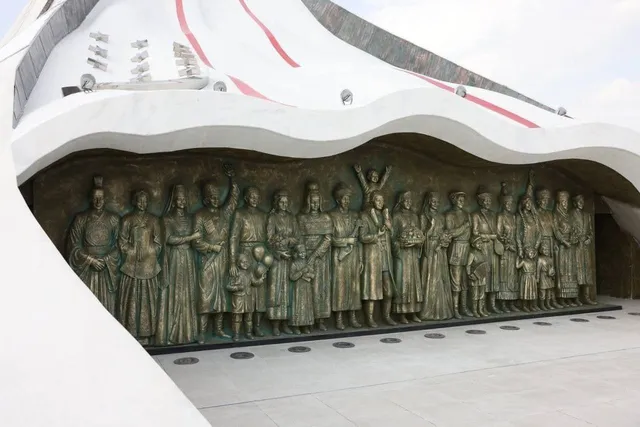
New Uzbekistan National Park
4.5
(262)
Click for details
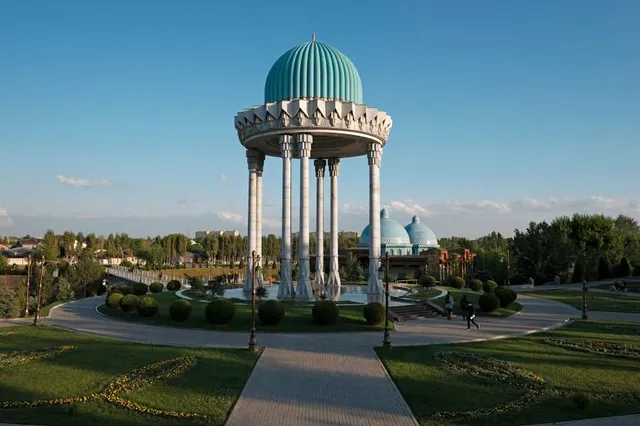
National Park of Uzbekistan named after Alisher Navoi
4.5
(131)
Click for details
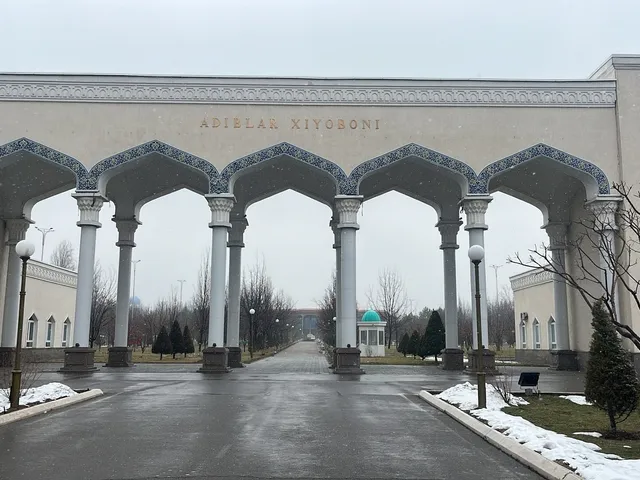
Adiblar xiyoboni
4.8
(51)
Click for details
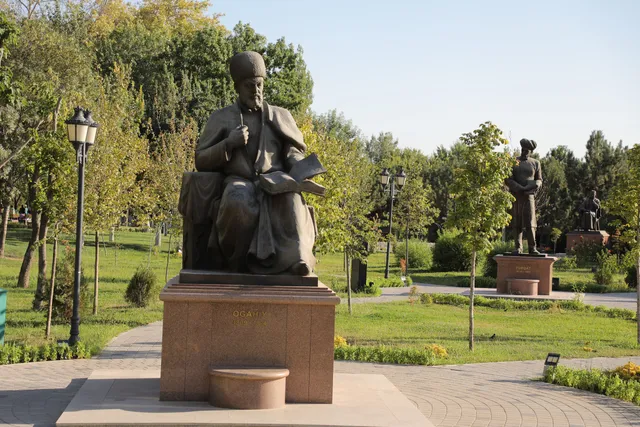
Alley of Writers
4.8
(13)
Click for details