HTML SitemapExplore

Rangpur Town Hall — Local services in Rangpur Division

Name
Rangpur Town Hall
Description
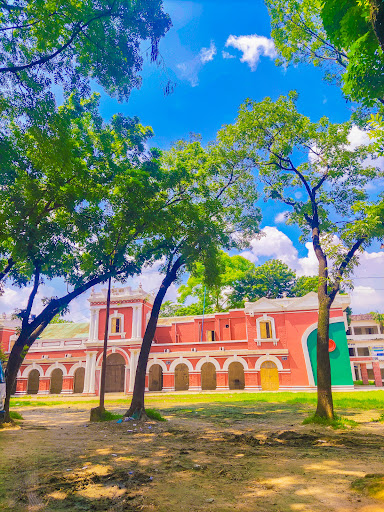
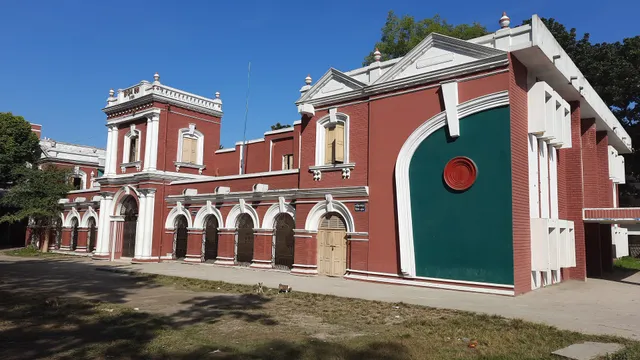
Rangpur Town Hall is a City hall situated at the heart of the city of Rangpur, Bangladesh. Established in 1896 by the historical Rongopur Natya Samaj it is one of the oldest of its kind in Bangladesh. It has a glorious history in the whole timeline of civic society in Rangpur.
Nearby attractions
Rangpur Zoo
N517, Rangpur 5400, Bangladesh
Nearby restaurants
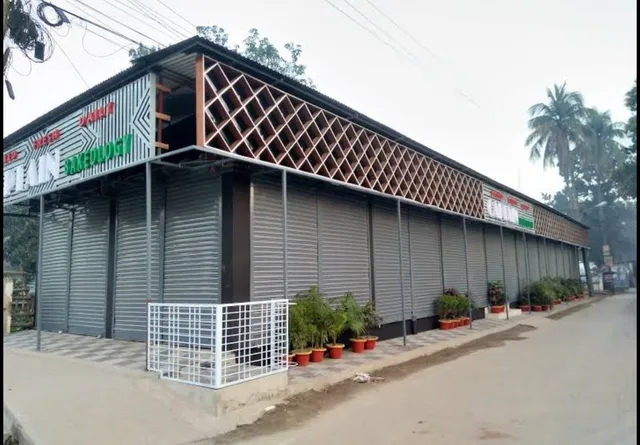
Captain Bakeology
Police Comunity hall, Police Line Road, Rangpur, Bangladesh
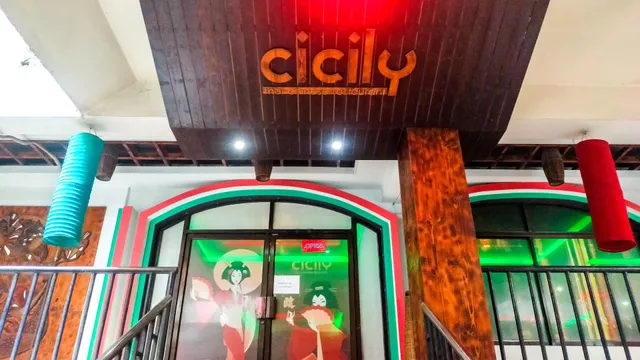
Cicily
City Bazar Rd, Rangpur, Bangladesh
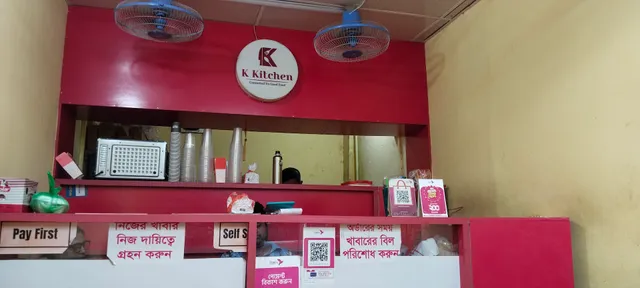
K Kitchen
Q64R+9R7 Bangobandhu chattar, Rangpur 5400, Bangladesh
Nearby local services
Chiklee Water Park, Rangpur
Chicklee Water Park, Honuman Tola Road, Rangpur 5400, Bangladesh
āϚāĻŋāĻ•āϞ⧀ āĻ“ā§ŸāĻžāϟāĻžāϰ āĻĒāĻžāĻ°ā§āĻ• āϰāĻ‚āĻĒ⧁āϰ, āϏ⧇āϞāĻĢāĻŋ āĻœā§‹āύ
Q67X+6VR, Rangpur, Bangladesh
Nearby hotels
Little Rangpur Inn
Kotwali Thana Rd, Rangpur 5400, Bangladesh
Grand Palace Rangpur
4 G L Roy Rd, Rangpur 5400, Bangladesh
Related posts
Keywords
Rangpur Town Hall tourism.Rangpur Town Hall hotels.Rangpur Town Hall bed and breakfast. flights to Rangpur Town Hall.Rangpur Town Hall attractions.Rangpur Town Hall restaurants.Rangpur Town Hall local services.Rangpur Town Hall travel.Rangpur Town Hall travel guide.Rangpur Town Hall travel blog.Rangpur Town Hall pictures.Rangpur Town Hall photos.Rangpur Town Hall travel tips.Rangpur Town Hall maps.Rangpur Town Hall things to do.
Rangpur Town Hall things to do, attractions, restaurants, events info and trip planning
Rangpur Town Hall
BangladeshRangpur DivisionRangpur Town Hall

Basic Info

Rangpur Town Hall

Q732+JG6 Town Hall, City Bazar Rd, Rangpur, Bangladesh
4.5(269)
Closed
Save
spot

Ratings & Description

Info

Rangpur Town Hall is a City hall situated at the heart of the city of Rangpur, Bangladesh. Established in 1896 by the historical Rongopur Natya Samaj it is one of the oldest of its kind in Bangladesh. It has a glorious history in the whole timeline of civic society in Rangpur.

Cultural
attractions: Rangpur Zoo, restaurants: Captain Bakeology, Cicily, K Kitchen, local businesses: Chiklee Water Park, Rangpur, āϚāĻŋāĻ•āϞ⧀ āĻ“ā§ŸāĻžāϟāĻžāϰ āĻĒāĻžāĻ°ā§āĻ• āϰāĻ‚āĻĒ⧁āϰ, āϏ⧇āϞāĻĢāĻŋ āĻœā§‹āύ
logoLearn more insights from Wanderboat AI.
Open hoursSee all hours
Sun9 AM - 5 PMClosed

Plan your stay

hotel
Pet-friendly Hotels in Rangpur Division
Find a cozy hotel nearby and make it a full experience.
hotel
Affordable Hotels in Rangpur Division
Find a cozy hotel nearby and make it a full experience.
hotel
The Coolest Hotels You Haven't Heard Of (Yet)
Find a cozy hotel nearby and make it a full experience.
hotel
Trending Stays Worth the Hype in Rangpur Division
Find a cozy hotel nearby and make it a full experience.

Reviews

Nearby attractions of Rangpur Town Hall

Rangpur Zoo

Rangpur Zoo

Rangpur Zoo

4.2

(2.3K)

Open until 12:00 AM
Click for details

Nearby restaurants of Rangpur Town Hall

Captain Bakeology

Cicily

K Kitchen

Captain Bakeology

Captain Bakeology

3.9

(514)

Closed
Click for details
Cicily

Cicily

4.2

(473)

$$

Closed
Click for details
K Kitchen

K Kitchen

4.3

(29)

Closed
Click for details

Nearby local services of Rangpur Town Hall

Chiklee Water Park, Rangpur

āϚāĻŋāĻ•āϞ⧀ āĻ“ā§ŸāĻžāϟāĻžāϰ āĻĒāĻžāĻ°ā§āĻ• āϰāĻ‚āĻĒ⧁āϰ, āϏ⧇āϞāĻĢāĻŋ āĻœā§‹āύ

Chiklee Water Park, Rangpur

Chiklee Water Park, Rangpur

4.3

(767)

Click for details
āϚāĻŋāĻ•āϞ⧀ āĻ“ā§ŸāĻžāϟāĻžāϰ āĻĒāĻžāĻ°ā§āĻ• āϰāĻ‚āĻĒ⧁āϰ, āϏ⧇āϞāĻĢāĻŋ āĻœā§‹āύ

āϚāĻŋāĻ•āϞ⧀ āĻ“ā§ŸāĻžāϟāĻžāϰ āĻĒāĻžāĻ°ā§āĻ• āϰāĻ‚āĻĒ⧁āϰ, āϏ⧇āϞāĻĢāĻŋ āĻœā§‹āύ

4.2

(163)

Click for details
Get the Appoverlay
Get the AppOne tap to find yournext favorite spots!
Wanderboat LogoWanderboat

Your everyday Al companion for getaway ideas

CompanyAbout Us
InformationAI Trip PlannerSitemap
SocialXInstagramTiktokLinkedin
LegalTerms of ServicePrivacy Policy

Get the app

Š 2025 Wanderboat. All rights reserved.

Posts

SA Rifat OsmanSA Rifat Osman
Rangpur town hall is the cultural hub of Rangpur. You'll often see different kinds of cultural events taking a place in this hall. In the town hall area, there are different types of cultural institutions like divisional and district libraries, Silpakala Academy, Rangpur Foundation, and Central Shahid Minar. The architecture of the building is cool feels like I'm lost in time. The red color brick and white color stripes make it iconic. The Intricate design in the entrance demonstrates patriotism. Rangpur town hall has a rich history. In 1896 the town hall was established by Rangpur Dramatic Association. The land donor was Mahima Ranjan Roy, the king of Kakina. The first drama ever performed in this hall was Samistha by Micheal Madhusudhan. The Town hall was used as a women's torture cell during our liberation war and it still stands with the memory of those terrible days. Nowadays, it acts like a communal hub for the locals. From afternoon the whole yard becomes a place of gathering for different age groups. People come to the library to read, some come to watch shows, and some just hang out. â—ŧī¸ Wheelchair is accessible. â—ŧī¸ Parking is available.
Mahatab litonMahatab liton
There is a big Zoo at the heart of the city. There is an ancient auditorium named 'Town Hall' at the center of the city, where different cultural programs are held. The economy of the people is weak since there is no major natural resource like minerals and industry. In the rural areas, there are no source of income for landless poor people. In the great Rangpur region, no economic development took place until the 90s, mainly because of the yearly flooding the region used to see before the making of "Teesta Barrage." The coal is found near this district. There is a large military cantonment in the town. "Bhinno Jogot" is a big theme park and a popular picnic spot which is situated 15 kilometres from Rangpur Town. Near the stadium, there is a very beautiful place called 'Chicli vata' surrounding bij many lakes and rice fields. JADU NIBASH - Radhaballav. An ancient house belonging to the former Prime Minister of Bangladesh (1979)
Audiology BangladeshAudiology Bangladesh
āϰāĻ‚āĻĒ⧁āϰ⧇āϰ āϏāĻ•āϞ āϏāĻžāĻ‚āĻ¸ā§āĻ•ā§ƒāϤāĻŋāĻ• āĻ•āĻ°ā§āĻŽāĻ•āĻžāĻŖā§āĻĄā§‡āϰ āĻĒā§āϰāĻžāĻŖāϕ⧇āĻ¨ā§āĻĻā§āϰ āϐāϤāĻŋāĻšā§āϝāĻŦāĻžāĻšā§€ āϰāĻ‚āĻĒ⧁āϰ āϟāĻžāωāύ āĻšāϞāĨ¤ āĻāϟāĻŋ āĻļ⧁āϧ⧁ āĻāĻ•āϟāĻŋ āĻ…āĻĄāĻŋāĻŸā§‹āϰāĻŋāϝāĻŧāĻžāĻŽ āĻŦāĻž āĻšāϞ āύāϝāĻŧ āĻ…āύ⧇āĻ• āϏāĻžāĻ‚āĻ¸ā§āĻ•ā§ƒāϤāĻŋāĻ• āϰāĻžāϜāύ⧈āϤāĻŋāĻ• āϏāĻžāĻŽāĻžāϜāĻŋāĻ• āĻ—āĻ āύāĻŽā§‚āϞāĻ• āĻ•āĻ°ā§āĻŽāĻ•āĻžāĻŖā§āĻĄā§‡āϰ āϏ⧂āϤāĻŋāĻ•āĻžāĻ—āĻžāϰāĨ¤ āϰāĻ‚āĻĒ⧁āϰ āĻ…āĻžā§āϚāϞ⧇āϰ āϏāĻ‚āĻ¸ā§āĻ•ā§ƒāϤāĻŋ āĻ“ āĻŽā§āĻ•ā§āϤāĻŦ⧁āĻĻā§āϧāĻŋ āϚāĻ°ā§āϚāĻžāϰ āĻĒā§āϰāĻžāĻŖ āϕ⧇āĻ¨ā§āĻĻā§āϰ āĻāχ āϟāĻžāωāύ āĻšāϞ āĻĨ⧇āϕ⧇āχ āĻ…āύ⧇āĻ• āĻ•ā§āώāĻŖāϜāĻ¨ā§āĻŽāĻž āĻĒ⧁āϰ⧋āϧāĻž āĻŦā§āϝāĻ•ā§āϤāĻŋāĻ¤ā§āĻŦ āĻŦāĻžāĻ™āĻžāϞ⧀ āϏāĻ‚āĻ¸ā§āĻ•ā§ƒāϤāĻŋāϰ āĻŽā§āĻ•ā§āϤ āϚāĻŋāĻ¨ā§āϤāĻžāϰ āĻĒāĻĨ āĻĻ⧇āĻ–āĻŋāϝāĻŧ⧇āϛ⧇āύāĨ¤ āĻŦāĻšā§ āϏāĻžāĻŽāĻžāϜāĻŋāĻ•, āϰāĻžāϜāύ⧈āϤāĻŋāĻ• āϏāĻ‚āĻ¸ā§āĻ•āĻžāϰ⧇āϰ āϏāĻžāĻ•ā§āώ⧀ āϰāĻ‚āĻĒ⧁āϰ āϟāĻžāωāύ āĻšāϞāĨ¤ āϰāĻ‚āĻĒ⧁āϰ⧇āϰ āĻ…āύ⧇āĻ• āĻ¸ā§āĻĨāĻžāĻĒāύāĻžāϰ āϏāĻžāĻĨ⧇ āĻŽāĻŋāĻļ⧇ āϰāϝāĻŧ⧇āϛ⧇ āĻ•āĻžāĻ•āĻŋāύāĻžāϰ āϰāĻžāϜāĻž āĻŽāĻšāĻŋāĻŽāĻž āĻŽāĻšāĻŋāĻŽāĻž āϰāĻžā§āϜāύ āϰāĻžāϝāĻŧ⧇āϰ āύāĻžāĻŽāĨ¤ āύāĻŋāĻœā§‡āϰ āĻĒā§āϰāĻžāϤāĻŋāĻˇā§āĻ āĻžāύāĻŋāĻ• āĻļāĻŋāĻ•ā§āώāĻž āϖ⧁āĻŦ āĻŦ⧇āĻļā§€ āύāĻž āĻĨāĻžāĻ•āϞ⧇āĻ“ āϤāĻŋāύāĻŋ āĻ›āĻŋāϞ⧇āύ āĻļāĻŋāĻ•ā§āώāĻžāύ⧁āϰāĻžāĻ—ā§€ āĻŦā§āϝāĻ•ā§āϤāĻŋāĻ¤ā§āĻŦāĨ¤ āĻļāĻŋāĻ•ā§āώāĻžāϰ āĻĒā§āϰāϤāĻŋ āĻ…āĻ—āĻžāϧ āĻ­āĻžāϞāĻŦāĻžāϏāĻž āĻĨ⧇āϕ⧇ āĻ…āύāĻ—ā§āϰāϏāϰ āĻŦāĻžāĻ™āĻžāϞāĻŋāϕ⧇ āϏ⧁āĻļāĻŋāĻ•ā§āώāĻžāϰ āφāϞ⧋āϝāĻŧ āφāϞ⧋āĻ•āĻŋāϤ āĻ•āϰāĻžāϰ āϜāĻ¨ā§āϝ āĻŦāĻšā§ āĻļāĻŋāĻ•ā§āώāĻž āĻĒā§āϰāϤāĻŋāĻˇā§āĻ āĻžāύ, āϞāĻžāχāĻŦā§āϰ⧇āϰ⧀āϰ āϜāĻ¨ā§āϝ āϜāĻŽāĻŋ āĻĻāĻžāύ āĻ•āϰ⧇āύ āϤāĻŋāύāĻŋāĨ¤ āĻāĻ–āύ⧋ āϰāĻ‚āĻĒ⧁āϰ āϟāĻžāωāύ āĻšāϞ, āĻ•ā§ˆāϞāĻžāĻļāϰāĻžā§āϜāύ āĻ¸ā§āϕ⧁āϞ, āϰāĻ‚āĻĒ⧁āϰ āĻĒāĻžāĻŦāϞāĻŋāĻ• āϞāĻžāχāĻŦā§āϰ⧇āϰ⧀ āϤāĻžāϰāĻŋ āĻŽāĻšāĻŋāĻŽāĻžāϰ āĻ—ā§ŒāϰāĻŦ āĻ—āĻžāĻĨāĻž āĻ¸ā§āĻŽāϰāĻŖ āĻ•āϰāĻŋāϝāĻŧ⧇ āĻĻ⧇āϝāĻŧāĨ¤ āĻāχ āĻ…āĻžā§āϚāϞ⧇āϰ āύāĻžāĻŸā§āϝāϚāĻ°ā§āϚāĻž āĻ“ āϏāĻžāĻ‚āĻ¸ā§āĻ•ā§ƒāϤāĻŋāĻ• āĻ•āĻ°ā§āĻŽāĻ•āĻžāĻŖā§āĻĄ āĻŦāĻŋāĻ•āĻžāĻļ⧇āϰ āϜāĻ¨ā§āϝ ā§§ā§Žā§Žā§Ģ āϏāĻžāϞ⧇ āĻ¤ā§ŽāĻ•āĻžāϞ⧀āύ āϰāĻ™ā§āĻ—āĻĒ⧁āϰ āύāĻžāĻŸā§āϝ āϏāĻŽāĻžāϜ (āϰāĻ‚āĻĒ⧁āϰ āĻĄā§āϰāĻžāĻŽāĻžāϟāĻŋāĻ• āĻā§āϝāĻžāϏ⧋āϏāĻŋāϝāĻŧ⧇āĻļāύ āĻŦāĻž āφāϰ.āĻĄāĻŋ.āĻ) āĻāĻ•āϟāĻŋ āϰāĻ™ā§āĻ— āĻŽāĻžā§āϚ āĻŦāĻžāύāĻžāύ⧋āϰ āωāĻĻā§āϝ⧋āĻ— āĻ—ā§āϰāĻšāĻŖ āĻ•āϰ⧇āĨ¤ āĻāĻ•ā§āώ⧇āĻ¤ā§āϰ⧇āĻ“ āĻāĻ—āĻŋāϝāĻŧ⧇ āφāϏ⧇āύ āĻ•āĻžāĻ•āĻŋāύāĻžāϰ āϰāĻžāϜāĻž āĻŽāĻšāĻŋāĻŽāĻž āϰāĻžā§āϜāύ āϰāĻžāϝāĻŧāĨ¤ ā§§ā§Žā§¯ā§§ āϏāĻžāϞ⧇ āϰāĻ‚āĻĒ⧁āϰ⧇āϰ āĻ‰ā§ŽāϏāĻžāĻšāĻŋāϤ āύāĻžāĻŸā§āϝ āϏāĻŽāĻžāϜāϕ⧇ āĻāĻ•āϟāĻŋ āϰāĻ™ā§āĻ—āĻļāĻžāϞāĻž āĻĒā§āϰāϤāĻŋāĻˇā§āĻ āĻžāϰ āϜāĻ¨ā§āϝ āϤāĻŋāύāĻŋ ā§§ā§Ļ āĻŦāĻŋāϘāĻž ā§Š āĻ•āĻžāĻ āĻž āϜāĻŽāĻŋ āχāĻ‚āϰ⧇āϜ āϏāϰāĻ•āĻžāϰ⧇āϰ āĻŦāϰāĻžāĻŦāϰ⧇ āϞāĻŋāϖ⧇ āĻĻ⧇āύāĨ¤ āϰāĻ‚āĻĒ⧁āϰ⧇āϰ āĻ¤ā§ŽāĻ•āĻžāϞ⧀āύ āĻ•āĻžāϞ⧇āĻ•ā§āϟāϰ āĻĢā§āϰāĻžāĻ¨ā§āϏāĻŋāϏ āĻšā§‡āύāϰ⧀ āĻ¸ā§āĻ•ā§āϰāĻžāχāύ āϤāĻŋāύāĻŋ āĻĒāϰāĻŦāĻ°ā§āϤ⧀āϤ⧇ āϤāĻž āĻĻāĻ–āϞ āĻĻ⧇āύ āϰāĻ‚āĻĒ⧁āϰ āύāĻžāĻŸā§āϝ āϏāĻŽāĻžāϜāϕ⧇āĨ¤ ā§§ā§Žā§¯ā§Ŧ āϏāĻžāϞ⧇ āϏ⧇āĻ•ā§āϰ⧇āϟāĻžāϰāĻŋ āĻ…āĻĢ āĻ¸ā§āĻŸā§‡āϟ āχāĻ¨ā§āĻĄāĻŋāϝāĻŧāĻžāύ āĻ•āĻžāωāĻ¨ā§āϏāĻŋāϞ āĻ“ āϰāĻ‚āĻĒ⧁āϰ āύāĻžāĻŸā§āϝ āϏāĻŽāĻžāĻœā§‡āϰ āĻŽāĻ§ā§āϝ⧇ āϝ⧇ āĻĻāϞāĻŋāϞ āϏāĻŽā§āĻĒāĻžāĻĻāĻŋāϤ āĻšāϝāĻŧ, āϏ⧇āχ āĻĻāϞāĻŋāϞ āĻ…āύ⧁āϝāĻžāϝāĻŧā§€ āϰāĻ‚āĻĒ⧁āϰ āύāĻžāĻŸā§āϝ āϏāĻŽāĻžāϜ āϤāĻž āĻŽāĻžāϞāĻŋāĻ•āĻžāύāĻžāϰ āĻ…āϧāĻŋāĻ•āĻžāϰ⧀ āĻšāϝāĻŧāĨ¤ āϜāĻŽāĻŋāϰ āĻŽāĻžāϞāĻŋāĻ•āĻžāύāĻž āϞāĻžāϭ⧇āϰ āĻĒāϰ āĻĒā§āϰāĻĨāĻŽā§‡ āĻāĻ–āĻžāύ⧇ āĻāĻ•āϟāĻŋ āϚāĻžāϞāĻž āϘāϰ⧇ āύāĻžāĻŸā§āϝ āϚāĻ°ā§āϚāĻžāϰ āĻļ⧁āϰ⧁ āĻšāϝāĻŧāĨ¤ āϏ⧂āϚāύāĻžāϞāĻ—ā§āύ⧇ āĻāϰ āύāĻžāĻŽ āĻ›āĻŋāϞ "āϰāĻ‚āĻĒ⧁āϰ āύāĻžāĻŸā§āϝ āϏāĻŽāĻžāϜ āĻ—ā§ƒāĻš"āĨ¤ āĻāχ āϰāĻ™ā§āĻ— āĻŽāĻžā§āĻšā§‡ āĻĒā§āϰāĻĨāĻŽ āύāĻžāϟāĻ• āĻšāĻŋāϏ⧇āĻŦ⧇ āĻŽāĻžā§āϚāĻ¸ā§āĻĨ āĻšāϝāĻŧ āĻŽāϧ⧁āϏ⧂āĻĻāύ āĻĻāĻ¤ā§āϤ⧇āϰ "āĻļāĻ°ā§āĻŽāĻŋāĻˇā§āĻ āĻž"āĨ¤ āϟāĻžāωāύ āĻšāϞ āĻ•ā§āϝāĻžāĻŽā§āĻĒāĻžāϏ⧇āχ āϰāϝāĻŧ⧇āϛ⧇ āĻ…āĻŦāĻŋāĻ­āĻ•ā§āϤ āĻ­āĻžāϰāϤ⧇āϰ āĻ…āĻ¨ā§āϝāϤāĻŽ āĻĒā§āϰāĻžāĻšā§€āύ āϞāĻžāχāĻŦā§āϰ⧇āϰāĻŋāϗ⧁āϞāĻŋāϰ āĻāĻ•āϟāĻŋ āϰāĻ‚āĻĒ⧁āϰ āĻĒāĻžāĻŦāϞāĻŋāĻ• āϞāĻžāχāĻŦā§āϰ⧇āϰ⧀āĨ¤ āϝāĻž āĻ¸ā§āĻĨāĻžāĻĒāĻŋāϤ āĻšāϝāĻŧ⧇āĻ›āĻŋāϞ ā§§ā§Žā§Ģā§Ē āϏāĻžāϞ⧇āĨ¤ āϰāĻ‚āĻĒ⧁āϰ āĻĒāĻžāĻŦāϞāĻŋāĻ• āϞāĻžāχāĻŦā§āϰ⧇āϰ⧀āϕ⧇ āϕ⧇āĻ¨ā§āĻĻā§āϰ āĻ•āϰ⧇āχ āϞāĻžāχāĻŦā§āϰ⧇āϰ⧀ āĻ­āĻŦāύ⧇āϰ āĻāĻ•āĻžāĻ‚āĻļ⧇ āĻĒā§āϰāϤāĻŋāĻˇā§āĻ āĻŋāϤ āĻšāϝāĻŧ āϰāĻ™ā§āĻ—āĻĒ⧁āϰ āϏāĻžāĻšāĻŋāĻ¤ā§āϝ āĻĒāϰāĻŋāώāĻĻ āϝāĻž āĻ•āϞāĻ•āĻžāϤāĻžāϰ āĻŦāĻžāχāϰ⧇ āĻŦāĻ™ā§āĻ—ā§€āϝāĻŧ āϏāĻžāĻšāĻŋāĻ¤ā§āϝ āĻĒāϰāĻŋāώāĻĻ⧇āϰ āĻĒā§āϰāĻĨāĻŽ āĻļāĻžāĻ–āĻžāĨ¤ āĻĒāĻžāĻļ⧇āχ āϰāϝāĻŧ⧇āϛ⧇ āĻ¸ā§āĻĨāĻĒāϤāĻŋ āϤāĻžāϜ āωāĻĻā§āĻĻāĻŋāύ āϚ⧌āϧ⧁āϰ⧀āϰ āĻĄāĻŋāϜāĻžāχāύ⧇ āĻ•āϰāĻž āφāϧ⧁āύāĻŋāĻ• āĻ¸ā§āĻĨāĻžāĻĒāĻ¤ā§āϝ āĻļ⧈āϞ⧀āϰ āĻ…āĻĒā§‚āĻ°ā§āĻŦ āύāĻŋāĻĻāĻ°ā§āĻļāύ āϰāĻ‚āĻĒ⧁āϰ āϕ⧇āĻ¨ā§āĻĻā§āϰ⧀āϝāĻŧ āĻļāĻšā§€āĻĻ āĻŽāĻŋāύāĻžāϰāĨ¤ ā§­ā§Ļ'āϰ āĻĻāĻļāϕ⧇āϰ āĻļ⧇āώāĻ­āĻžāϗ⧇ āĻāχ āĻļāĻšā§€āĻĻ āĻŽāĻŋāύāĻžāϰ⧇āϰ āĻ­āĻŋāĻ¤ā§āϤāĻŋāĻĒā§āϰāĻ¸ā§āϤāϰ āĻ¸ā§āĻĨāĻžāĻĒāύ āĻ•āϰ⧇āύ āϰāĻ‚āĻĒ⧁āϰ āĻ…āĻžā§āϚāϞ⧇ āĻŽā§āĻ•ā§āϤāĻŋāϝ⧁āĻĻā§āϧ⧇ āĻĒā§āϰāĻĨāĻŽ āĻļāĻšā§€āĻĻ āĻļāĻ‚āϕ⧁ āϏāĻŽāϜāĻĻāĻžāϰ⧇āϰ āĻŽāĻž āĻĻā§€āĻĒāĻžāϞ⧀ āϏāĻŽāϜāĻĻāĻžāϰāĨ¤
See more posts
See more posts
hotel
Find your stay

Pet-friendly Hotels in Rangpur Division

Find a cozy hotel nearby and make it a full experience.

Rangpur town hall is the cultural hub of Rangpur. You'll often see different kinds of cultural events taking a place in this hall. In the town hall area, there are different types of cultural institutions like divisional and district libraries, Silpakala Academy, Rangpur Foundation, and Central Shahid Minar. The architecture of the building is cool feels like I'm lost in time. The red color brick and white color stripes make it iconic. The Intricate design in the entrance demonstrates patriotism. Rangpur town hall has a rich history. In 1896 the town hall was established by Rangpur Dramatic Association. The land donor was Mahima Ranjan Roy, the king of Kakina. The first drama ever performed in this hall was Samistha by Micheal Madhusudhan. The Town hall was used as a women's torture cell during our liberation war and it still stands with the memory of those terrible days. Nowadays, it acts like a communal hub for the locals. From afternoon the whole yard becomes a place of gathering for different age groups. People come to the library to read, some come to watch shows, and some just hang out. â—ŧī¸ Wheelchair is accessible. â—ŧī¸ Parking is available.
SA Rifat Osman

SA Rifat Osman

hotel
Find your stay

Affordable Hotels in Rangpur Division

Find a cozy hotel nearby and make it a full experience.

Get the Appoverlay
Get the AppOne tap to find yournext favorite spots!
There is a big Zoo at the heart of the city. There is an ancient auditorium named 'Town Hall' at the center of the city, where different cultural programs are held. The economy of the people is weak since there is no major natural resource like minerals and industry. In the rural areas, there are no source of income for landless poor people. In the great Rangpur region, no economic development took place until the 90s, mainly because of the yearly flooding the region used to see before the making of "Teesta Barrage." The coal is found near this district. There is a large military cantonment in the town. "Bhinno Jogot" is a big theme park and a popular picnic spot which is situated 15 kilometres from Rangpur Town. Near the stadium, there is a very beautiful place called 'Chicli vata' surrounding bij many lakes and rice fields. JADU NIBASH - Radhaballav. An ancient house belonging to the former Prime Minister of Bangladesh (1979)
Mahatab liton

Mahatab liton

hotel
Find your stay

The Coolest Hotels You Haven't Heard Of (Yet)

Find a cozy hotel nearby and make it a full experience.

hotel
Find your stay

Trending Stays Worth the Hype in Rangpur Division

Find a cozy hotel nearby and make it a full experience.

āϰāĻ‚āĻĒ⧁āϰ⧇āϰ āϏāĻ•āϞ āϏāĻžāĻ‚āĻ¸ā§āĻ•ā§ƒāϤāĻŋāĻ• āĻ•āĻ°ā§āĻŽāĻ•āĻžāĻŖā§āĻĄā§‡āϰ āĻĒā§āϰāĻžāĻŖāϕ⧇āĻ¨ā§āĻĻā§āϰ āϐāϤāĻŋāĻšā§āϝāĻŦāĻžāĻšā§€ āϰāĻ‚āĻĒ⧁āϰ āϟāĻžāωāύ āĻšāϞāĨ¤ āĻāϟāĻŋ āĻļ⧁āϧ⧁ āĻāĻ•āϟāĻŋ āĻ…āĻĄāĻŋāĻŸā§‹āϰāĻŋāϝāĻŧāĻžāĻŽ āĻŦāĻž āĻšāϞ āύāϝāĻŧ āĻ…āύ⧇āĻ• āϏāĻžāĻ‚āĻ¸ā§āĻ•ā§ƒāϤāĻŋāĻ• āϰāĻžāϜāύ⧈āϤāĻŋāĻ• āϏāĻžāĻŽāĻžāϜāĻŋāĻ• āĻ—āĻ āύāĻŽā§‚āϞāĻ• āĻ•āĻ°ā§āĻŽāĻ•āĻžāĻŖā§āĻĄā§‡āϰ āϏ⧂āϤāĻŋāĻ•āĻžāĻ—āĻžāϰāĨ¤ āϰāĻ‚āĻĒ⧁āϰ āĻ…āĻžā§āϚāϞ⧇āϰ āϏāĻ‚āĻ¸ā§āĻ•ā§ƒāϤāĻŋ āĻ“ āĻŽā§āĻ•ā§āϤāĻŦ⧁āĻĻā§āϧāĻŋ āϚāĻ°ā§āϚāĻžāϰ āĻĒā§āϰāĻžāĻŖ āϕ⧇āĻ¨ā§āĻĻā§āϰ āĻāχ āϟāĻžāωāύ āĻšāϞ āĻĨ⧇āϕ⧇āχ āĻ…āύ⧇āĻ• āĻ•ā§āώāĻŖāϜāĻ¨ā§āĻŽāĻž āĻĒ⧁āϰ⧋āϧāĻž āĻŦā§āϝāĻ•ā§āϤāĻŋāĻ¤ā§āĻŦ āĻŦāĻžāĻ™āĻžāϞ⧀ āϏāĻ‚āĻ¸ā§āĻ•ā§ƒāϤāĻŋāϰ āĻŽā§āĻ•ā§āϤ āϚāĻŋāĻ¨ā§āϤāĻžāϰ āĻĒāĻĨ āĻĻ⧇āĻ–āĻŋāϝāĻŧ⧇āϛ⧇āύāĨ¤ āĻŦāĻšā§ āϏāĻžāĻŽāĻžāϜāĻŋāĻ•, āϰāĻžāϜāύ⧈āϤāĻŋāĻ• āϏāĻ‚āĻ¸ā§āĻ•āĻžāϰ⧇āϰ āϏāĻžāĻ•ā§āώ⧀ āϰāĻ‚āĻĒ⧁āϰ āϟāĻžāωāύ āĻšāϞāĨ¤ āϰāĻ‚āĻĒ⧁āϰ⧇āϰ āĻ…āύ⧇āĻ• āĻ¸ā§āĻĨāĻžāĻĒāύāĻžāϰ āϏāĻžāĻĨ⧇ āĻŽāĻŋāĻļ⧇ āϰāϝāĻŧ⧇āϛ⧇ āĻ•āĻžāĻ•āĻŋāύāĻžāϰ āϰāĻžāϜāĻž āĻŽāĻšāĻŋāĻŽāĻž āĻŽāĻšāĻŋāĻŽāĻž āϰāĻžā§āϜāύ āϰāĻžāϝāĻŧ⧇āϰ āύāĻžāĻŽāĨ¤ āύāĻŋāĻœā§‡āϰ āĻĒā§āϰāĻžāϤāĻŋāĻˇā§āĻ āĻžāύāĻŋāĻ• āĻļāĻŋāĻ•ā§āώāĻž āϖ⧁āĻŦ āĻŦ⧇āĻļā§€ āύāĻž āĻĨāĻžāĻ•āϞ⧇āĻ“ āϤāĻŋāύāĻŋ āĻ›āĻŋāϞ⧇āύ āĻļāĻŋāĻ•ā§āώāĻžāύ⧁āϰāĻžāĻ—ā§€ āĻŦā§āϝāĻ•ā§āϤāĻŋāĻ¤ā§āĻŦāĨ¤ āĻļāĻŋāĻ•ā§āώāĻžāϰ āĻĒā§āϰāϤāĻŋ āĻ…āĻ—āĻžāϧ āĻ­āĻžāϞāĻŦāĻžāϏāĻž āĻĨ⧇āϕ⧇ āĻ…āύāĻ—ā§āϰāϏāϰ āĻŦāĻžāĻ™āĻžāϞāĻŋāϕ⧇ āϏ⧁āĻļāĻŋāĻ•ā§āώāĻžāϰ āφāϞ⧋āϝāĻŧ āφāϞ⧋āĻ•āĻŋāϤ āĻ•āϰāĻžāϰ āϜāĻ¨ā§āϝ āĻŦāĻšā§ āĻļāĻŋāĻ•ā§āώāĻž āĻĒā§āϰāϤāĻŋāĻˇā§āĻ āĻžāύ, āϞāĻžāχāĻŦā§āϰ⧇āϰ⧀āϰ āϜāĻ¨ā§āϝ āϜāĻŽāĻŋ āĻĻāĻžāύ āĻ•āϰ⧇āύ āϤāĻŋāύāĻŋāĨ¤ āĻāĻ–āύ⧋ āϰāĻ‚āĻĒ⧁āϰ āϟāĻžāωāύ āĻšāϞ, āĻ•ā§ˆāϞāĻžāĻļāϰāĻžā§āϜāύ āĻ¸ā§āϕ⧁āϞ, āϰāĻ‚āĻĒ⧁āϰ āĻĒāĻžāĻŦāϞāĻŋāĻ• āϞāĻžāχāĻŦā§āϰ⧇āϰ⧀ āϤāĻžāϰāĻŋ āĻŽāĻšāĻŋāĻŽāĻžāϰ āĻ—ā§ŒāϰāĻŦ āĻ—āĻžāĻĨāĻž āĻ¸ā§āĻŽāϰāĻŖ āĻ•āϰāĻŋāϝāĻŧ⧇ āĻĻ⧇āϝāĻŧāĨ¤ āĻāχ āĻ…āĻžā§āϚāϞ⧇āϰ āύāĻžāĻŸā§āϝāϚāĻ°ā§āϚāĻž āĻ“ āϏāĻžāĻ‚āĻ¸ā§āĻ•ā§ƒāϤāĻŋāĻ• āĻ•āĻ°ā§āĻŽāĻ•āĻžāĻŖā§āĻĄ āĻŦāĻŋāĻ•āĻžāĻļ⧇āϰ āϜāĻ¨ā§āϝ ā§§ā§Žā§Žā§Ģ āϏāĻžāϞ⧇ āĻ¤ā§ŽāĻ•āĻžāϞ⧀āύ āϰāĻ™ā§āĻ—āĻĒ⧁āϰ āύāĻžāĻŸā§āϝ āϏāĻŽāĻžāϜ (āϰāĻ‚āĻĒ⧁āϰ āĻĄā§āϰāĻžāĻŽāĻžāϟāĻŋāĻ• āĻā§āϝāĻžāϏ⧋āϏāĻŋāϝāĻŧ⧇āĻļāύ āĻŦāĻž āφāϰ.āĻĄāĻŋ.āĻ) āĻāĻ•āϟāĻŋ āϰāĻ™ā§āĻ— āĻŽāĻžā§āϚ āĻŦāĻžāύāĻžāύ⧋āϰ āωāĻĻā§āϝ⧋āĻ— āĻ—ā§āϰāĻšāĻŖ āĻ•āϰ⧇āĨ¤ āĻāĻ•ā§āώ⧇āĻ¤ā§āϰ⧇āĻ“ āĻāĻ—āĻŋāϝāĻŧ⧇ āφāϏ⧇āύ āĻ•āĻžāĻ•āĻŋāύāĻžāϰ āϰāĻžāϜāĻž āĻŽāĻšāĻŋāĻŽāĻž āϰāĻžā§āϜāύ āϰāĻžāϝāĻŧāĨ¤ ā§§ā§Žā§¯ā§§ āϏāĻžāϞ⧇ āϰāĻ‚āĻĒ⧁āϰ⧇āϰ āĻ‰ā§ŽāϏāĻžāĻšāĻŋāϤ āύāĻžāĻŸā§āϝ āϏāĻŽāĻžāϜāϕ⧇ āĻāĻ•āϟāĻŋ āϰāĻ™ā§āĻ—āĻļāĻžāϞāĻž āĻĒā§āϰāϤāĻŋāĻˇā§āĻ āĻžāϰ āϜāĻ¨ā§āϝ āϤāĻŋāύāĻŋ ā§§ā§Ļ āĻŦāĻŋāϘāĻž ā§Š āĻ•āĻžāĻ āĻž āϜāĻŽāĻŋ āχāĻ‚āϰ⧇āϜ āϏāϰāĻ•āĻžāϰ⧇āϰ āĻŦāϰāĻžāĻŦāϰ⧇ āϞāĻŋāϖ⧇ āĻĻ⧇āύāĨ¤ āϰāĻ‚āĻĒ⧁āϰ⧇āϰ āĻ¤ā§ŽāĻ•āĻžāϞ⧀āύ āĻ•āĻžāϞ⧇āĻ•ā§āϟāϰ āĻĢā§āϰāĻžāĻ¨ā§āϏāĻŋāϏ āĻšā§‡āύāϰ⧀ āĻ¸ā§āĻ•ā§āϰāĻžāχāύ āϤāĻŋāύāĻŋ āĻĒāϰāĻŦāĻ°ā§āϤ⧀āϤ⧇ āϤāĻž āĻĻāĻ–āϞ āĻĻ⧇āύ āϰāĻ‚āĻĒ⧁āϰ āύāĻžāĻŸā§āϝ āϏāĻŽāĻžāϜāϕ⧇āĨ¤ ā§§ā§Žā§¯ā§Ŧ āϏāĻžāϞ⧇ āϏ⧇āĻ•ā§āϰ⧇āϟāĻžāϰāĻŋ āĻ…āĻĢ āĻ¸ā§āĻŸā§‡āϟ āχāĻ¨ā§āĻĄāĻŋāϝāĻŧāĻžāύ āĻ•āĻžāωāĻ¨ā§āϏāĻŋāϞ āĻ“ āϰāĻ‚āĻĒ⧁āϰ āύāĻžāĻŸā§āϝ āϏāĻŽāĻžāĻœā§‡āϰ āĻŽāĻ§ā§āϝ⧇ āϝ⧇ āĻĻāϞāĻŋāϞ āϏāĻŽā§āĻĒāĻžāĻĻāĻŋāϤ āĻšāϝāĻŧ, āϏ⧇āχ āĻĻāϞāĻŋāϞ āĻ…āύ⧁āϝāĻžāϝāĻŧā§€ āϰāĻ‚āĻĒ⧁āϰ āύāĻžāĻŸā§āϝ āϏāĻŽāĻžāϜ āϤāĻž āĻŽāĻžāϞāĻŋāĻ•āĻžāύāĻžāϰ āĻ…āϧāĻŋāĻ•āĻžāϰ⧀ āĻšāϝāĻŧāĨ¤ āϜāĻŽāĻŋāϰ āĻŽāĻžāϞāĻŋāĻ•āĻžāύāĻž āϞāĻžāϭ⧇āϰ āĻĒāϰ āĻĒā§āϰāĻĨāĻŽā§‡ āĻāĻ–āĻžāύ⧇ āĻāĻ•āϟāĻŋ āϚāĻžāϞāĻž āϘāϰ⧇ āύāĻžāĻŸā§āϝ āϚāĻ°ā§āϚāĻžāϰ āĻļ⧁āϰ⧁ āĻšāϝāĻŧāĨ¤ āϏ⧂āϚāύāĻžāϞāĻ—ā§āύ⧇ āĻāϰ āύāĻžāĻŽ āĻ›āĻŋāϞ "āϰāĻ‚āĻĒ⧁āϰ āύāĻžāĻŸā§āϝ āϏāĻŽāĻžāϜ āĻ—ā§ƒāĻš"āĨ¤ āĻāχ āϰāĻ™ā§āĻ— āĻŽāĻžā§āĻšā§‡ āĻĒā§āϰāĻĨāĻŽ āύāĻžāϟāĻ• āĻšāĻŋāϏ⧇āĻŦ⧇ āĻŽāĻžā§āϚāĻ¸ā§āĻĨ āĻšāϝāĻŧ āĻŽāϧ⧁āϏ⧂āĻĻāύ āĻĻāĻ¤ā§āϤ⧇āϰ "āĻļāĻ°ā§āĻŽāĻŋāĻˇā§āĻ āĻž"āĨ¤ āϟāĻžāωāύ āĻšāϞ āĻ•ā§āϝāĻžāĻŽā§āĻĒāĻžāϏ⧇āχ āϰāϝāĻŧ⧇āϛ⧇ āĻ…āĻŦāĻŋāĻ­āĻ•ā§āϤ āĻ­āĻžāϰāϤ⧇āϰ āĻ…āĻ¨ā§āϝāϤāĻŽ āĻĒā§āϰāĻžāĻšā§€āύ āϞāĻžāχāĻŦā§āϰ⧇āϰāĻŋāϗ⧁āϞāĻŋāϰ āĻāĻ•āϟāĻŋ āϰāĻ‚āĻĒ⧁āϰ āĻĒāĻžāĻŦāϞāĻŋāĻ• āϞāĻžāχāĻŦā§āϰ⧇āϰ⧀āĨ¤ āϝāĻž āĻ¸ā§āĻĨāĻžāĻĒāĻŋāϤ āĻšāϝāĻŧ⧇āĻ›āĻŋāϞ ā§§ā§Žā§Ģā§Ē āϏāĻžāϞ⧇āĨ¤ āϰāĻ‚āĻĒ⧁āϰ āĻĒāĻžāĻŦāϞāĻŋāĻ• āϞāĻžāχāĻŦā§āϰ⧇āϰ⧀āϕ⧇ āϕ⧇āĻ¨ā§āĻĻā§āϰ āĻ•āϰ⧇āχ āϞāĻžāχāĻŦā§āϰ⧇āϰ⧀ āĻ­āĻŦāύ⧇āϰ āĻāĻ•āĻžāĻ‚āĻļ⧇ āĻĒā§āϰāϤāĻŋāĻˇā§āĻ āĻŋāϤ āĻšāϝāĻŧ āϰāĻ™ā§āĻ—āĻĒ⧁āϰ āϏāĻžāĻšāĻŋāĻ¤ā§āϝ āĻĒāϰāĻŋāώāĻĻ āϝāĻž āĻ•āϞāĻ•āĻžāϤāĻžāϰ āĻŦāĻžāχāϰ⧇ āĻŦāĻ™ā§āĻ—ā§€āϝāĻŧ āϏāĻžāĻšāĻŋāĻ¤ā§āϝ āĻĒāϰāĻŋāώāĻĻ⧇āϰ āĻĒā§āϰāĻĨāĻŽ āĻļāĻžāĻ–āĻžāĨ¤ āĻĒāĻžāĻļ⧇āχ āϰāϝāĻŧ⧇āϛ⧇ āĻ¸ā§āĻĨāĻĒāϤāĻŋ āϤāĻžāϜ āωāĻĻā§āĻĻāĻŋāύ āϚ⧌āϧ⧁āϰ⧀āϰ āĻĄāĻŋāϜāĻžāχāύ⧇ āĻ•āϰāĻž āφāϧ⧁āύāĻŋāĻ• āĻ¸ā§āĻĨāĻžāĻĒāĻ¤ā§āϝ āĻļ⧈āϞ⧀āϰ āĻ…āĻĒā§‚āĻ°ā§āĻŦ āύāĻŋāĻĻāĻ°ā§āĻļāύ āϰāĻ‚āĻĒ⧁āϰ āϕ⧇āĻ¨ā§āĻĻā§āϰ⧀āϝāĻŧ āĻļāĻšā§€āĻĻ āĻŽāĻŋāύāĻžāϰāĨ¤ ā§­ā§Ļ'āϰ āĻĻāĻļāϕ⧇āϰ āĻļ⧇āώāĻ­āĻžāϗ⧇ āĻāχ āĻļāĻšā§€āĻĻ āĻŽāĻŋāύāĻžāϰ⧇āϰ āĻ­āĻŋāĻ¤ā§āϤāĻŋāĻĒā§āϰāĻ¸ā§āϤāϰ āĻ¸ā§āĻĨāĻžāĻĒāύ āĻ•āϰ⧇āύ āϰāĻ‚āĻĒ⧁āϰ āĻ…āĻžā§āϚāϞ⧇ āĻŽā§āĻ•ā§āϤāĻŋāϝ⧁āĻĻā§āϧ⧇ āĻĒā§āϰāĻĨāĻŽ āĻļāĻšā§€āĻĻ āĻļāĻ‚āϕ⧁ āϏāĻŽāϜāĻĻāĻžāϰ⧇āϰ āĻŽāĻž āĻĻā§€āĻĒāĻžāϞ⧀ āϏāĻŽāϜāĻĻāĻžāϰāĨ¤
Audiology Bangladesh

Audiology Bangladesh

See more posts
See more posts

Reviews of Rangpur Town Hall

4.5
(269)
avatar
5.0
6y

Rangpur Town Hall is the traditional center for the whole cultural and political activities in Rangpur. Town Hall is holding the tradition and memory of almost a century. This is not just an auditorium, but rather a cultural, political, and social center.

Well-known personalities of undivided India, poets, writers were used to come here on a regular basis. From here onwards, many cinematic personalities have shown the way of free thought of Bengali culture. Rangpur Town Hall has been standing in the middle of Rangpur city witnessing many social and political events of Bangladesh. At the time of its foundation, the name was "Rangpur Natya Samaj Griha".

During the War of Liberation, the Pakistani occupation forces used the building as a "mass torture center". From different places of greater Rangpur, innocent people were brought and tortured and killed here. Numerous people have been killed here. And with the memories of the horrific days, Rangpur Town Hall is still standing as living history.

The Townhall has a library too for the visitors. Every day there is a gathering of history seeking people in this town hall. They visit here to see the living witness of history. The tourists who come to Rangpur to visit any other historic places, they pay a visit to Rangpur Town...

   Read more
avatar
4.0
7y

Rangpur town hall is the cultural hub of Rangpur. You'll often see different kinds of cultural events taking a place in this hall. In the town hall area, there are different types of cultural institutions like divisional and district libraries, Silpakala Academy, Rangpur Foundation, and Central Shahid Minar.

The architecture of the building is cool feels like I'm lost in time. The red color brick and white color stripes make it iconic. The Intricate design in the entrance demonstrates patriotism.

Rangpur town hall has a rich history. In 1896 the town hall was established by Rangpur Dramatic Association. The land donor was Mahima Ranjan Roy, the king of Kakina. The first drama ever performed in this hall was Samistha by Micheal Madhusudhan. The Town hall was used as a women's torture cell during our liberation war and it still stands with the memory of those terrible days.

Nowadays, it acts like a communal hub for the locals. From afternoon the whole yard becomes a place of gathering for different age groups. People come to the library to read, some come to watch shows, and some just hang out.

â—ŧī¸ Wheelchair is accessible. â—ŧī¸ Parking...

   Read more
avatar
5.0
5y

There is a big Zoo at the heart of the city. There is an ancient auditorium named 'Town Hall' at the center of the city, where different cultural programs are held. The economy of the people is weak since there is no major natural resource like minerals and industry. In the rural areas, there are no source of income for landless poor people. In the great Rangpur region, no economic development took place until the 90s, mainly because of the yearly flooding the region used to see before the making of "Teesta Barrage." The coal is found near this district. There is a large military cantonment in the town. "Bhinno Jogot" is a big theme park and a popular picnic spot which is situated 15 kilometres from Rangpur Town. Near the stadium, there is a very beautiful place called 'Chicli vata' surrounding bij many lakes and rice fields. JADU NIBASH - Radhaballav. An ancient house belonging to the former Prime Minister of...

   Read more
Page 1 of 7
Previous
Next