AwesomeThe metro station serves as a crucial transportation hub in urban centers, providing efficient and convenient commuting options for millions of people daily. It plays a pivotal role in reducing traffic congestion and promoting sustainable urban mobility.
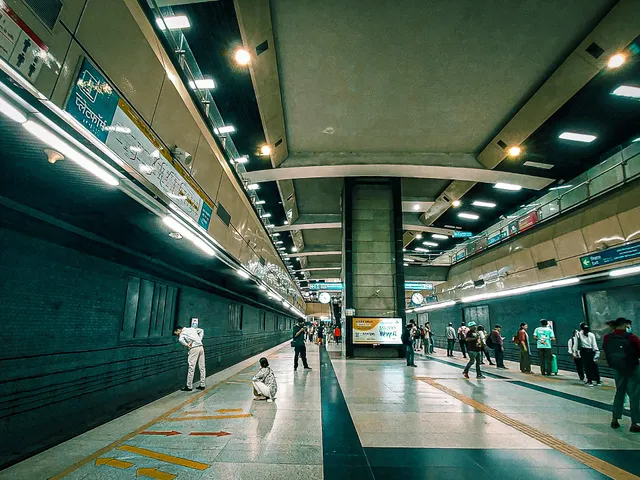
One of the main strengths of a well-designed metro station is its accessibility and ease of use. Clear signages, user-friendly ticketing systems, and well-marked platforms ensure that passengers can navigate the station seamlessly. Additionally, amenities such as elevators, escalators, and ramps enhance accessibility for people with disabilities and elderly passengers.
Safety and security are paramount at metro stations. The presence of security personnel, surveillance cameras, and emergency response mechanisms instills confidence in passengers. Ensuring a safe environment is vital, especially during rush hours when crowds are significant.
Efficient train scheduling and frequent services contribute to the overall effectiveness of a metro station. Punctual trains and short waiting times make commuting more convenient for passengers. Well-maintained trains and stations add to the overall positive experience.
Cleanliness and hygiene are essential aspects of a metro station. Regular cleaning and waste disposal services are vital to create a pleasant environment for passengers.
Integration with other modes of transportation, such as buses, trams, and bicycle facilities, enhances the station's accessibility and connectivity to various parts of the city.
Some challenges that metro stations may face include managing crowd flow during peak hours, ensuring adequate ventilation in underground stations, and addressing maintenance issues promptly to avoid service disruptions.
Overall, a well-managed metro station that prioritizes accessibility, safety, cleanliness, and connectivity plays a pivotal role in shaping the urban landscape and improving the quality of life for city dwellers. It remains a crucial component of efficient public transportation systems, fostering sustainable...
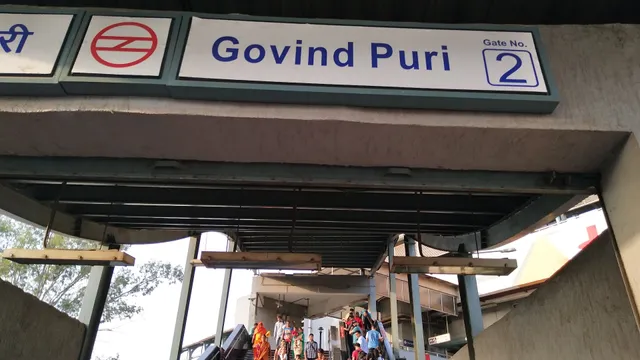
Read moreGovindpuri Metro Station, located in Delhi, offers ample parking space, but unfortunately, it falls short in terms of cleanliness and overcrowding, affecting the overall experience of commuters.
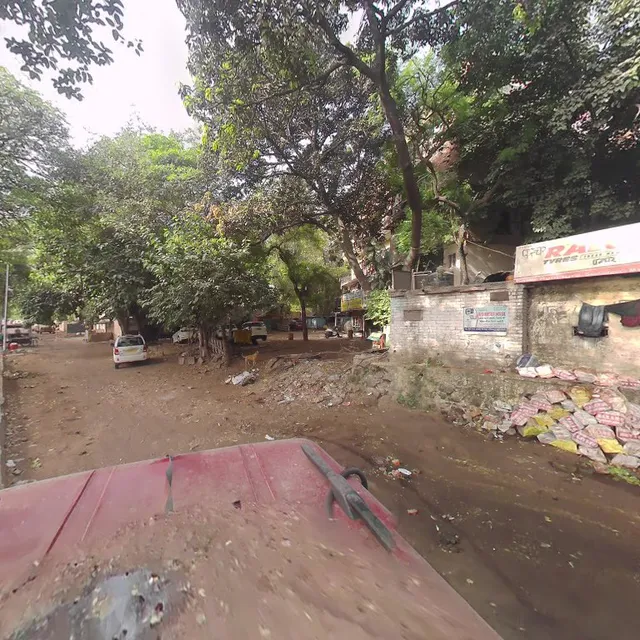
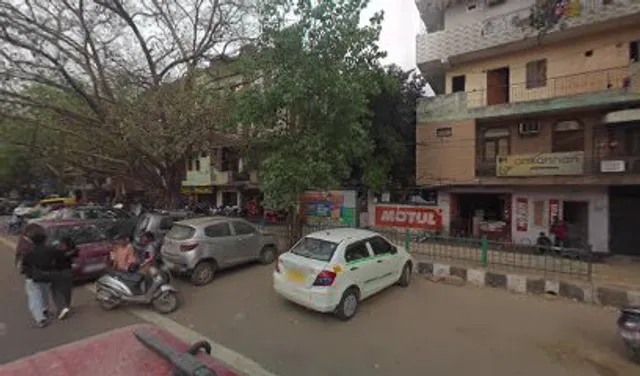
One of the standout features of Govindpuri Metro Station is its provision of sufficient parking space. This is a significant advantage for individuals who prefer to commute by car and need a safe place to park while using the metro. The availability of parking facilities helps ease the burden of finding a parking spot in the busy vicinity.
However, the station's biggest drawback is its constant state of overcrowding. Govindpuri Metro Station tends to be heavily congested, especially during peak hours, resulting in long queues, overcrowded platforms, and a general sense of chaos. Navigating through the crowded station can be a challenging and uncomfortable experience for commuters.
Moreover, the cleanliness of the station leaves much to be desired. The lack of cleanliness can be off-putting for passengers, tarnishing the overall impression of the station. Regular maintenance and cleaning would significantly contribute to a more pleasant and hygienic environment for everyone using the station.
Despite its shortcomings, Govindpuri Metro Station remains a functional transportation hub that serves as a crucial link for commuters in Delhi. The presence of ample parking space is an advantage, especially for those who rely on personal vehicles. However, the station's overcrowding and cleanliness issues dampen the overall experience.
In conclusion, Govindpuri Metro Station provides convenient parking facilities but suffers from overcrowding and cleanliness concerns. While the parking space is a positive aspect, the station needs improvements to alleviate overcrowding and enhance cleanliness standards. Addressing these issues would greatly improve the overall commuting experience for passengers at Govindpuri...
Read morehe Delhi Metro is a rapid transit system serving Delhi and its satellite cities of Bahadurgarh, Faridabad, Ghaziabad, Gurgaon and Noida in the National Capital Region of India. The concept of a mass rapid transit for New Delhi first emerged from a traffic and travel characteristics study which was carried out in the city in 1969.[14] Over the next several years, many official committees by a variety of Government departments were commissioned to examine issues related to technology, route alignment, and Governmental jurisdiction.[15] In 1984, the Urban Arts Commission came up with a proposal for developing a multi-modal transport system, which would consist of constructing three underground mass rapid transit corridors as well augmenting the city's existing suburban railway and road transport networks.[16]
While extensive technical studies and the raising of finance for the project were in progress, the city expanded significantly resulting in a twofold rise in population and a fivefold rise in the number of vehicles between 1981 and 1998.[16] Consequently, traffic congestion and pollution soared, as an increasing number of commuters took to private vehicles with the existing bus system unable to bear the load.[14] An attempt at privatising the bus transport system in 1992 merely compounded the problem, with inexperienced operators plying poorly maintained, noisy and polluting buses on lengthy routes, resulting in long waiting times, unreliable service, extreme overcrowding, unqualified drivers, speeding and reckless driving.[17] To rectify the situation, the Government of India and the Government of Delhi jointly set up a company called the Delhi Metro Rail Corporation (DMRC) on 3 May 1995, with E. Sreedharan as the managing director.[18] Dr. E. Sreedharan handed over the charge as Managing Director of DMRC to Mangu Singh on 31...
Read more