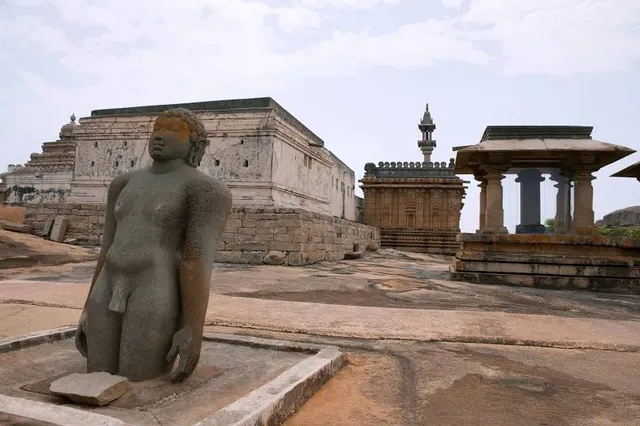
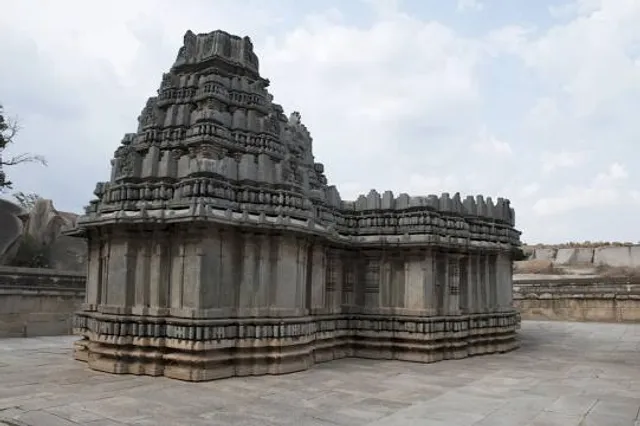
The Jain temples, also known as Basadis in local language, showcase the excellence in contemporary engineering in Indian subcontinent. The skill used in the design and execution of the structures built on Chandragiri Hills can be appreciated. Another marvel is the presence of flag masts. The craftsmanship in the creations speaks volumes of skill involved. In one of the temples, a narrow stair is also found to rise to the upper storey. Jain temples dedicated to Shantinatha, Parshwanatha, Shasana, Chavundraya, and Shantishwara are found in the complex. Other structures in the complex are pillars, mantapas and caves. These structures have their own significance in terms of deity, carvings and inscriptions. They are specific to the deity. Every temple has a separate history and a special significance. Many temples have their own pillars in front of the main entrance. The pillars, also known as stambhas have their unique place in elaborating history of the temple. The Figures, moldings and inscriptions together denote the significance of the shrine. Researchers spend hours of patient observation into minute details of all structures to fully understand the import of each aspect.
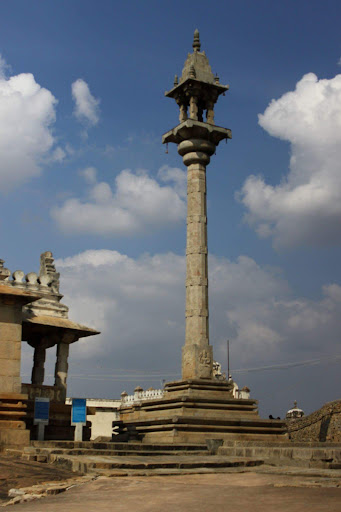
A decorative pillar is part of the huge expanse of structures. A small figurine of Brahma, facing east, is located at the top of the pillar. A temple housing idols of Suprashwantha and Shantinatha is part of the temple complex. Inscriptions on stones are found in abundance at this place. Their existence dates back to 6th century. Many Historians and Indologists study the inscriptions to understand the civilization prevalent then.
A temple is dedicated to Parshwanath Tirthankar. It has a tall statue of the deity, with a sculpture of seven headed serpent as a crown. A tomb of Chandragupta Maurya is located in the upper heights of the hill. All the shrines except one are found in an enclosed space. A wall takes the contour of the enclosure. Bahubali’s elder brother, Bharatha is also depicted here in the form of an unfinished image. The oldest temple belongs to Adishwar. There is also an idol of Bharat Chakravarti on this hill. This idol is half buried in the ground.
Chamundaraya basadi would find a special mention in the history of this temple complex. This is the largest temple in the group. It also has decorative pillars. The moldings are very attractive. Many devotees find the ambience fascinating. They are overawed by the sheer multitudes of skills and efforts that must have gone into making this huge temple complex so memorable. The serenity of these ancient sculptures makes lasting impressions in the minds of devotees and...
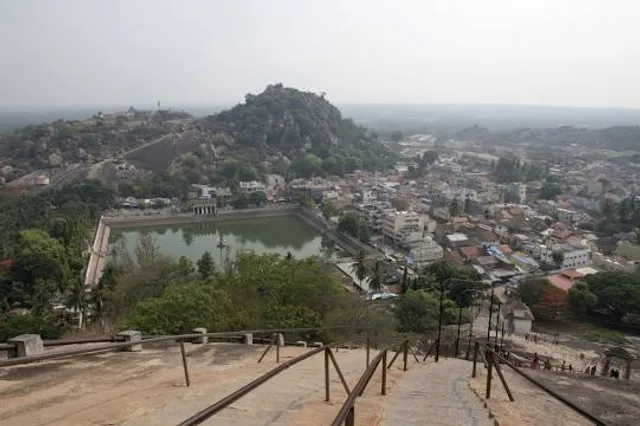
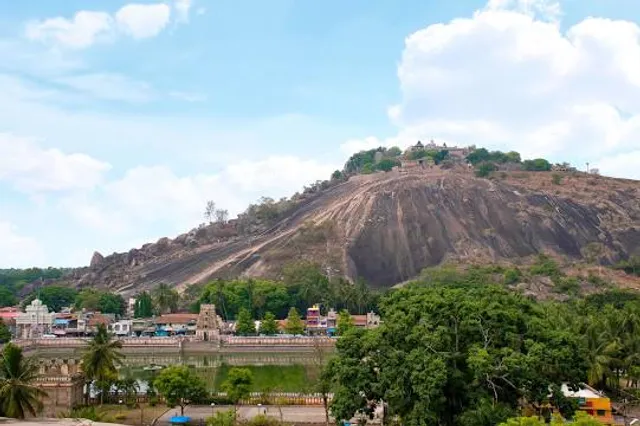
Read moreChandragiri hill is on the northern side of town is 53 meters high. This place is with visiting.
This is also known as Chikkabetta. One has to deposit shoes before climbing.
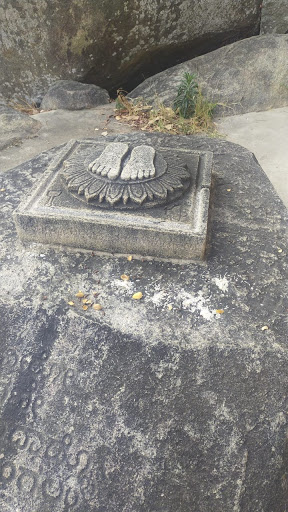
You will find lot of inscriptions on the hill. While going to the top one will pass through Bhadrabahu’s cave, as per local historians Bhadrabahu bought Jainism to the South.
It has a rich history, the complex has 18 sites including temples inscriptions on rocks in old scripts.For the convenience of visitors each temple is identified by names painted in English and Hindi besides Kannad.
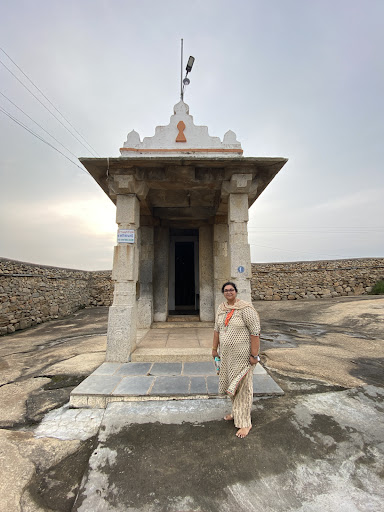
The temples are dedicated to Lord Shantinath, Suparshavanath, Chandaprabhu & Parshavanath.
This hill is also known as Katparva, “hill of tombs” referring to various religious deaths which occur here.
There are 700 instances of Sallekhana and about 100 nishidi memorials of various kinds ranging from the 7th to 16th century.
In Parshavanth basadi is a commemorative inscription on a stone mentioning the death of the Jaina teacher in the year 1129. The devotional scene is at its top depicts an ascetic devotee seated in front of enthroned Jaina.
You will also find 20 meter high column which was built around 1780, this sthamba was donated by a rich merchant named Chikkadeveraja Wodeyar.
One has to climb approx 350 shallow steps.
The best time to visit...
Read moreChandragiri is one of the two hills in Shravanabelagola in the Indian state of Karnataka, the other one being Vindhyagiri. The recorded history surrounding the hill started in 300 BC when last Shruthakevali Bhadrabahu and Chandragupta Maurya visited the place in order to attain religious peace.The small hill derives its name of Chandra from the fact that Chandragupta was the first of the rishis who lived and performed penance there. Kalbappu was the early name of the hill and it dominates the history of the town of Shravanabelagola between 3rd century BC and 12th century AD. The Jain traditions link the Maurya Empire Emperor Chandragupta and his teacher Bhadrabahu with this place. Of the total number of 106 memorials found at Shravanabelagola, 92 are located on the Small Hill. Of these, about 47 memorials of monks, 9 of nuns, and 5 of householders belong to the 7th and 8th century. This points out at the popularity of the custom, and of its extensive prevalence on...
Read more