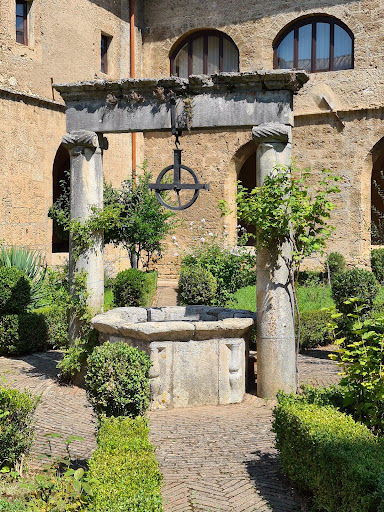
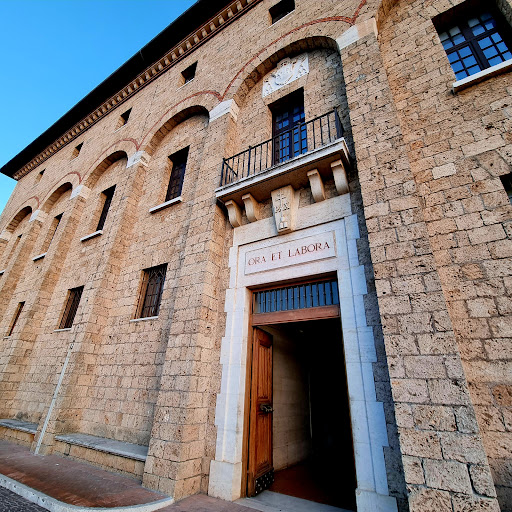
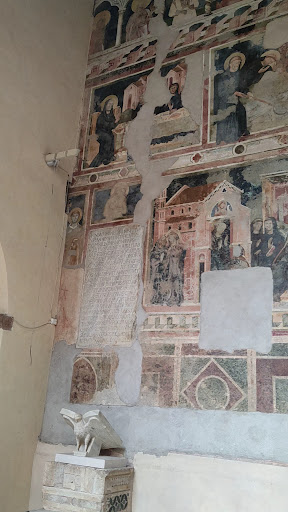
Monastery of St. Scholastica things to do, attractions, restaurants, events info and trip planning
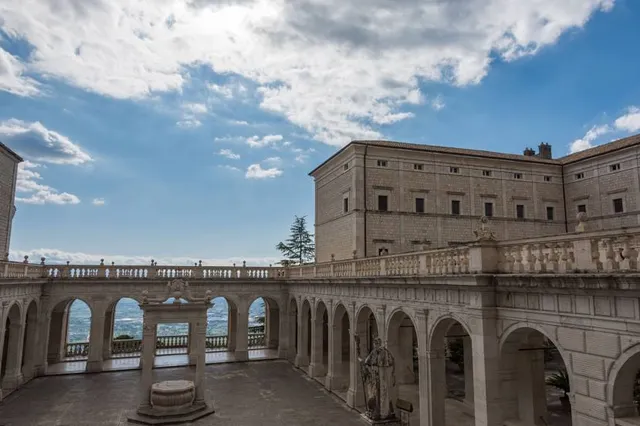
Basic Info
Monastery of St. Scholastica
Piazzale Santa Scolastica, 1, 00028 Subiaco RM, Italy
4.6(761)
Closed
Save
spot
spot
Ratings & Description
Info
Cultural
Relaxation
attractions: Nero's Villa (Villa di Nerone), Laghetto di San Benedetto, Shrine of the Sacred Cave of St. Benedict, restaurants: Belvedere Ristorante B&B, Ristorante da Checchina, local businesses: Villa di Nerone, Monastero di San Benedetto, Monastery of the Benedictines of St. John the Baptist
 Learn more insights from Wanderboat AI.
Phone
+39 0774 82421
Website
benedettini-subiaco.org
Open hoursSee all hours
Wed9:30 AM - 12:15 PM, 3:30 - 6 PMClosed
Plan your stay

Pet-friendly Hotels in Subiaco
Find a cozy hotel nearby and make it a full experience.

Affordable Hotels in Subiaco
Find a cozy hotel nearby and make it a full experience.

The Coolest Hotels You Haven't Heard Of (Yet)
Find a cozy hotel nearby and make it a full experience.

Trending Stays Worth the Hype in Subiaco
Find a cozy hotel nearby and make it a full experience.
Reviews
Live events

Handmade fettuccine & ravioli Walk at Villa DEste
Tue, Feb 3 • 10:00 AM
00019, Tivoli, Lazio, Italy
View details
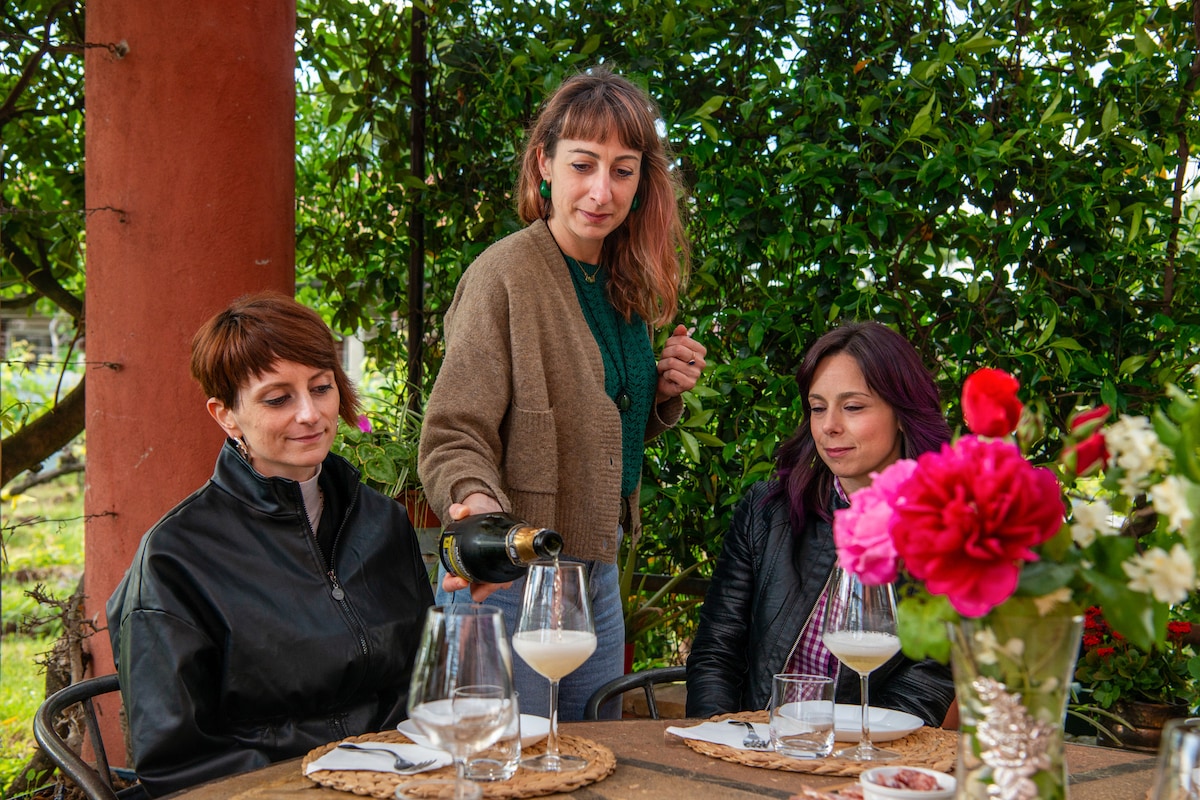
Taste exclusive wines with a winemaker
Wed, Jan 28 • 3:00 PM
Zagarolo, Lazio, Italy
View details
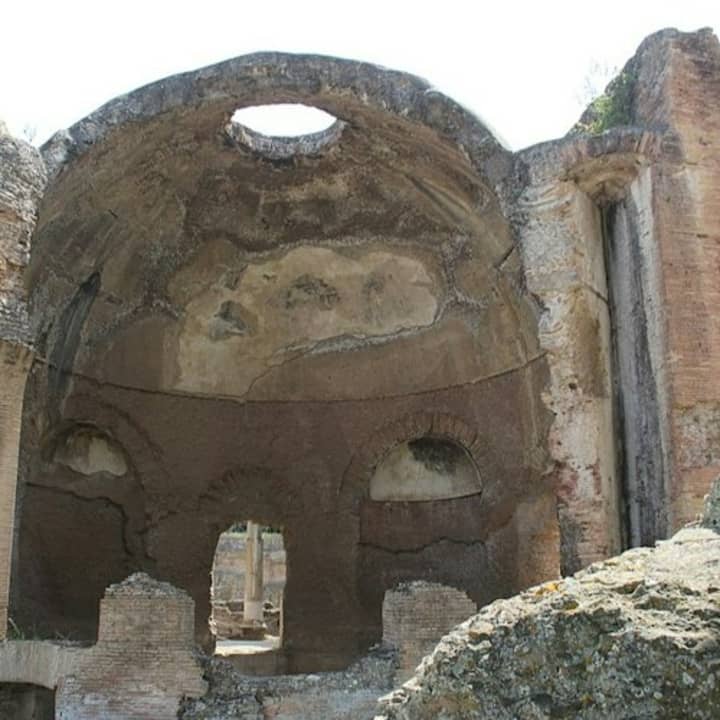
Ville Pass Tivoli con Pemcards Cartolina digitale
Wed, Jan 28 • 12:00 AM
Church Lane, Elloughton, Ellerker, Brough, HU15 2DN
View details
Nearby attractions of Monastery of St. Scholastica
Nero's Villa (Villa di Nerone)
Laghetto di San Benedetto
Shrine of the Sacred Cave of St. Benedict
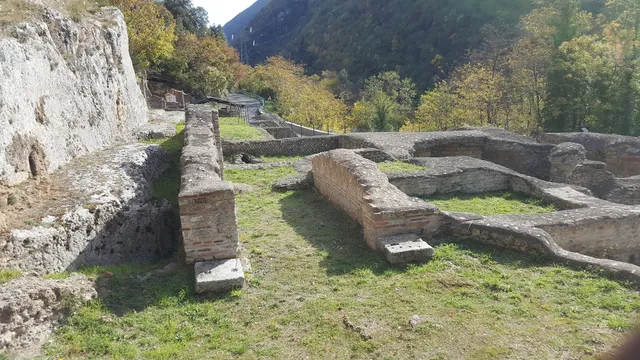
Nero's Villa (Villa di Nerone)
4.1
(197)
Open 24 hours
Click for details
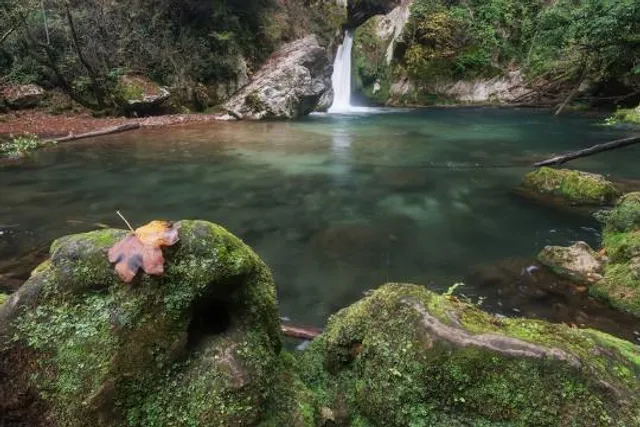
Laghetto di San Benedetto
4.5
(1.9K)
Open until 12:00 AM
Click for details
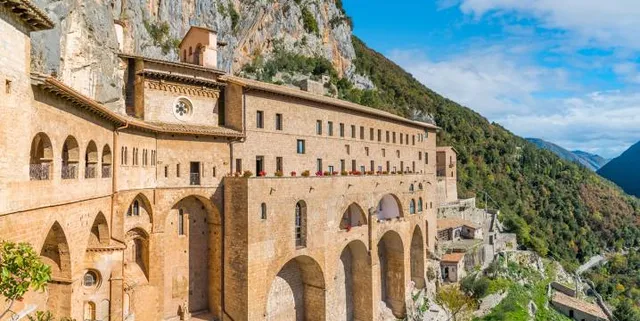
Shrine of the Sacred Cave of St. Benedict
4.9
(1.7K)
Closed
Click for details
Nearby restaurants of Monastery of St. Scholastica
Belvedere Ristorante B&B
Ristorante da Checchina

Belvedere Ristorante B&B
4.5
(292)
Click for details

Ristorante da Checchina
4.1
(282)
$
Open until 12:00 AM
Click for details
Nearby local services of Monastery of St. Scholastica
Villa di Nerone
Monastero di San Benedetto
Monastery of the Benedictines of St. John the Baptist
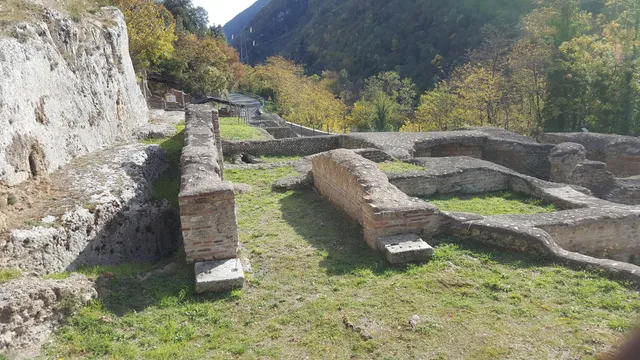
Villa di Nerone
4.1
(200)
Click for details
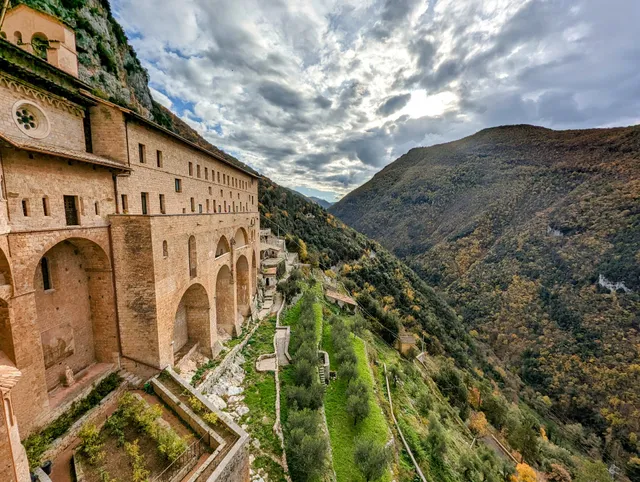
Monastero di San Benedetto
4.9
(90)
Click for details
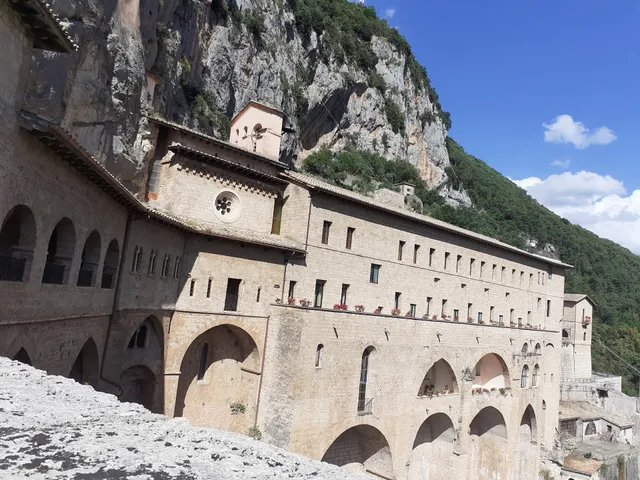
Monastery of the Benedictines of St. John the Baptist
4.8
(26)
Click for details