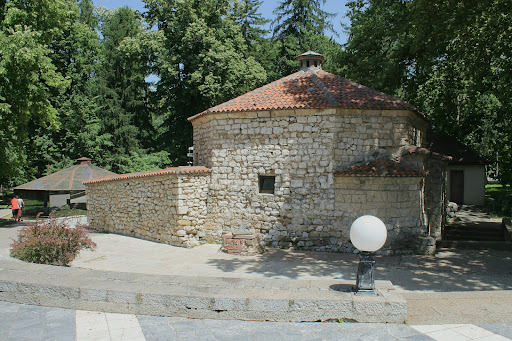
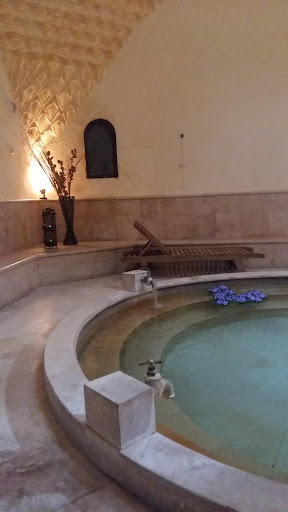
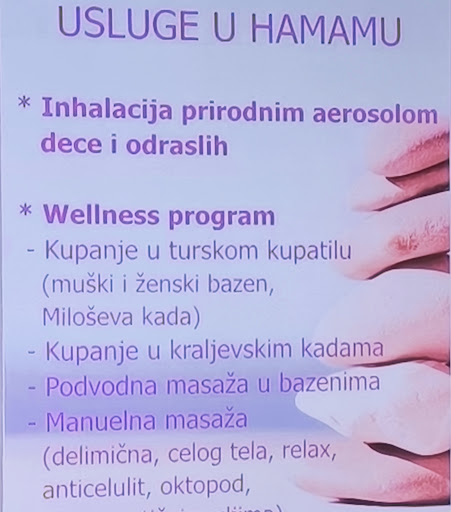
The Turkish bath "Amam" things to do, attractions, restaurants, events info and trip planning
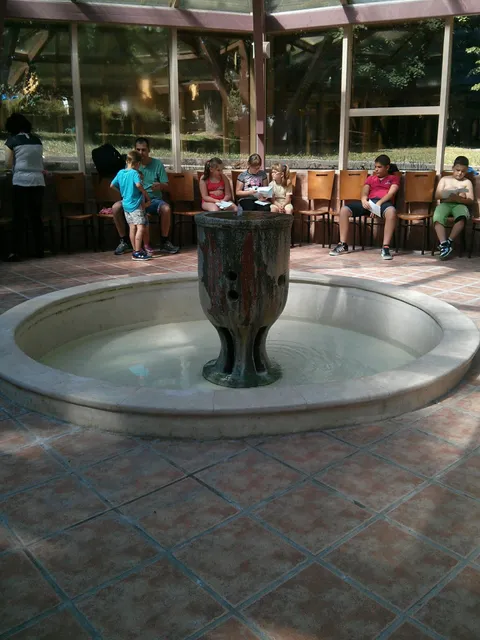
Basic Info
The Turkish bath "Amam"
JVVF+R9, Branka Đurića 9, Sokobanja, Serbia
4.7(355)
Open until 10:00 PM
Save
spot
spot
Ratings & Description
Info
Cultural
Relaxation
Luxury
Accessibility
attractions: Borići, Župan Plaža, Čuka 2 Park, restaurants: , local businesses:
 Learn more insights from Wanderboat AI.
Phone
+381 18 830425
Website
sokobanja.rs
Open hoursSee all hours
Sat7 AM - 10 PMOpen
Plan your stay

Pet-friendly Hotels in Sokobanja Municipality
Find a cozy hotel nearby and make it a full experience.

Affordable Hotels in Sokobanja Municipality
Find a cozy hotel nearby and make it a full experience.

The Coolest Hotels You Haven't Heard Of (Yet)
Find a cozy hotel nearby and make it a full experience.

Trending Stays Worth the Hype in Sokobanja Municipality
Find a cozy hotel nearby and make it a full experience.
Reviews
Nearby attractions of The Turkish bath "Amam"
Borići
Župan Plaža
Čuka 2 Park
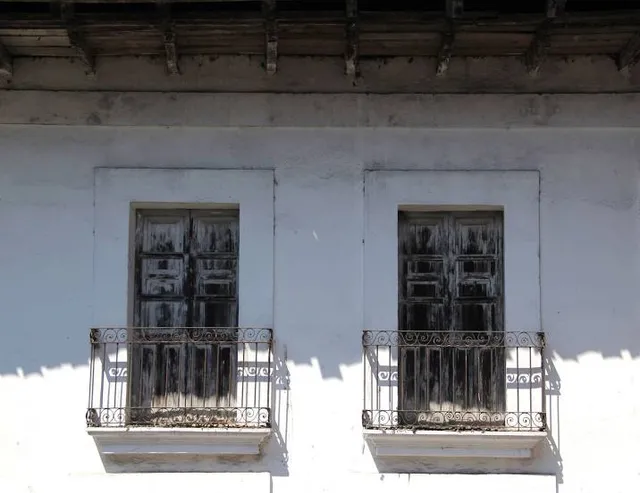
Borići
4.7
(2.3K)
Open until 12:00 AM
Click for details
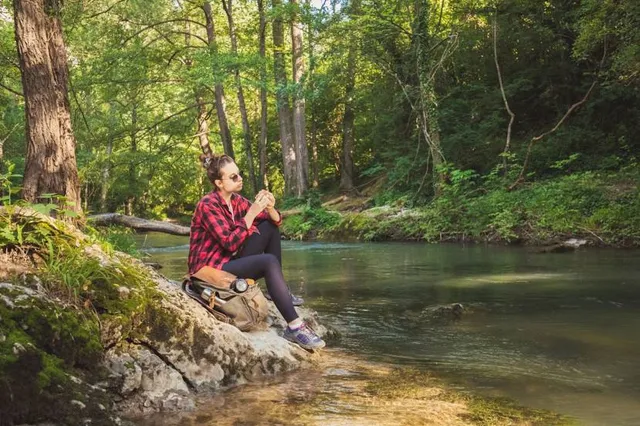
Župan Plaža
4.5
(473)
Open 24 hours
Click for details
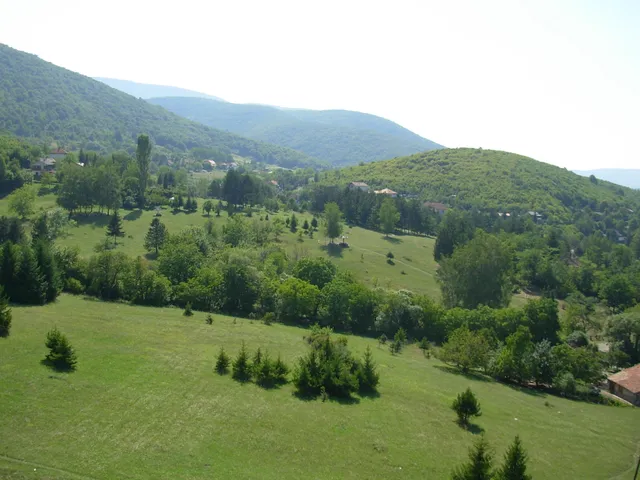
Čuka 2 Park
4.6
(8)
Open until 12:00 AM
Click for details