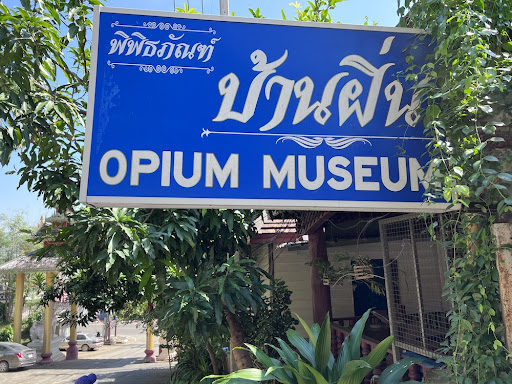
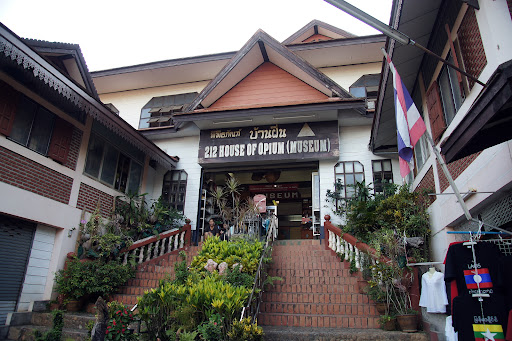
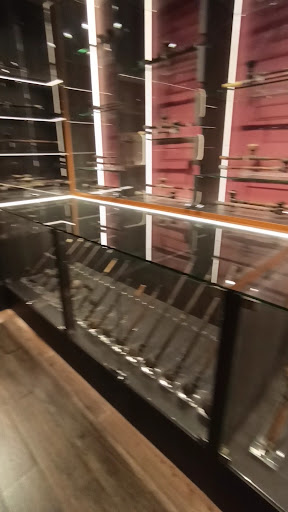
House of Opium Museum things to do, attractions, restaurants, events info and trip planning

Basic Info
House of Opium Museum
212, Moo1, Tambon Wiang, Chiang Saen District, Chiang Rai 57150, Thailand
4.4(577)
Open until 7:00 PM
Save
spot
spot
Ratings & Description
Info
Cultural
attractions: พระพุทธนวล้านตื้อ, restaurants: Mekong Pizza, ร้านบ้านฉัน ข้าวซอยไก่ ส้มตำ ยำแซ้ป น้ำผลไม้ปั่น, ร้านอาหารป้าหลง Aunt Long Restaurant, Doi Chiang Coffee, ตะหล้อม, ครัว Goodview, มะพร้าวถอดรูป, ภัตตาคาร เดอะบอร์เดอร์วิว, ร้านอาหารปันความสุข Bliss Restaurant, Sriwan Coffee & Restaurant, local businesses:
 Learn more insights from Wanderboat AI.
Phone
+66 53 784 060
Website
houseofopium.co
Open hoursSee all hours
Sun7 AM - 7 PMOpen
Plan your stay

Pet-friendly Hotels in Chiang Saen district
Find a cozy hotel nearby and make it a full experience.

Affordable Hotels in Chiang Saen district
Find a cozy hotel nearby and make it a full experience.

The Coolest Hotels You Haven't Heard Of (Yet)
Find a cozy hotel nearby and make it a full experience.

Trending Stays Worth the Hype in Chiang Saen district
Find a cozy hotel nearby and make it a full experience.
Reviews
Nearby attractions of House of Opium Museum
พระพุทธนวล้านตื้อ

พระพุทธนวล้านตื้อ
4.5
(144)
Open until 8:00 PM
Click for details
Nearby restaurants of House of Opium Museum
Mekong Pizza
ร้านบ้านฉัน ข้าวซอยไก่ ส้มตำ ยำแซ้ป น้ำผลไม้ปั่น
ร้านอาหารป้าหลง Aunt Long Restaurant
Doi Chiang Coffee
ตะหล้อม
ครัว Goodview
มะพร้าวถอดรูป
ภัตตาคาร เดอะบอร์เดอร์วิว
ร้านอาหารปันความสุข Bliss Restaurant
Sriwan Coffee & Restaurant
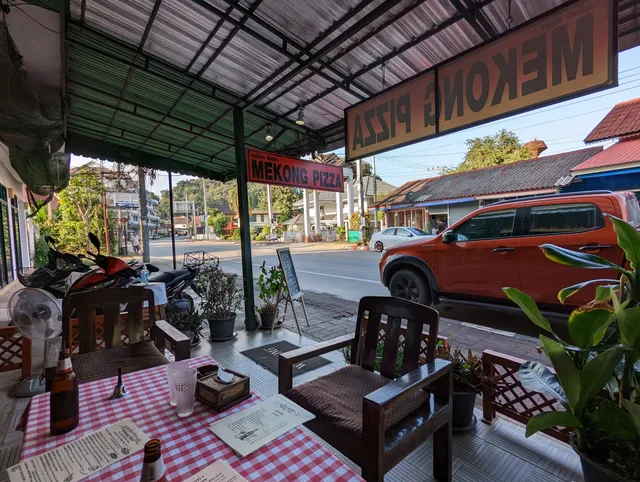
Mekong Pizza
4.6
(153)
Open until 9:00 PM
Click for details
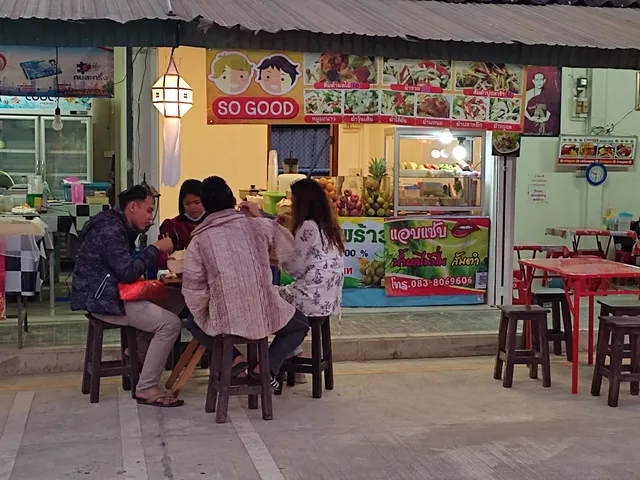
ร้านบ้านฉัน ข้าวซอยไก่ ส้มตำ ยำแซ้ป น้ำผลไม้ปั่น
5.0
(4)
Open until 8:00 PM
Click for details
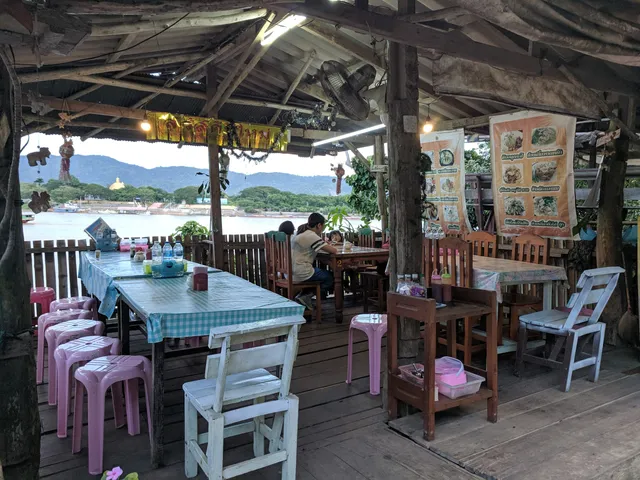
ร้านอาหารป้าหลง Aunt Long Restaurant
4.8
(35)
Open until 7:00 PM
Click for details
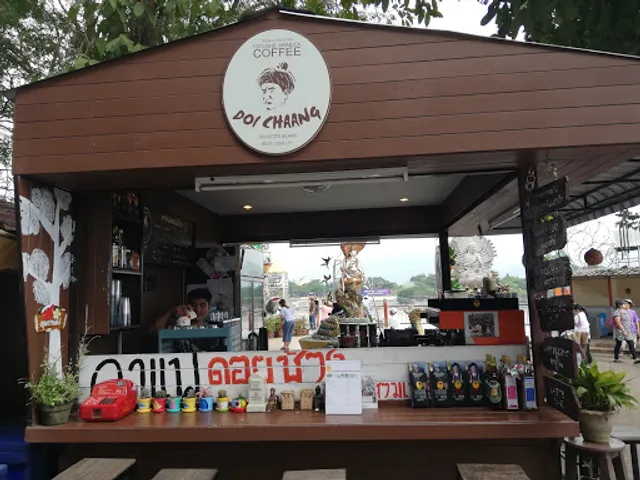
Doi Chiang Coffee
4.3
(10)
Closed
Click for details