Lion's Gate things to do, attractions, restaurants, events info and trip planning
Basic Info
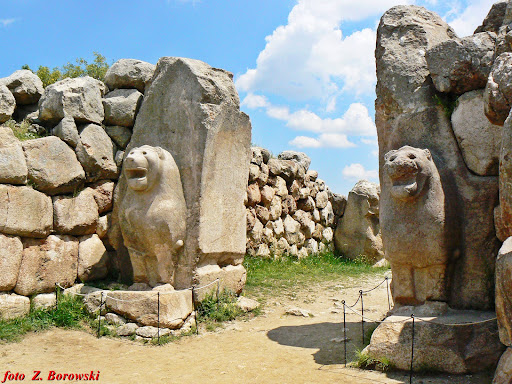
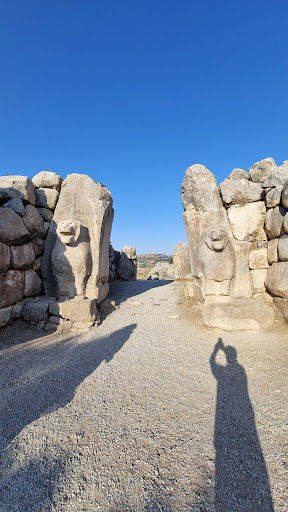
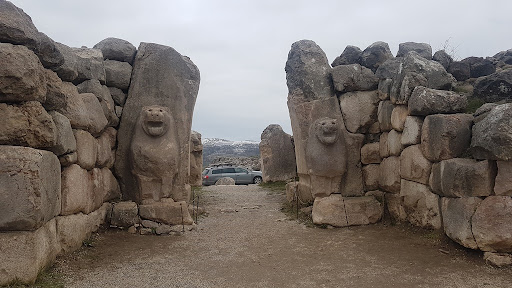
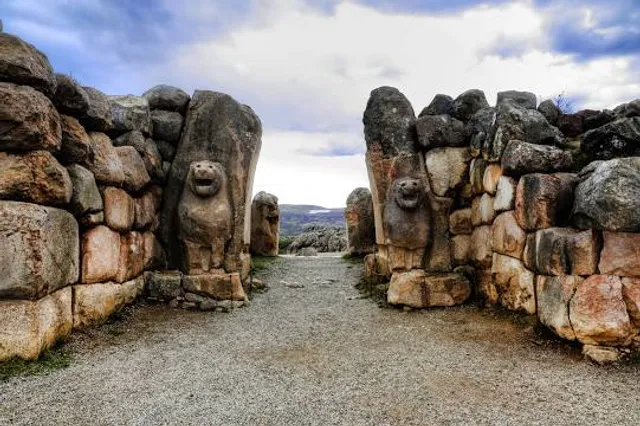
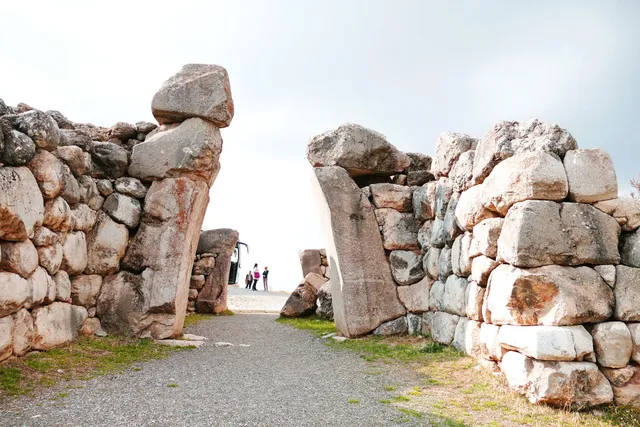
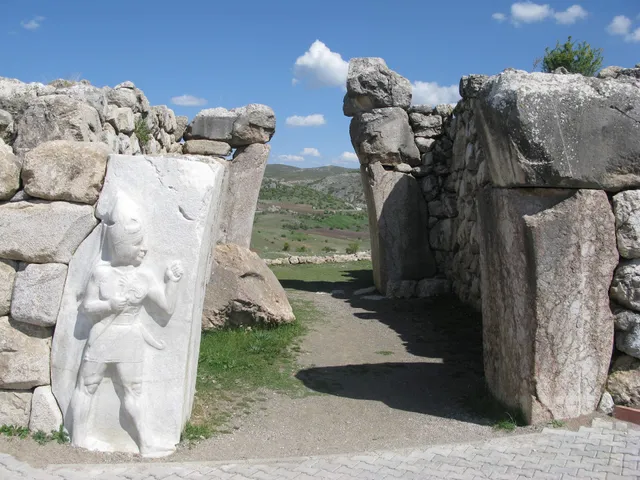
Lion's Gate
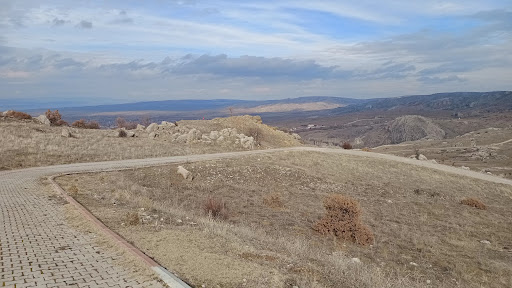
Hisar, Hattuşaş Milli Park, 19310 Boğazkale/Çorum, Türkiye
4.8(156)
Save
spot
spot
Ratings & Description
Info
Lions Gate Entertainment Corporation, doing business as Lionsgate, is an American global mass media and entertainment company. It was originally a Canadian company, formed by Frank Giustra on July 10, 1997, domiciled in Vancouver, British Columbia, and is currently headquartered in Santa Monica, California.
Cultural
Outdoor
Scenic
Family friendly
Off the beaten path
attractions: Archaeological site of Hattusha (UNESCO), Hattusa (Ancient Capital of the Hittite Kingdom), restaurants: , local businesses: Hattuşa Yerkapı, Hattuşa Sfenksli Kapı, Hattuşa Kral Sarayı
 Learn more insights from Wanderboat AI.
Plan your stay

Pet-friendly Hotels in Boğazkale
Find a cozy hotel nearby and make it a full experience.

Affordable Hotels in Boğazkale
Find a cozy hotel nearby and make it a full experience.

The Coolest Hotels You Haven't Heard Of (Yet)
Find a cozy hotel nearby and make it a full experience.

Trending Stays Worth the Hype in Boğazkale
Find a cozy hotel nearby and make it a full experience.
Reviews
Nearby attractions of Lion's Gate
Archaeological site of Hattusha (UNESCO)
Hattusa (Ancient Capital of the Hittite Kingdom)
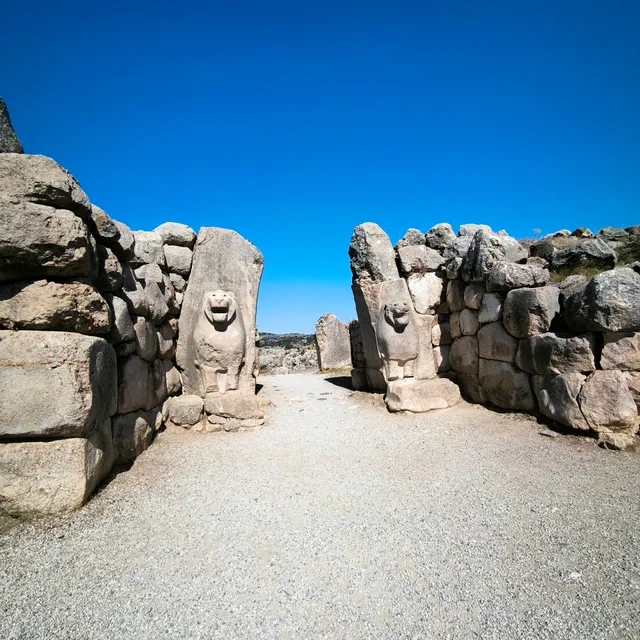
Archaeological site of Hattusha (UNESCO)
4.8
(665)
Closed
Click for details
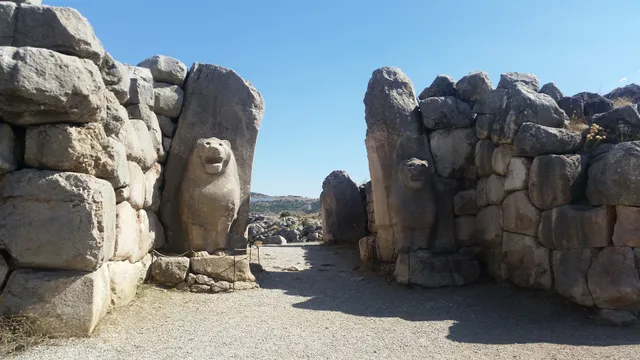
Hattusa (Ancient Capital of the Hittite Kingdom)
4.8
(19)
Open 24 hours
Click for details
Nearby local services of Lion's Gate
Hattuşa Yerkapı
Hattuşa Sfenksli Kapı
Hattuşa Kral Sarayı
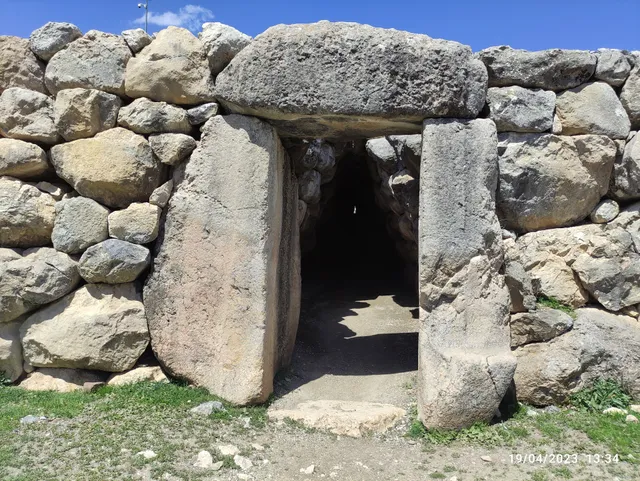
Hattuşa Yerkapı
4.8
(121)
Click for details
Hattuşa Sfenksli Kapı
4.8
(24)
Click for details
Hattuşa Kral Sarayı
4.8
(23)
Click for details