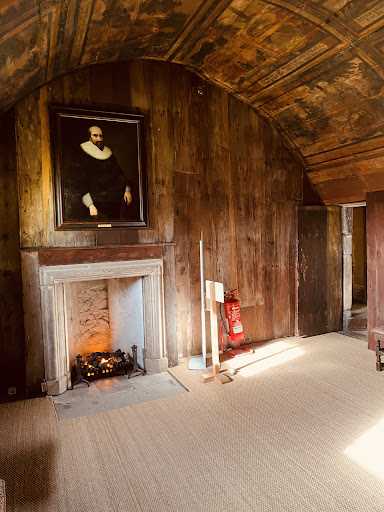
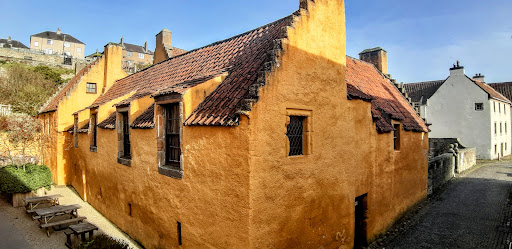
Culross Palace - The National Trust for Scotland things to do, attractions, restaurants, events info and trip planning
Basic Info
Culross Palace - The National Trust for Scotland
Culross Palace, Culross, Dunfermline KY12 8JH, United Kingdom
4.7(471)
Save
spot
spot
Ratings & Description
Info
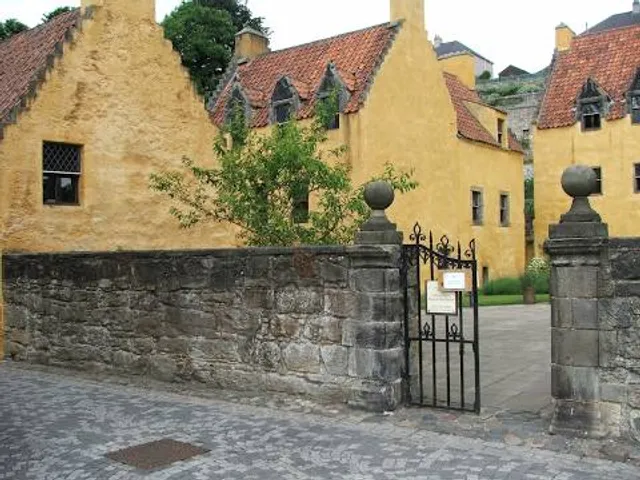
Culross Palace is a late 16th to early 17th century merchant's house in Culross, Fife, Scotland. The palace, or "Great Lodging", was constructed between 1597 and 1611 by Sir George Bruce, the Laird of Carnock. The house was mainly built in two campaigns.
Cultural
Scenic
Family friendly
Accessibility
attractions: Royal Burgh of Culross (National Trust for Scotland), Culross Abbey, Dunimarle Castle, restaurants: Bessie's Cafe, Biscuit Cafe, The Red Lion Inn, The Mercat, local businesses:
 Learn more insights from Wanderboat AI.
Phone
+44 1383 880359
Website
nts.org.uk
Plan your stay

Pet-friendly Hotels in Great Britain
Find a cozy hotel nearby and make it a full experience.

Affordable Hotels in Great Britain
Find a cozy hotel nearby and make it a full experience.

The Coolest Hotels You Haven't Heard Of (Yet)
Find a cozy hotel nearby and make it a full experience.

Trending Stays Worth the Hype in Great Britain
Find a cozy hotel nearby and make it a full experience.
Reviews
Live events
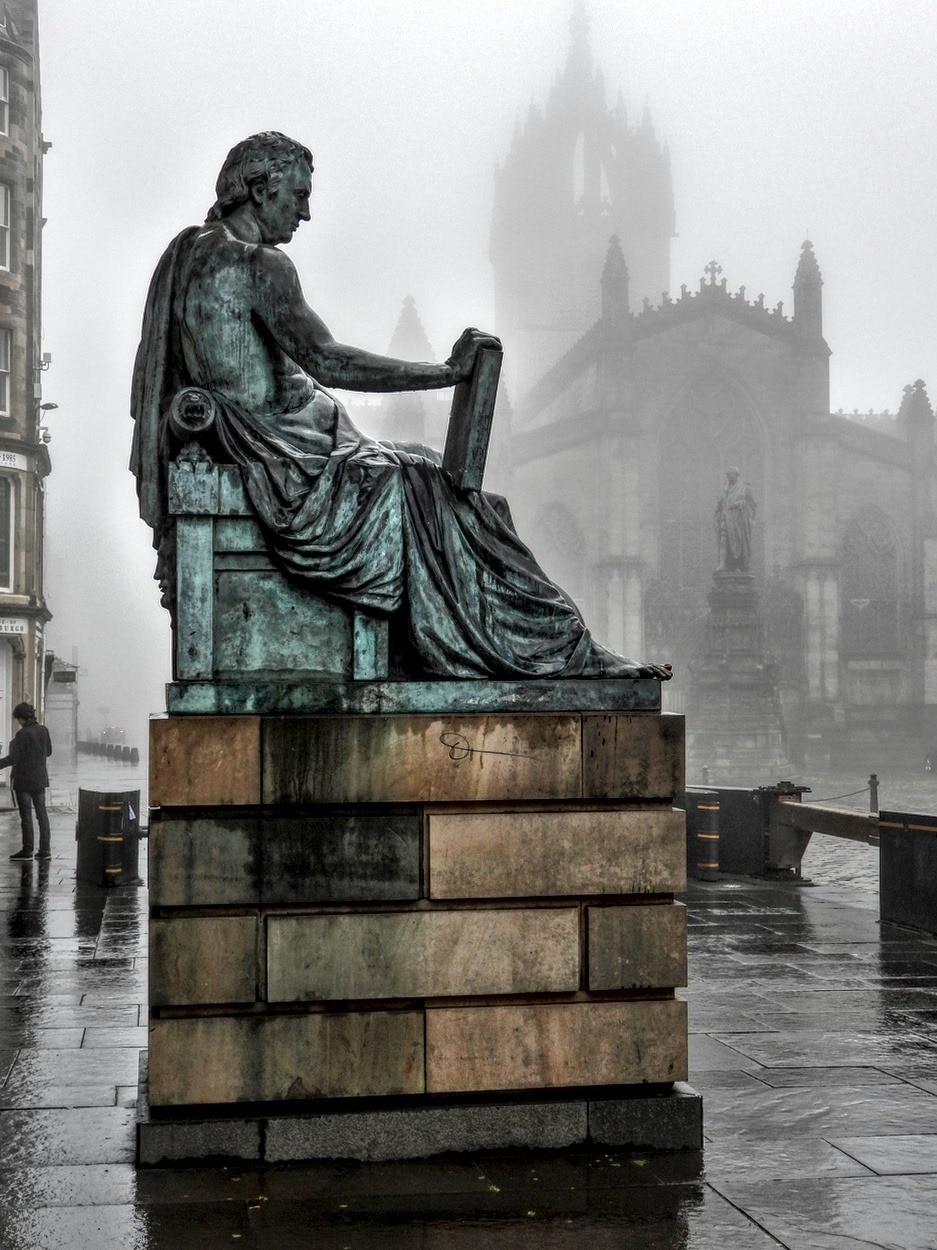
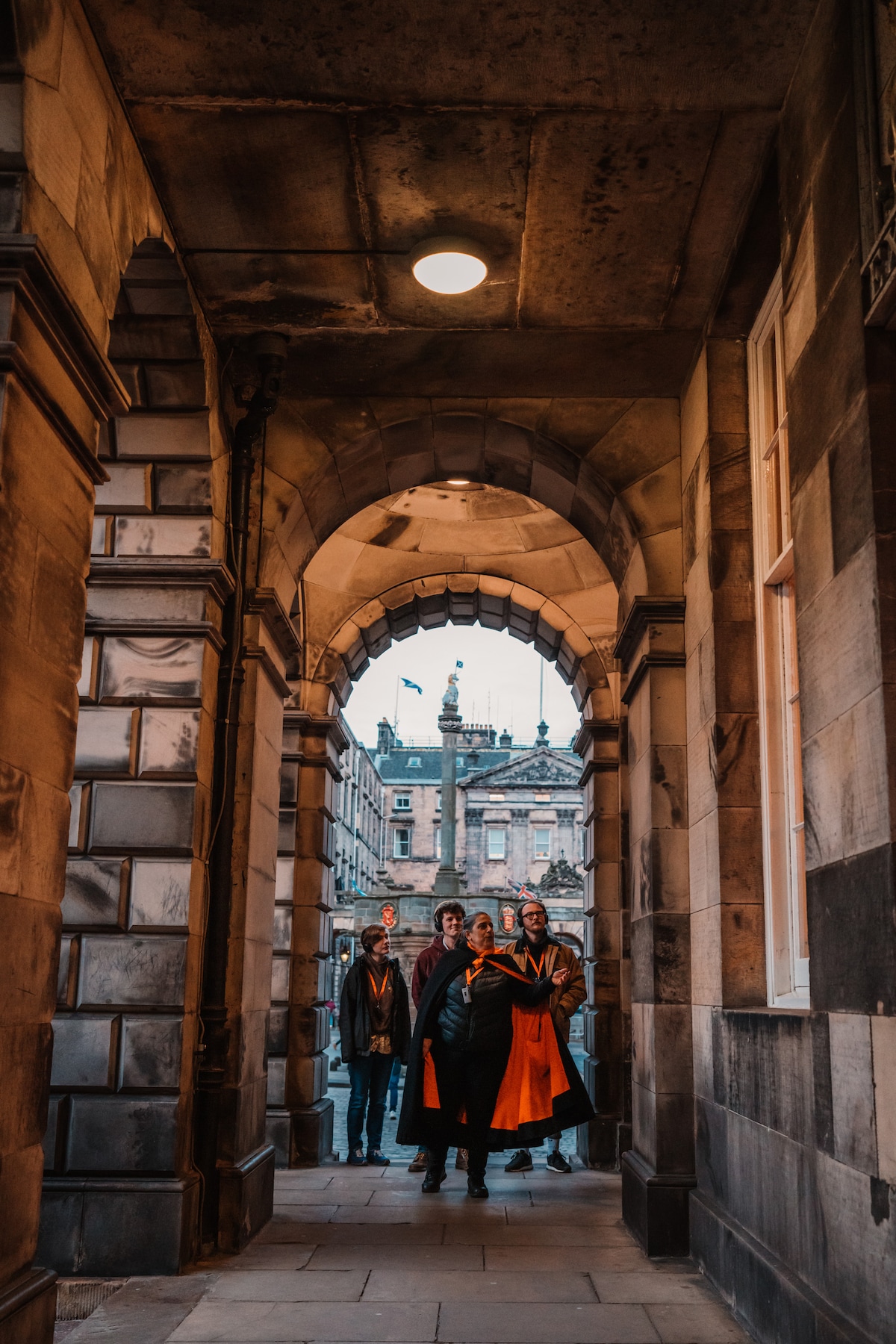
Explore the darker side of Edinburgh
Wed, Jan 28 • 6:00 PM
Edinburgh, EH1 1PW, United Kingdom
View details
Evening exploration of haunted Edinburgh
Wed, Jan 28 • 7:00 PM
Edinburgh, EH1, United Kingdom
View details
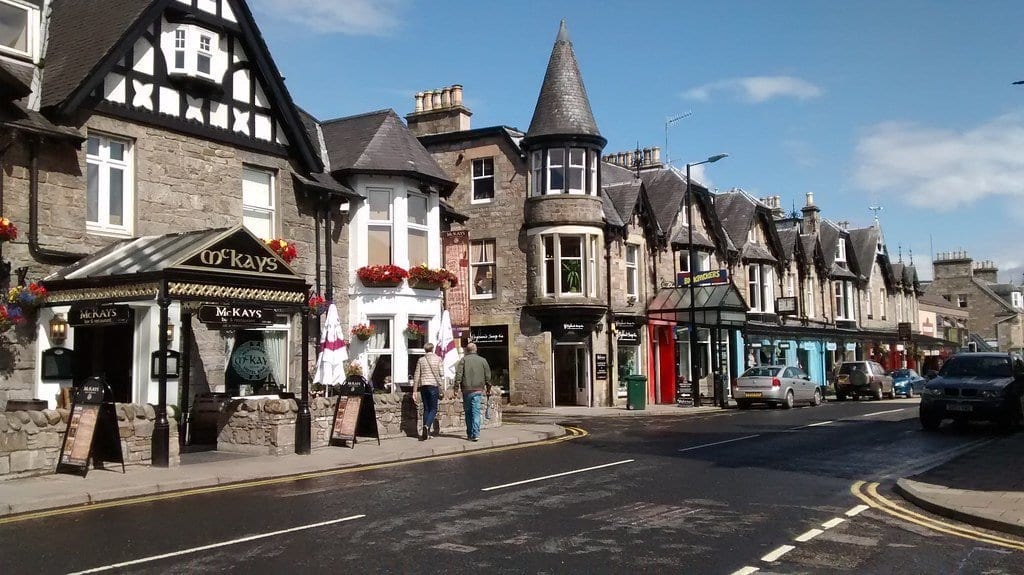
Ride to Loch Ness, Glencoe, and the Highlands
Wed, Jan 28 • 8:00 AM
Edinburgh, EH1 2EL, United Kingdom
View details
Nearby attractions of Culross Palace - The National Trust for Scotland
Royal Burgh of Culross (National Trust for Scotland)
Culross Abbey
Dunimarle Castle
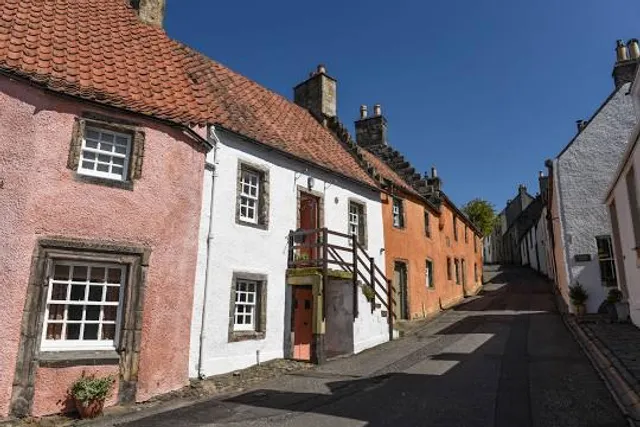
Royal Burgh of Culross (National Trust for Scotland)
4.7
(267)
Open 24 hours
Click for details
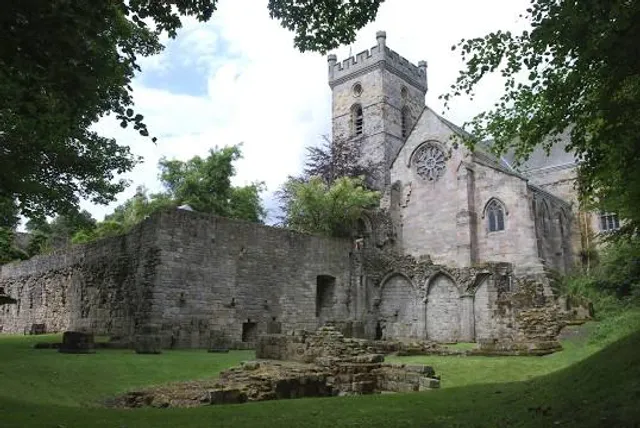
Culross Abbey
4.6
(200)
Open 24 hours
Click for details
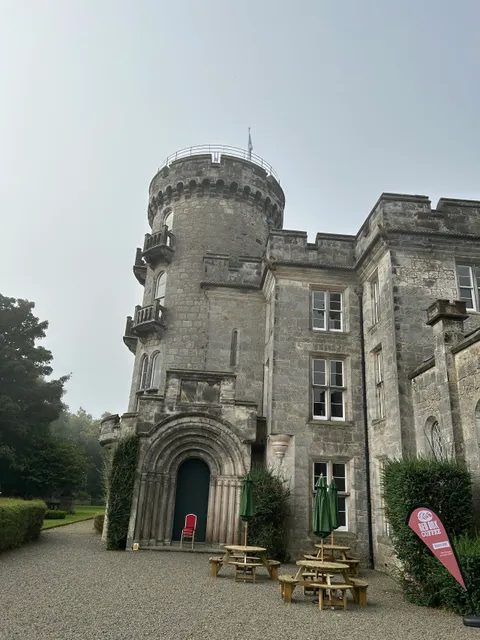
Dunimarle Castle
4.5
(96)
Open 24 hours
Click for details
Nearby restaurants of Culross Palace - The National Trust for Scotland
Bessie's Cafe
Biscuit Cafe
The Red Lion Inn
The Mercat
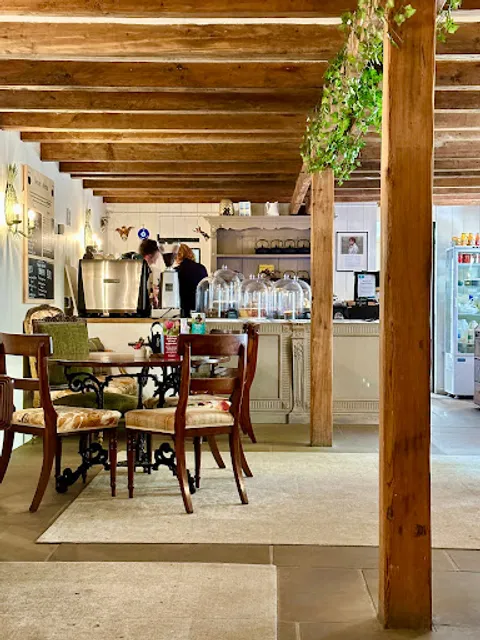
Bessie's Cafe
4.5
(211)
Open until 12:00 AM
Click for details
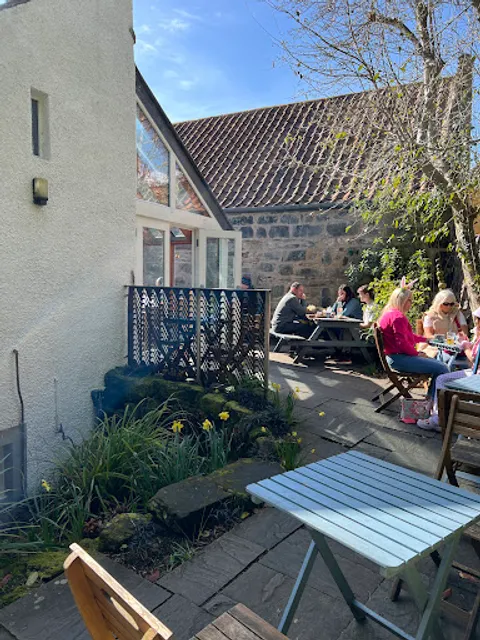
Biscuit Cafe
3.9
(352)
Closed
Click for details
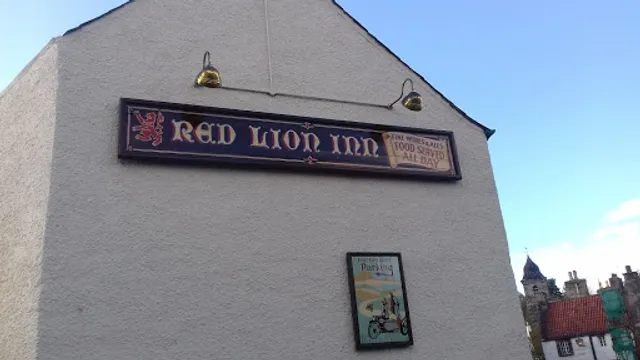
The Red Lion Inn
4.6
(936)
Closed
Click for details

The Mercat
4.9
(47)
Closed
Click for details