Saint Mary's Church things to do, attractions, restaurants, events info and trip planning
Basic Info
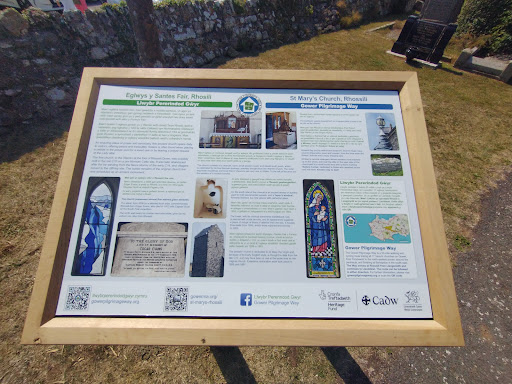
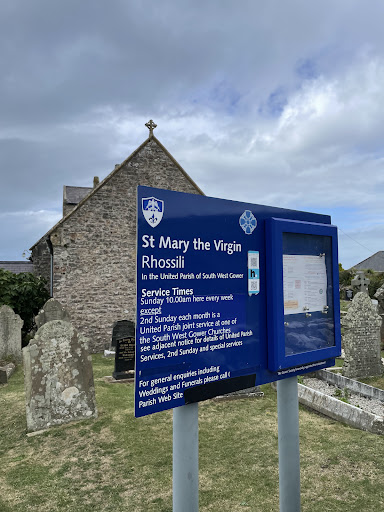
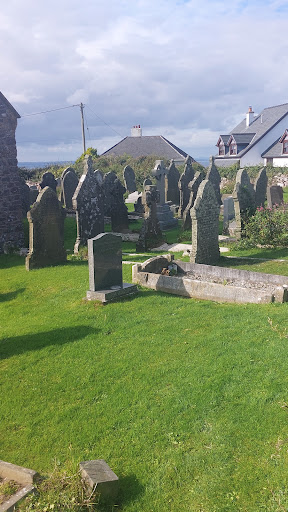
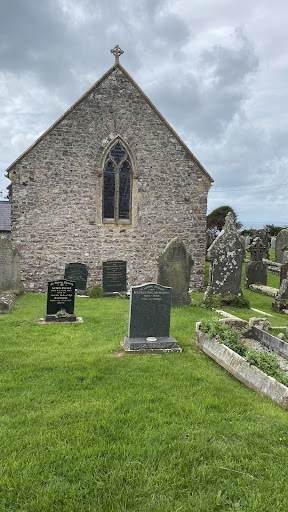
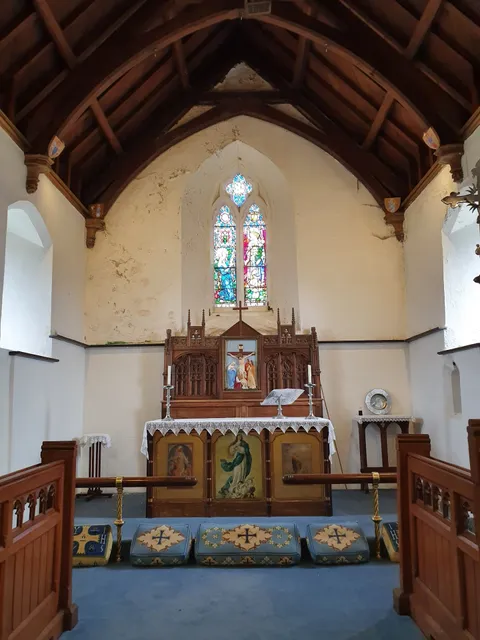
Saint Mary's Church
Rhossili, Swansea SA3 1PL, United Kingdom
4.8(10)
Open until 5:00 PM
Save
spot
spot
Ratings & Description
Info
Cultural
Scenic
Accessibility
attractions: National Trust - Rhossili and South Gower Coast, Rhossli Beach, Wreck of the Helvetia, Fall Bay, restaurants: The Lookout, Rhossili, The Causeway, local businesses:
 Learn more insights from Wanderboat AI.
Phone
+44 1792 390456
Website
gowerma.org
Open hoursSee all hours
Sun10 AM - 5 PMOpen
Plan your stay

Pet-friendly Hotels in Great Britain
Find a cozy hotel nearby and make it a full experience.

Affordable Hotels in Great Britain
Find a cozy hotel nearby and make it a full experience.

The Coolest Hotels You Haven't Heard Of (Yet)
Find a cozy hotel nearby and make it a full experience.

Trending Stays Worth the Hype in Great Britain
Find a cozy hotel nearby and make it a full experience.
Reviews
Live events
Light in the Lens Photography Exhibition
Wed, Jan 21 • 10:00 AM
Units 4 And 5 (Old HomeSense Building), Units 4 & 5 (Old HomeSense Building) Parc Fforestfach, Pontardulais Road Swansea SA5 4BA, Swansea, United Kingdom
View details

Sam Whyley Clinic
Sun, Jan 25 • 9:00 AM
Bevexe Fach Equestrian, Garrod Avenue,Dunvant, Swansea, United Kingdom
View details

Collagraph printing kids Art class - Age 6-14
Sun, Jan 25 • 1:00 PM
Canolfan Y Bont 28 Dulais Rd, Pontarddulais, Swansea SA4 8PA, Pontardulais, 26 Dulais Road, Swansea, SA4 8, United Kingdom
View details
Nearby attractions of Saint Mary's Church
National Trust - Rhossili and South Gower Coast
Rhossli Beach
Wreck of the Helvetia
Fall Bay
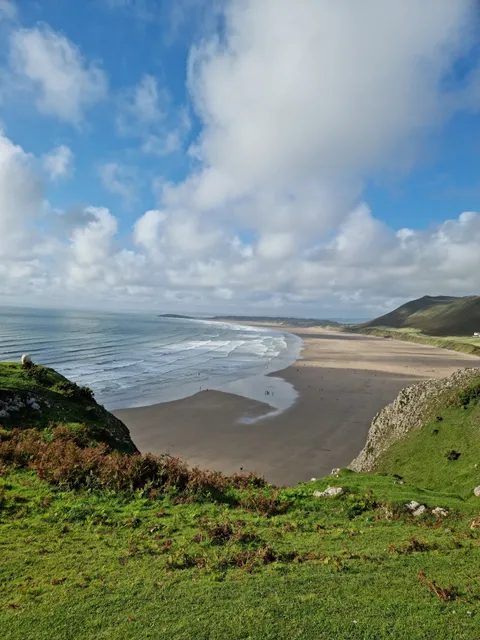
National Trust - Rhossili and South Gower Coast
4.9
(2.8K)
Open until 12:00 AM
Click for details
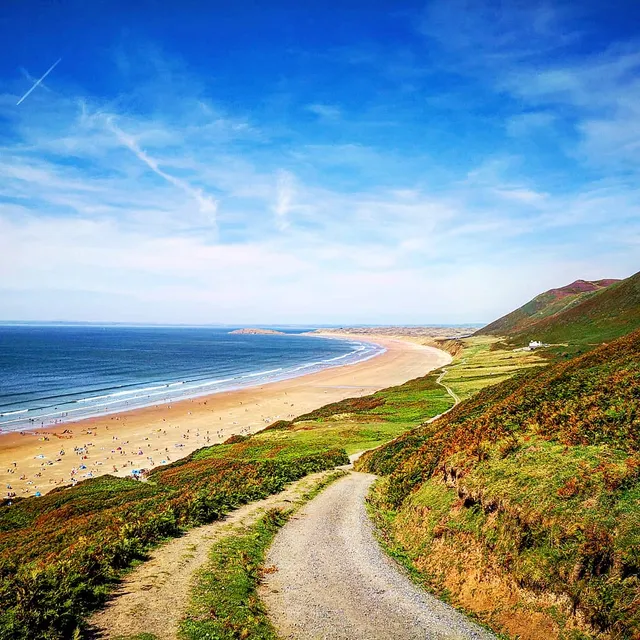
Rhossli Beach
4.7
(14)
Open 24 hours
Click for details
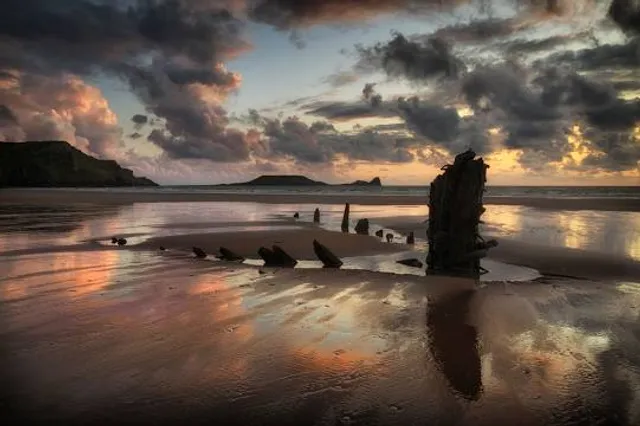
Wreck of the Helvetia
4.6
(284)
Open 24 hours
Click for details
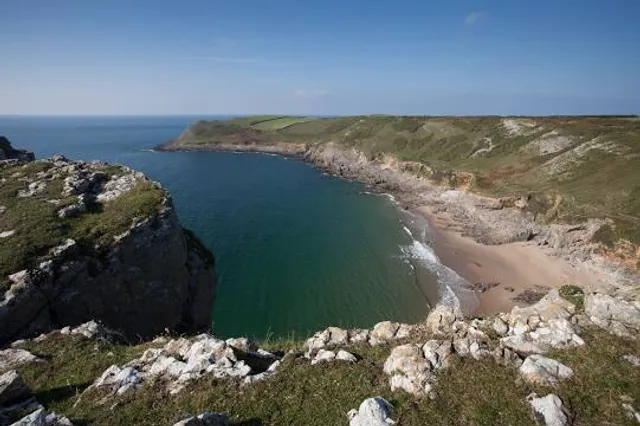
Fall Bay
4.9
(39)
Open until 12:00 AM
Click for details
Nearby restaurants of Saint Mary's Church
The Lookout, Rhossili
The Causeway
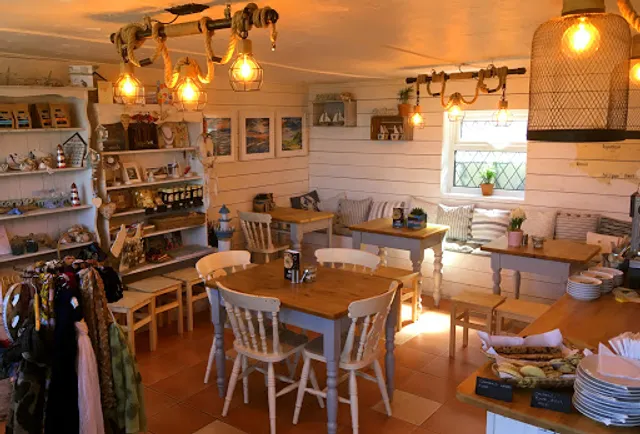
The Lookout, Rhossili
4.8
(221)
Open until 4:00 PM
Click for details
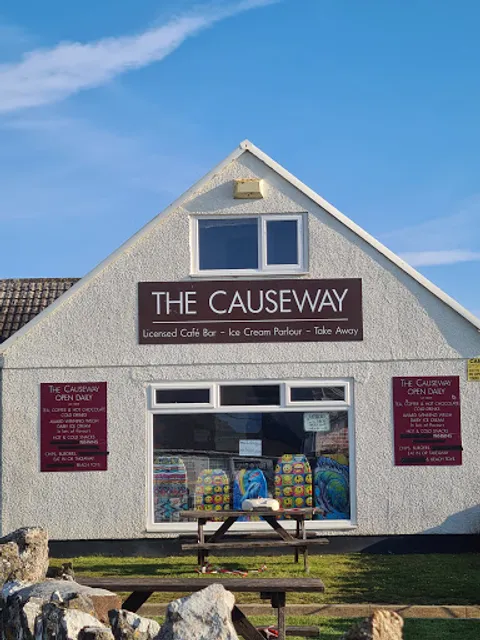
The Causeway
3.4
(42)
Open until 10:30 PM
Click for details