Dufferin Islands things to do, attractions, restaurants, events info and trip planning
Basic Info
Dufferin Islands
Niagara Falls, ON L2G 0E5, Canada
4.7(153)
Save
spot
spot
Ratings & Description
Info
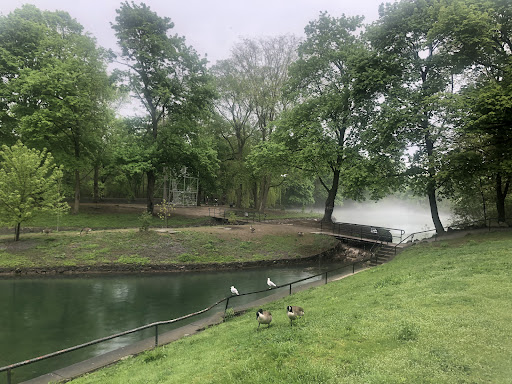
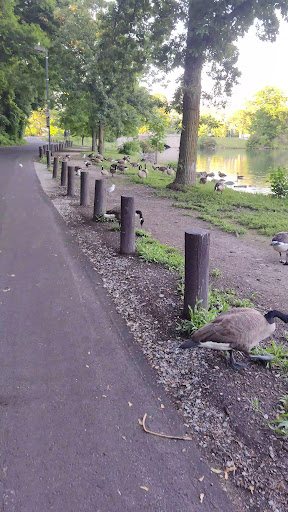
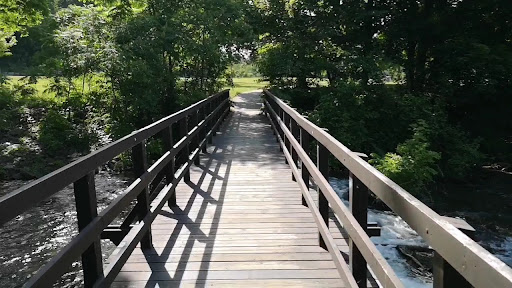
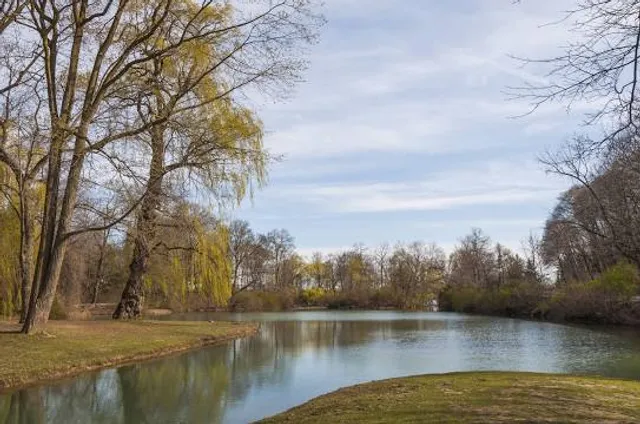
Dufferin Islands are a group of scenic man-made islands located in Niagara Falls, Ontario, approximately 1/2 mile south of the Horseshoe Falls. The islands are known for their quiet seclusion and nature trails.
Outdoor
Scenic
Relaxation
Family friendly
Pet friendly
attractions: Dufferin Islands Nature Area, Dufferin Islands, MarineLand, Niagara Parks Commission, Floral Showhouse, Former Electrical Development Co of Ontario, Floral Garden, Polar Splash, Niagara Parks Power Station + The Tunnel, Sky Screamer, restaurants: , local businesses: Old Scow Lookout Point, Rapidsview Parking Lot (Parking Lot C), Power Station Shop
 Learn more insights from Wanderboat AI.
Plan your stay

Pet-friendly Hotels in City of Niagara Falls
Find a cozy hotel nearby and make it a full experience.

Affordable Hotels in City of Niagara Falls
Find a cozy hotel nearby and make it a full experience.

The Coolest Hotels You Haven't Heard Of (Yet)
Find a cozy hotel nearby and make it a full experience.

Trending Stays Worth the Hype in City of Niagara Falls
Find a cozy hotel nearby and make it a full experience.
Reviews
Live events

Wine & Cheese Afternoon Delight tours
Wed, Jan 28 • 1:00 PM
Niagara-on-the-Lake, Ontario, L0S 1J0, Canada
View details
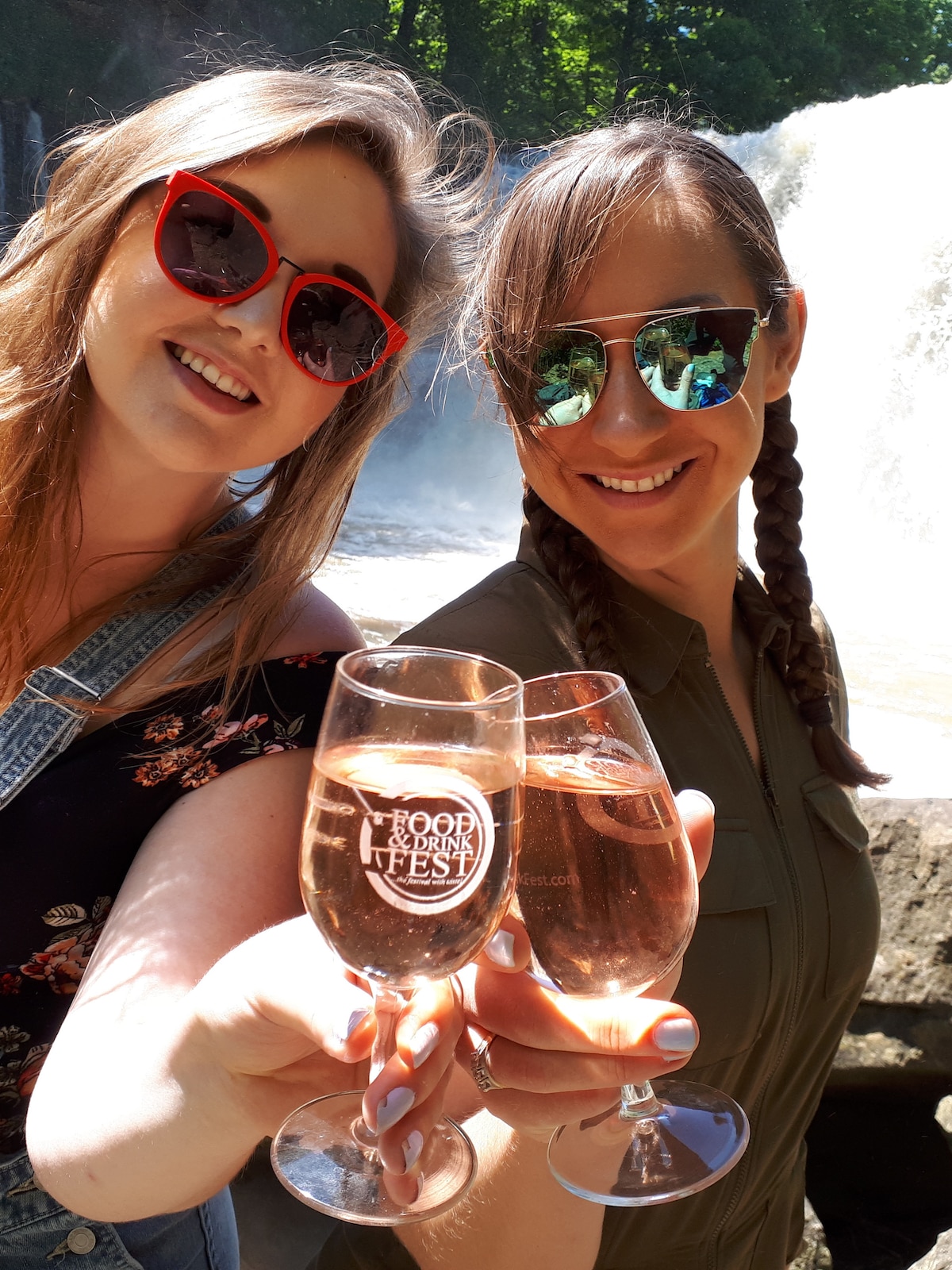
Waterfalls & Wine
Wed, Jan 28 • 1:00 PM
Lincoln, Ontario, L0R 1S0, Canada
View details

Decorate cakes with a Food Network star
Wed, Jan 28 • 5:00 PM
Buffalo, New York, 14222
View details
Nearby attractions of Dufferin Islands
Dufferin Islands Nature Area
Dufferin Islands
MarineLand
Niagara Parks Commission
Floral Showhouse
Former Electrical Development Co of Ontario
Floral Garden
Polar Splash
Niagara Parks Power Station + The Tunnel
Sky Screamer
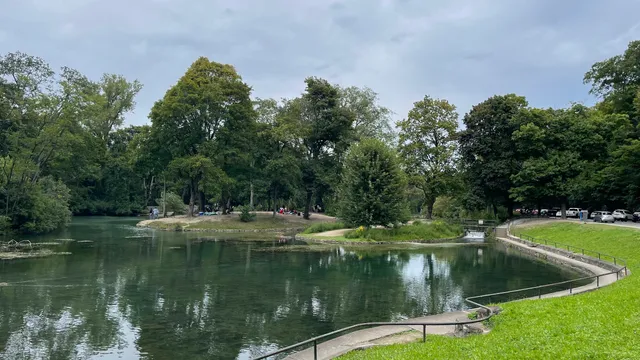
Dufferin Islands Nature Area
4.6
(411)
Open until 12:00 AM
Click for details
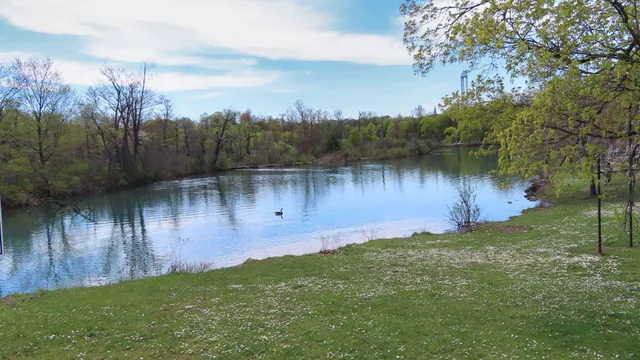
Dufferin Islands
4.7
(57)
Closed
Click for details

MarineLand
3.5
(2.8K)
Open 24 hours
Click for details
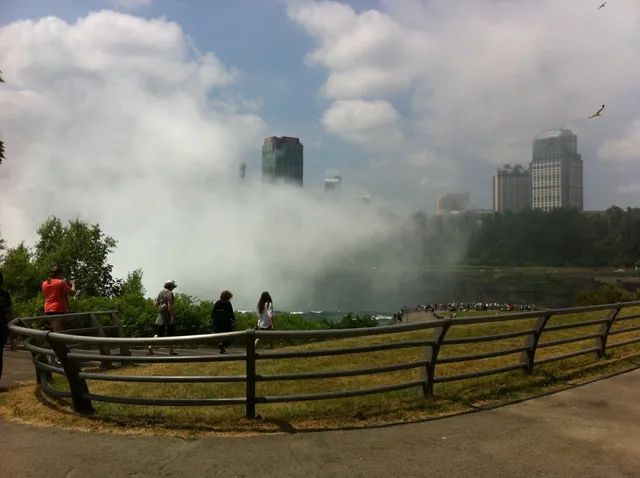
Niagara Parks Commission
4.3
(50)
Open until 12:00 AM
Click for details
Nearby local services of Dufferin Islands
Old Scow Lookout Point
Rapidsview Parking Lot (Parking Lot C)
Power Station Shop
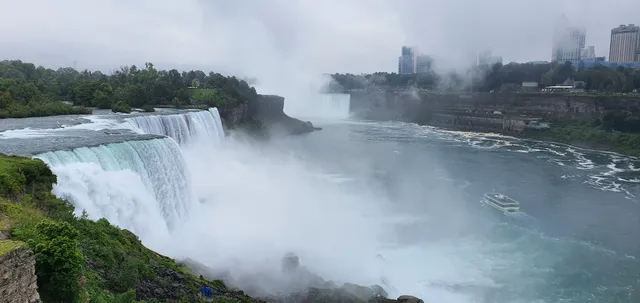
Old Scow Lookout Point
4.8
(24)
Click for details

Rapidsview Parking Lot (Parking Lot C)
4.6
(109)
Click for details

Power Station Shop
4.6
(32)
Click for details