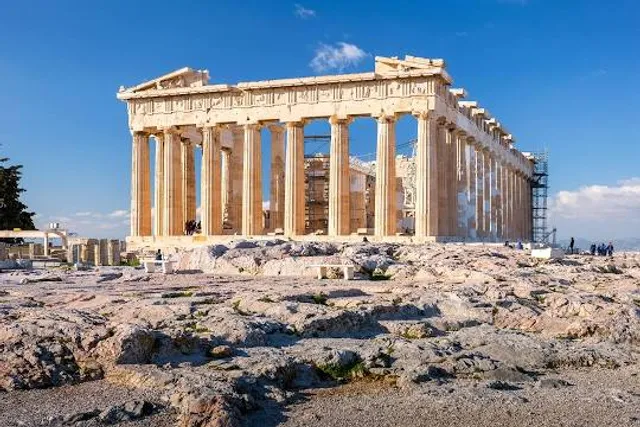

🇬🇷 Acropolis of Athens 🏛️
The Acropolis of Athens is one of the world's most famous ancient sites, a symbol of ancient Greek civilization and hailed as the "Cradle of Western Civilization." Built during the Age of Pericles (5th century BC), it stands atop a limestone hill ~150m high in central Athens, offering panoramic views of the city. 🏛️ Key Structures: 1️⃣ Parthenon Dedicated to the goddess Athena 🦉, it is the centerpiece of the Acropolis. Constructed (447–438 BC) in the Doric order. Once housed a massive 12-meter gold-and-ivory statue of Athena (now lost). Considered the pinnacle of classical architecture. 2️⃣ Erechtheion Famous for the Caryatids – 6 columns sculpted as graceful maidens 👑. Dedicated to Athena, Poseidon, and King Erechtheus. Demonstrates adaptive architecture on uneven terrain. 3️⃣ Temple of Athena Nike 🏆 Located to the right of the entrance, dedicated to the goddess of victory. Small but exquisitely proportioned and carved. "Nike" means "victory," symbolizing Athens’ triumph over Persia. 4️⃣ Propylaea 🚪 The grand entrance gateway to the Acropolis. Features symmetric Doric colonnades and sophisticated design. 5️⃣ Ancient Theaters & Music Halls Theatre of Dionysus 🎭: One of the earliest theaters globally, birthplace of Greek drama. Odeon of Herodes Atticus 🎵: Built in the 2nd century AD, still used for performances today. 📜 Historical Highlights: First inhabited in the Neolithic era, but flourished during the 5th-century Golden Age. Commissioned by Pericles, designed by architects Ictinus & Callicrates, and sculptor Phidias. Damaged by Persians, converted into a church/mosque, and looted during the Renaissance. Now a UNESCO World Heritage Site 🌍. #EastMeetsWest #Greece #WorldHeritage #Athens #Athena #TravelSlowly