

HTML SitemapExplore
logo
Find Things to DoFind The Best Restaurants

Here, one can catch a glimpse of a corner of paradise.

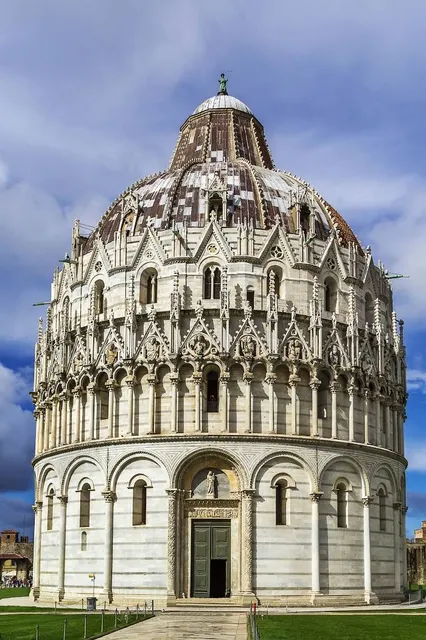
Florence is located in the center of Italy, in the region of Tuscany. Founded in 59 BC, it was originally a Roman military encampment, rectangular in shape, with a central square and many fortresses within the city. During the Roman Empire, it gradually flourished, reaching its peak in the time of Pope Adrian, until the 4th century AD. Architectural relics such as the Marble Square, the Temple of the Three Porticoes, and the Temple of Isis still remain.🗽🗽🗽 After a period of decline, Florence achieved full independence in 1115 and ushered in a new era of development. From the early 11th to the 12th century, a series of churches were newly built or renovated. In 1284, a tall brick and stone city wall was constructed. The plague of 1348 reduced the population, but from 1418 to 1434, during the reign of the Medici as dukes, a new wave of art and science represented by Brunelleschi emerged. Subsequently, during the time of Duke Cosimo I and others, the city underwent urban transformation. The Medici family ruled for nearly 300 years, encouraging the development of new types of art from the 14th century onwards. Humanism emerged, and the Renaissance movement began here.😻😻😻 **Notable Architecture** - Florence Cathedral (Cattedrale di Santa Maria del Fiore): Laid the foundation in 1296 and completed in 1436. Although it is largely in the shape of a Latin cross, the eastern choir is close to a centralized plan and adopts a dome. The octagonal dome has an inner diameter of 43 meters, a height of over 30 meters, and a total height of 107 meters including the lantern. The construction of the dome broke with tradition, using the "ribbed" method, and is considered the first work of Italian Renaissance architecture. The cathedral houses numerous artistic treasures from the Renaissance period.😍😍😍 - Uffizi Gallery (Galleria degli Uffizi): Located within the Uffizi Palace, it is a world-renowned museum of painting art, famous for its extensive collection of Renaissance paintings. Known as the treasure trove of Renaissance art, it holds approximately 4,800 pieces of art, with about 2,000 on public display.😀😀😀 - Pitti Palace (Palazzo Pitti): Built in 1458, it was later purchased and expanded by the Medici family. The entire building is constructed of rough ashlar stones, with unique window designs on the main facade, divided into three levels. The Boboli Gardens behind the palace are laid out in a terraced manner along the hillside. The palace houses artistic masterpieces such as Michelangelo's "Slaves" and Giambologna's "Venus Rising from the Sea." - Palazzo Vecchio: Construction began in 1299 as the town hall. The layout is flexible, with a central tower reaching 94 meters in height, and an exterior that is simple and castle-like. The second-floor Hall of the 500 was once the city council hall and the ducal palace hall. In 1503, Leonardo da Vinci and Michelangelo had a painting competition here. The Loggia dei Lanzi, built in 1373, once housed German mercenaries and is now a sculpture gallery.💕💕💕 - Baptistery of St. John (Battistero di San Giovanni): Located directly opposite the Florence Cathedral, it is an octagonal building. It features the Golden Gate, called the "Gates of Paradise" by Michelangelo, the original of which is now housed in the museum behind the church. #Florence #Sculpture
Related posts
Hidden Gem Restaurants in FlorenceNUGOLOFlorence Michelin-recommended savory popcornA Hidden Café 🍵 in an Art Gallery in Florence's City CenterThe huge steak astonishes all tourists!Buca Mario, which has been in business since 1886
Elowen Perry
Elowen Perry
6 months ago
Elowen Perry
Elowen Perry
6 months ago
no-comment

No one has commented yet...

Here, one can catch a glimpse of a corner of paradise.

Florence is located in the center of Italy, in the region of Tuscany. Founded in 59 BC, it was originally a Roman military encampment, rectangular in shape, with a central square and many fortresses within the city. During the Roman Empire, it gradually flourished, reaching its peak in the time of Pope Adrian, until the 4th century AD. Architectural relics such as the Marble Square, the Temple of the Three Porticoes, and the Temple of Isis still remain.🗽🗽🗽 After a period of decline, Florence achieved full independence in 1115 and ushered in a new era of development. From the early 11th to the 12th century, a series of churches were newly built or renovated. In 1284, a tall brick and stone city wall was constructed. The plague of 1348 reduced the population, but from 1418 to 1434, during the reign of the Medici as dukes, a new wave of art and science represented by Brunelleschi emerged. Subsequently, during the time of Duke Cosimo I and others, the city underwent urban transformation. The Medici family ruled for nearly 300 years, encouraging the development of new types of art from the 14th century onwards. Humanism emerged, and the Renaissance movement began here.😻😻😻 Notable Architecture - Florence Cathedral (Cattedrale di Santa Maria del Fiore): Laid the foundation in 1296 and completed in 1436. Although it is largely in the shape of a Latin cross, the eastern choir is close to a centralized plan and adopts a dome. The octagonal dome has an inner diameter of 43 meters, a height of over 30 meters, and a total height of 107 meters including the lantern. The construction of the dome broke with tradition, using the "ribbed" method, and is considered the first work of Italian Renaissance architecture. The cathedral houses numerous artistic treasures from the Renaissance period.😍😍😍 - Uffizi Gallery (Galleria degli Uffizi): Located within the Uffizi Palace, it is a world-renowned museum of painting art, famous for its extensive collection of Renaissance paintings. Known as the treasure trove of Renaissance art, it holds approximately 4,800 pieces of art, with about 2,000 on public display.😀😀😀 - Pitti Palace (Palazzo Pitti): Built in 1458, it was later purchased and expanded by the Medici family. The entire building is constructed of rough ashlar stones, with unique window designs on the main facade, divided into three levels. The Boboli Gardens behind the palace are laid out in a terraced manner along the hillside. The palace houses artistic masterpieces such as Michelangelo's "Slaves" and Giambologna's "Venus Rising from the Sea." - Palazzo Vecchio: Construction began in 1299 as the town hall. The layout is flexible, with a central tower reaching 94 meters in height, and an exterior that is simple and castle-like. The second-floor Hall of the 500 was once the city council hall and the ducal palace hall. In 1503, Leonardo da Vinci and Michelangelo had a painting competition here. The Loggia dei Lanzi, built in 1373, once housed German mercenaries and is now a sculpture gallery.💕💕💕 - Baptistery of St. John (Battistero di San Giovanni): Located directly opposite the Florence Cathedral, it is an octagonal building. It features the Golden Gate, called the "Gates of Paradise" by Michelangelo, the original of which is now housed in the museum behind the church. #Florence #Sculpture

Florence
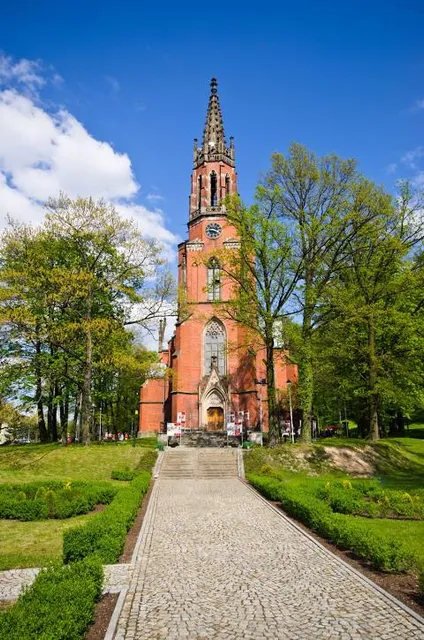
Pałac Marianny Orańskiej w Kamieńcu Ząbkowickim
Battistero di San Giovanni
Pałac Marianny Orańskiej w Kamieńcu ZąbkowickimPałac Marianny Orańskiej w Kamieńcu ZąbkowickimBattistero di San GiovanniBattistero di San Giovanni