Battistero di San Giovanni things to do, attractions, restaurants, events info and trip planning
Basic Info
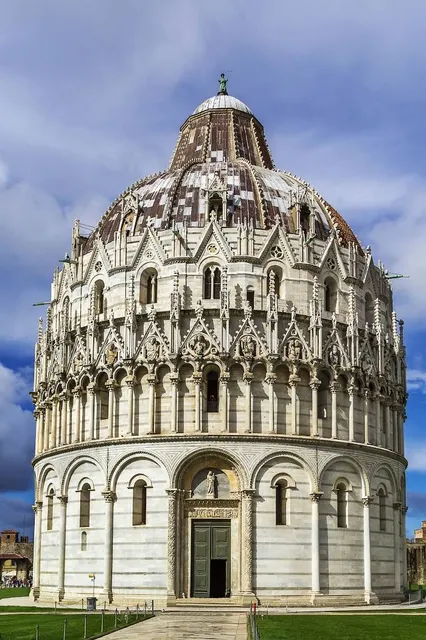
Battistero di San Giovanni
Piazza del Duomo, 56126 Pisa PI, Italy
4.6(1.8K)
Closed


tickets
Save
spot
spot
Ratings & Description
Info
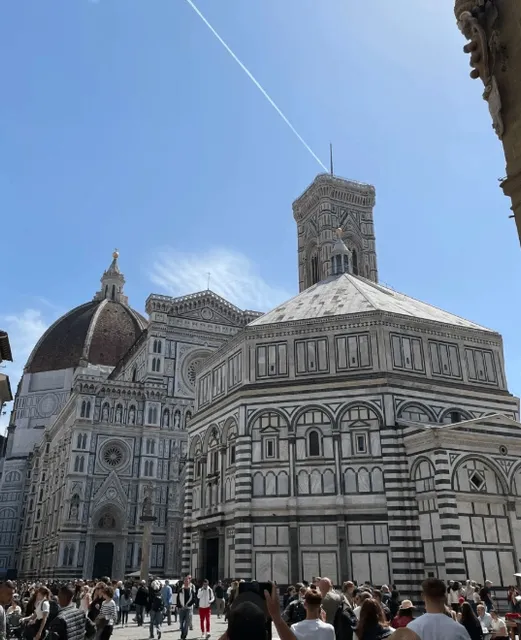
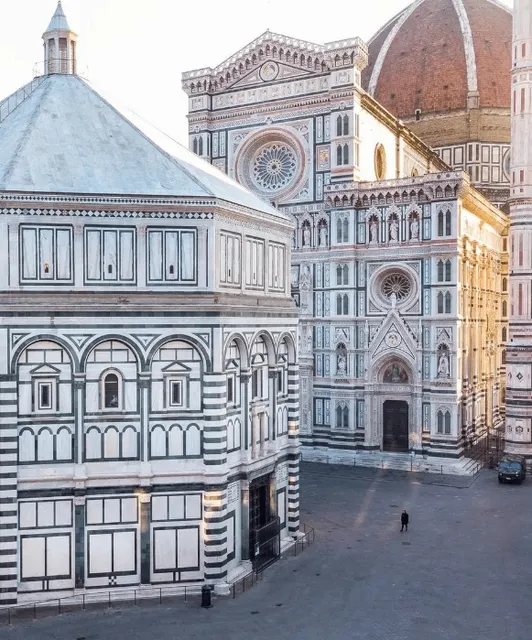
The Florence Baptistery, also known as the Baptistery of Saint John, is a religious building in Florence, Italy, and has the status of a minor basilica. The octagonal baptistery stands in both the Piazza del Duomo and the Piazza San Giovanni, across from Florence Cathedral and the Campanile di Giotto.
Cultural
Accessibility
attractions: Piazza del Duomo, Leaning Tower of Pisa, Cattedrale di Pisa, Camposanto, Sinopie Museum, Mura di Pisa, Porta Nuova Pisa, Lion's Gate, Porta Santa Maria Pisa, Museo dell'Opera del Duomo, restaurants: Po'stò Cafè Pisa, Ristoro Antonio la Torre, RISTORANTE PIZZERIA L'EUROPEO, "ROSEMARY" Ristorante Pizzeria Bar, Ristorante Pizzeria Duomo, McDonald’s, TacoRRiendo de Lupita, Kabuto Ramen & Bistrot, Ristoro Pecorino, Halal Food and Doner Kebab, local businesses: Cathedral of Santa Maria Assunta and Jenesien, Farmacia Comunale 5, Museo dell'Opera del Duomo, Arcadia Di Bartalini Fabio, Lo Scrigno Pisa, Italy Fashion Ponto de Encontro, Iglesia de Santa Clara, Asia Food Market, G. Barsanti e Figli e C. Sas, Schiefer Turm Pisa
 Learn more insights from Wanderboat AI.
Phone
+39 050 835011
Website
opapisa.it
Open hoursSee all hours
Sat9 AM - 6 PMClosed
Plan your stay

Pet-friendly Hotels in Pisa
Find a cozy hotel nearby and make it a full experience.

Affordable Hotels in Pisa
Find a cozy hotel nearby and make it a full experience.

The Coolest Hotels You Haven't Heard Of (Yet)
Find a cozy hotel nearby and make it a full experience.

Trending Stays Worth the Hype in Pisa
Find a cozy hotel nearby and make it a full experience.
Reviews
Live events

Scrittura Creativa - One Shot Writing Night - Scatola Cibo di Bill Simpson
Mon, Feb 23 • 8:45 PM
31 Via del Borghetto 56124 Pisa
View details

Vengo anchio! (o magari no) Vol II
Tue, Feb 24 • 6:30 PM
5 Via Silvestri 56125 Pisa
View details
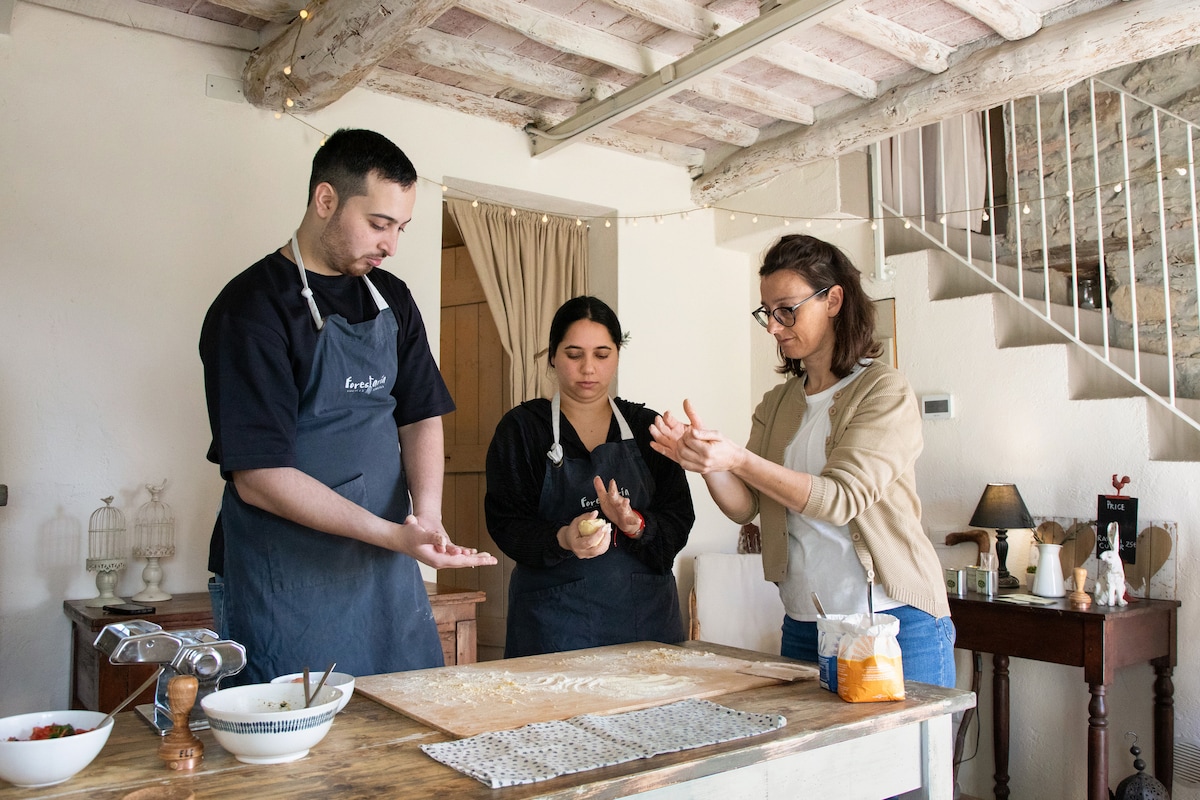
Cooking at a Tuscan farm
Mon, Feb 23 • 11:00 AM
55012, Capannori, Toscana, Italy
View details
Nearby attractions of Battistero di San Giovanni
Piazza del Duomo
Leaning Tower of Pisa
Cattedrale di Pisa
Camposanto
Sinopie Museum
Mura di Pisa
Porta Nuova Pisa
Lion's Gate
Porta Santa Maria Pisa
Museo dell'Opera del Duomo
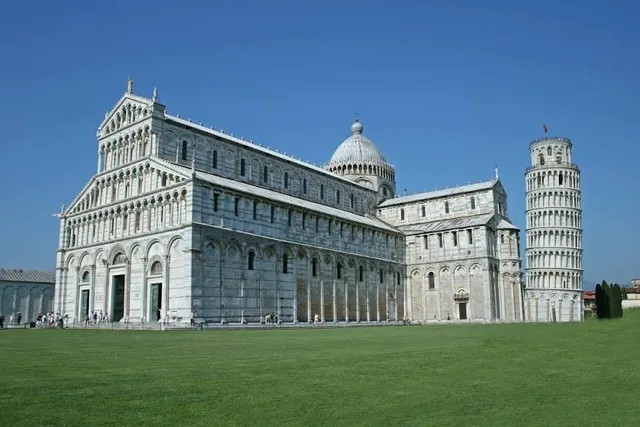
Piazza del Duomo
4.7
(43.9K)
Open until 12:00 AM
Click for details
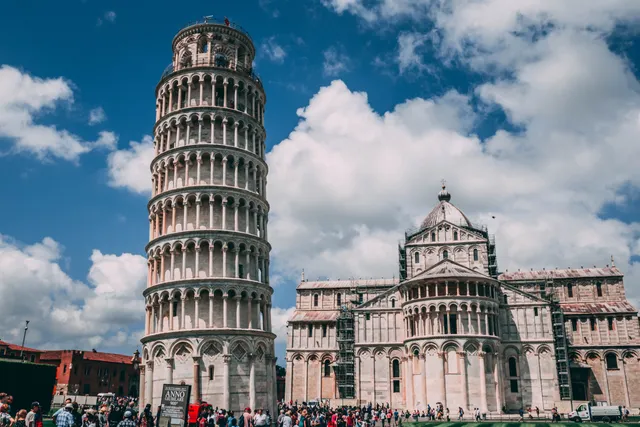
Leaning Tower of Pisa
4.7
(58.4K)
Closed
Click for details
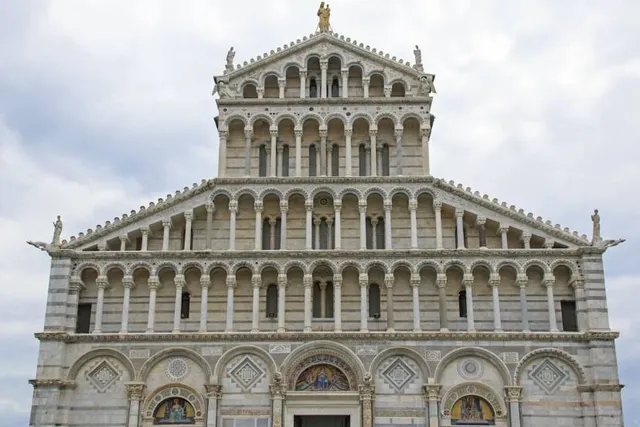
Cattedrale di Pisa
4.8
(5.3K)
Closed
Click for details
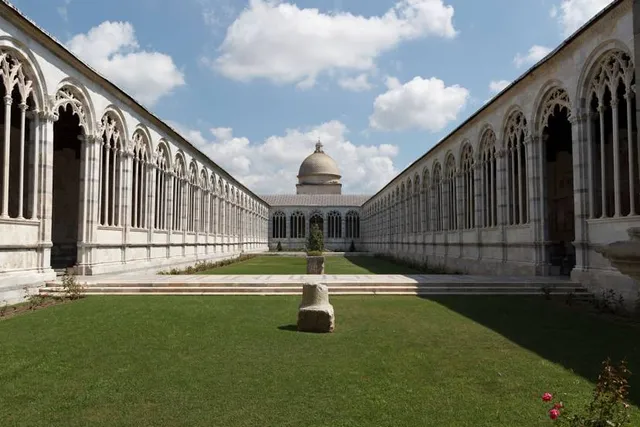
Camposanto
4.7
(567)
Closed
Click for details
Nearby restaurants of Battistero di San Giovanni
Po'stò Cafè Pisa
Ristoro Antonio la Torre
RISTORANTE PIZZERIA L'EUROPEO
"ROSEMARY" Ristorante Pizzeria Bar
Ristorante Pizzeria Duomo
McDonald’s
TacoRRiendo de Lupita
Kabuto Ramen & Bistrot
Ristoro Pecorino
Halal Food and Doner Kebab
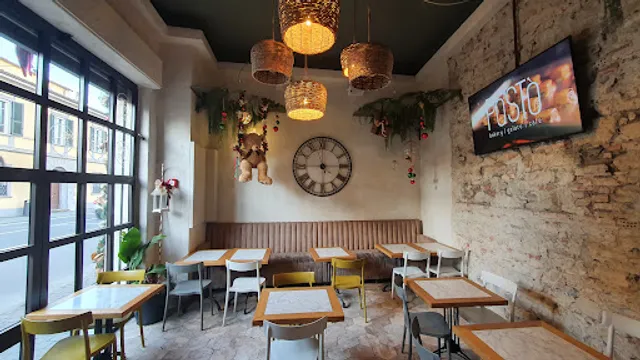
Po'stò Cafè Pisa
4.5
(748)
Closed
Click for details
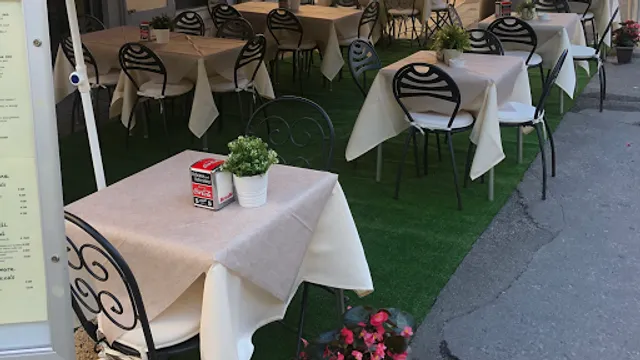
Ristoro Antonio la Torre
4.5
(385)
Click for details
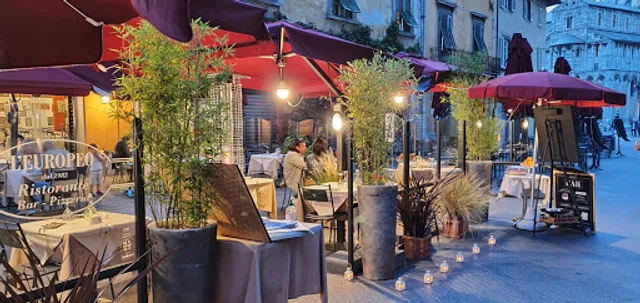
RISTORANTE PIZZERIA L'EUROPEO
4.6
(2K)
Closed
Click for details
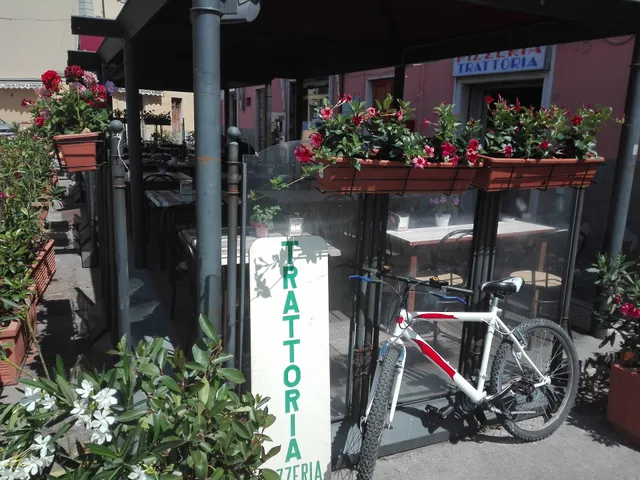
"ROSEMARY" Ristorante Pizzeria Bar
3.3
(529)
Closed
Click for details
Nearby local services of Battistero di San Giovanni
Cathedral of Santa Maria Assunta and Jenesien
Farmacia Comunale 5
Museo dell'Opera del Duomo
Arcadia Di Bartalini Fabio
Lo Scrigno Pisa
Italy Fashion Ponto de Encontro
Iglesia de Santa Clara
Asia Food Market
G. Barsanti e Figli e C. Sas
Schiefer Turm Pisa
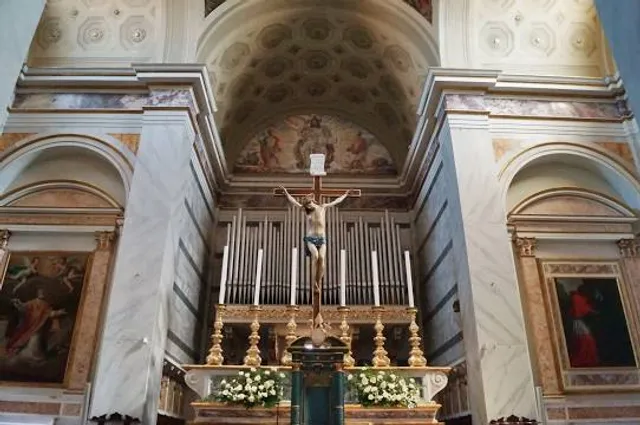
Cathedral of Santa Maria Assunta and Jenesien
4.5
(185)
Click for details
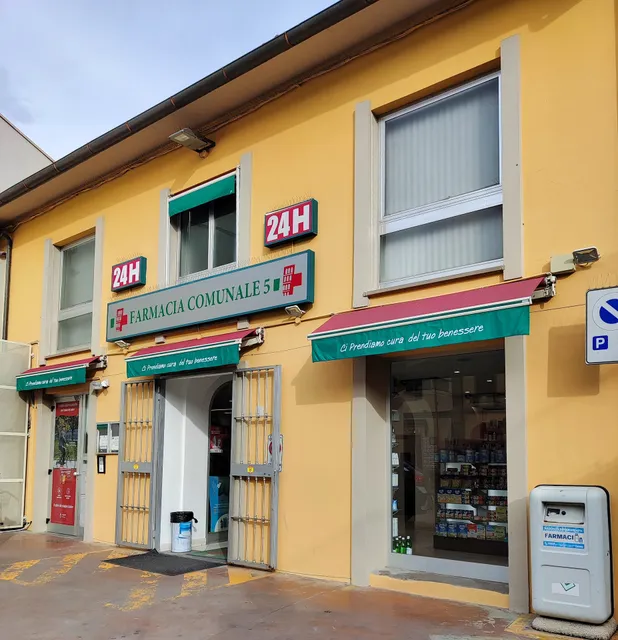
Farmacia Comunale 5
3.9
(120)
Click for details

Museo dell'Opera del Duomo
4.6
(230)
Click for details

Arcadia Di Bartalini Fabio
4.9
(287)
Click for details