
HTML SitemapExplore
logo
Find Things to DoFind The Best Restaurants

The Mesmerizing Southern Delta Aquariids Meteor Shower Will Peak This July Over SoCal’s Night Skies — Here’s How To Catch It

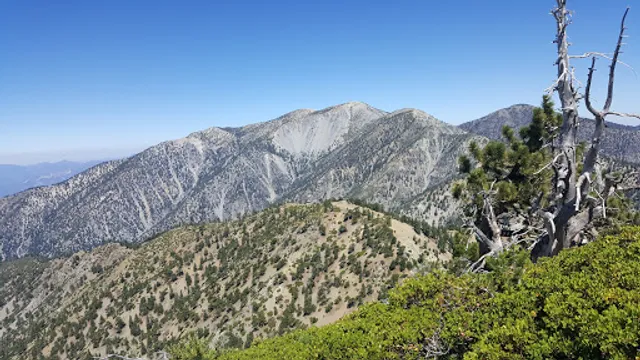
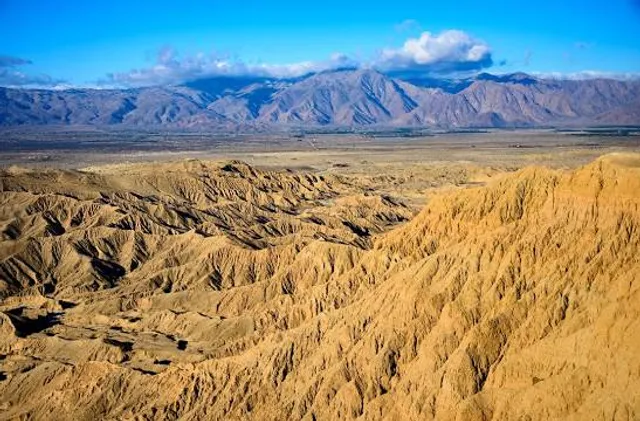
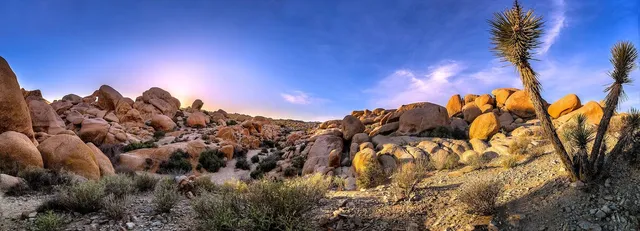
With summer’s arrival, the heat invites us to spend nights outdoors, whether around a [bonfire,](https://secretlosangeles.com/beach-bonfire-los-angeles/) partying, or simply marveling at the wonders of the [great outdoors](https://secretlosangeles.com/incredible-outdoor-activities-in-la/) and the night sky. One of those wonders is the **captivating meteor showers.** The third week of July is marked on the calendar of astronomy geeks as one of the most anticipated, as the night skies will be decorated by the sparkling, magical streaks we can see **during the Delta Aquariids shower.** *[National Geographic](https://www.nationalgeographic.com/science/article/best-night-sky-events-july-2025)* reports that the phenomenon will be active **from July 18 through August 12,** and is predicted to reach its peak overnight appearance between July 29 and 30. This year, the waning crescent moon will set early during the peak hours, leaving the skies dark and **ideal for meteor watching.** Southern Delta Aquariids meteors tend to be faint, with observers typically spotting no more than a dozen or two shooting stars per hour. For a more spectacular show, plan to watch in August, when the meteor shower **overlaps with the brighter Perseids.** For those in the L.A. area, excellent viewing spots include [**Joshua Tree National Park,**](https://secretlosangeles.com/national-parks-near-los-angeles/) known for its dark skies and minimal light pollution; **Angeles National Forest,** which offers peaceful, dark surroundings just a short drive from the city; and the **Anza-Borrego Desert State Park,** where wide-open spaces and clear skies create ideal conditions for spotting meteors. Though meteor showers are best seen with the naked eye, using a telescope or even binoculars is recommended to **make the best out of the experience.** Source: [https://secretlosangeles.com/delta-aquariids-meteor-shower-la/](https://secretlosangeles.com/delta-aquariids-meteor-shower-la/)

Related posts
Los Angeles | Super Chill Flower-Filled Bistro 🌺🍺LA Metro Celebrates New Biking Path With Free Community Ride – Here's How To JoinCrystal Cathedral in Irvine – Like a Sky Full of Stars Held in Glass ✨​​🌟 Holbox - LA’s Most Affordable Michelin Star (And It Slaps!)​​ 🦐✨🌴 8 SoCal Beaches to Hit This Weekend! 🏖️Korean Restaurant with Amazing Side Dishes (Menu Included)
LA News
LA News
5 months ago
LA News
LA News
5 months ago

The Mesmerizing Southern Delta Aquariids Meteor Shower Will Peak This July Over SoCal’s Night Skies — Here’s How To Catch It

With summer’s arrival, the heat invites us to spend nights outdoors, whether around a bonfire, partying, or simply marveling at the wonders of the great outdoors and the night sky. One of those wonders is the captivating meteor showers. The third week of July is marked on the calendar of astronomy geeks as one of the most anticipated, as the night skies will be decorated by the sparkling, magical streaks we can see during the Delta Aquariids shower. *National Geographic* reports that the phenomenon will be active from July 18 through August 12, and is predicted to reach its peak overnight appearance between July 29 and 30. This year, the waning crescent moon will set early during the peak hours, leaving the skies dark and ideal for meteor watching. Southern Delta Aquariids meteors tend to be faint, with observers typically spotting no more than a dozen or two shooting stars per hour. For a more spectacular show, plan to watch in August, when the meteor shower overlaps with the brighter Perseids. For those in the L.A. area, excellent viewing spots include **Joshua Tree National Park,** known for its dark skies and minimal light pollution; Angeles National Forest, which offers peaceful, dark surroundings just a short drive from the city; and the Anza-Borrego Desert State Park, where wide-open spaces and clear skies create ideal conditions for spotting meteors. Though meteor showers are best seen with the naked eye, using a telescope or even binoculars is recommended to make the best out of the experience. Source: https://secretlosangeles.com/delta-aquariids-meteor-shower-la/
Los Angeles
Anza-Borrego Desert State Park
Joshua Tree National Park
Angeles National Forest
Anza-Borrego Desert State ParkAnza-Borrego Desert State ParkJoshua Tree National ParkJoshua Tree National ParkAngeles National ForestAngeles National Forest
no-comment

No one has commented yet...