

HTML SitemapExplore
logo
Find Things to DoFind The Best Restaurants

Tibetan-Style Old House, Where Both Stomach and Heart Feel at Ease 🏡

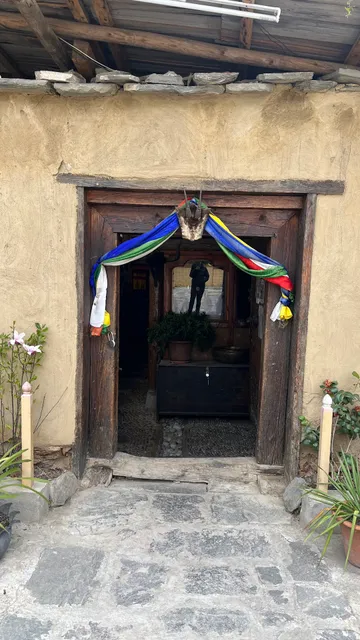
The first time I wandered hungry through Thimphu’s streets, I was drawn to the wooden carved curtains at Heritage Home’s entrance—dark brown wooden doors etched with Bhutan’s traditional dragon patterns, colorful prayer flags hanging above the lintel. The second I pushed the door open, the scent of butter and steaming rice wafted over. Later, I learned this is many travelers’ "safe haven for homesick stomachs" in Bhutan: no need to force yourself to tackle overly strong local flavors, yet you can truly savor Bhutan’s daily warmth. Eating in a house steeped in traditional ambiance becomes an unforgettable part of any Bhutan trip. 🍚 Red Rice and "Gentle Spice": A Comforting Blend of Tradition and Warmth Bhutanese cuisine, closely linked to Tibetan culture, is rich in chili, cheese, and fermented foods—many travelers find it "intense" at first. But Heritage Home’s magic lies in its "balance": Bhutanese red rice is the star on every table. Slender grains with a natural crimson hue, chewy with a subtle nutty aroma. Grown from Bhutan’s highland red rice varieties, it’s steamed to stay fluffy and pairs perfectly with any dish; Ema Datshi (chili cheese), Bhutan’s national dish, is milder here than in street stalls. Local red chilies, chopped fine, melt into silky cheese—spiciness feels like "warmth with a milky touch." Mixed with red rice, it’s surprisingly satisfying; Even more thoughtful are "transition dishes" for travelers: stir-fried greens with local spinach and potatoes, light on oil and salt, carrying the fragrance of wood-fired cooking; stewed chicken soup with Bhutanese wild peppers, leaving only a hint of heat, the meat tender enough to melt on the tongue—you could sip three bowls without feeling heavy. A fellow traveler, an aunt, laughed: "I was worried I wouldn’t like it, but this red rice is even tastier than the white rice at home!" Truly, the food here mirrors Bhutanese character—rooted in tradition, yet wrapped in inclusive warmth, letting first-timers to Bhutanese flavors eat with ease. 🏠 Like Stepping Into a Bhutanese Family’s Living Room: An Old House Brimming With National Ambiance The restaurant itself is a "living relic": a Tibetan-style stone-and-wood house, with prayer flags and dried ears (barley ears) hanging from beams, hand-painted thangka on walls depicting snow-capped mountains and temples. Tables are polished solid wood long tables with low stools, making you feel like a guest in a neighbor’s home. The most charming part is the small kitchen window—you can watch chefs bustling by the earthen stove, steaming red rice in copper pots, stir-frying chilies in iron pans. Steam and smoke seep through the window cracks, carrying the warmth of "home." Servers are Bhutanese girls in traditional kira skirts, smiling as they introduce each dish: "This cheese is from our village; the red chilies are from the Paro Valley"—pride in their land shining in their voices. Mid-meal, sunlight filters through carved lattice windows, gilding the red rice. Prayer flags flutter softly in the wind, and suddenly you realize: more moving than the food is this sense of "stepping into local life"—not just checking off photo spots, but sitting in an old house, listening to Bhutanese laughter, chewing rice with the taste of highland sunshine, feeling like you belong. 🧘 Why It’s a "Must" for Bhutan Travel? Bhutan’s charm hides in details: snow-capped mountains are distant, temples are serene, but food is the most direct "touch." Many worry "I won’t eat well" before coming to Bhutan, but at Heritage Home, you’ll learn: great travel food isn’t about forcing adaptation, but tasting "difference" while finding "familiarity." Here, red rice carries Bhutan’s earthiness; ema datshi holds locals’ daily life; and that stir-fried greens dish understands your homesick stomach. Just like Bhutan’s culture—rooted in Tibetan depth, yet glowing with unique gentleness, letting every visitor find their comfortable place. As I left, the chef poked his head out of the kitchen, smiling: "Coming back tomorrow? Made fresh buckwheat pancakes." Suddenly, I grasped why "half of travel is eating"—at Heritage Home, you’re not just eating meals, but Bhutan’s daily warmth, stories in an old house, and that (steadiness) of being treated gently. If you visit Thimphu, make sure to stop by. After all, meals that comfort both stomach and heart are the most precious scenery in travel. 🏠 Restaurant: Heritage Home (central Thimphu, near Tashichho Dzong) #BhutanFood #Bhutan #BhutanTravel #ThimphuEats #BhutanGuide #BhutanCulture
Related posts
Best Budget Bites in Lumbini: This Spot Delivers 🍛Bhutan’s Amankora: 5 Resorts, Food Rated Honestly 🥢Spring in Bhutan: A Guide to the Country’s Most Vibrant Season 🌸Bhutan - Tiger's Nest Monastery 😘Lumbini’s Best Deal: Tasty, Cheap Eats Here 🍴Bhutan: The Most Expensive Hotel I’ve Ever Stayed In
Emma Watson
Emma Watson
4 months ago
Emma Watson
Emma Watson
4 months ago
no-comment

No one has commented yet...

Tibetan-Style Old House, Where Both Stomach and Heart Feel at Ease 🏡

The first time I wandered hungry through Thimphu’s streets, I was drawn to the wooden carved curtains at Heritage Home’s entrance—dark brown wooden doors etched with Bhutan’s traditional dragon patterns, colorful prayer flags hanging above the lintel. The second I pushed the door open, the scent of butter and steaming rice wafted over. Later, I learned this is many travelers’ "safe haven for homesick stomachs" in Bhutan: no need to force yourself to tackle overly strong local flavors, yet you can truly savor Bhutan’s daily warmth. Eating in a house steeped in traditional ambiance becomes an unforgettable part of any Bhutan trip. 🍚 Red Rice and "Gentle Spice": A Comforting Blend of Tradition and Warmth Bhutanese cuisine, closely linked to Tibetan culture, is rich in chili, cheese, and fermented foods—many travelers find it "intense" at first. But Heritage Home’s magic lies in its "balance": Bhutanese red rice is the star on every table. Slender grains with a natural crimson hue, chewy with a subtle nutty aroma. Grown from Bhutan’s highland red rice varieties, it’s steamed to stay fluffy and pairs perfectly with any dish; Ema Datshi (chili cheese), Bhutan’s national dish, is milder here than in street stalls. Local red chilies, chopped fine, melt into silky cheese—spiciness feels like "warmth with a milky touch." Mixed with red rice, it’s surprisingly satisfying; Even more thoughtful are "transition dishes" for travelers: stir-fried greens with local spinach and potatoes, light on oil and salt, carrying the fragrance of wood-fired cooking; stewed chicken soup with Bhutanese wild peppers, leaving only a hint of heat, the meat tender enough to melt on the tongue—you could sip three bowls without feeling heavy. A fellow traveler, an aunt, laughed: "I was worried I wouldn’t like it, but this red rice is even tastier than the white rice at home!" Truly, the food here mirrors Bhutanese character—rooted in tradition, yet wrapped in inclusive warmth, letting first-timers to Bhutanese flavors eat with ease. 🏠 Like Stepping Into a Bhutanese Family’s Living Room: An Old House Brimming With National Ambiance The restaurant itself is a "living relic": a Tibetan-style stone-and-wood house, with prayer flags and dried ears (barley ears) hanging from beams, hand-painted thangka on walls depicting snow-capped mountains and temples. Tables are polished solid wood long tables with low stools, making you feel like a guest in a neighbor’s home. The most charming part is the small kitchen window—you can watch chefs bustling by the earthen stove, steaming red rice in copper pots, stir-frying chilies in iron pans. Steam and smoke seep through the window cracks, carrying the warmth of "home." Servers are Bhutanese girls in traditional kira skirts, smiling as they introduce each dish: "This cheese is from our village; the red chilies are from the Paro Valley"—pride in their land shining in their voices. Mid-meal, sunlight filters through carved lattice windows, gilding the red rice. Prayer flags flutter softly in the wind, and suddenly you realize: more moving than the food is this sense of "stepping into local life"—not just checking off photo spots, but sitting in an old house, listening to Bhutanese laughter, chewing rice with the taste of highland sunshine, feeling like you belong. 🧘 Why It’s a "Must" for Bhutan Travel? Bhutan’s charm hides in details: snow-capped mountains are distant, temples are serene, but food is the most direct "touch." Many worry "I won’t eat well" before coming to Bhutan, but at Heritage Home, you’ll learn: great travel food isn’t about forcing adaptation, but tasting "difference" while finding "familiarity." Here, red rice carries Bhutan’s earthiness; ema datshi holds locals’ daily life; and that stir-fried greens dish understands your homesick stomach. Just like Bhutan’s culture—rooted in Tibetan depth, yet glowing with unique gentleness, letting every visitor find their comfortable place. As I left, the chef poked his head out of the kitchen, smiling: "Coming back tomorrow? Made fresh buckwheat pancakes." Suddenly, I grasped why "half of travel is eating"—at Heritage Home, you’re not just eating meals, but Bhutan’s daily warmth, stories in an old house, and that (steadiness) of being treated gently. If you visit Thimphu, make sure to stop by. After all, meals that comfort both stomach and heart are the most precious scenery in travel. 🏠 Restaurant: Heritage Home (central Thimphu, near Tashichho Dzong) #BhutanFood #Bhutan #BhutanTravel #ThimphuEats #BhutanGuide #BhutanCulture

Thimphu
Heritage Home
Heritage HomeHeritage Home