UBA School of Medicine things to do, attractions, restaurants, events info and trip planning
Basic Info
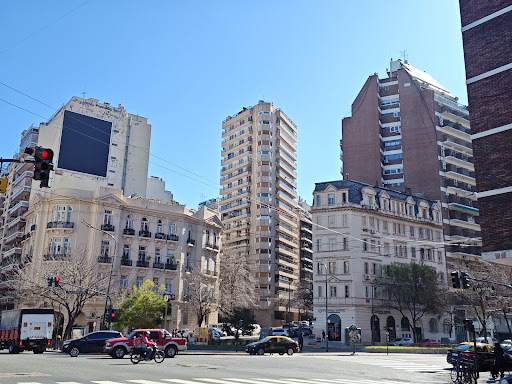
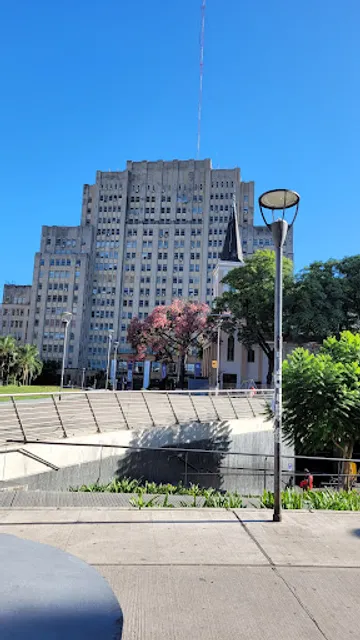
UBA School of Medicine
Paraguay 2155, C1121 ABG, Cdad. Autónoma de Buenos Aires, Argentina
4.6(2K)
Save
spot
spot
Ratings & Description
Info
attractions: Plaza Dr. Bernardo Houssay, Parque de skate-Facultades, Museo de Anatomía J.J Naón U.B.A., Museo del Agua y de la Historia Sanitaria, Pharmacobotany Museum "Juan A. Domínguez" of U.B.A., Museum of Pathology at the University of Buenos Aire, Forensic Museum of the Judicial Morgue, Museum of Foreign Debt, Plaza Rodríguez Peña, Biblioteca de la FCE (UBA), restaurants: Tostado Café Club - Plaza Houssay, Pertutti, Comer en Compañía, La Molinera, Hell's Pizza Plaza Houssay, El Desembarco Recoleta, Ohlalá, Café Martínez, El Trébol, La Parolaccia Barrio Norte, local businesses: Veronequi Flowers and Plants, Sarmiento Palace, SANTA FE MARKET, Museo Nacional del Grabado, Galería Bond Street, College De La Salle Buenos Aires, Libreria Gama, Deli Market, Mercado de San Nicolás, Capilla Del Colegio De La Salle
 Learn more insights from Wanderboat AI.
Phone
+54 11 5950-9500
Website
fmed.uba.ar
Plan your stay

Pet-friendly Hotels in Autonomous City of Buenos Aires
Find a cozy hotel nearby and make it a full experience.

Affordable Hotels in Autonomous City of Buenos Aires
Find a cozy hotel nearby and make it a full experience.

The Coolest Hotels You Haven't Heard Of (Yet)
Find a cozy hotel nearby and make it a full experience.

Trending Stays Worth the Hype in Autonomous City of Buenos Aires
Find a cozy hotel nearby and make it a full experience.
Reviews
Live events
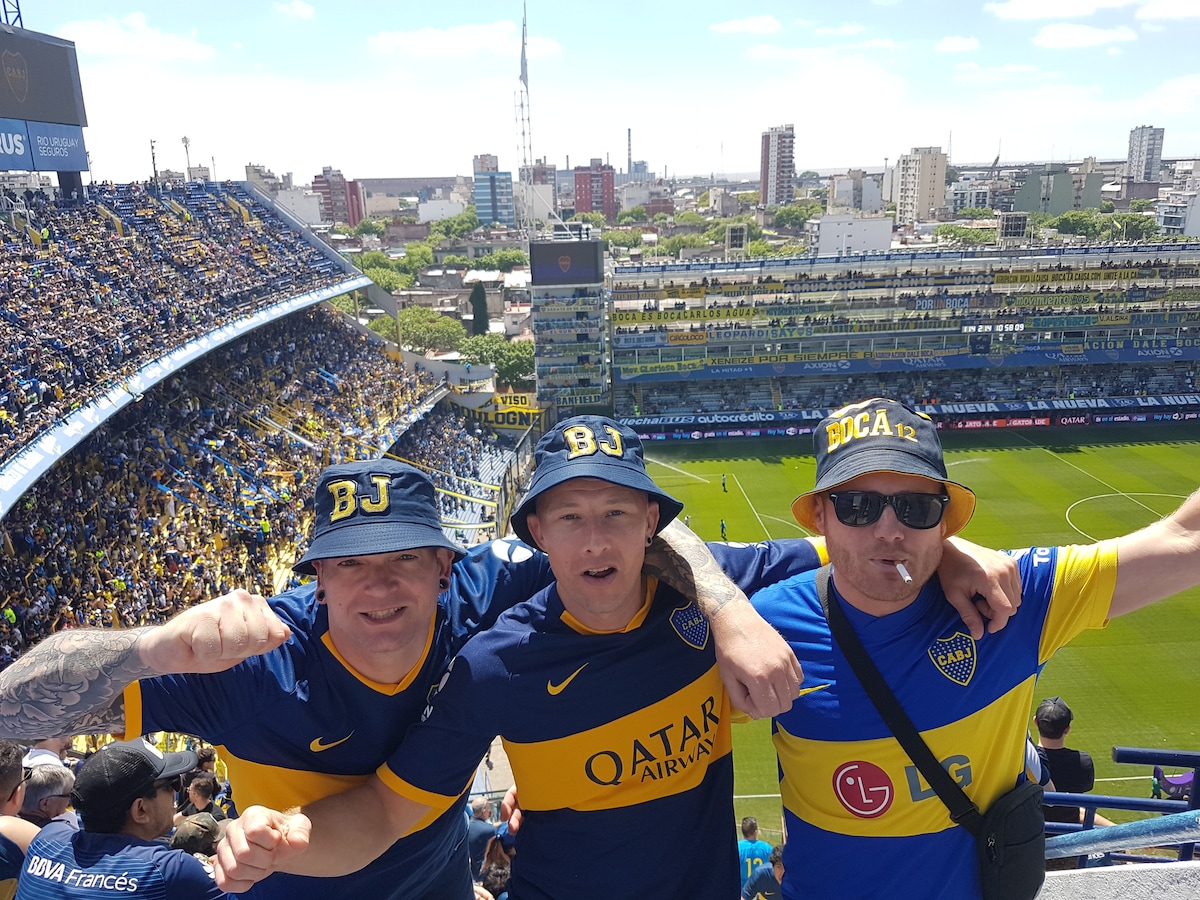
Watch an Argentine soccer match with a true fan
Wed, Feb 25 • 7:00 PM
C1010, Buenos Aires, Ciudad Autónoma de Buenos Aires, Argentina
View details
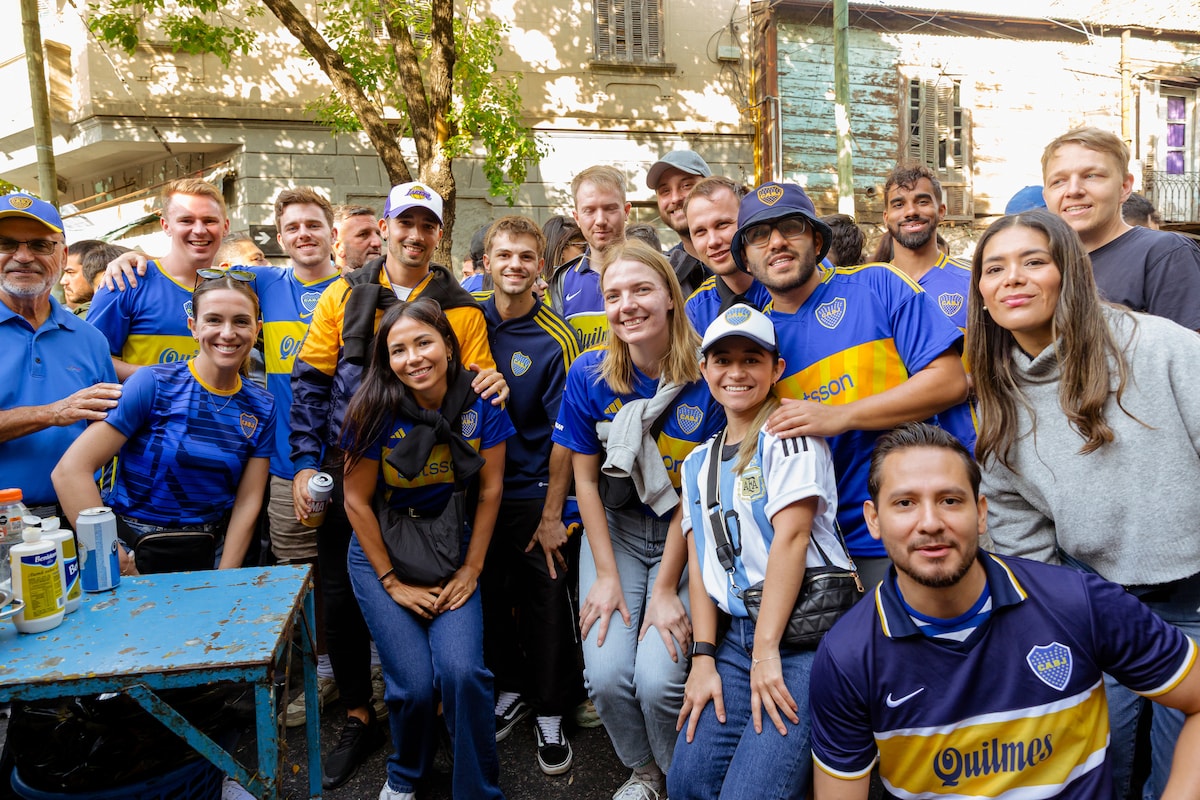
Soccer Matchday as a True Fan
Wed, Feb 25 • 7:00 PM
1420, Buenos Aires, Buenos Aires, Argentina
View details
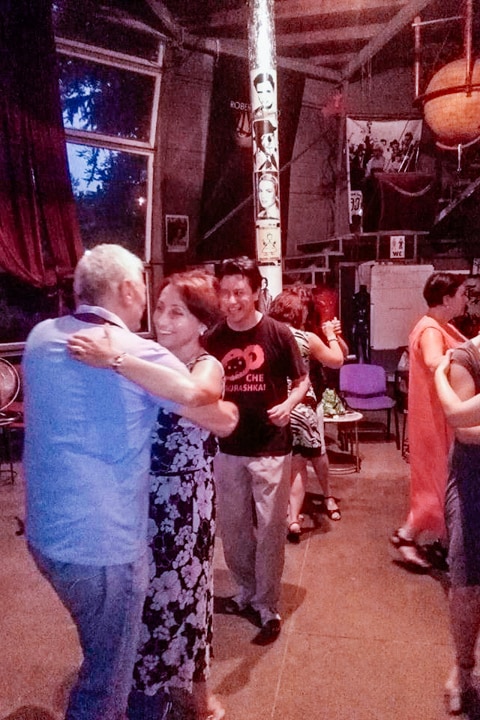
Tango lessons for all levels
Fri, Feb 20 • 6:00 PM
C1425, Buenos Aires, Buenos Aires, Argentina
View details
Nearby attractions of UBA School of Medicine
Plaza Dr. Bernardo Houssay
Parque de skate-Facultades
Museo de Anatomía J.J Naón U.B.A.
Museo del Agua y de la Historia Sanitaria
Pharmacobotany Museum "Juan A. Domínguez" of U.B.A.
Museum of Pathology at the University of Buenos Aire
Forensic Museum of the Judicial Morgue
Museum of Foreign Debt
Plaza Rodríguez Peña
Biblioteca de la FCE (UBA)
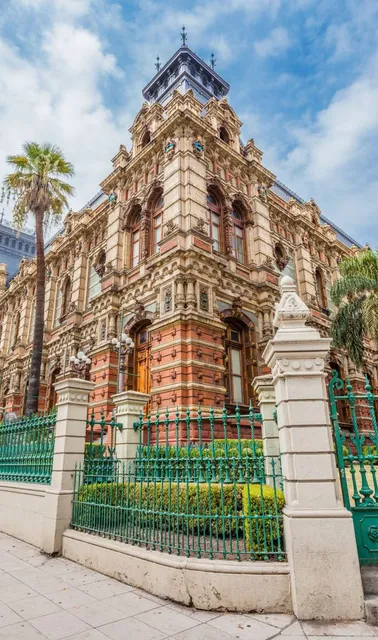
Plaza Dr. Bernardo Houssay
4.4
(9.3K)
Open until 12:00 AM
Click for details
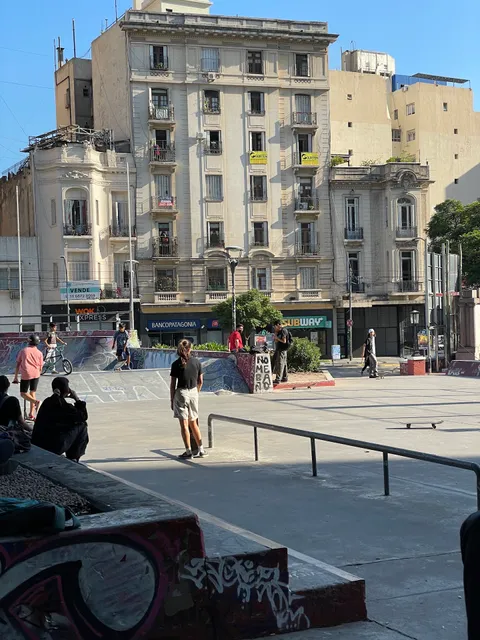
Parque de skate-Facultades
4.4
(175)
Open until 12:00 AM
Click for details
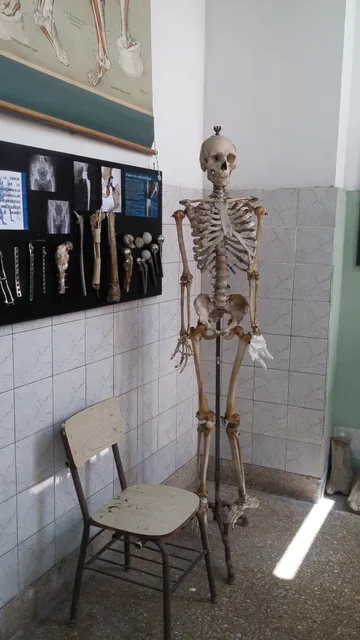
Museo de Anatomía J.J Naón U.B.A.
4.7
(127)
Closed
Click for details
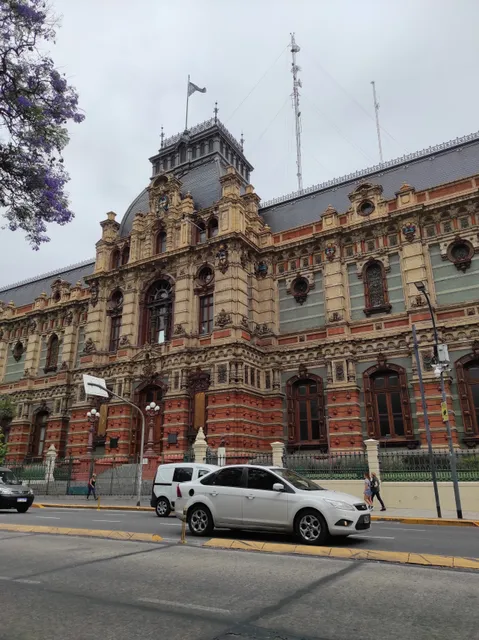
Museo del Agua y de la Historia Sanitaria
4.6
(4.1K)
Closed
Click for details
Nearby restaurants of UBA School of Medicine
Tostado Café Club - Plaza Houssay
Pertutti
Comer en Compañía
La Molinera
Hell's Pizza Plaza Houssay
El Desembarco Recoleta
Ohlalá
Café Martínez
El Trébol
La Parolaccia Barrio Norte
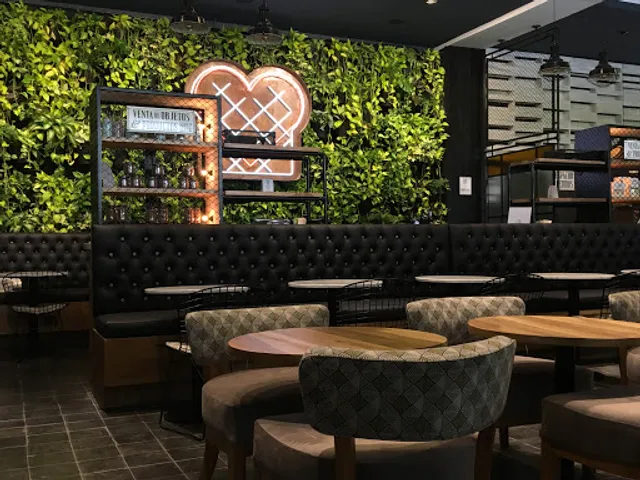
Tostado Café Club - Plaza Houssay
4.6
(2.7K)
Closed
Click for details
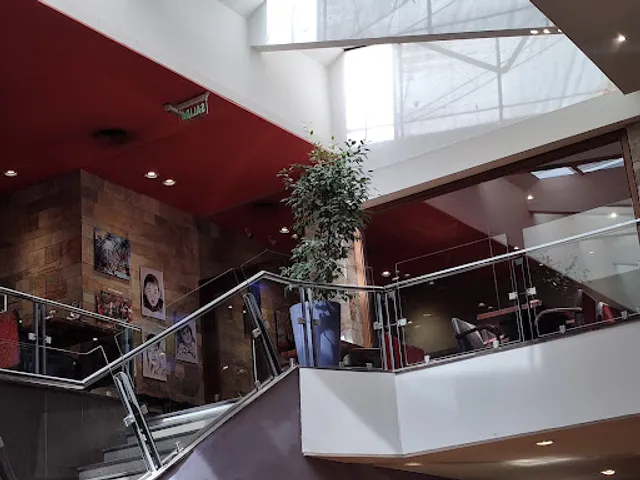
Pertutti
4.2
(6.4K)
$$
Open until 1:00 AM
Click for details
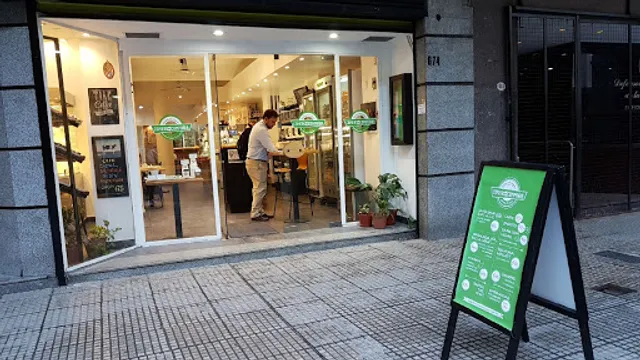
Comer en Compañía
4.6
(351)
$$
Closed
Click for details
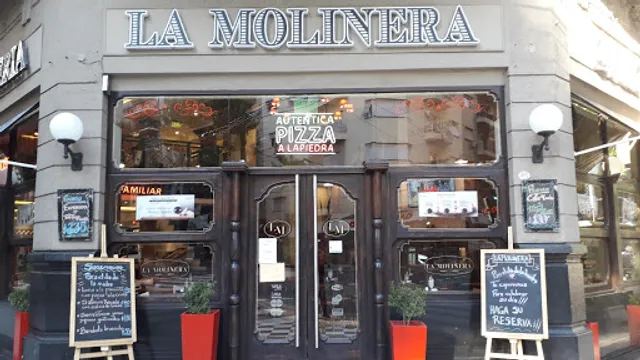
La Molinera
4.1
(3.1K)
Open until 11:55 PM
Click for details
Nearby local services of UBA School of Medicine
Veronequi Flowers and Plants
Sarmiento Palace
SANTA FE MARKET
Museo Nacional del Grabado
Galería Bond Street
College De La Salle Buenos Aires
Libreria Gama
Deli Market
Mercado de San Nicolás
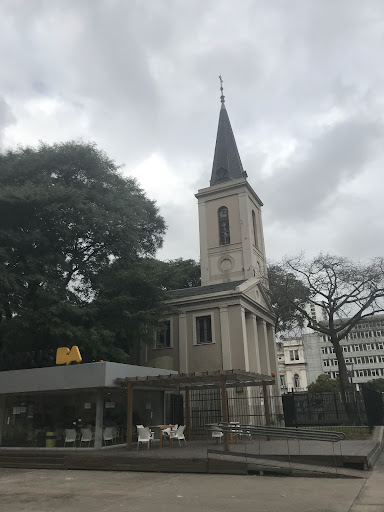
Capilla Del Colegio De La Salle
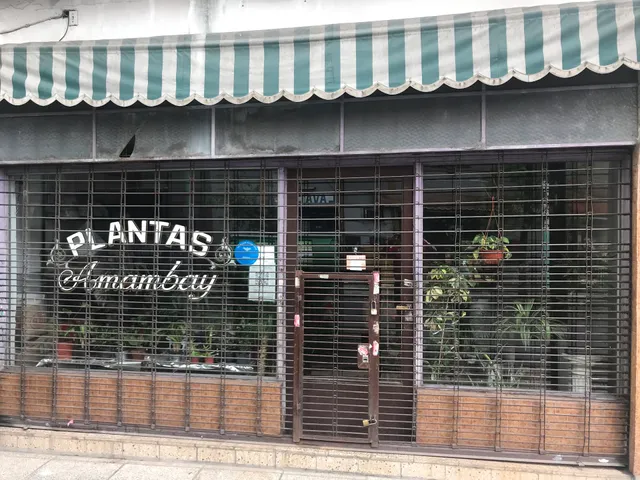
Veronequi Flowers and Plants
4.7
(87)
Click for details
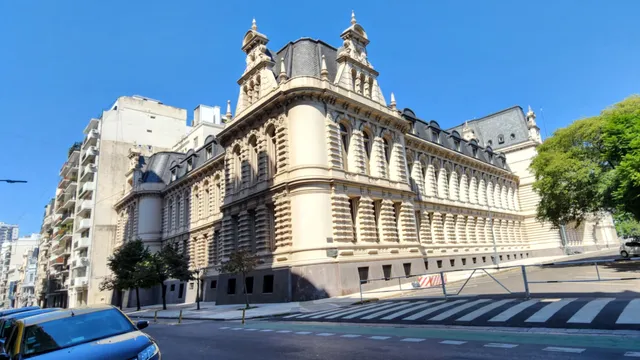
Sarmiento Palace
4.5
(284)
Click for details
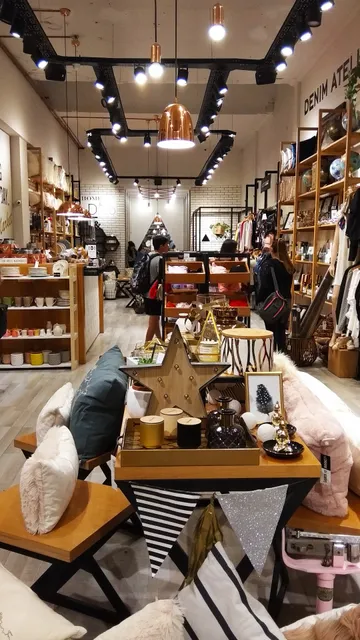
SANTA FE MARKET
3.8
(70)
Click for details
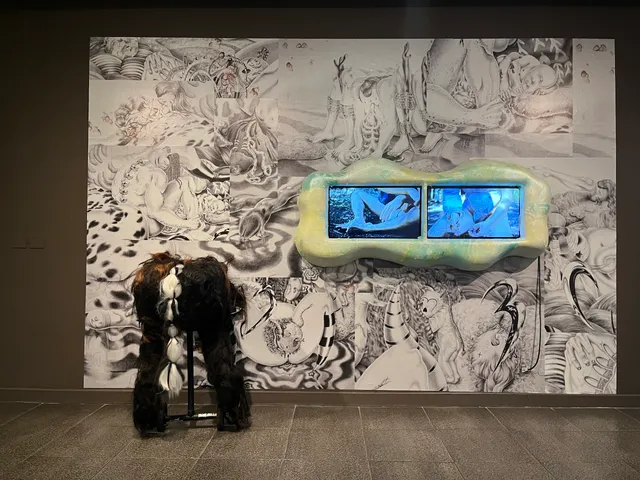
Museo Nacional del Grabado
4.5
(50)
Click for details