AL - Amaan Shaukat Mahal things to do, attractions, restaurants, events info and trip planning
Basic Info
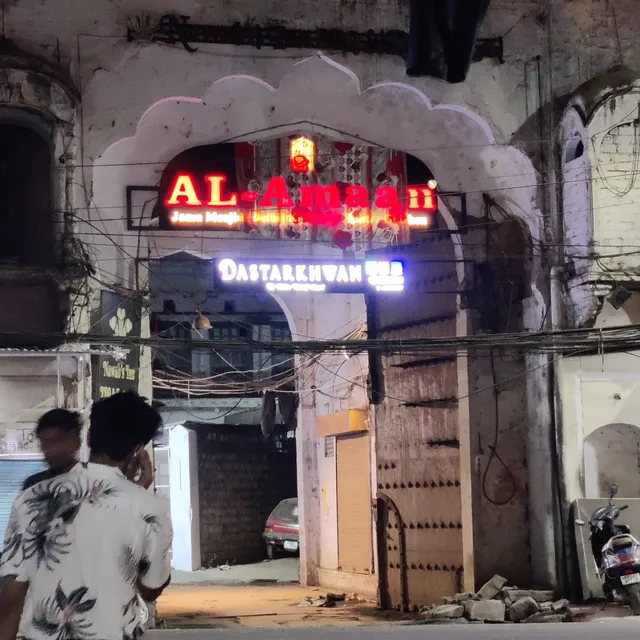
AL - Amaan Shaukat Mahal
Sultania Rd, Nakkar Khana, Peer Gate Area, Bhopal, Madhya Pradesh 462001, India
4.1(537)
Closed


delivery
Save
spot
spot
Ratings & Description
Info
The seat of the Nawab of Bhopal, built around 1830 this large palace is an architectural jewel.
attractions: Moti Masjid, Curfew Wali Mata Temple, Kilol Park, Mandir Sheetal Das Ki Bagiya, Taj ul Masjid, Dhai Seedhi Ki Masjid, restaurants: Indian Tea House, RAJU TEA STALL, food joint veg and non veg family restaurant, Mamaji jalebi, Jai Hind Bakery (Since 1949) - Best Bakery and Cake | Premium Cake Shops | Eggless Cake Bakery Shop in Bhopal, Jameel Hotel, Food nation, Jameel Hotel, Bake N Sip, Foodistan Shawarma Knights, local businesses: Jama masjid, Kamla Park
 Learn more insights from Wanderboat AI.
Phone
+91 78048 28703
Open hoursSee all hours
Sat5 - 11:30 PMClosed
Plan your stay

Pet-friendly Hotels in Bhopal
Find a cozy hotel nearby and make it a full experience.

Affordable Hotels in Bhopal
Find a cozy hotel nearby and make it a full experience.

The Coolest Hotels You Haven't Heard Of (Yet)
Find a cozy hotel nearby and make it a full experience.

Trending Stays Worth the Hype in Bhopal
Find a cozy hotel nearby and make it a full experience.
Featured dishes
View full menu
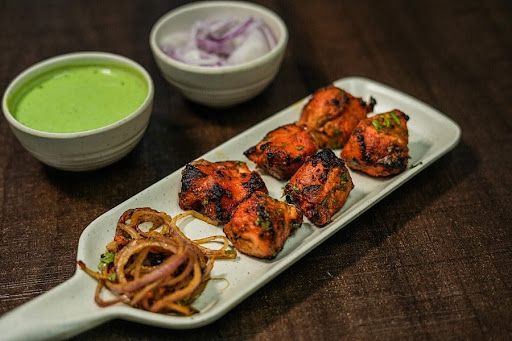
Chicken Tikka
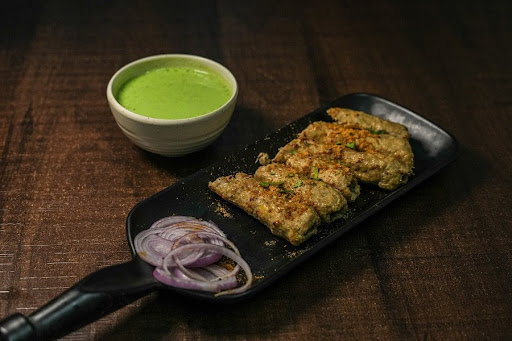
Chicken Dry Seekh Kebab [1 Plate, 6 Pieces]
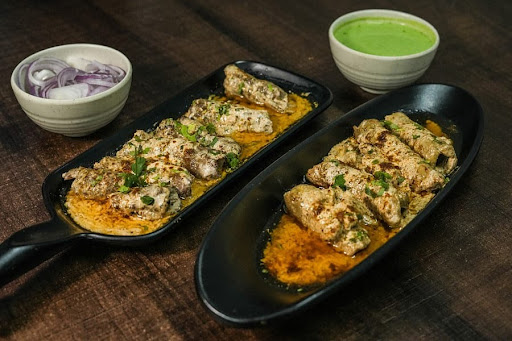
Chicken Malai Seekh Kebab[1 Plate, 6 Pieces]
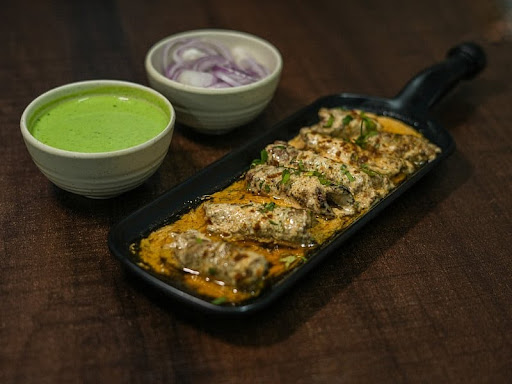
Mutton Malai Seekh Kebab[1 Plate, 6 Pieces]
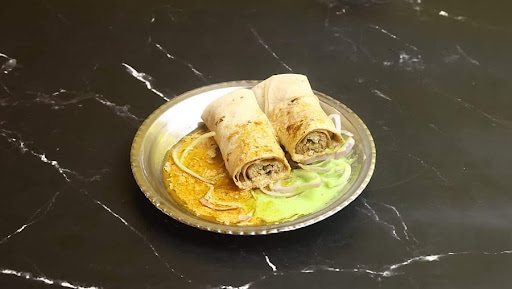
Chicken Kebab Roll [1 Piece]
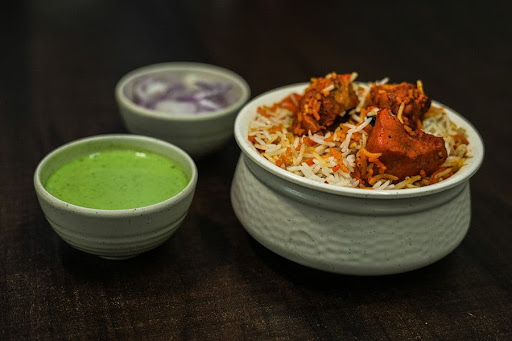
Chicken Biryani
Reviews
Live events

Robotic Hackathon
Sat, Jan 31 • 2:30 AM
Bhopal, Madhya Pradesh
View details
Nearby attractions of AL - Amaan Shaukat Mahal
Moti Masjid
Curfew Wali Mata Temple
Kilol Park
Mandir Sheetal Das Ki Bagiya
Taj ul Masjid
Dhai Seedhi Ki Masjid
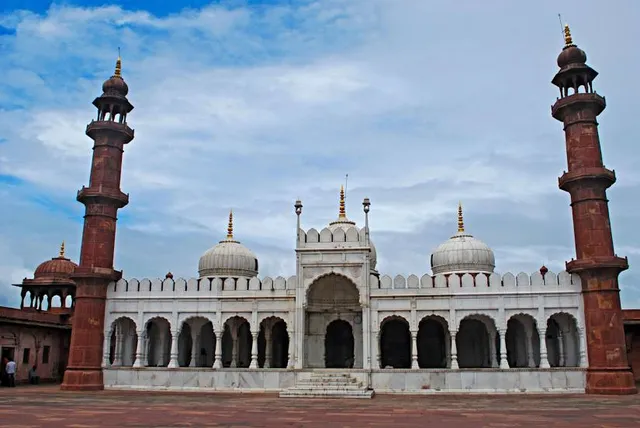
Moti Masjid
4.5
(1.5K)
Open 24 hours
Click for details
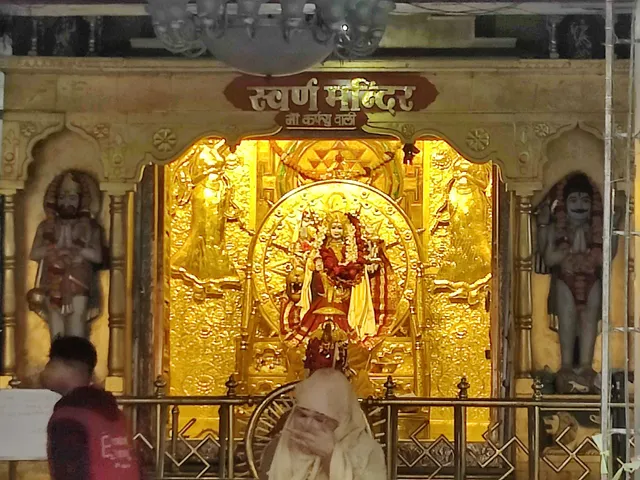
Curfew Wali Mata Temple
4.5
(735)
Open until 12:30 PM
Click for details
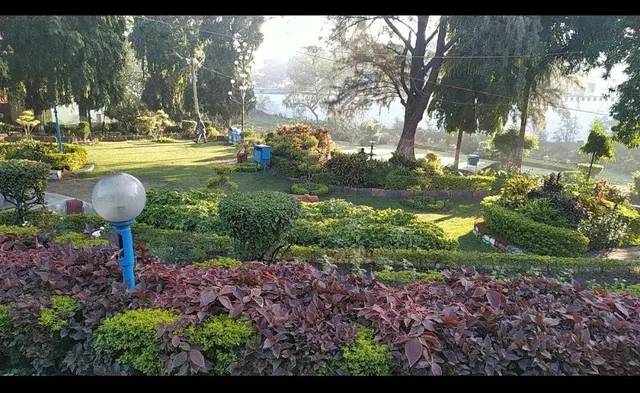
Kilol Park
4.1
(870)
Open until 9:00 PM
Click for details

Mandir Sheetal Das Ki Bagiya
4.6
(426)
Open until 10:00 PM
Click for details
Nearby restaurants of AL - Amaan Shaukat Mahal
Indian Tea House
RAJU TEA STALL
food joint veg and non veg family restaurant
Mamaji jalebi
Jai Hind Bakery (Since 1949) - Best Bakery and Cake | Premium Cake Shops | Eggless Cake Bakery Shop in Bhopal
Jameel Hotel
Food nation
Jameel Hotel
Bake N Sip
Foodistan Shawarma Knights
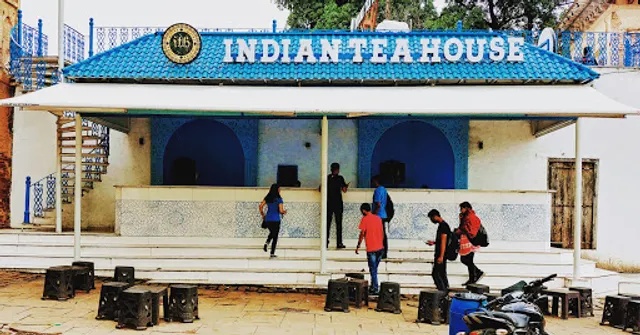
Indian Tea House
4.0
(1.5K)
Open until 10:00 PM
Click for details
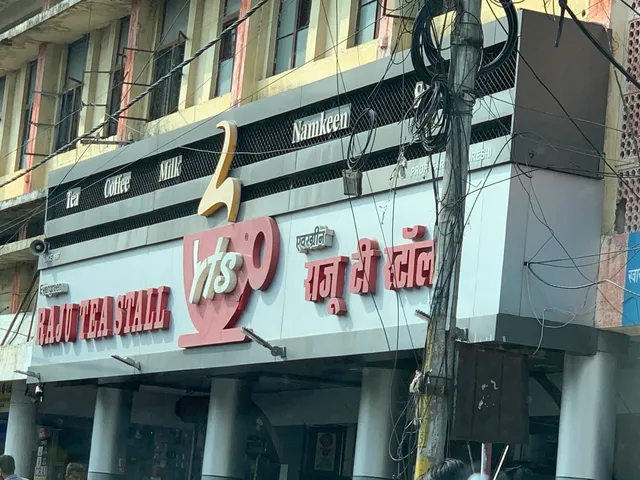
RAJU TEA STALL
4.1
(5K)
$$
Open until 12:00 AM
Click for details
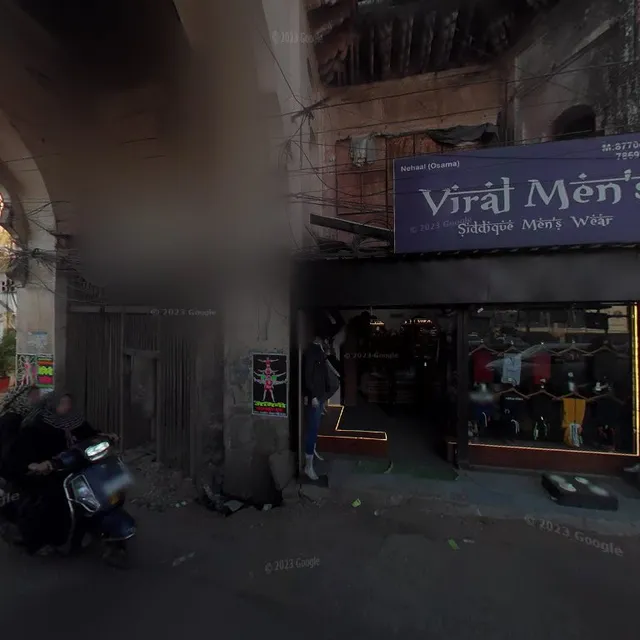
food joint veg and non veg family restaurant
4.5
(11)
Click for details
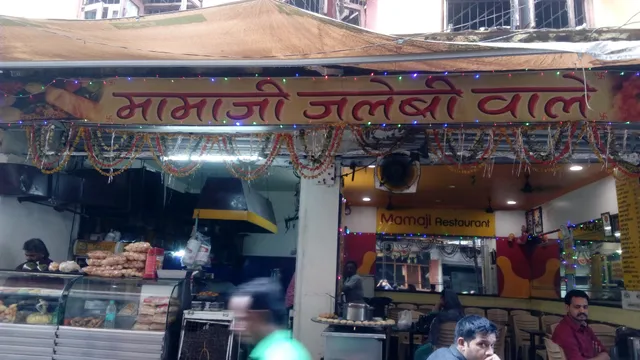
Mamaji jalebi
4.1
(1.0K)
Open until 11:00 PM
Click for details
Nearby local services of AL - Amaan Shaukat Mahal
Jama masjid
Kamla Park

Jama masjid
4.3
(939)
Click for details
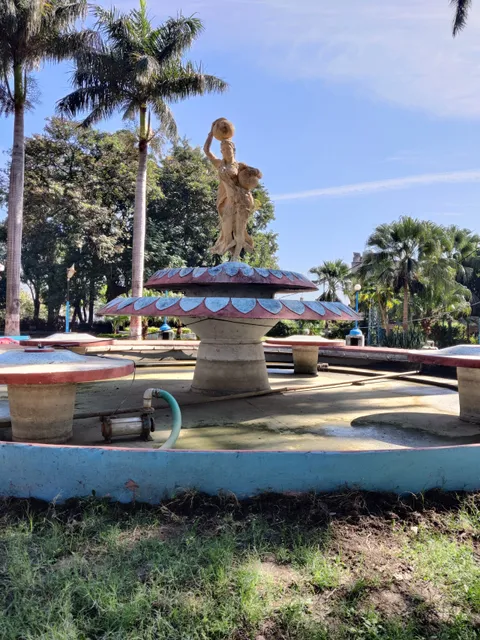
Kamla Park
4.1
(3.9K)
Click for details