Asian Civilisations Museum things to do, attractions, restaurants, events info and trip planning
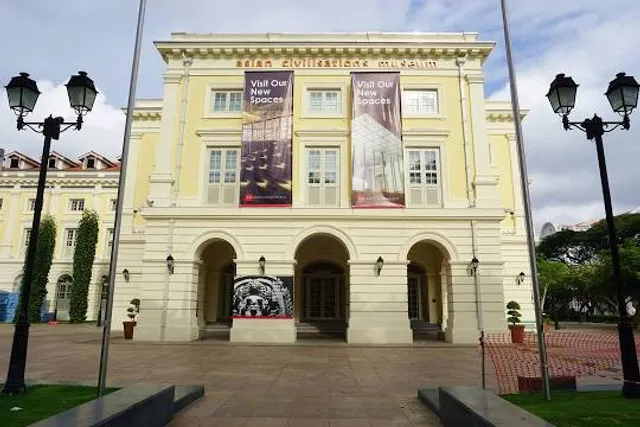
Basic Info
Asian Civilisations Museum
1 Empress Pl, Singapore 179555
4.6(2.7K)
Open 24 hours
Save
spot
spot
Ratings & Description
Info
The Asian Civilisations Museum is an institution which forms a part of the four museums in Singapore, the other three being the Peranakan Museum, the National Museum of Singapore and the Singapore Art Museum. It is one of the pioneering museums in the region to specialise in pan-Asian cultures and civilisations.
Cultural
Accessibility
Family friendly
attractions: Victoria Concert Hall, Merlion Park, The Arts House, Merlion, Boat Quay, Statue of Sir Stamford Raffles, National Gallery Singapore, Victoria Theatre, Cavenagh Bridge, Empress Place, restaurants: Empress, BYD Boat Quay 1826, Tian Tian Fisherman's Pier Seafood Restaurant 天天渔港, Brasserie Astoria Singapore, The Malayan Council, Shrimp Prawn Seafood, Seafood by the River 滨海湾渔村, Aniba, URESHII(Korean-Japanese Fusion Dining), McDonald's Boat Quay
 Learn more insights from Wanderboat AI.
Phone
+65 6332 7798
Website
nhb.gov.sg
Plan your stay

Pet-friendly Hotels in Singapore
Find a cozy hotel nearby and make it a full experience.

Affordable Hotels in Singapore
Find a cozy hotel nearby and make it a full experience.

The Coolest Hotels You Haven't Heard Of (Yet)
Find a cozy hotel nearby and make it a full experience.

Trending Stays Worth the Hype in Singapore
Find a cozy hotel nearby and make it a full experience.
Reviews
Nearby attractions of Asian Civilisations Museum
Victoria Concert Hall
Merlion Park
The Arts House
Merlion
Boat Quay
Statue of Sir Stamford Raffles
National Gallery Singapore
Victoria Theatre
Cavenagh Bridge
Empress Place
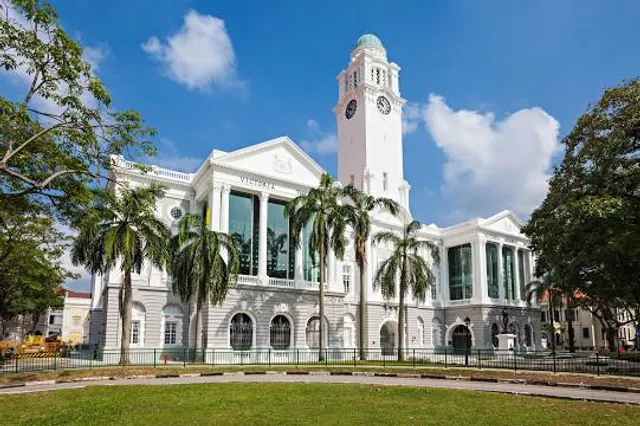
Victoria Concert Hall
4.7
(1.2K)
Open 24 hours
Click for details
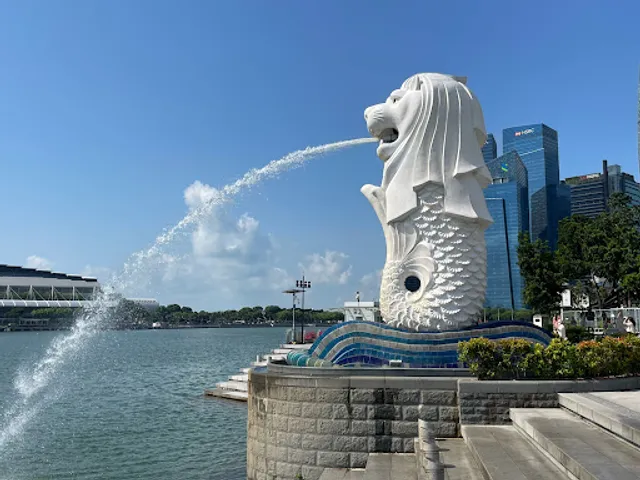
Merlion Park
4.6
(26.1K)
Open 24 hours
Click for details
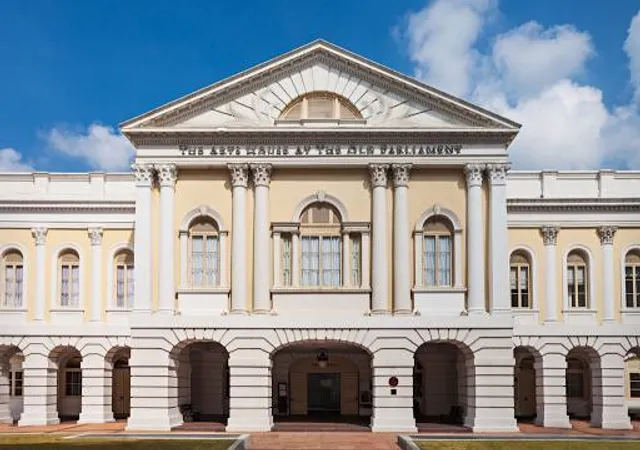
The Arts House
4.5
(802)
Open 24 hours
Click for details
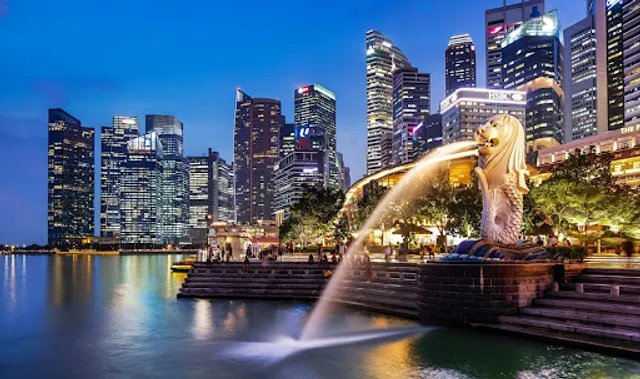
Merlion
4.7
(18.2K)
Open 24 hours
Click for details
Things to do nearby
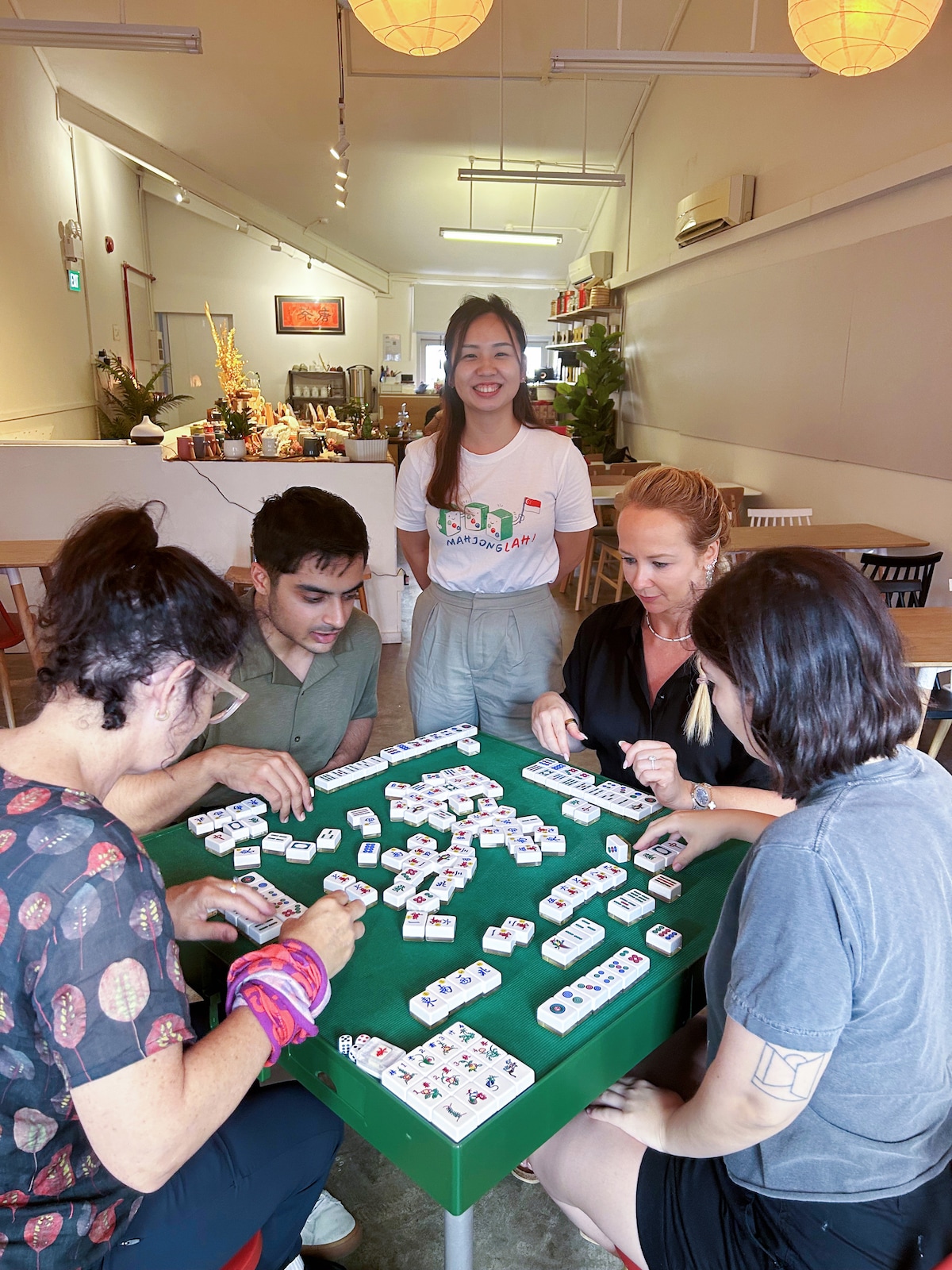
Learn to play Singapore Mahjong in a local home
Tue, Dec 23 • 2:30 PM
549151, Singapore
View details

Explore nocturnal wildlife
Sun, Dec 21 • 8:00 PM
729753, Singapore
View details

Singapore Street Food & Night Tour
Sun, Dec 21 • 6:00 PM
059817, Singapore
View details
Nearby restaurants of Asian Civilisations Museum
Empress
BYD Boat Quay 1826
Tian Tian Fisherman's Pier Seafood Restaurant 天天渔港
Brasserie Astoria Singapore
The Malayan Council
Shrimp Prawn Seafood
Seafood by the River 滨海湾渔村
Aniba
URESHII(Korean-Japanese Fusion Dining)
McDonald's Boat Quay
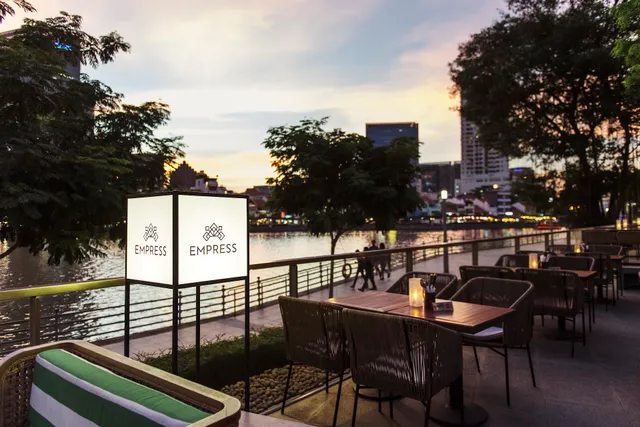
Empress
4.3
(498)
$$$
Click for details
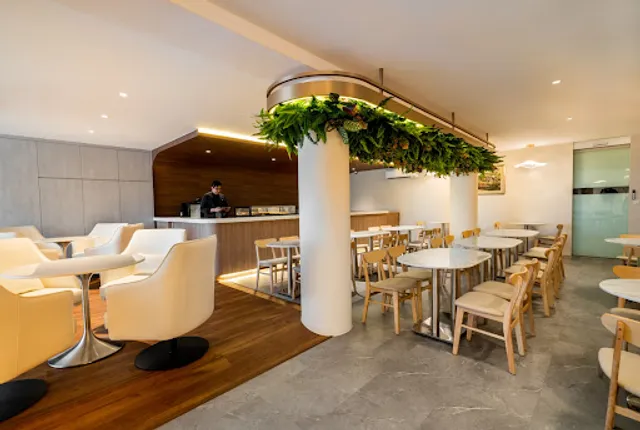
BYD Boat Quay 1826
4.6
(832)
Click for details
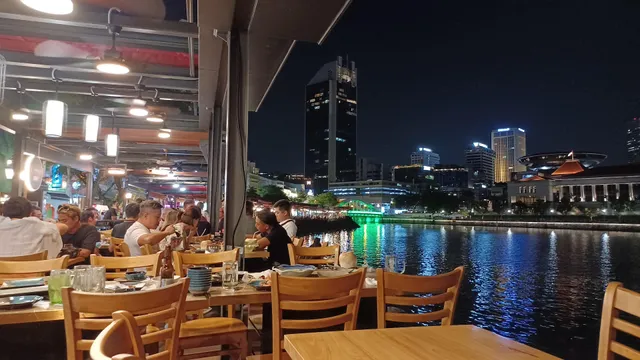
Tian Tian Fisherman's Pier Seafood Restaurant 天天渔港
4.4
(865)
Click for details
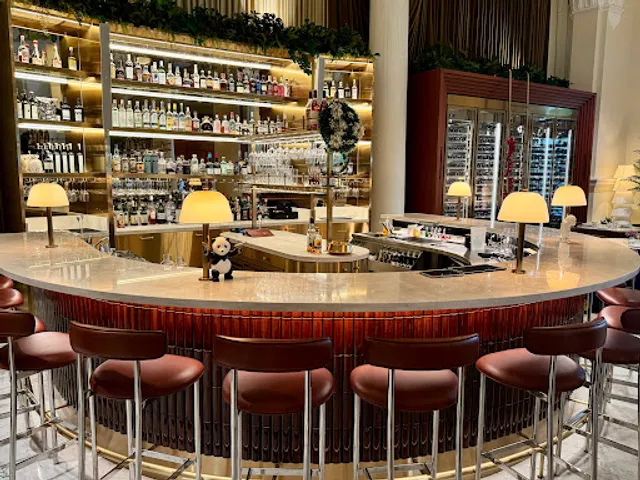
Brasserie Astoria Singapore
4.4
(188)
Click for details