Scroll down for English
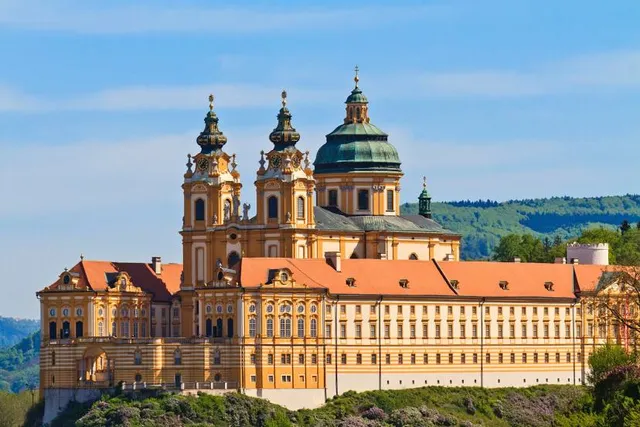
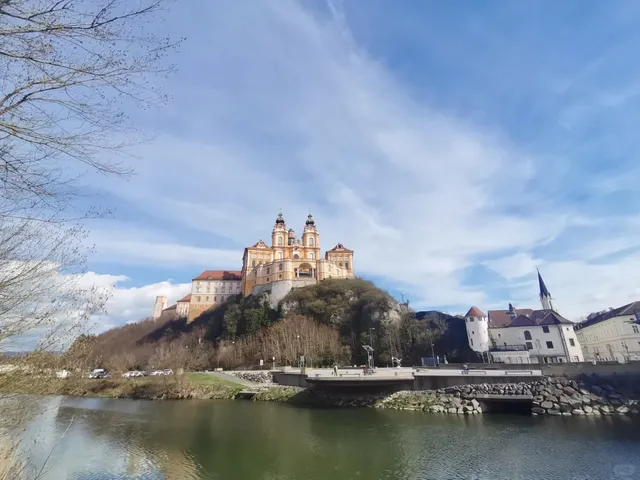
Melki apátság története és érdekességei A Melki apátság, amely az osztrák barokk építészet egyik legkiemelkedőbb példája, számos érdekes és izgalmas történetet rejt magában. Az apátságot 1089-ben alapította II. Lipót őrgróf, és azóta is a bencés szerzetesek otthona. Az épület a Duna mentén, egy 60 méter magas hegy tetején helyezkedik el, és az UNESCO világörökségi helyszíneként is ismert.
Romantikus és szép történetek Az apátság könyvtára különösen híres, hiszen több mint 100 000 kötetet tartalmaz, köztük 1888 kéziratot, amelyek közül a legrégebbiek a 9. századból származnak. A könyvtár mennyezetét Paul Troger freskói díszítik, amelyek 1731-1732 között készültek. Egyik legismertebb történet, hogy 1997-ben itt fedezték fel a 13. századból származó Nibelung-ének egy töredékét.
Vad és pikáns történetek A 14. században az apátságot több csapás is érte, mint például a pestisjárvány és a nagy nyugati egyházszakadás. 1297-ben egy tűzvész elpusztította a kolostort és a könyvtárat, számos értékes irat megsemmisült. Az apátságot később újjáépítették, de a tragédia mély nyomot hagyott a közösségen.
Történelmi események és pletykák A Melki apátság a Babenbergek központi vára volt, és 1014-től Szent Kálmán sírhelye. A 10. században a melki királyi várat I. Lipót őrgróf kapta meg, aki ezt választotta rezidenciájának. Az apátság alapításában fontos szerepet játszott, hogy II. Lipót menedéket nyújtott a Passaui egyházmegye püspökének, Passaui Szent Altmannak.
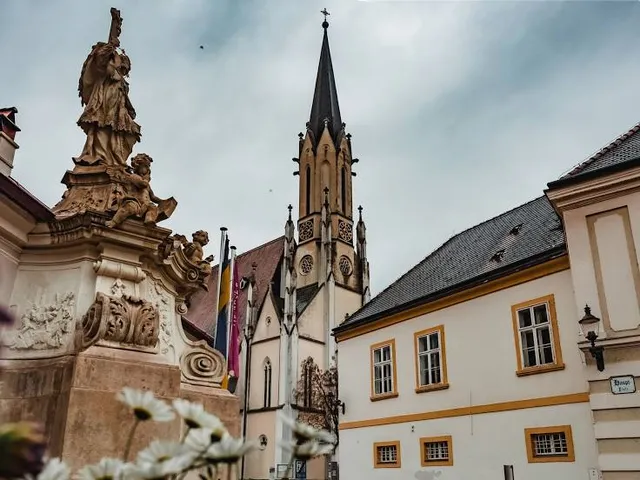
Közterület változásai Melk városának neve a szláv “Medjilica” (lassú patak) szóból származik. A város és az apátság környéke az évszázadok során többször is átalakult, de mindig megőrizte történelmi jelentőségét és szépségét. A közlekedés is fejlődött, különösen az A1-es autópálya megépítésével, amely könnyen elérhetővé tette az apátságot a turisták számára.
History and Interesting Facts about Melk Abbey Melk Abbey, one of the most prominent examples of Austrian Baroque architecture, holds numerous fascinating and exciting stories. Founded in 1089 by Margrave Leopold II, it has been home to Benedictine monks ever since. The abbey is located along the Danube River, atop a 60-meter-high hill, and is recognized as a UNESCO World Heritage site.
Romantic and Beautiful Stories The abbey’s library is particularly famous, containing over 100,000 volumes, including 1,888 manuscripts, some dating back to the 9th century. The library’s ceiling is adorned with frescoes by Paul Troger, created between 1731 and 1732. One of the most notable stories is the discovery of a fragment of the Nibelungenlied from the 13th century in 1997.
Wild and Spicy Stories In the 14th century, the abbey faced several calamities, such as the plague and the Great Western Schism. In 1297, a fire destroyed the monastery and the library, resulting in the loss of many valuable documents. The abbey was later rebuilt, but the tragedy left a deep mark on the community.
Historical Events and Rumors Melk Abbey was the central castle of the Babenbergs and the burial site of Saint Coloman since 1014. In the 10th century, the royal castle of Melk was granted to Margrave Leopold I, who chose it as his residence. The foundation of the abbey was significantly influenced by Margrave Leopold II, who provided refuge to the Bishop of Passau, Saint Altmann of Passau.
Changes in Public Spaces The name of the town of Melk derives from the Slavic word “Medjilica” (slow stream). Over the centuries, the town and the area around the abbey have undergone numerous transformations but have always retained their historical significance and beauty. Transportation has also improved, especially with the construction of the A1 motorway, making the abbey easily accessible to tourists.
Foto: 1900 Fortepan /...
Read moreA very beautiful place but a very bad experience. We went as a group of 54 who reserved months before. We took the visit without guide. But it's important to know that, even without taking a guide, somebody from the abbey comes with you. She is supposed to open and close the doors when you enter or come out of a room. The person who came with us was very very annoying. We were in a school trip, so that the teachers were supposed to explain us the history and all the things around the abbey. But when the first teacher starts his explanation, the "guide" stops him directly and told him it was forbidden. She even called a colleague to make sure. Furthermore, she was constantly speeding us up, so we can't really enjoy the moment in this magnificent place. We didn't even have the time to read all the texts on the signs. By the way, taking pictures was also forbidden. To conclude, I'd say the place was really, really beautiful inside and outside but it's too commercial. We feel that the people in charge of the abbey wanted just make money. So if you have the money to do the guide visit, do it, you will remember it, but if you don't, don't come. Just to finish, we paid around 375€...
Read moreIt is absolutely stunning—both inside and out. Perched above the town and overlooking the Danube River, it offers incredible panoramic views that are worth the visit alone. But the real highlight is the abbey itself: an architectural masterpiece with a rich history dating back over 900 years.
The baroque design is jaw-dropping, especially the church interior with its gold accents, frescoed ceilings, and ornate detailing. The library is another gem—beautiful, historic, and filled with ancient manuscripts. The museum exhibits are thoughtfully curated and give great insight into the Abbey’s religious and cultural significance.
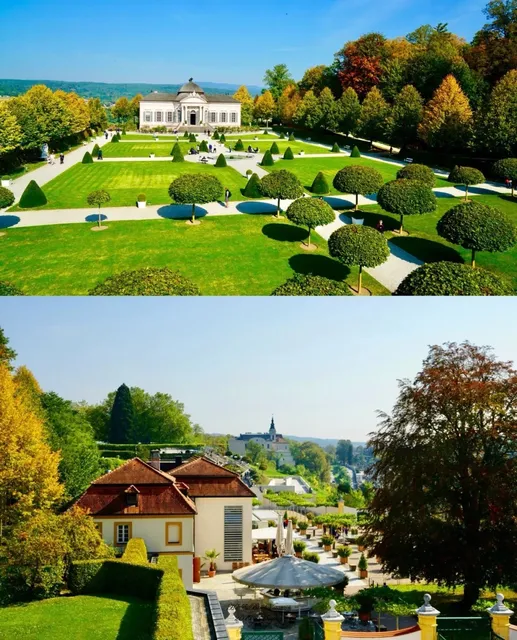
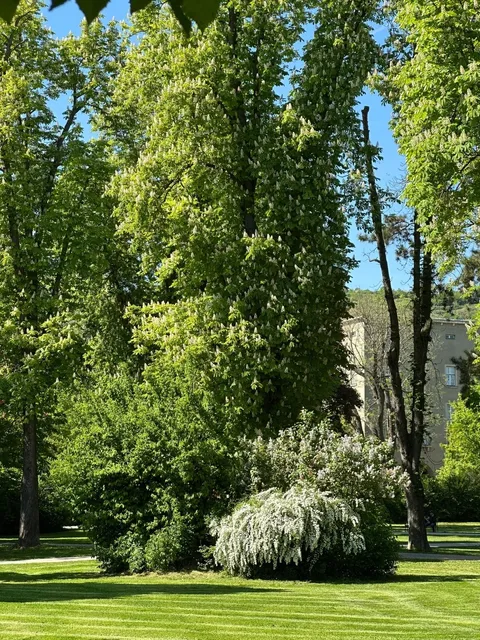
The grounds and gardens are peaceful and beautifully maintained, perfect for a quiet stroll after touring the interior.
Highly recommended if you're traveling through the Wachau Valley—Melk Abbey is a must-see that combines culture, beauty, and a sense of timelessness. Give yourself at least 2–3 hours to explore everything at a relaxed pace.
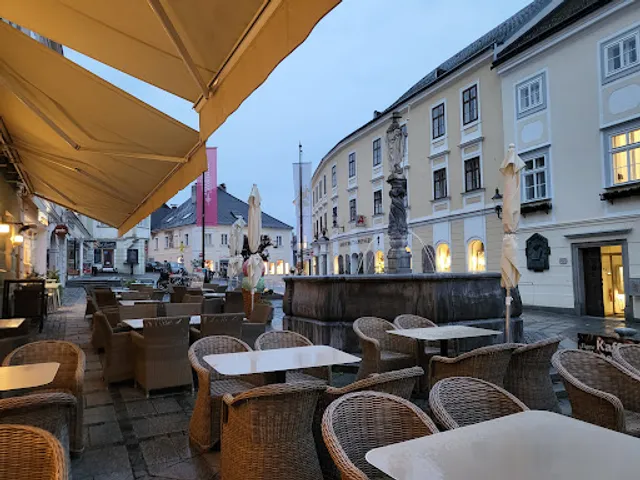
If you have more time, stroll the narrow old town streets and enjoy street foods and coffee. With all combined, this destination makes a perfect day trip...
Read more