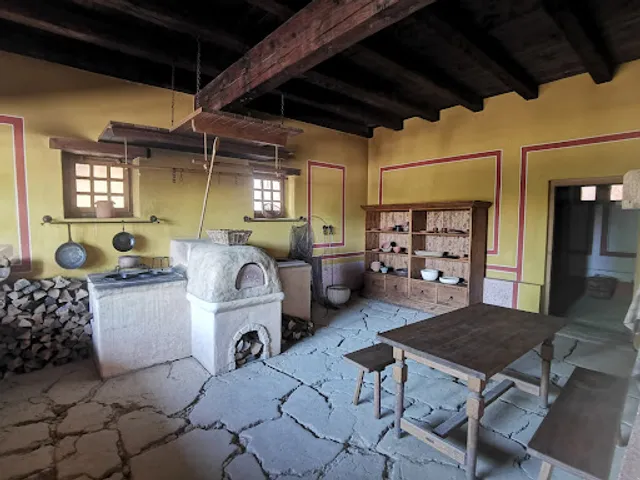
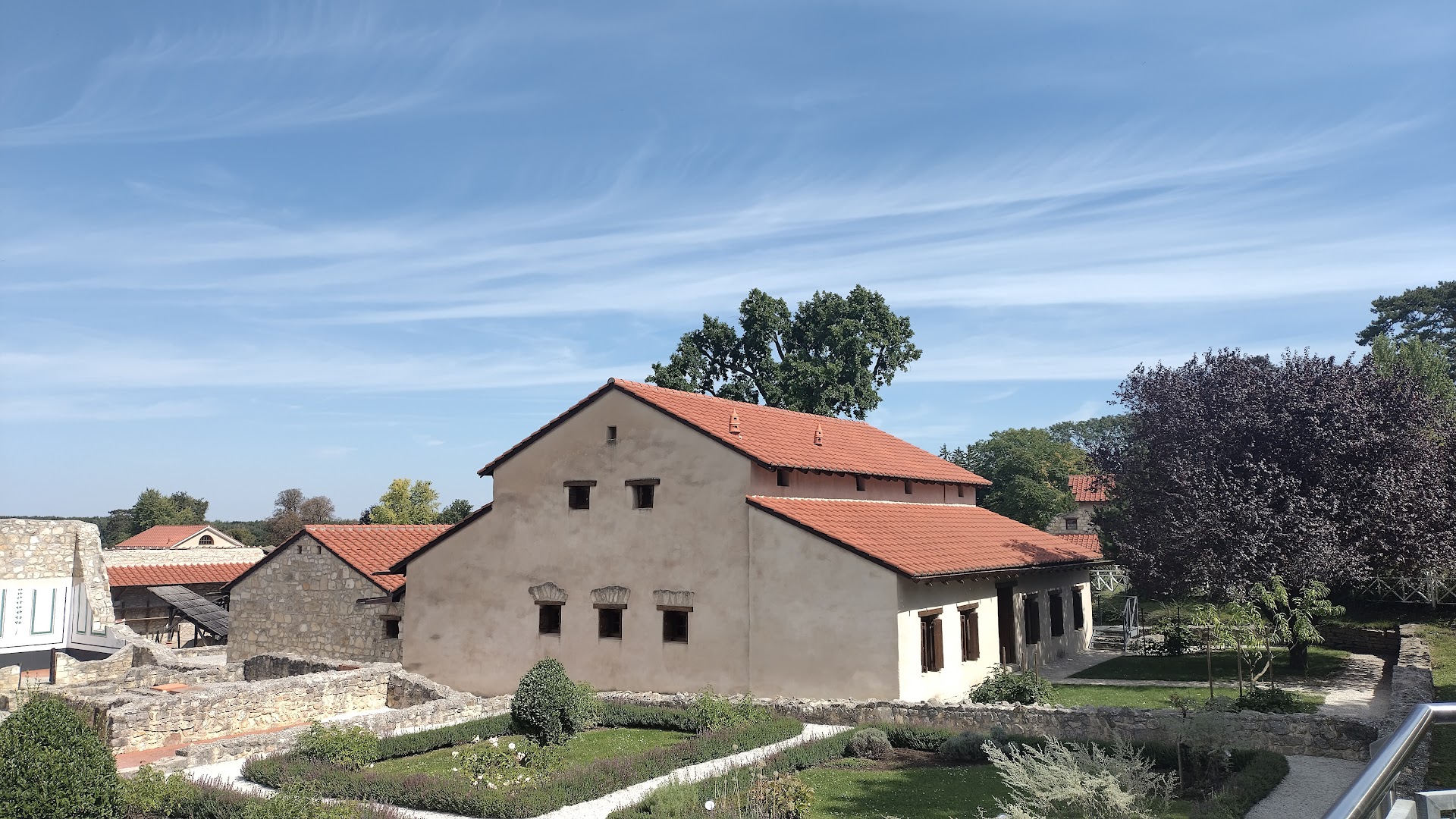
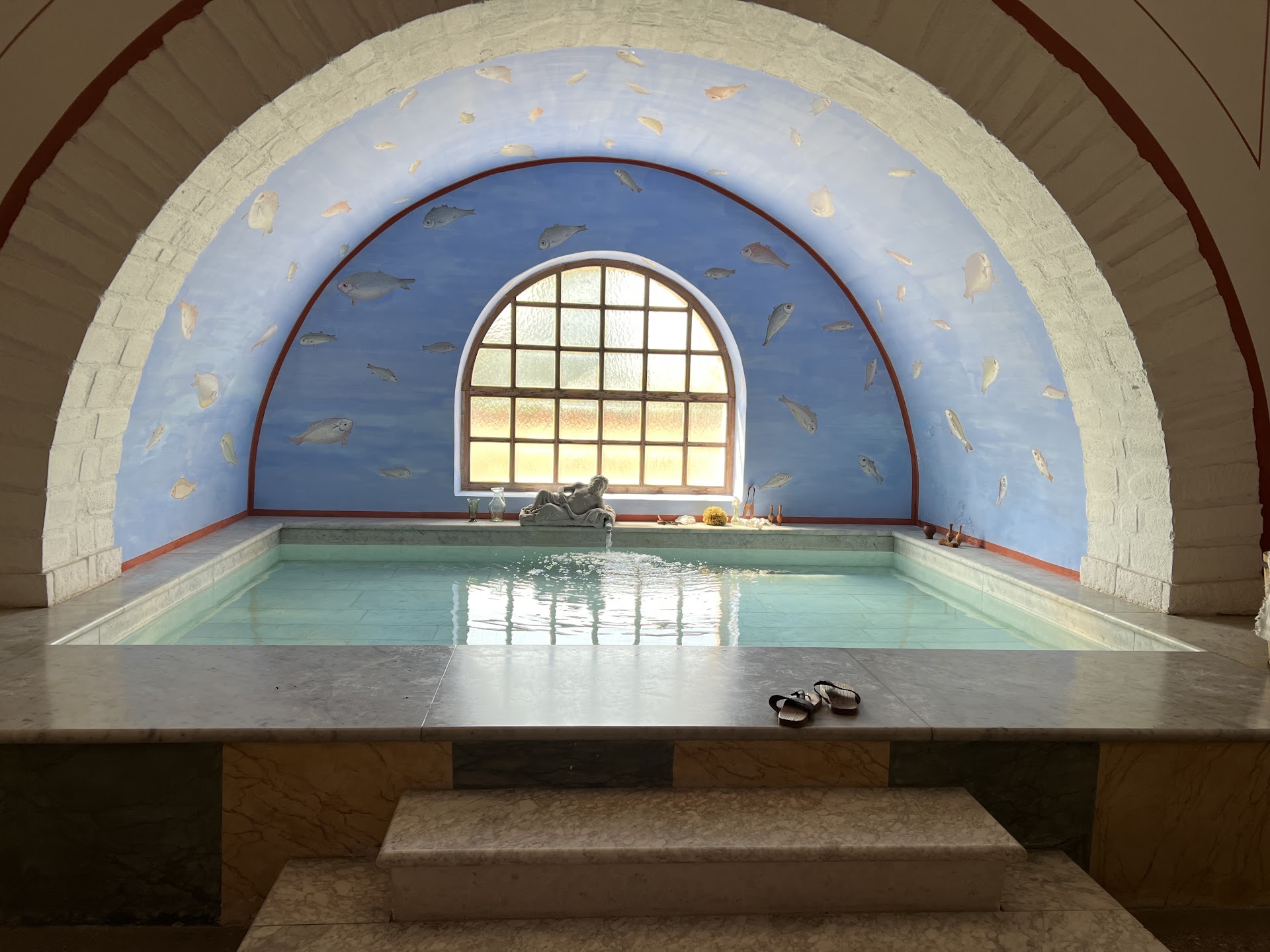
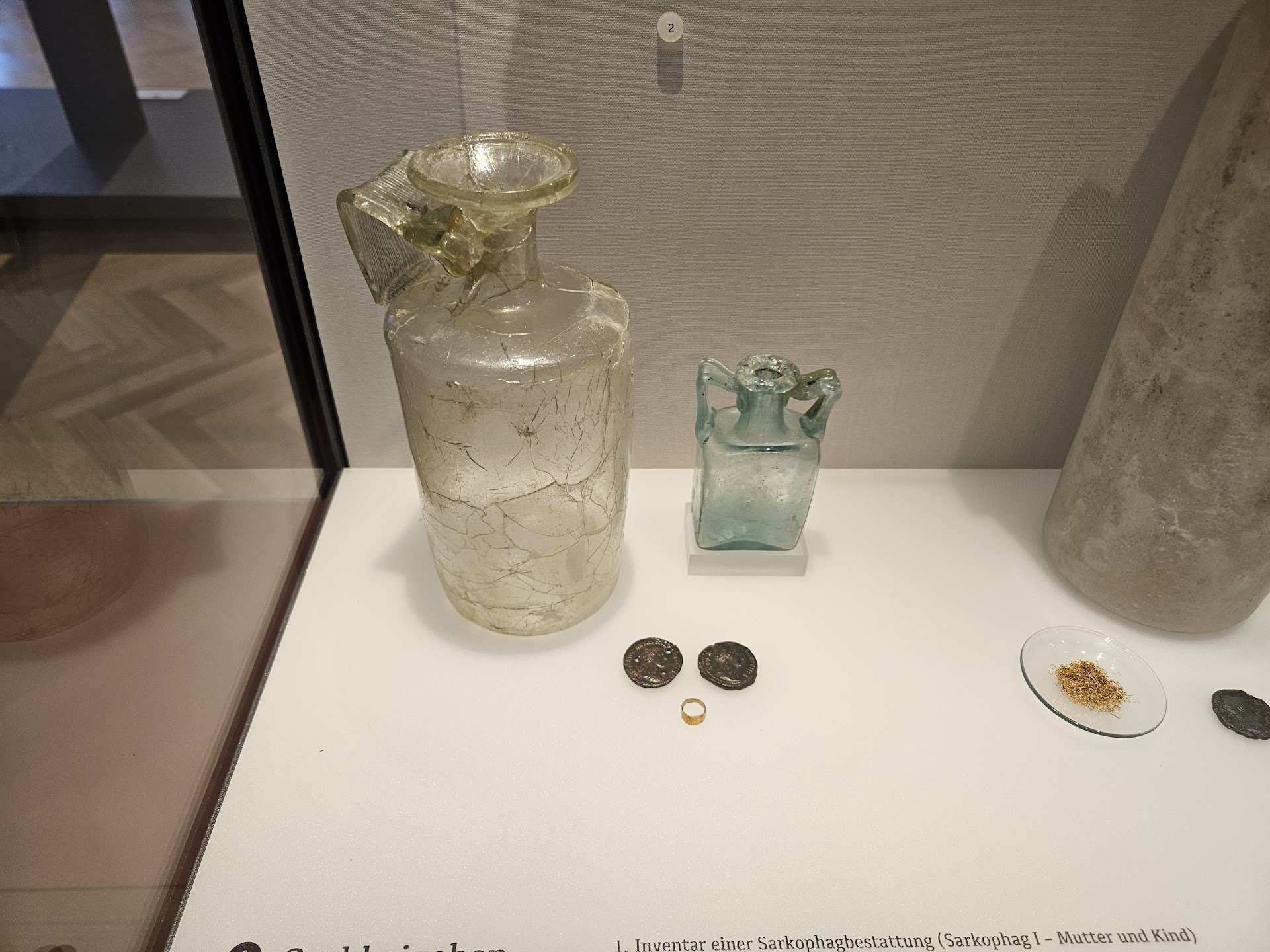
lehrreich und überschaubar, das österreichische Herculaneum ist eher eine Lehrstätte, als ein antikes Denkmal und recht klein, liegt ca. 15 min vom Bahnhof entfernt, ein Zug fährt alle Stunde nach Wien, Carnuntum ist der Name für ein mehrperiodiges Legionslager, ein Auxiliarkastell und eine Lagerstadt, die dem Schutz des oberpannonischen Limes dienten. Ab dem 2. Jahrhundert n. Chr. war die Zivilstadt Carnuntum auch Verwaltungsmittelpunkt der römischen Provinz (Ober-)Pannonien. Es ist die bedeutendste und am umfangreichsten erforschte antike Ausgrabungsstelle in Österreich und liegt auf den Gemeindegebieten von Petronell-Carnuntum und Bad Deutsch-Altenburg, Bundesland Niederösterreich. Es ist auch das einzige nicht modern überbaute Legionslager zwischen Regensburg und Belgrad und damit eines der wichtigsten archäologischen Denkmäler am Donaulimes, der 2021 in Teilen zum UNESCO-Weltkulturerbe erhoben wurde.
Die Region um ein bis heute nicht lokalisiertes keltisches Siedlungs- und Machtzentrum, das der Historiker Velleius Paterculus als „Carnunto, qui locus regni Norici“ (im Königreich Norikum gelegen) bezeichnete, wurde ab dem 1. Jahrhundert n. Chr. zum Sammelpunkt für die Expansion der Römer ins freie Germanien (Barbaricum). Dort zweigte von der Limesstraße eine wichtige Verbindung nach Süden ab. An den Ausläufern der Kleinen Karpaten entwickelte sich bald einer der wichtigsten Siedlungs- und Verteidigungsschwerpunkte in den nördlichen Provinzen des Reiches. Zusammen mit dem Auxiliarlager von Győr zählt das Legionslager in Carnuntum zu den ältesten römischen Befestigungsanlagen am pannonischen Limes. Seinen rasanten Aufstieg verdankte Carnuntum unter anderem seiner günstigen Lage am Kreuzungspunkt zweier alter transkontinentaler Handelsrouten sowie dem Legions- und dem Auxiliarlager, in denen zeitweise bis zu 6500 Mann stationiert waren. Besonders das Nebeneinander von Legionen und Hilfstruppen hob den militärpolitischen Rang dieses Standorts für die Römer hervor. Die Kastelle von Carnuntum standen während der römischen Herrschaft über Pannonien wiederholt im Mittelpunkt bedeutender politischer und militärischer Ereignisse.
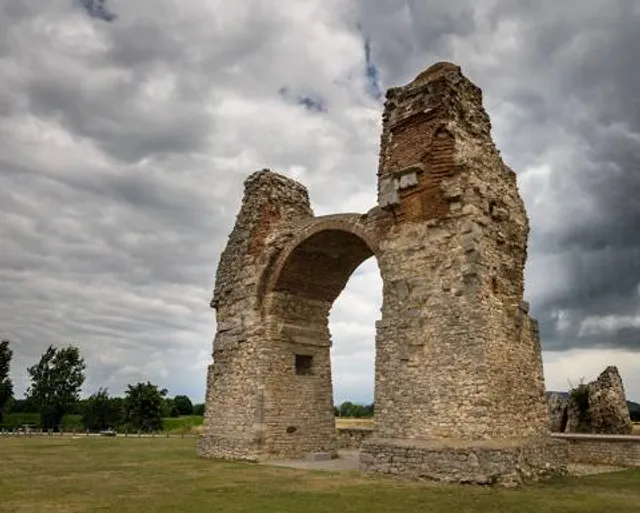
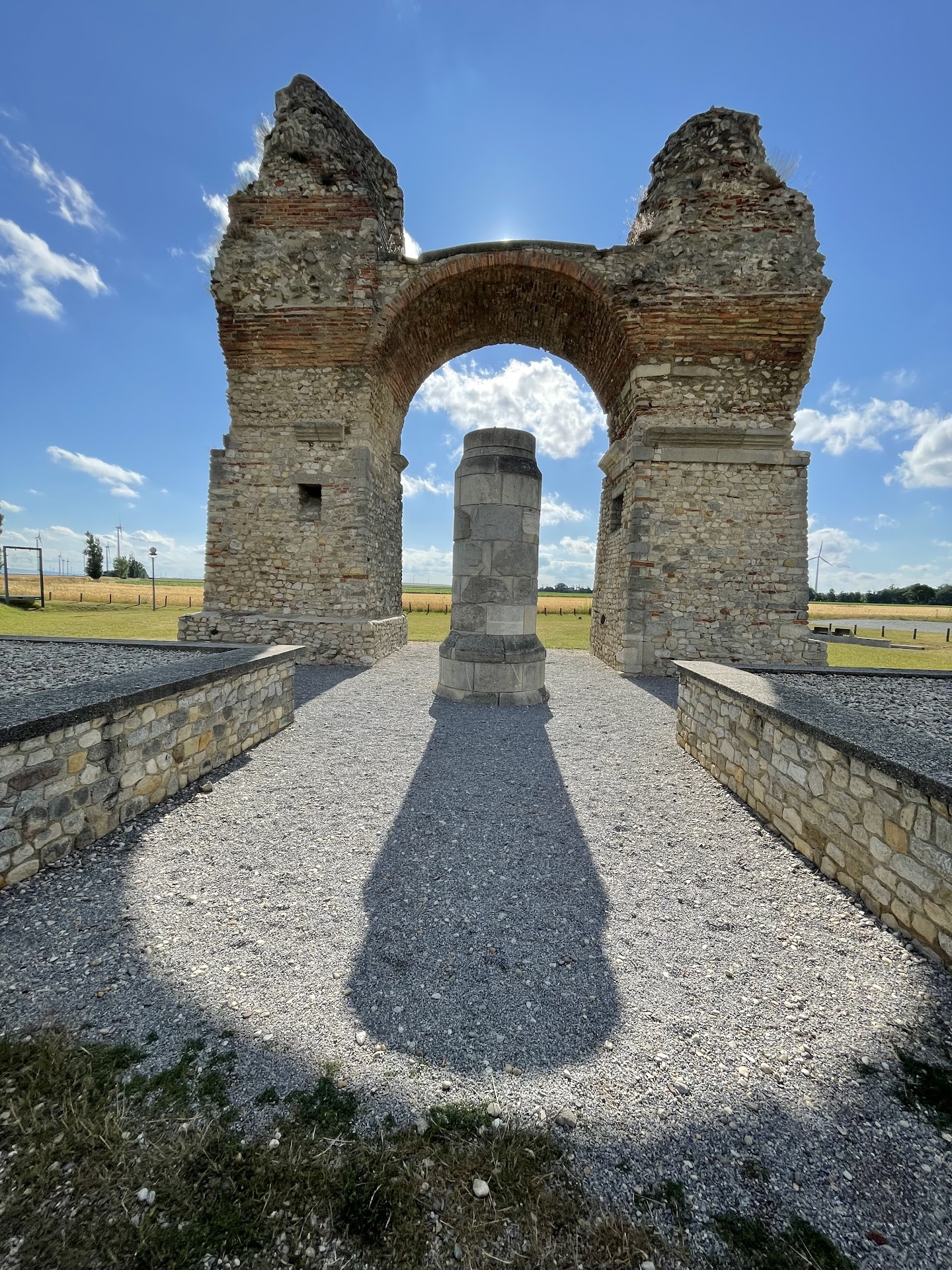
Die ältesten archäologischen Zeugnisse aus römischer Zeit datieren in die Mitte des 1. Jahrhunderts n. Chr. Nach Errichtung eines provisorischen Winterlagers unter dem damaligen Feldherrn und späteren Kaiser Tiberius (14–37) entstanden zur Regierungszeit des Claudius (41–54) ein festes Holz-Erde-Lager und zwei Zivilsiedlungen. Zu Beginn des 2. Jahrhunderts lebten dort bereits rund 50.000 Menschen. Das Legionslager wurde um 100 n. Chr. in Stein umgebaut. In der Mitte des 2. Jahrhunderts wurde zusätzlich ein Reiterkastell errichtet. Während der Markomannenkriege führte Kaiser Marc Aurel (161–180) von Carnuntum aus seine Feldzüge in die Stammesgebiete nördlich der Donau. Ende des 2. Jahrhunderts wurde dort der Statthalter Oberpannoniens, Septimius Severus (193–211), von den Donaulegionen zum Kaiser ausgerufen; dies hatte einen erneuten massiven wirtschaftlichen Aufschwung für Pannonien zur Folge. In der Spätantike wurde in Carnuntum ein Stützpunkt der Donauflotte eingerichtet. 308 n. Chr. hielten die Tetrarchen dort die Kaiserkonferenz von Carnuntum ab. In der Mitte des 4. Jahrhunderts verwüstete ein schweres Erdbeben die Region. Diese Naturkatastrophe im Verbund mit der stetigen Reduzierung der Grenztruppen und den desaströsen Auswirkungen der Völkerwanderung leiteten schließlich ihren wirtschaftlichen und demografischen Niedergang ein. Im späten 4. Jahrhundert diente der schon stark heruntergekommene Ort Kaiser Valentinian I. (364–375) als Heerlager für einen Feldzug gegen transdanubische Stammesverbände. Im Laufe des 5. Jahrhunderts wurde das Legionslager von seinen romanischen Bewohnern aufgegeben und verlassen. Zwischen Limes- und Bernsteinstraße liegt das sogenannte Heidentor, ein noch teilweise erhaltenes Triumphalmonument aus dem 4. Jahrhundert, heute das Wahrzeichen der...
Read more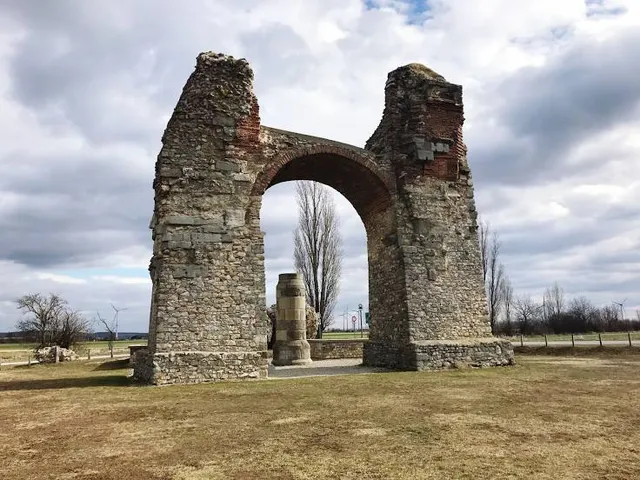


 Learn more insights from Wanderboat AI.