HTML SitemapExplore

Nine Dome Mosque — Attraction in Khulna Division

Name
Nine Dome Mosque
Description
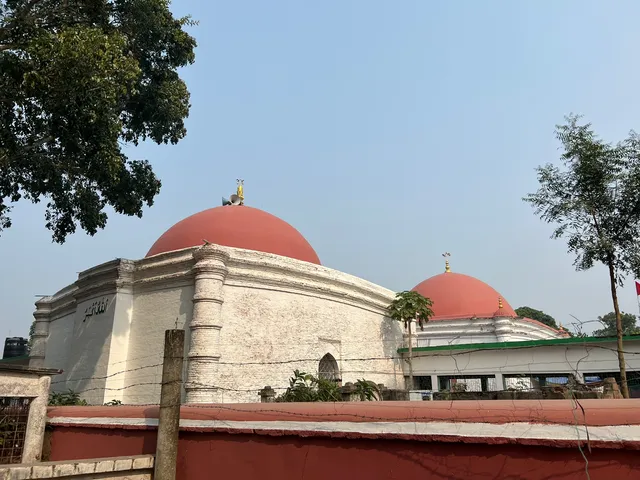
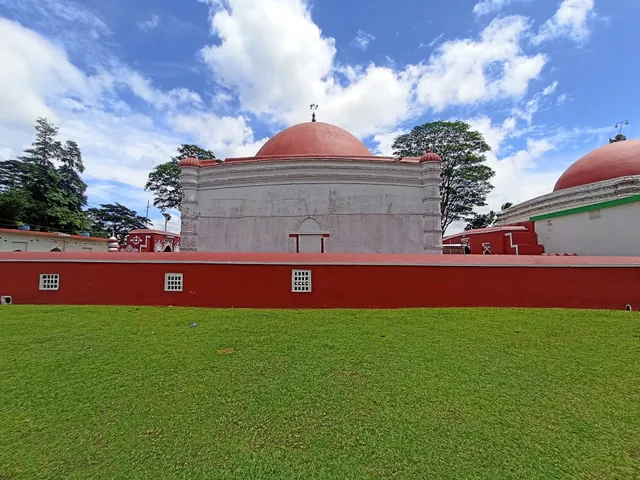
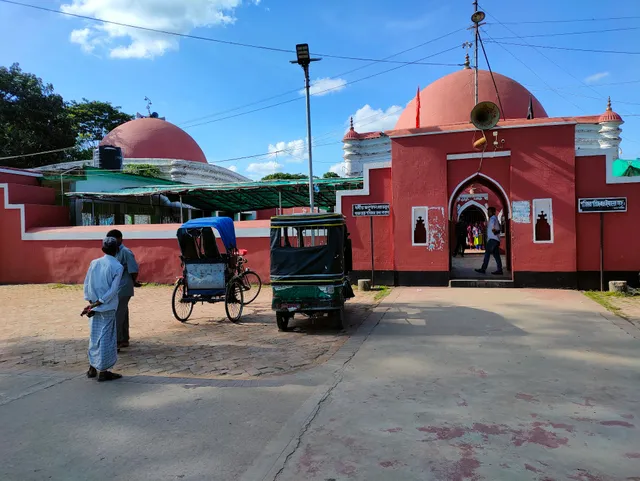
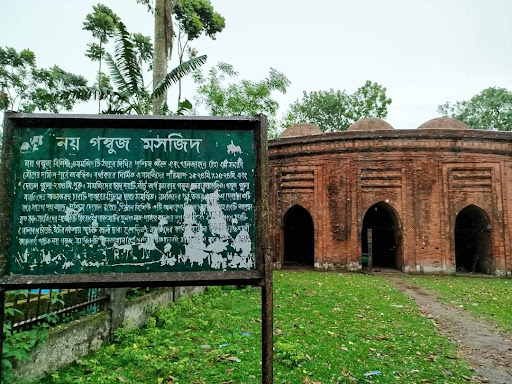
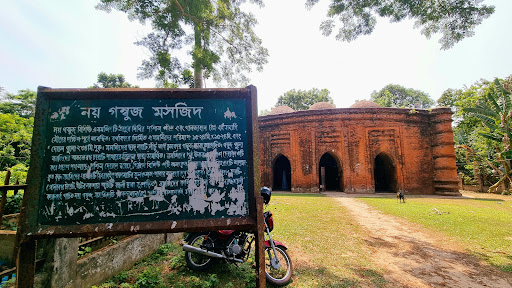
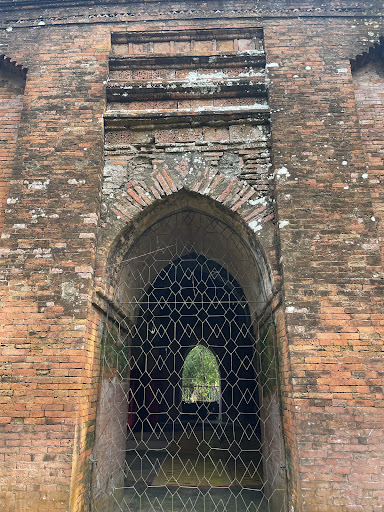
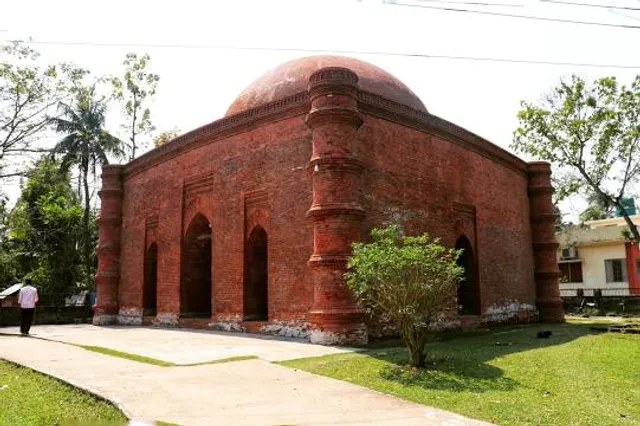
The Nine Dome Mosque is a historic mosque in the Mosque City of Bagerhat in Bangladesh. It was built during the governorship of Khan Jahan Ali in the 15th century, under the reign of the Bengal Sultanate.
Nearby attractions
Khan Jahan Ali Mazar
MQ65+989, Khan Jahan Ali Majar Rd, Bagerhat, Bangladesh
Hazrat Khan Jahan Ali (RA) of Mazar Sharif
Khan Jahan Ali Majar Rd, Bagerhat, Bangladesh
Nearby restaurants
Nearby local services
Khan Jahan Ali Dighi
MQ55+9CM, Bagerhat, Bangladesh
Khan Jahan Ali Majar Bus Stop
Bagerhat - Khulna Rd, Bagerhat, Bangladesh
Nearby hotels
Related posts
Keywords
Nine Dome Mosque tourism.Nine Dome Mosque hotels.Nine Dome Mosque bed and breakfast. flights to Nine Dome Mosque.Nine Dome Mosque attractions.Nine Dome Mosque restaurants.Nine Dome Mosque local services.Nine Dome Mosque travel.Nine Dome Mosque travel guide.Nine Dome Mosque travel blog.Nine Dome Mosque pictures.Nine Dome Mosque photos.Nine Dome Mosque travel tips.Nine Dome Mosque maps.Nine Dome Mosque things to do.
Nine Dome Mosque things to do, attractions, restaurants, events info and trip planning
Nine Dome Mosque
BangladeshKhulna DivisionNine Dome Mosque

Basic Info

Nine Dome Mosque

MQ54+94X, Bagerhat, Bangladesh
4.5(106)
Open 24 hours
Save
spot

Ratings & Description

Info

The Nine Dome Mosque is a historic mosque in the Mosque City of Bagerhat in Bangladesh. It was built during the governorship of Khan Jahan Ali in the 15th century, under the reign of the Bengal Sultanate.

Cultural
Scenic
attractions: Khan Jahan Ali Mazar, Hazrat Khan Jahan Ali (RA) of Mazar Sharif, restaurants: , local businesses: Khan Jahan Ali Dighi, Khan Jahan Ali Majar Bus Stop

logoLearn more insights from Wanderboat AI.

Plan your stay

hotel
Pet-friendly Hotels in Khulna Division
Find a cozy hotel nearby and make it a full experience.
hotel
Affordable Hotels in Khulna Division
Find a cozy hotel nearby and make it a full experience.
hotel
The Coolest Hotels You Haven't Heard Of (Yet)
Find a cozy hotel nearby and make it a full experience.
hotel
Trending Stays Worth the Hype in Khulna Division
Find a cozy hotel nearby and make it a full experience.

Reviews

Nearby attractions of Nine Dome Mosque

Khan Jahan Ali Mazar

Hazrat Khan Jahan Ali (RA) of Mazar Sharif

Khan Jahan Ali Mazar

Khan Jahan Ali Mazar

4.4

(887)

Open 24 hours
Click for details
Hazrat Khan Jahan Ali (RA) of Mazar Sharif

Hazrat Khan Jahan Ali (RA) of Mazar Sharif

4.4

(73)

Open 24 hours
Click for details

Nearby local services of Nine Dome Mosque

Khan Jahan Ali Dighi

Khan Jahan Ali Majar Bus Stop

Khan Jahan Ali Dighi

Khan Jahan Ali Dighi

4.4

(1.4K)

Click for details
Khan Jahan Ali Majar Bus Stop

Khan Jahan Ali Majar Bus Stop

4.3

(57)

Click for details
Get the Appoverlay
Get the AppOne tap to find yournext favorite spots!
Wanderboat LogoWanderboat

Your everyday Al companion for getaway ideas

CompanyAbout Us
InformationAI Trip PlannerSitemap
SocialXInstagramTiktokLinkedin
LegalTerms of ServicePrivacy Policy

Get the app

Š 2025 Wanderboat. All rights reserved.

Posts

Aayaz AhmedAayaz Ahmed
The Nine Dome Mosque in Bagerhat is an impressive historical site that showcases beautiful Islamic architecture. 15th Century and historical place. The nine domes and intricate brickwork are visually stunning and provide a fascinating glimpse into the region's past. The mosque is well-preserved, and the peaceful surroundings enhance the overall experience. However, there are a few areas that could be improved. The signage around the mosque is limited, making it difficult to learn about its historical significance without prior research. Additionally, the site could benefit from better maintenance and cleanliness. Some basic amenities like seating and refreshment options are also lacking. Local authority can improve maintenance of this historical place. Despite these minor drawbacks, the Nine Dome Mosque remains a must-visit for history enthusiasts and anyone interested in architecture. Its unique design and serene atmosphere make it a memorable stop in Bagerhat.
Salman MahmudSalman Mahmud
Nine Dome Mosque is located on the western bank of the Thakurdighi, less than half a km away to the southwest of the tomb-complex of Khan Jahan. The mosque is now a protected monument of the Department of Archaeology, Bangladesh. Local tradition describe the building to one of Khan Jahan's officers who had his residence nearby on the same bank of the Thakurdighi. Based on architectural style the date of construction can be estimated to be mid-fifteenth century. The mosque is a multi-domed square type Sultanate mosque; that is, a square structure crowned with nine domes. Travelers who visit Khan Jahan Ali Majar they can easily come here to can see the architectural masterpiece surrounded by its beauty.
Md Farhad AlamMd Farhad Alam
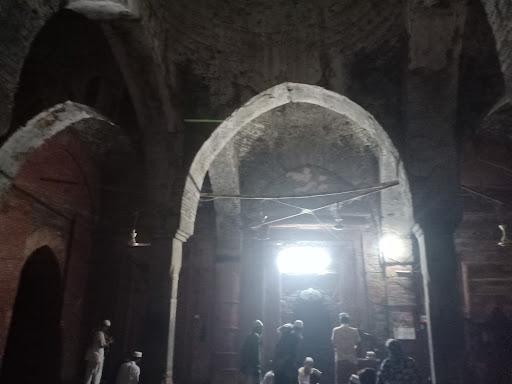
A very beautiful and and authentic mid aged historical place. But it is lack of maintenance and proper care. Though this should be under careful surveillance of Bangladesh government Bart the inner side as in the photos there are goats living whereas it should have been locked and maintenance position. For not proper caring and maintenance this historical building is going to be damaged and maybe someday we will lost it. But the creature and the creation methodology is just excellent so the government should focus on maintaining this properly.
See more posts
See more posts
hotel
Find your stay

Pet-friendly Hotels in Khulna Division

Find a cozy hotel nearby and make it a full experience.

The Nine Dome Mosque in Bagerhat is an impressive historical site that showcases beautiful Islamic architecture. 15th Century and historical place. The nine domes and intricate brickwork are visually stunning and provide a fascinating glimpse into the region's past. The mosque is well-preserved, and the peaceful surroundings enhance the overall experience. However, there are a few areas that could be improved. The signage around the mosque is limited, making it difficult to learn about its historical significance without prior research. Additionally, the site could benefit from better maintenance and cleanliness. Some basic amenities like seating and refreshment options are also lacking. Local authority can improve maintenance of this historical place. Despite these minor drawbacks, the Nine Dome Mosque remains a must-visit for history enthusiasts and anyone interested in architecture. Its unique design and serene atmosphere make it a memorable stop in Bagerhat.
Aayaz Ahmed

Aayaz Ahmed

hotel
Find your stay

Affordable Hotels in Khulna Division

Find a cozy hotel nearby and make it a full experience.

Get the Appoverlay
Get the AppOne tap to find yournext favorite spots!
Nine Dome Mosque is located on the western bank of the Thakurdighi, less than half a km away to the southwest of the tomb-complex of Khan Jahan. The mosque is now a protected monument of the Department of Archaeology, Bangladesh. Local tradition describe the building to one of Khan Jahan's officers who had his residence nearby on the same bank of the Thakurdighi. Based on architectural style the date of construction can be estimated to be mid-fifteenth century. The mosque is a multi-domed square type Sultanate mosque; that is, a square structure crowned with nine domes. Travelers who visit Khan Jahan Ali Majar they can easily come here to can see the architectural masterpiece surrounded by its beauty.
Salman Mahmud

Salman Mahmud

hotel
Find your stay

The Coolest Hotels You Haven't Heard Of (Yet)

Find a cozy hotel nearby and make it a full experience.

hotel
Find your stay

Trending Stays Worth the Hype in Khulna Division

Find a cozy hotel nearby and make it a full experience.

A very beautiful and and authentic mid aged historical place. But it is lack of maintenance and proper care. Though this should be under careful surveillance of Bangladesh government Bart the inner side as in the photos there are goats living whereas it should have been locked and maintenance position. For not proper caring and maintenance this historical building is going to be damaged and maybe someday we will lost it. But the creature and the creation methodology is just excellent so the government should focus on maintaining this properly.
Md Farhad Alam

Md Farhad Alam

See more posts
See more posts

Reviews of Nine Dome Mosque

4.5
(106)
avatar
5.0
8y

The Nine Dome Mosque is a historic mosque in Bagerhat, Bangladesh. It was built in the fifteenth century by a Mughal general on orders from Babur himself and supervised later on by Humayun.[1] The Nine Dome Mosque is located to the west of the takur dighi tank and built in the 15th century, it is close to Khan Jahan Ali's Tomb. Its western wall conventionally faces west towards Mecca, where the mihrab is inset on the western wall; terra cotta floral scrolls and flower motifs are the decorations seen around the mihrab. Circular towers are provided in the four corners. The walls of the mosque support a large central dome which has eight smaller domes around it. This structure was also affected by sulphates. It has been since substantially restored. Close to this mosque are the Zinda Pir Mosque and mazar (tomb), which are in ruins.

It is a brick-built square structure measuring about 16.76m externally and 12.19m internally. The 2.44m thick walls on the north, south and east sides are pierced with three arched-openings on each side; the central one, set within a rectangular frame, is larger than the flanking ones.Nine-Dome Mosque, Bagerhat The interior of the mosque is divided into three aisles and three bays by two rows of stone pillars, two in each row, thus creating nine independent square bays, each of which is covered with an inverted cup-shaped dome. All the nine domes are internally carried on four intersecting arches springing from stone pillars and brick pilasters attached to the side walls. The phase of transition for each dome is achieved by means of traditional Bengali pendentives.The qibla wall is internally recessed with three engrailed arched-mihrabs, which correspond to the three archways on the eastern facade. Here also the central mihrab is larger than the side ones and has an outer projection.The stone pillars, supporting the domed roof, have stepped square pedestals and capitals. Their shafts are octagonal and are separated from the pedestals and capitals by raised bands. The engaged brick pilasters have also stepped square bases and capitals with stone imposts on the top. The corner towers emphasising the four exterior angles of the building are circular in the Khan Jahani style. All these towers, having moulded bases and plain tops, do not rise above the roof level. The cornices are...

   Read more
avatar
5.0
2y

In Rangpur, the Laldighi Noy Gambuj Masjid is a must-see. The historic Laldighi Nine Dome Mosque lies in the Gopinathpur Union’s Laldighi district, some 10 kilometers west of Rangpur’s Badarganj Upazila town.

During the British occupation of India, the mosque was unearthed. The mosque was afterwards cleaned and made functional by the people. The Laldighi Mosque has no inscription, hence there is no way of knowing when it was built. The mosque, however, was constructed during British administration, according to archaeologists. Some believe Laldighi Mosque was erected in 1212, based on what is known about the architecture of the last Mughal dynasty. Mosques and mosque ponds are said to be built overnight, according to locals.

There are nine domes in the mosque. The Marlon decoration is at the bottom of the dome, and it is crowned with lotus flower heads.

A minaret with an octagonal cupla is visible on each of the mosque’s four corners. However, the four-tiered minaret in the northeast corner is employed to give this minar azaan. Except for the west side, the mosque has nine entrances, one on each of its three sides. Three exquisite mihrabs adorn the western wall.

How to go to Laldighi Noy Gambuj Masjid?

You can go by bus, rickshaw, or a simple bicycle ride...

   Read more
avatar
5.0
1y

āύ⧟āĻ—āĻŽā§āĻŦ⧁āϜ āĻŽāϏāϜāĻŋāĻĻ  āĻŦāĻžāϗ⧇āϰāĻšāĻžāĻŸā§‡āϰ āĻ āĻžāϕ⧁āϰāĻĻāĻŋāϘāĻŋāϰ āĻĒāĻļā§āϚāĻŋāĻŽ āĻĒāĻžāĻĄāĻŧ⧇ āĻ–āĻžāύ āϜāĻžāĻšāĻžāύ⧇āϰ āϏāĻŽāĻžāϧāĻŋāϏ⧌āϧ⧇āϰ āĻĻāĻ•ā§āώāĻŋāĻŖ-āĻĒā§‚āĻ°ā§āĻŦ⧇ āφāϧāĻž āĻ•āĻŋāϞ⧋āĻŽāĻŋāϟāĻžāϰ⧇āϰāĻ“ āĻ•āĻŽ āĻĻā§‚āϰāĻ¤ā§āĻŦ⧇ āĻ…āĻŦāĻ¸ā§āĻĨāĻŋāϤāĨ¤ āĻŦāĻ°ā§āϤāĻŽāĻžāύ⧇ āĻŽāϏāϜāĻŋāĻĻāϟāĻŋ āĻŦāĻžāĻ‚āϞāĻžāĻĻ⧇āĻļ āĻĒā§āϰāĻ¤ā§āύāϤāĻžāĻ¤ā§āĻ¤ā§āĻŦāĻŋāĻ• āĻŦāĻŋāĻ­āĻžāϗ⧇āϰ āĻ…āϧ⧀āύ⧇ āĻĒ⧁āϰāĻžāϕ⧀āĻ°ā§āϤāĻŋ āĻšāĻŋāϏ⧇āĻŦ⧇ āϏāĻ‚āϰāĻ•ā§āώāĻŋāϤāĨ¤ āχāĻŸā§‡āϰ āϤ⧈āϰāĻŋ āĻŦāĻ°ā§āĻ—āĻžāĻ•ā§ƒāϤāĻŋāϰ āĻŽāϏāϜāĻŋāĻĻāϟāĻŋ āĻĒāϰāĻŋāĻŽāĻžāĻĒ⧇ āĻŦāĻžāχāϰ⧇āϰ āĻĻāĻŋāϕ⧇ āĻĒā§āϰāĻžāϝāĻŧ ā§§ā§Ŧ.ā§­ā§Ŧ āĻŽāĻŋāϟāĻžāϰ āĻāĻŦāĻ‚ āĻ­āĻŋāϤāϰ⧇āϰ āĻĻāĻŋāϕ⧇ ⧧⧍.⧧⧝ āĻŽāĻŋāϟāĻžāϰāĨ¤ āωāĻ¤ā§āϤāϰ, āĻĻāĻ•ā§āώāĻŋāĻŖ āĻ“ āĻĒā§‚āĻ°ā§āĻŦ āϤāĻŋāύ āĻĻāĻŋāϕ⧇āϰ āĻĒā§āϰāĻžāĻšā§€āϰāχ ⧍.ā§Ēā§Ē āĻŽāĻŋāϟāĻžāϰ āĻĒ⧁āϰ⧁ āĻāĻŦāĻ‚ āĻĒā§āϰāĻŦ⧇āĻļ⧇āϰ āϜāĻ¨ā§āϝ āϤāĻŋāύāϟāĻŋ āĻ•āϰ⧇ āĻ–āĻŋāϞāĻžāύāĻĒāĻĨ āφāϛ⧇āĨ¤ āĻŽāĻžāĻā§‡āϰ āĻ–āĻŋāϞāĻžāύāĻĒāĻĨāϟāĻŋ āĻāĻ•āϟāĻŋ āφāϝāĻŧāϤāĻžāĻ•āĻžāϰ āĻ•āĻžāĻ āĻžāĻŽā§‹āϝāĻŧ āϏāĻ¨ā§āύāĻŋāĻŦ⧇āĻļāĻŋāϤ āĻāĻŦāĻ‚ āĻĒāĻžāĻ°ā§āĻļā§āĻŦāĻŦāĻ°ā§āϤ⧀ āĻ–āĻŋāϞāĻžāύāϗ⧁āϞāĻŋ āĻ…āĻĒ⧇āĻ•ā§āώāĻž āĻŦāĻĄāĻŧāĨ¤ āĻĒā§āϰāϤāĻŋ āϏāĻžāϰāĻŋāϤ⧇ āĻĻ⧁āϟāĻŋ āĻ•āϰ⧇ āĻŽā§‹āϟ āĻĻ⧁āχ āϏāĻžāϰāĻŋ āĻĒāĻžāĻĨāϰ āύāĻŋāĻ°ā§āĻŽāĻŋāϤ āĻ¸ā§āϤāĻŽā§āĻ­ āĻĻā§āĻŦāĻžāϰāĻž āĻŽāϏāϜāĻŋāĻĻ⧇āϰ āĻ…āĻ­ā§āϝāĻ¨ā§āϤāϰ āϤāĻŋāύāϟāĻŋ āφāχāϞ āĻ“ āϤāĻŋāύāϟāĻŋ ‘āĻŦā§‡â€™ āϤ⧇ āĻŦāĻŋāĻ­āĻ•ā§āϤāĨ¤ āĻĢāϞ⧇ āϏāĻŽā§āĻĒā§‚āĻ°ā§āĻŖ āĻ¸ā§āĻŦāϤāĻ¨ā§āĻ¤ā§āϰ āύāϝāĻŧāϟāĻŋ ‘āĻŦā§‡â€™ āϏ⧃āĻˇā§āϟāĻŋ āĻšāϝāĻŧ⧇āϛ⧇āĨ¤ āĻĒā§āϰāϤāĻŋāϟāĻŋ ‘āĻŦā§‡â€™ āωāĻ˛ā§āϟāĻžāύ⧋ āĻ•āĻžāĻĒ āφāĻ•ā§ƒāϤāĻŋāϰ āĻ—āĻŽā§āĻŦ⧁āϜ āĻĻā§āĻŦāĻžāϰāĻž āφāĻŦ⧃āϤāĨ¤ āĻ—āĻŽā§āĻŦ⧁āϜāχ āĻŽāϏāϜāĻŋāĻĻ āĻ…āĻ­ā§āϝāĻ¨ā§āϤāϰ⧇ āĻĒāϰāĻ¸ā§āĻĒāϰ āϛ⧇āĻĻ āĻ•āϰāĻž āϚāĻžāϰāϟāĻŋ āĻ–āĻŋāϞāĻžāύ-āĻāϰ āωāĻĒāϰ āϤāĻžāĻĻ⧇āϰ āĻ­āĻžāϰ āĻ¨ā§āϝāĻ¸ā§āϤ āĻ•āϰ⧇āϛ⧇, āϝ⧇āϗ⧁āϞāĻŋ āĻĒāĻžāĻĨāϰ āĻ¸ā§āϤāĻŽā§āĻ­ (Pillar) āĻ“ āĻĒā§āϰāĻžāĻšā§€āϰ āϏāĻ¨ā§āύāĻŋāĻŦ⧇āĻļāĻŋāϤ āĻ¸ā§āϤāĻŽā§āĻ­ (Pilaster) āĻĨ⧇āϕ⧇ āĻ‰ā§ŽāĻĒāĻ¤ā§āϤāĻŋ āϞāĻžāĻ­ āĻ•āϰ⧇āϛ⧇āĨ¤ āĻ—āĻŽā§āĻŦ⧁āϜāϗ⧁āϞāĻŋ āĻĒā§āϰāĻžāĻšā§€āϰ⧇āϰ āϏāĻžāĻĨ⧇ āĻŽāĻŋāϞāĻŋāϤ āĻšāϝāĻŧ⧇āϛ⧇ āĻŦāĻžāĻ‚āϞāĻž āĻĒ⧇āĻ¨ā§āĻĄā§‡āĻ¨ā§āϟāĻŋāĻ­-āĻāϰ āĻŽāĻžāĻ§ā§āϝāĻŽā§‡āĨ¤ āĻ•āĻŋāĻŦāϞāĻž āĻĒā§āϰāĻžāĻšā§€āϰ⧇ āĻ­āĻžāρāϜāϝ⧁āĻ•ā§āϤ āĻ–āĻŋāϞāĻžāύāĻŦāĻŋāĻļāĻŋāĻˇā§āϟ āϤāĻŋāύāϟāĻŋ āĻŽāĻŋāĻšāϰāĻžāĻŦ āϰāϝāĻŧ⧇āϛ⧇, āϝ⧇āϗ⧁āϞāĻŋ āĻĒā§‚āĻ°ā§āĻŦ āĻĒā§āϰāĻžāĻšā§€āϰ⧇āϰ āĻ–āĻŋāϞāĻžāύāĻĒāĻĨ⧇āϰ āĻ…āĻ•ā§āώ āĻŦāϰāĻžāĻŦāϰ āĻ…āĻŦāĻ¸ā§āĻĨāĻŋāϤāĨ¤ āĻ–āĻŋāϞāĻžāύāĻĒāĻĨ⧇āϰ āĻŽāϤ⧋āχ āĻāĻ–āĻžāύ⧇āĻ“ āĻŽāĻžāĻā§‡āϰ āĻŽāĻŋāĻšāϰāĻžāĻŦāϟāĻŋ āĻĒāĻžāĻ°ā§āĻļā§āĻŦāĻŦāĻ°ā§āϤ⧀ āĻŽāĻŋāĻšāϰāĻžāĻŦāĻĻā§āĻŦāϝāĻŧ āĻ…āĻĒ⧇āĻ•ā§āώāĻž āĻŦāĻĄāĻŧ āĻāĻŦāĻ‚ āĻŦāĻžāχāϰ⧇āϰ āĻĻāĻŋāϕ⧇ āĻ…āĻ­āĻŋāĻ•ā§āώāĻŋāĻĒā§āϤāĨ¤ āĻĒāĻžāĻĨāϰ⧇āϰ āĻ¸ā§āϤāĻŽā§āĻ­, āϝāĻž āĻ—āĻŽā§āĻŦ⧁āϜāĻžāĻŦ⧃āϤ āĻ›āĻžāĻĻ⧇āϰ āĻ­āĻžāϰ āĻŦāĻšāύ āĻ•āϰāϛ⧇, āϚāϤ⧁āĻˇā§āĻ•ā§ŒāĻŖāĻŋāĻ• āĻ¸ā§āϤāĻŽā§āĻ­āĻ­āĻŋāĻ¤ā§āϤāĻŋ (Pedestal) āĻ“ āĻ¸ā§āϤāĻŽā§āĻ­āĻļā§€āĻ°ā§āώ (Capital) āϏāĻŽā§ƒāĻĻā§āϧāĨ¤ āĻ¸ā§āϤāĻŽā§āĻ­āϗ⧁āϞāĻŋ āĻ…āĻˇā§āϟāϭ⧁āϜāĻžāĻ•ā§ƒāϤāĻŋāϰ āĻāĻŦāĻ‚ āĻĒ⧇āĻĄā§‡āĻ¸ā§āϟāĻžāϞ āĻ“ āĻ•ā§āϝāĻžāĻĒāĻŋāϟāĻžāϞ āĻĨ⧇āϕ⧇ āĻāϕ⧇ āĻŦāĻ¨ā§āϧāύ⧀ (band) āĻĻā§āĻŦāĻžāϰāĻž āĻĒ⧃āĻĨāĻ• āĻ•āϰāĻž āĻšāϝāĻŧ⧇āϛ⧇āĨ¤ āĻĒā§āϰāĻžāĻšā§€āϰ āϏāĻ¨ā§āύāĻŋāĻŦ⧇āĻļāĻŋāϤ āĻ¸ā§āϤāĻŽā§āĻ­ (Pilaster) āϗ⧁āϞāĻŋāϤ⧇āĻ“ āϚāϤ⧁āĻˇā§āĻ•ā§ŒāĻŖāĻŋāĻ• āĻ­āĻŋāĻ¤ā§āϤāĻŋ āĻ“ āĻ•ā§āϝāĻžāĻĒāĻŋāϟāĻžāϞ āϰāϝāĻŧ⧇āϛ⧇āĨ¤ āĻ–āĻžāύ āϜāĻžāĻšāĻžāύ⧀ āϰ⧀āϤāĻŋāϤ⧇ āĻ—āĻ āĻŋāϤ āĻ—ā§‹āϞāĻžāĻ•ā§ƒāϤāĻŋāϰ āĻŦ⧁āϰ⧁āϜ āĻ…āĻ­ā§āϝāĻ¨ā§āϤāϰ⧇āϰ āϚāĻžāϰ āϕ⧋āĻŖāϕ⧇ āĻŽāϜāĻŦ⧁āϤ āĻ•āϰ⧇āϛ⧇āĨ¤ āĻ›āĻžāĻĻ āϏāĻŽāĻžāύ āωāĻšā§āϚāϤāĻžāϰ āĻ āĻŦ⧁āϰ⧁āϜāϗ⧁āϞāĻŋ ‘āĻŽā§‹āĻ˛ā§āĻĄā§‡āĻĄâ€™ (Moulded) āĻ­āĻŋāĻ¤ā§āϤāĻŋ āĻāĻŦāĻ‚ āϏāĻŽāĻžāύ āωāĻĒāϰāĻŋāϤāϞ āϏāĻŽā§ƒāĻĻā§āϧāĨ¤ āĻ•āĻžāĻ°ā§āύāĻŋāĻļāϗ⧁āϞāĻŋ āϏāĻžāĻŽāĻžā§āϜāĻ¸ā§āϝāĻĒā§‚āĻ°ā§āĻŖāĻ­āĻžāĻŦ⧇ āϏāĻžāĻŽāĻžāĻ¨ā§āϝ āĻŦāĻžāρāĻ•āĻžāύ⧋āĨ¤ āĻĒā§‹āĻĄāĻŧāĻžāĻŽāĻžāϟāĻŋāϰ āĻļā§āϰāĻŽāϞāĻŦā§āϧ āĻ…āϞāĻ‚āĻ•āĻžāϰ-āĻ•āĻ°ā§āĻŽ āĻŦāĻ°ā§āϤāĻŽāĻžāύ⧇ āϕ⧇āĻŦāϞ āĻ–āĻŋāϞāĻžāύāĻĒāĻĨ, āĻŽāĻŋāĻšāϰāĻžāĻŦ, āĻŦ⧁āϰ⧁āϜ āĻ“ āĻ•āĻžāĻ°ā§āύāĻŋāĻļ⧇āϰ āĻŽāĻ§ā§āϝ⧇āχ āϤāĻžāϰ āĻ…āĻ¸ā§āϤāĻŋāĻ¤ā§āĻŦ āĻŦāϜāĻžāϝāĻŧ āϰ⧇āϖ⧇āϛ⧇āĨ¤ āĻ–āĻŋāϞāĻžāύāĻĒāĻĨāϕ⧇ āϏāĻ¨ā§āύāĻŋāĻŦāĻĻā§āϧāĻ•āĻžāϰ⧀ āĻŦāĻžāχāϰ⧇āϰ āĻĻāĻŋāϕ⧇āϰ āφāϝāĻŧāϤāĻžāĻ•āĻžāϰ āĻ•āĻžāĻ āĻžāĻŽā§‹ āϜāĻžāϞ āύāĻ•āĻļāĻžāϝāĻŧ āϏāĻŽā§ƒāĻĻā§āϧāĨ¤ āĻ–āĻŋāϞāĻžāύāĻĒāĻĨāϗ⧁āϞāĻŋāϰ āĻŽāĻ§ā§āϝāĻŦāĻ°ā§āϤ⧀ āωāϞāĻŽā§āĻŦ āϏāĻ‚āϕ⧀āĻ°ā§āĻŖ āĻĢāĻžāρāĻ•āĻž āϜāĻžāϝāĻŧāĻ—āĻžāϰ āĻ­āĻŋāĻ¤ā§āϤāĻŋāϤ⧇ āĻāĻ•āĻœā§‹āĻĄāĻŧāĻž āϞāĻœā§‡āĻ¨ā§āϏ āύāĻ•āĻļāĻž āϰāϝāĻŧ⧇āϛ⧇āĨ¤ āĻŽā§‹āĻ˛ā§āĻĄāĻŋāĻ‚-āĻāϰ āĻŽāĻ§ā§āϝāĻŦāĻ°ā§āϤ⧀ āĻĢāĻžāρāĻ•āĻž āϜāĻžāϝāĻŧāĻ—āĻž āĻ—ā§‹āϞāĻžāĻĒ āύāĻ•āĻļāĻžāϝāĻŧ āĻ“ āĻŽāĻžāĻā§‡ āĻŽāĻžāĻā§‡ āĻŦ⧁āϟāĻŋāĻĻāĻžāϰ āĻ“ āϛ⧋āϟ āĻ—ā§‹āϞāĻžāĻĒ āϏāĻŽā§ƒāĻĻā§āϧ āĻĒā§āϝāĻžāρāϚāĻžāύ⧋ āύāĻ•āĻļāĻž āϏāĻŽā§ƒāĻĻā§āϧāĨ¤ āĻ­āĻŦāύ āĻ…āĻ­ā§āϝāĻ¨ā§āϤāϰ⧇ āϏāĻŦāϗ⧁āϞāĻŋ āĻ–āĻŋāϞāĻžāύāĻĒāĻĨ⧇āϰ āĻ¸ā§āĻĒā§āϝāĻžāĻ¨ā§āĻĄā§āϰ⧇āϞ āĻŦāĻŋāĻļāĻžāϞāĻžāĻ•ā§ƒāϤāĻŋāϰ āĻĒā§āϰāĻ¸ā§āĻĢ⧁āϟāĻŋāϤ āĻĒāĻĻā§āĻŽāĻļā§‹āĻ­āĻŋāϤāĨ¤ āĻ…āĻ¨ā§āϝāĻĻāĻŋāϕ⧇ āĻ–āĻŋāϞāĻžāύāϗ⧁āϞāĻŋāϰ āϏāĻŽā§āĻŽā§āĻ–āĻ­āĻžāϗ⧇āϰ āϕ⧇āĻ¨ā§āĻĻā§āϰāĻŦāĻŋāĻ¨ā§āĻĻ⧁ āĻŦāĻŋāĻļāĻžāϞ āϞāĻœā§‡āĻ¨ā§āϏ āύāĻ•āĻļāĻž āĻĻā§āĻŦāĻžāϰāĻž āĻ…āϞāĻ‚āĻ•ā§ƒāϤāĨ¤ āϞāĻœā§‡āĻ¨ā§āϏāϗ⧁āϞāĻŋāϰ āϏ⧀āĻŽāĻžāύāĻž āφāĻŦāĻžāϰ āĻ—ā§‹āϞāĻžāĻĒ āύāĻ•āĻļāĻž āĻĻā§āĻŦāĻžāϰāĻž āĻļā§‹āĻ­āĻŋāϤāĨ¤ āϏāĻžāϰāĻŋāĻŦāĻĻā§āϧ āϛ⧋āϟ āĻ—ā§‹āϞāĻžāĻĒ āύāĻ•āĻļāĻž āĻ“ āĻĒāĻĻā§āĻŽāĻĒāĻžāϤāĻž āϏāĻŽā§ƒāĻĻā§āϧ āϤāĻŋāύāϟāĻŋ āĻŽā§‹āĻ˛ā§āĻĄā§‡āĻĄ āĻŦā§āϝāĻžāĻ¨ā§āĻĄ āĻĒā§āϰāϤāĻŋāϟāĻŋ āĻ–āĻŋāϞāĻžāύāĻĒāĻĨ⧇āϰ āĻļā§€āĻ°ā§āώāĻžāϞāĻ‚āĻ•āϰāϪ⧇ āĻŦā§āϝāĻŦāĻšā§‚āϤ āĻšāϝāĻŧ⧇āϛ⧇āĨ¤ āĻŦā§āϝāĻžāĻ¨ā§āĻĄā§‡āϰ āĻŽāĻ§ā§āϝāĻŦāĻ°ā§āϤ⧀ āϏāĻ‚āϕ⧀āĻ°ā§āĻŖ āϜāĻžāϝāĻŧāĻ—āĻžāϟāĻŋ āύ⧇āĻ•āϞ⧇āϏ, āĻĒā§āϝāĻžāρāϚāĻžāύ⧋ āϞāϤāĻž āĻ“ āĻĢ⧁āϞ āύāĻ•āĻļāĻžāĻļā§‹āĻ­āĻŋāϤāĨ¤ āĻŽāĻŋāĻšāϰāĻžāĻŦāϗ⧁āϞāĻŋāĻ“ āĻ…āϏāĻžāϧāĻžāϰāĻŖ āĻ…āϞāĻ‚āĻ•āϰāϪ⧇ āϏāĻŽā§ƒāĻĻā§āϧāĨ¤ āϕ⧇āĻ¨ā§āĻĻā§āϰ⧀āϝāĻŧ āĻŽāĻŋāĻšāϰāĻžāĻŦāϟāĻŋāϰ āĻ¸ā§āĻĒā§āϝāĻžāĻ¨ā§āĻĄā§āϰ⧇āϞ āĻĢ⧁āϞ⧇āϰ āĻŽā§‹āϟāĻŋāĻĢ āϏāĻŽā§ƒāĻĻā§āϧāĨ¤ āĻŽāĻŋāĻšāϰāĻžāĻŦ⧇āϰ āωāĻĒāϰāĻŋāĻ­āĻžāϗ⧇āϰ āĻĻ⧁āϟāĻŋ āĻŽā§‹āĻ˛ā§āĻĄā§‡āĻĄ āĻŦā§āϝāĻžāĻ¨ā§āĻĄā§‡āϰ āĻŽāĻ§ā§āϝāĻŦāĻ°ā§āϤ⧀ āĻĢāĻžāρāĻ•āĻž āϜāĻžāϝāĻŧāĻ—āĻž āφāϙ⧁āϰ āĻ“ āφāϙ⧁āϰāϞāϤāĻž āύāĻ•āĻļāĻžāĻļā§‹āĻ­āĻŋāϤāĨ¤ āĻ—ā§‹āϞāĻžāĻ•ā§ƒāϤāĻŋāϰ āĻŽāĻŋāĻšāϰāĻžāĻŦ āϕ⧁āϞ⧁āĻ™ā§āĻ—āĻŋ āĻ…āύ⧁āĻ­ā§‚āĻŽāĻŋāĻ• āϏāϰ⧁ āĻĒā§āϝāĻžāύ⧇āϞ āĻĻā§āĻŦāĻžāϰāĻž āωāĻĒāĻ¸ā§āĻĨāĻžāĻĒāĻŋāϤāĨ¤ āĻĒā§āϝāĻžāύ⧇āϞāϗ⧁āϞāĻŋ āφāĻŦāĻžāϰ āωāĻ¤ā§āϤ⧋āϞāĻŋāϤ āĻ…āϞāĻ‚āĻ•ā§ƒāϤ āĻŦā§āϝāĻžāĻ¨ā§āĻĄ āĻĻā§āĻŦāĻžāϰāĻž āĻ­āĻžāĻ— āĻ•āϰāĻž āĻšāϝāĻŧ⧇āϛ⧇āĨ¤ āĻ…āϞāĻ‚āĻ•āϰāϪ⧇āϰ āĻŽā§‹āϟāĻŋāĻĢ āĻāĻ•-āĻāĻ• āĻĒā§āϝāĻžāύ⧇āϞ⧇ āĻāĻ•-āĻāĻ• āϰāĻ•āĻŽ āĻāĻŦāĻ‚ āύ⧇āĻ•āϞ⧇āϏ āύāĻ•āĻļāĻž, āĻĒāĻĻā§āĻŽ, āϤāĻžāϞāĻĒāĻ¤ā§āϰ āĻ“ āĻŦāĻŋāĻ­āĻŋāĻ¨ā§āύ āϰāĻ•āĻŽā§‡āϰ āχāĻ¨ā§āϟāĻžāϰāϞāĻ•āĻŋāĻ‚ āύāĻ•āĻļāĻžāϝāĻŧ āϏāĻŽā§ƒāĻĻā§āϧāĨ¤ āĻŽāĻŋāĻšāϰāĻžāĻŦ āϕ⧁āϞ⧁āĻ™ā§āĻ—āĻŋāϟāĻŋ āωāĻĒāϰ⧇āϰ āĻ…āĻ°ā§āϧ āĻ—āĻŽā§āĻŦ⧁āĻœā§‡āϰ āĻļā§€āĻ°ā§āώ āĻĨ⧇āϕ⧇ āύ⧇āĻŽā§‡ āφāϏāĻž āĻāĻ•āϟāĻŋ āĻļāĻŋāĻ•āϞ āĻĻā§āĻŦāĻžāϰāĻž āĻŦāĻŋāĻ­āĻ•ā§āϤāĨ¤ āĻļāĻŋāĻ•āϞāϟāĻŋ āĻļ⧇āώ āĻšāϝāĻŧ⧇āϛ⧇ āĻāĻ•āϟāĻŋ āφāϝāĻŧāϤāĻžāĻ•āĻžāϰ āĻĒ⧇āĻ¨ā§āĻĄā§‡āĻ¨ā§āĻŸā§‡, āϝāĻĻāĻŋāĻ“ āĻāĻ–āύ āϤāĻž āĻ…āύ⧁āĻĒāĻ¸ā§āĻĨāĻŋāϤāĨ¤ āϝ⧇ āφāϝāĻŧāϤāĻžāĻ•āĻžāϰ āĻĢā§āϰ⧇āĻŽā§‡āϰ āĻŽāĻžāĻā§‡ āĻŽāĻŋāĻšāϰāĻžāĻŦ āϕ⧁āϞ⧁āĻ™ā§āĻ—āĻŋ āϏāĻ¨ā§āύāĻŋāĻŦ⧇āĻļāĻŋāϤ āϤāĻž āĻĒāϰāĻ¸ā§āĻĒāϰāϝ⧁āĻ•ā§āϤ āĻ—ā§‹āϞāĻžāĻĒ āύāĻ•āĻļāĻžāϝāĻŧ āϏāĻŽā§ƒāĻĻā§āϧāĨ¤ āĻĢā§āϰ⧇āĻŽā§‡āϰ āωāĻĒāϰ⧇ āĻ…āĻ¤ā§āϝāĻ¨ā§āϤ āĻŦāϞāĻŋāĻˇā§āĻ  āĻĻ⧁āϟāĻŋ āĻŦā§āϝāĻžāĻ¨ā§āĻĄ āĻ…āĻ­āĻŋāĻ•ā§āώāĻŋāĻĒā§āϤ āĻāĻŦāĻ‚ āĻāϗ⧁āϞāĻŋ āϏāĻžāϰāĻŋāĻŦāĻĻā§āϧ āĻ—ā§‹āϞāĻžāĻĒ āύāĻ•āĻļāĻžāĻļā§‹āĻ­āĻŋāϤāĨ¤ āϏāĻŽāĻ¸ā§āϤ āĻ…āĻŦāĻ•āĻžāĻ āĻžāĻŽā§‹āϟāĻŋāϰ āĻļā§‹āĻ­āĻžāĻŦāĻ°ā§āϧāύ⧇ āĻ…āϏāĻžāϧāĻžāϰāĻŖāĻ­āĻžāĻŦ⧇ āϏāĻšāϝ⧋āĻ—āĻŋāϤāĻž āĻ•āϰ⧇āϛ⧇ āĻāϰ āĻ…āϞāĻ‚āĻ•ā§ƒāϤ āĻļā§€āĻ°ā§āώāĻšā§‚āĻĄāĻŧāĻžāĨ¤ āĻ•āĻžāĻ°ā§āύāĻŋāĻļ⧇āϰ āĻŦāĻ•ā§āϰāϤāĻž āĻ­āĻŦāύāϟāĻŋāϕ⧇ āĻāĻ•āϟāĻŋ āĻĻ⧃āĻˇā§āϟāĻŋāύāĻ¨ā§āĻĻāύ āĻ…āĻ­āĻŋāĻŦā§āϝāĻ•ā§āϤāĻŋ āĻāύ⧇ āĻĻāĻŋāϝāĻŧ⧇āϛ⧇āĨ¤ āϏāĻŽāĻ¸ā§āϤ āĻ­āĻŦāύ āϜ⧁āĻĄāĻŧ⧇ āĻĻ⧁āχ āĻ¸ā§āϤāϰ⧇āϰ āĻ•āĻžāĻ°ā§āύāĻŋāĻļ⧇ āϞāĻœā§‡āĻ¨ā§āϏ āύāĻ•āĻļāĻž āĻāĻŦāĻ‚ āĻāĻĻ⧇āϰ āĻŽāĻ§ā§āϝāĻŦāĻ°ā§āϤ⧀ āĻĢāĻžāρāĻ•āĻž āϜāĻžāϝāĻŧāĻ—āĻžāϰ āĻŦāĻŋāĻ­āĻŋāĻ¨ā§āύ āĻ¸ā§āĻĨāĻžāύ⧇ āĻ…āϞāĻ‚āĻ•ā§ƒāϤ āĻŦāĻ°ā§āĻ—āĻžāĻ•āĻžāϰ āĻĒā§āϝāĻžāύ⧇āϞ āĻļā§‹āĻ­āĻž āĻŦ⧃āĻĻā§āϧāĻŋ āĻ•āϰ⧇āϛ⧇āĨ¤ āĻŦā§āϝāĻžāĻ¨ā§āĻĄ āĻĻā§āĻŦāĻžāϰāĻž āĻŦāĻŋāĻ­āĻ•ā§āϤ āĻ•āĻ°ā§āĻŖāĻžāϰ āϟāĻžāĻ“āϝāĻŧāĻžāϰāϗ⧁āϞāĻŋ āϞāĻœā§‡āĻ¨ā§āϏ āύāĻ•āĻļāĻž, āĻĒāĻĻā§āĻŽāĻĒāĻžāϤāĻž āĻ“ āĻ•ā§āώ⧁āĻĻā§āϰ āĻŦāϞ āύāĻ•āĻļāĻž āϏāĻŽā§ƒāĻĻā§āϧāĨ¤ āϰāϚāύāĻž-āĻļ⧈āϞ⧀āϰ āĻĻāĻŋāĻ• āĻĨ⧇āϕ⧇ āĻŽāϏāϜāĻŋāĻĻāϟāĻŋ āĻ–āĻžāύ āϜāĻžāĻšāĻžāύ⧇āϰ āϏāĻŽāϝāĻŧ⧇āϰāĨ¤ āĻ¸ā§āĻĨāĻžāύ⧀āϝāĻŧ āϜāύāĻļā§āϰ⧁āϤāĻŋ āĻĨ⧇āϕ⧇ āϜāĻžāύāĻž āϝāĻžāϝāĻŧ, āĻ–āĻžāύ āϜāĻžāĻšāĻžāύ⧇āϰ āϕ⧋āύ āĻāĻ• āĻ•āĻ°ā§āĻŽāĻ•āĻ°ā§āϤāĻž āĻŽāϏāϜāĻŋāĻĻāϟāĻŋ āύāĻŋāĻ°ā§āĻŽāĻžāĻŖ āĻ•āϰ⧇āĻ›āĻŋāϞ⧇āύ āĻāĻŦāĻ‚ āϤāĻžāϰ āĻŦāĻžāϏāĻ—ā§ƒāĻšāĻ“ āϐ āĻāĻ•āχ āĻāϞāĻžāĻ•āĻžāϰ āĻ āĻžāϕ⧁āϰāĻĻāĻŋāϘāĻŋāϰ āĻĒāĻžāĻĄāĻŧ⧇ āĻ…āĻŦāĻ¸ā§āĻĨāĻŋāϤ...

   Read more
Page 1 of 7
Previous
Next