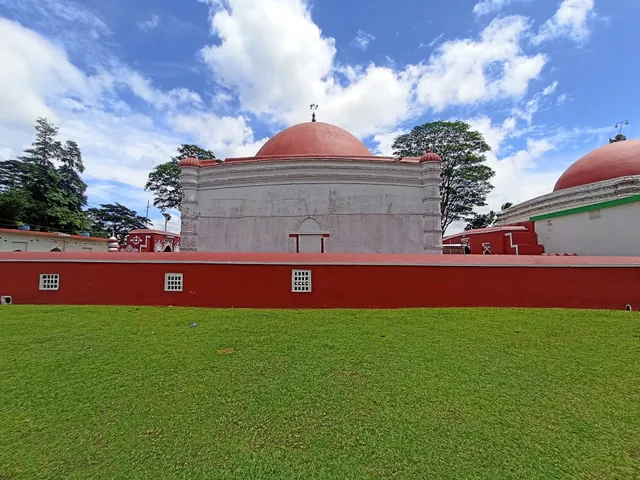
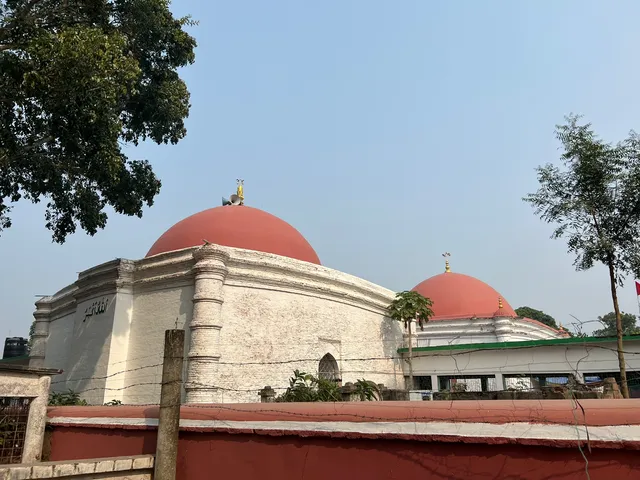
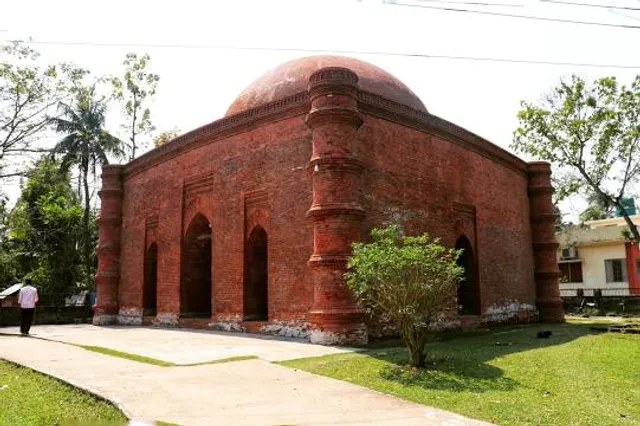
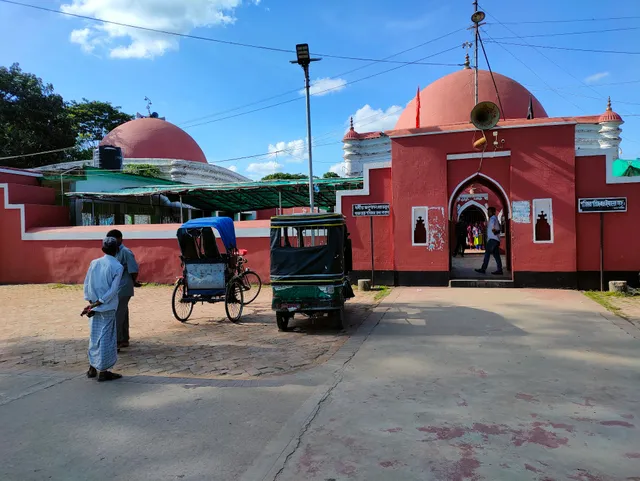
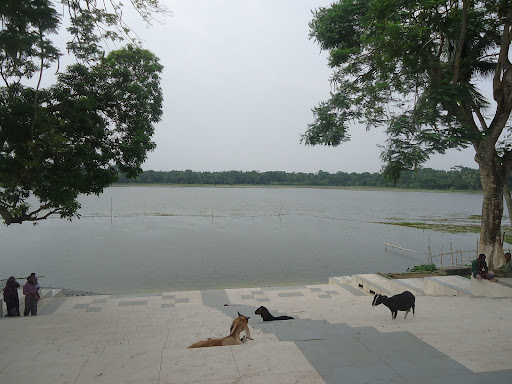
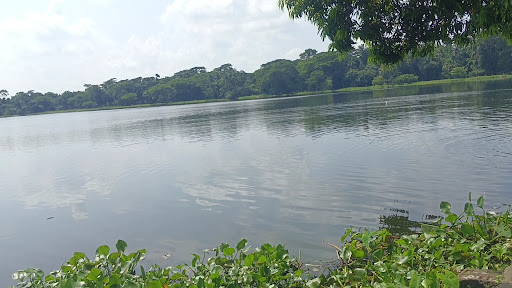
When it comes to exploring the rich cultural heritage of Bangladesh, Bagerhat Khan Jahan Ali Dighi stands as a prominent testament to the region's historical significance. This architectural marvel, situated in the district of Bagerhat, showcases the brilliance of medieval Islamic architecture and leaves visitors awe-struck. Join us as we delve into the enchanting history, cultural significance, and remarkable visiting experience of Khan Jahan Ali Dighi. Exploring Khan Jahan Ali Dighi is a journey through time. As you step into this historical site, you'll be transported to an era of architectural grandeur and spiritual enlightenment. The peaceful ambiance, combined with the serene surroundings, creates an ideal environment for reflection and contemplation. Visitors can wander through the complex, marvel at the intricate details, and even climb to the top of the Sixty-Domed Mosque for a panoramic view of the area. At the heart of Bagerhat lies Khan Jahan Ali Dighi, a man-made reservoir constructed during the 15th century by the renowned Bangladeshi saint, Khan Jahan Ali. Born in the 14th century, Khan Jahan Ali was not only a spiritual leader but also an accomplished architect and administrator. He played a pivotal role in establishing the city of Bagerhat as a thriving trading center during the medieval period. Bagerhat Khan Jahan Ali Dighi stands as a shining jewel in the crown of Bangladesh's cultural heritage. Its historical significance, architectural marvels, and cultural fusion make it a must-visit destination for...
   Read moreThe mausoleum is a popular pilgrimage site and therefore has a little more colour and flair than some of the other monuments in the region. During the annual Urs celebrations in early December, marking the anniversary of the saint's death, the complex sees thousands of visitors turning up to pay their tributes and partake in fete-like festivities.Hazrat Khan Jahan (R) used to raise two crocodiles named Kalapahar and Dhalapahar in this pond. None of that pair is alive now. The marsh crocodiles now living in the pond were received from the Indian government, he added. âThere are two marsh crocodiles in the pond now, one is male and the other is female. After trying them for breeding through both natural and artificial means for years, we were not successful to hatch babies from the eggs,'' Bagerhat District Livestock Officer Dr Saifuzzaman Khan Bagerhat said. âWe have given the mother crocodile medical treatment. Expert advice was also taken about this. We thought that the sperm of the male crocodile does not properly fertilise the female crocodile's eggs,â he said. Apart from this, there is a possibility that the fertility of the male crocodile can reduce due to not having a good environment, Dr Saifuzzaman added. âThe crocodiles in the pond are one of the traditions of the shrine of Hazrat Khan Jahan Ali (R). We have not been able to hatch babies from the eggs till now,â Bagerhat's Deputy Commissioner Tapan Kumar Biswas said. Doctors and experts from the Department of Livestock are being consulted in...
   Read moreKhan Jahan Ali Dighi is located on the south side of Hazrat Khan Jahan Ali (RA) shrine, covering an area of ââabout 200 bighas of land. Hazrat Khan Jahan Ali (RA) released some crocodiles named Kalapahar and Dhalapahar in this pond. Two large crocodiles named âKala Paharâ and âDhala Paharâ, which later died. Later, some freshwater crocodiles were released in the pond. People who come to visit the shrine offer various types of vowed animals including ducks, chickens, sheep, and goats to these crocodiles in the pond. Since Kala Pahar died, he has been mummified in the museum of Shatgambuj Mosque. The main ghat of the pond is wide and beautiful. There is a separate ghat for women. The water of this pond is drinkable. This pond is called Thakur Dighi.
There are various legends about the naming of Khan Jahan Ali Dighi. Some say that it was named âThakur Dighiâ because it contained the idol of Buddha Thakur. According to another, the local Hindus called Khanjahan âThakurâ out of devotion and since this dighi was dug under his special supervision, it was called Thakur Dighi after their devotee Thakur. Some say that Pir Ali Mohammad Taher was Khajahanâs dearest friend. He was previously a Brahmin and his name was Shri Gobind Lal Roy. Khanjahan used to affectionately address him as âThakurâ. To preserve his memory, he named this dighi âThakur Dighiâ. His shrine is located to the west adjacent to the shrine of...
   Read more