Tuol Sleng Genocide Museum things to do, attractions, restaurants, events info and trip planning
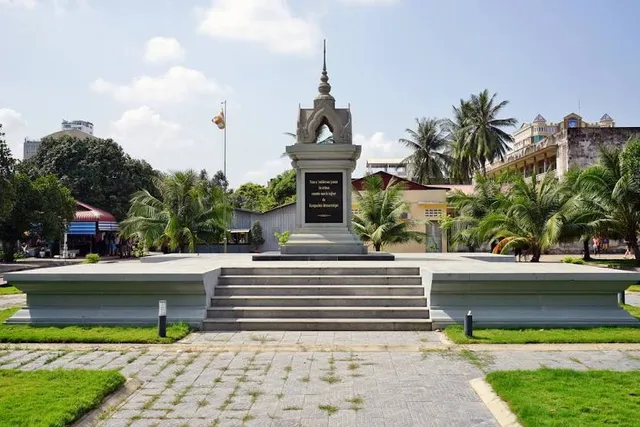
Basic Info
Tuol Sleng Genocide Museum
Street 113, 3, Phnom Penh, Cambodia
4.6(4.9K)
Open until 5:00 PM

tickets
Save
spot
spot
Ratings & Description
Info
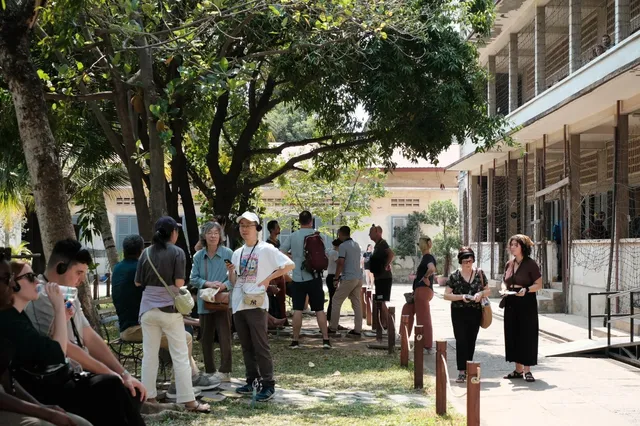
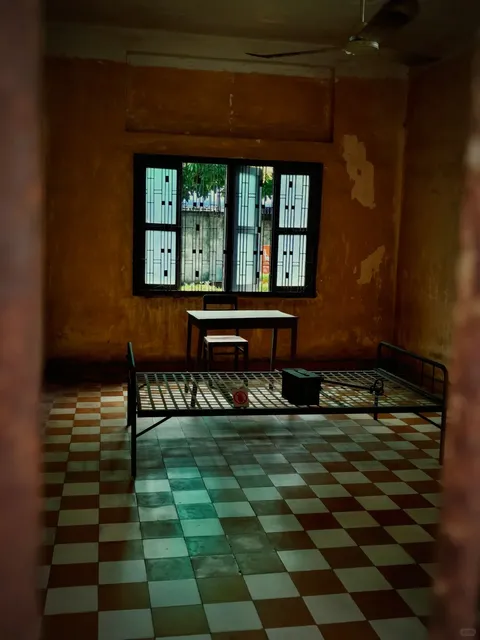
The Tuol Sleng Genocide Museum or simply Tuol Sleng is a museum chronicling the Cambodian genocide. Located in Phnom Penh, the site is a former secondary school which was used as Security Prison 21 by the Khmer Rouge regime from 1975 until its fall in 1979.
Cultural
Accessibility
attractions: , restaurants: Coala Collab Cafe x Toss It!, Pasta Corner 360 Toul Sleng, Lotus Dosa Corner Phnom Penh - தமிழர் உணவகம், Kengkong Restaurant, Boran House Phnom Penh ផ្ទះបុរាណ ភ្នំពេញ, Coconut Coffee Family - គ្រួសារកាហ្វេដូង BKK3, TUBE COFFEE 310, THE RIBEYE HOUSE, បងម៉ាប់ អយស្ទ័រ 1, Hokke Yakiniku, local businesses: Tath Nika Shiatsu and Anma Massage Center (formerly known as Nika's Seeing Hands Massage Therapy Center), Indian Mart, Moha Montrei Pagoda, Russian Market / Tuol Tompoung Market, Boeung Keng Kang Market, J-Tower II, ZANDO The Concept Store (BKK1), Bkk1(pp), J-Tower
 Learn more insights from Wanderboat AI.
Phone
+855 77 252 121
Website
tuolsleng.gov.kh
Open hoursSee all hours
Sun8 AM - 5 PMOpen
Plan your stay

Pet-friendly Hotels in Khan Boeng Keng Kang
Find a cozy hotel nearby and make it a full experience.

Affordable Hotels in Khan Boeng Keng Kang
Find a cozy hotel nearby and make it a full experience.

The Coolest Hotels You Haven't Heard Of (Yet)
Find a cozy hotel nearby and make it a full experience.

Trending Stays Worth the Hype in Khan Boeng Keng Kang
Find a cozy hotel nearby and make it a full experience.
Reviews
Live events
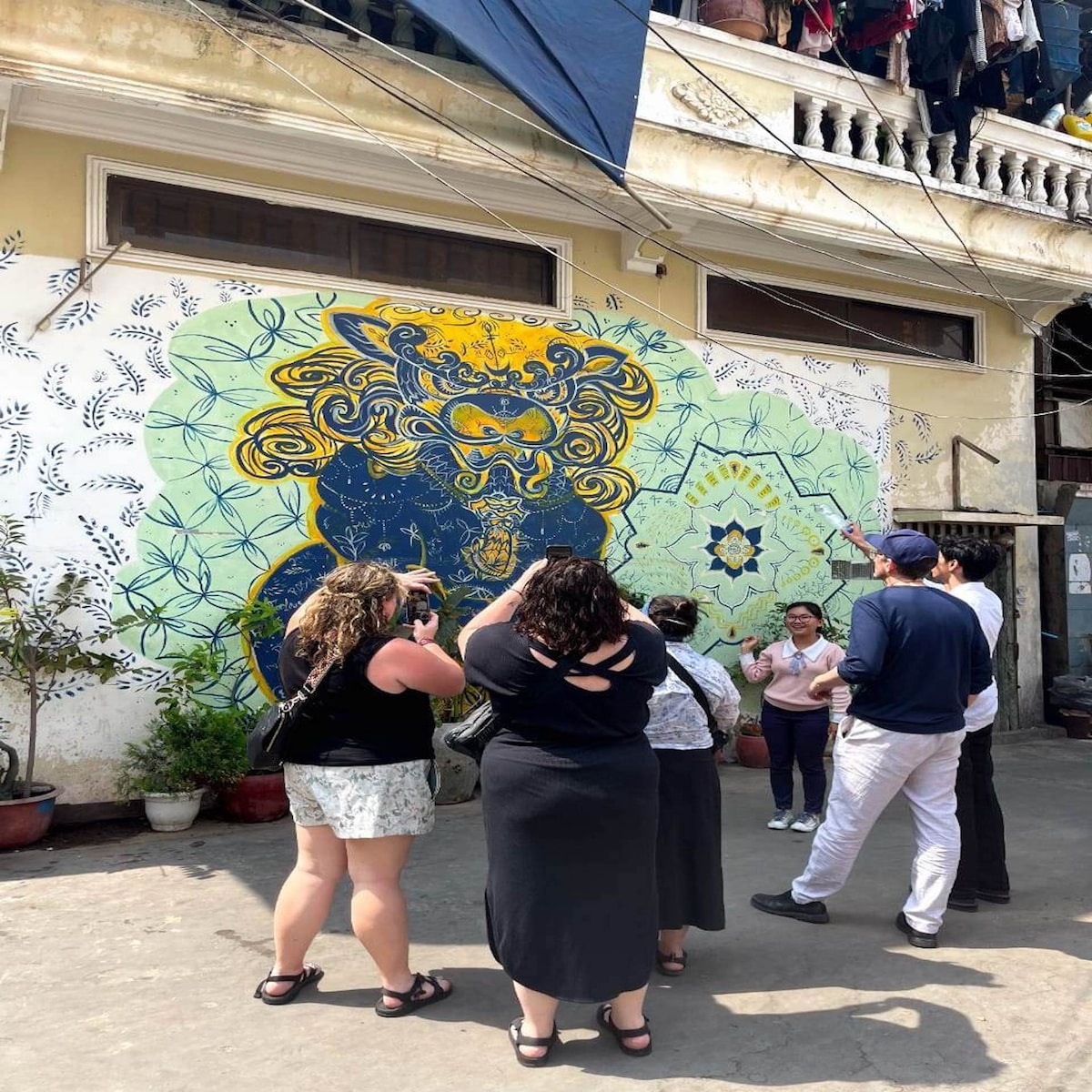
Phnom Penh Morning Market & Street Art Tour
Sun, Feb 22 • 8:30 AM
Phnom Penh, Phnom Penh 120211, Cambodia
View details
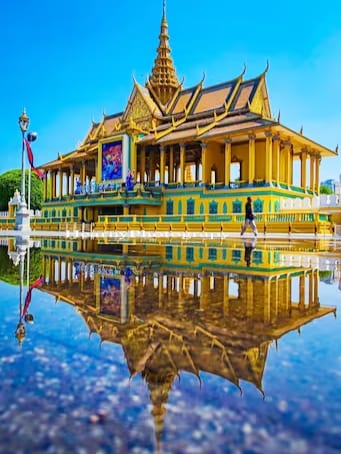
Walking Highlight City Tour
Sat, Feb 28 • 8:00 AM
Phnom Penh, Phnom Penh -, Cambodia
View details
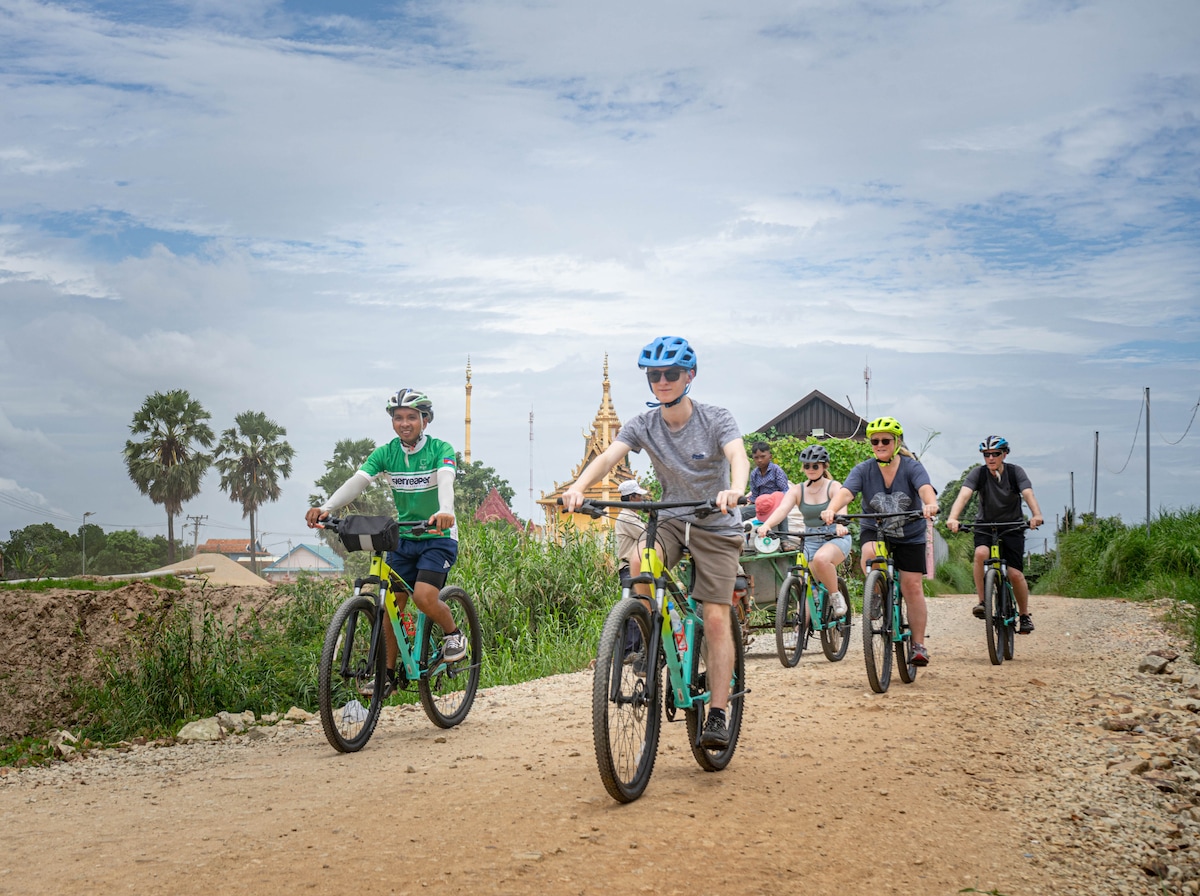
Phnom Penh Silk Island cycling tour
Thu, Feb 26 • 8:00 AM
Phnom Penh, Phnom Penh 120205, Cambodia
View details
Nearby restaurants of Tuol Sleng Genocide Museum
Coala Collab Cafe x Toss It!
Pasta Corner 360 Toul Sleng
Lotus Dosa Corner Phnom Penh - தமிழர் உணவகம்
Kengkong Restaurant
Boran House Phnom Penh ផ្ទះបុរាណ ភ្នំពេញ
Coconut Coffee Family - គ្រួសារកាហ្វេដូង BKK3
TUBE COFFEE 310
THE RIBEYE HOUSE
បងម៉ាប់ អយស្ទ័រ 1
Hokke Yakiniku
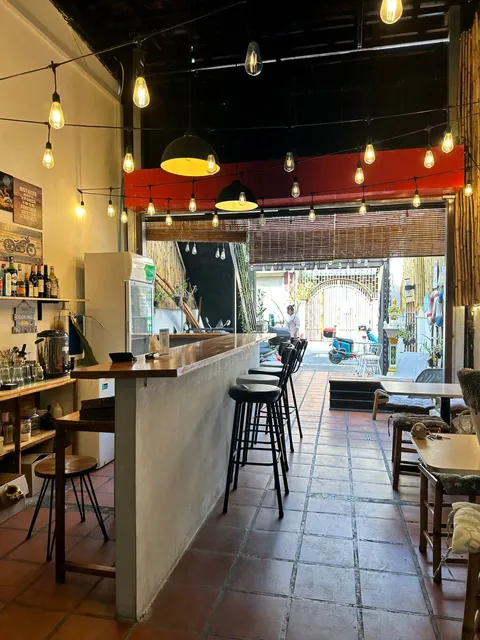
Coala Collab Cafe x Toss It!
4.7
(204)
Open until 8:00 PM
Click for details
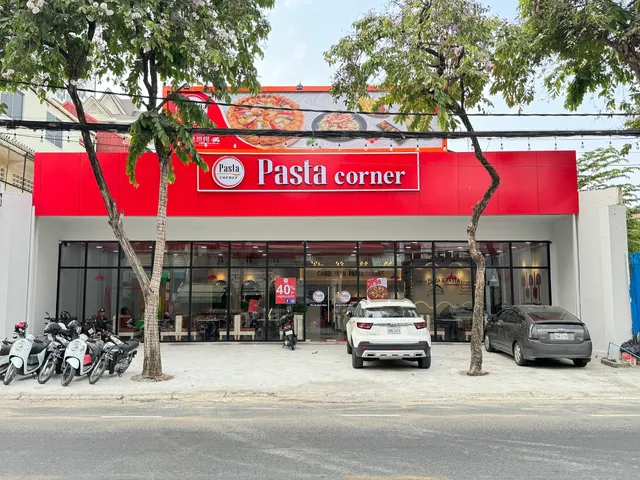
Pasta Corner 360 Toul Sleng
4.5
(31)
Open until 10:00 PM
Click for details
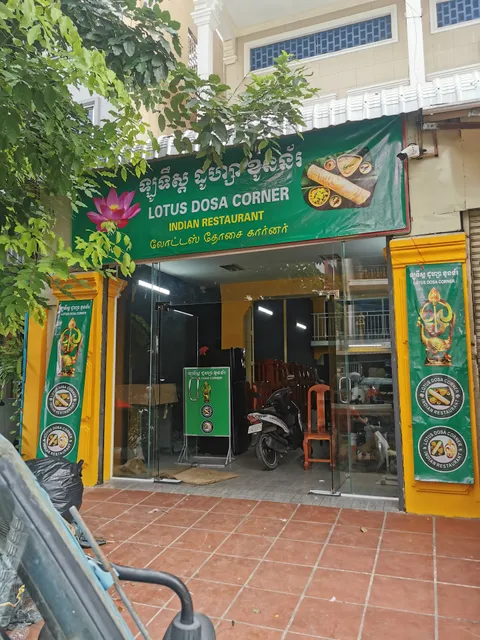
Lotus Dosa Corner Phnom Penh - தமிழர் உணவகம்
4.8
(232)
Click for details
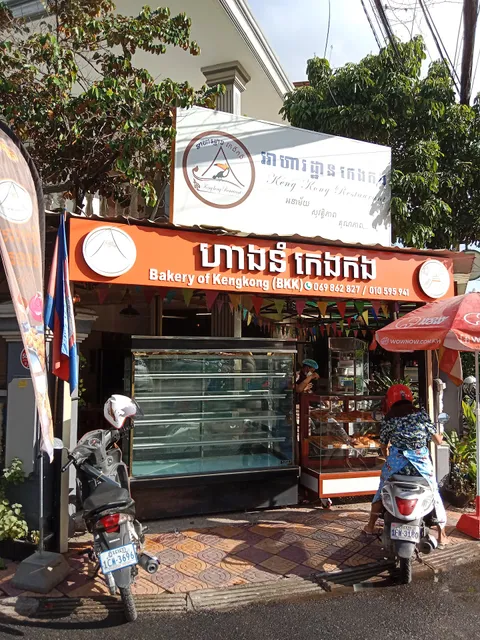
Kengkong Restaurant
4.8
(259)
Open until 6:30 PM
Click for details
Nearby local services of Tuol Sleng Genocide Museum
Tath Nika Shiatsu and Anma Massage Center (formerly known as Nika's Seeing Hands Massage Therapy Center)
Indian Mart
Moha Montrei Pagoda
Russian Market / Tuol Tompoung Market
Boeung Keng Kang Market
J-Tower II
ZANDO The Concept Store (BKK1)
Bkk1(pp)
J-Tower
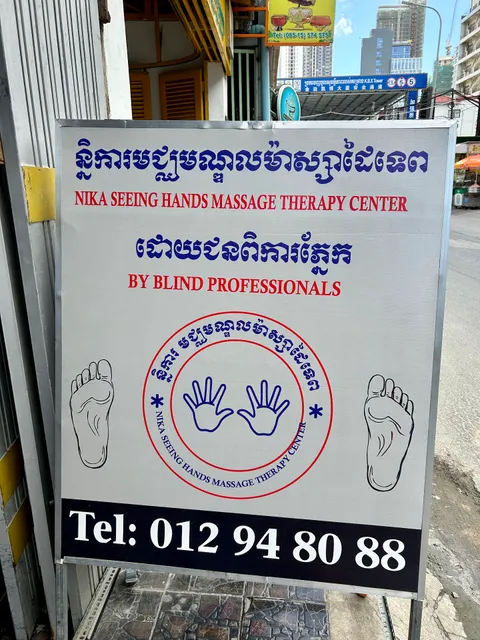
Tath Nika Shiatsu and Anma Massage Center (formerly known as Nika's Seeing Hands Massage Therapy Center)
4.6
(187)
Click for details
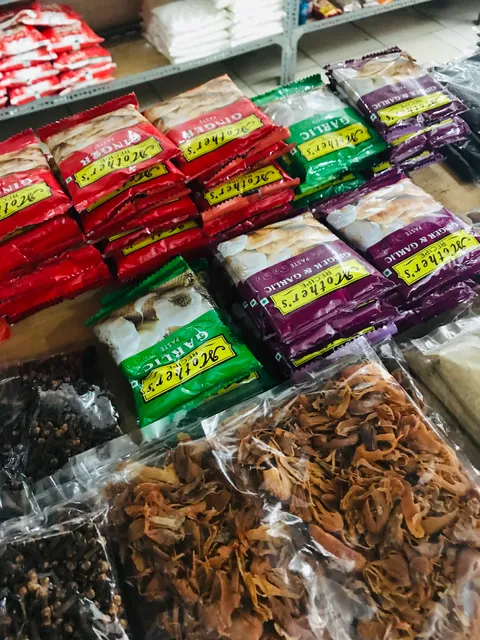
Indian Mart
4.4
(133)
Click for details
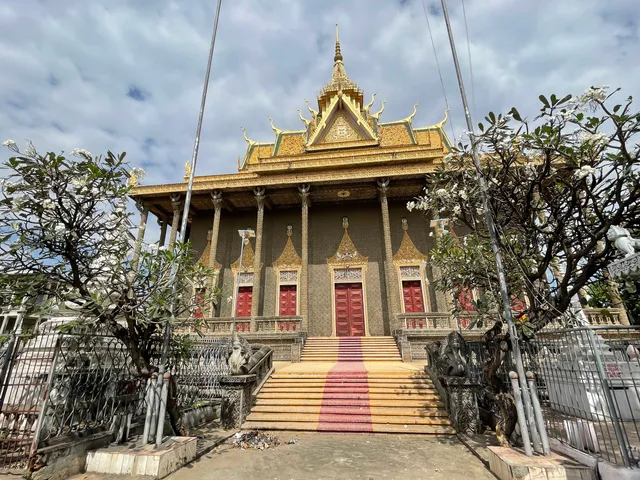
Moha Montrei Pagoda
4.3
(375)
Click for details
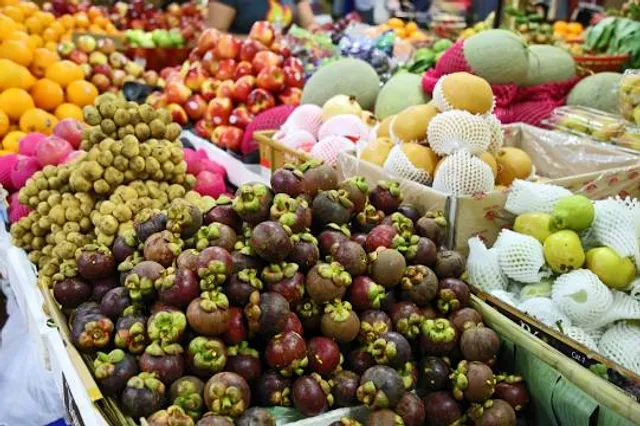
Russian Market / Tuol Tompoung Market
4.1
(3.6K)
Click for details