HTML SitemapExplore
logo
Find Things to DoFind The Best Restaurants

Japanese Garden — Attraction in Colwood

Name
Japanese Garden
Description
Nearby attractions
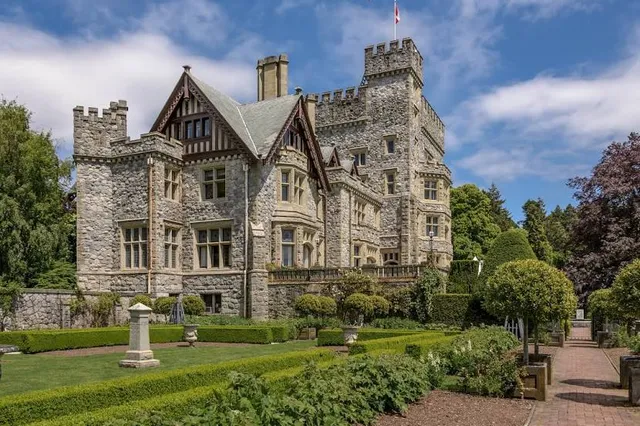
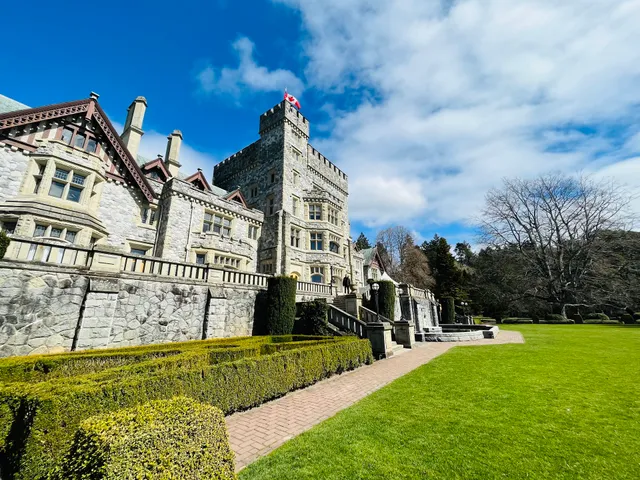
Hatley Castle
2005 Sooke Rd, Victoria, BC V9B 5Y2, Canada
Royal Roads University
2005 Sooke Rd, Victoria, BC V9B 5Y2, Canada
Hatley Park National Historic Site
2005 Sooke Rd, Victoria, BC V9B 5Y2, Canada
Esquimalt Lagoon
Colwood, BC, Canada
Nearby restaurants
Habitat Café
University Dr, Colwood, BC V9B 5Y2, Canada
Green Leaf Vietnamese Bistro
1909 Sooke Rd #129, Colwood, BC V9B 1V8, Canada
Burger Crush, Sooke Road, Victoria BC
1901 Sooke Rd #116, Colwood, BC V9B 1V8, Canada
OPA! of Greece Colwood Corners
1903 Sooke Rd unit 100, Victoria, BC V9B 1V0, Canada
Tim Hortons
Esquimalt Expressmart, 177 Belmont Rd, Colwood, BC V9C 1A9, Canada
Nearby hotels
Related posts
Keywords
Japanese Garden tourism.Japanese Garden hotels.Japanese Garden bed and breakfast. flights to Japanese Garden.Japanese Garden attractions.Japanese Garden restaurants.Japanese Garden travel.Japanese Garden travel guide.Japanese Garden travel blog.Japanese Garden pictures.Japanese Garden photos.Japanese Garden travel tips.Japanese Garden maps.Japanese Garden things to do.
Japanese Garden things to do, attractions, restaurants, events info and trip planning
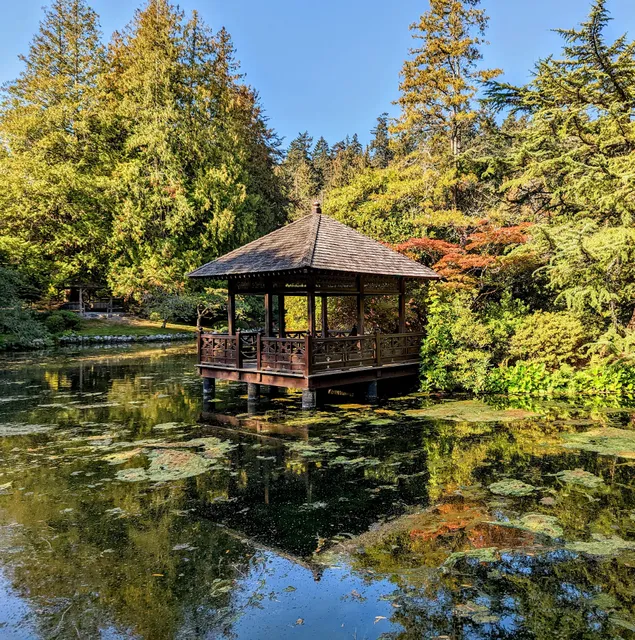
Japanese Garden
CanadaBritish ColumbiaColwoodJapanese Garden

Basic Info

Japanese Garden

Colwood, BC V9B 5Y2, Canada
4.7(30)
Open 24 hours
Save
spot

Ratings & Description

Info

Cultural
Outdoor
Relaxation
Scenic
Family friendly
Accessibility
attractions: Hatley Castle, Royal Roads University, Hatley Park National Historic Site, Esquimalt Lagoon, restaurants: Habitat Café, Green Leaf Vietnamese Bistro, Burger Crush, Sooke Road, Victoria BC, OPA! of Greece Colwood Corners, Tim Hortons
logoLearn more insights from Wanderboat AI.
Phone
+1 250-391-2511
Website
hatleypark.ca

Plan your stay

hotel
Pet-friendly Hotels in Colwood
Find a cozy hotel nearby and make it a full experience.

hotel
Affordable Hotels in Colwood
Find a cozy hotel nearby and make it a full experience.

hotel
The Coolest Hotels You Haven't Heard Of (Yet)
Find a cozy hotel nearby and make it a full experience.

hotel
Trending Stays Worth the Hype in Colwood
Find a cozy hotel nearby and make it a full experience.

Reviews

Nearby attractions of Japanese Garden

Hatley Castle

Royal Roads University

Hatley Park National Historic Site

Esquimalt Lagoon

Hatley Castle

Hatley Castle

4.6

(1.8K)

Open 24 hours
Click for details
Royal Roads University

Royal Roads University

4.4

(192)

Open 24 hours
Click for details
Hatley Park National Historic Site

Hatley Park National Historic Site

4.7

(328)

Open 24 hours
Click for details
Esquimalt Lagoon

Esquimalt Lagoon

4.8

(160)

Open 24 hours
Click for details

Things to do nearby

Sail Coastal Waters with a Certified Instructor
Sun, Dec 7 • 11:00 AM
Sooke, British Columbia, V9Z 1M2, Canada
View details
Explore Victoria Old Town at Night
Sun, Dec 7 • 6:30 PM
Victoria, British Columbia, V8W 0E4, Canada
View details
Victoria Butterfly Gardens
Sun, Dec 7 • 10:00 AM
1461 Benvenuto Avenue, Brentwood Bay, V8M 1J5
View details

Nearby restaurants of Japanese Garden

Habitat Café

Green Leaf Vietnamese Bistro

Burger Crush, Sooke Road, Victoria BC

OPA! of Greece Colwood Corners

Tim Hortons

Habitat Café

Habitat Café

4.0

(79)

Click for details
Green Leaf Vietnamese Bistro

Green Leaf Vietnamese Bistro

4.3

(553)

Click for details
Burger Crush, Sooke Road, Victoria BC

Burger Crush, Sooke Road, Victoria BC

4.2

(141)

Click for details
OPA! of Greece Colwood Corners

OPA! of Greece Colwood Corners

4.7

(56)

Click for details
Get the Appoverlay
Get the AppOne tap to find yournext favorite spots!
Wanderboat LogoWanderboat

Your everyday Al companion for getaway ideas

CompanyAbout Us
InformationAI Trip PlannerSitemap
SocialXInstagramTiktokLinkedin
LegalTerms of ServicePrivacy Policy

Get the app

© 2025 Wanderboat. All rights reserved.
logo

Reviews of Japanese Garden

4.7
(30)
avatar
5.0
20w

Japanese gardens are designed landscapes that embody the aesthetics of traditional Japanese culture. They are renowned for their beauty, tranquility, and the careful attention to detail in their design and plant selection. Here are some details about what a Japanese garden typically contains and why they are famous:

Features of a Japanese Garden:

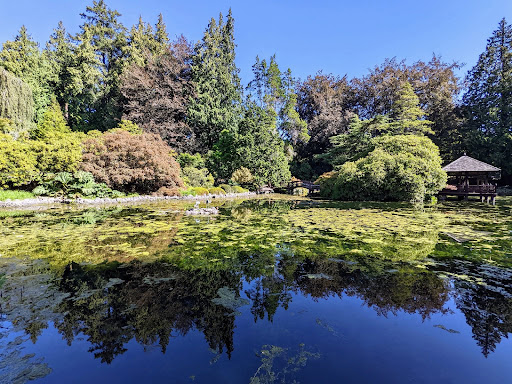
Water Elements: Ponds, streams, and waterfalls are common features. Water symbolizes purity and is often used to reflect the beauty of the surroundings.

Rocks and Gravel: Rocks are carefully placed to represent mountains or islands, and gravel is often raked to symbolize water ripples, adding to the garden's serene aesthetic.

Plants: A variety of plants are used, including evergreens, cherry blossoms, maples, and bamboo. Each plant is selected for its seasonal beauty and symbolic meaning.

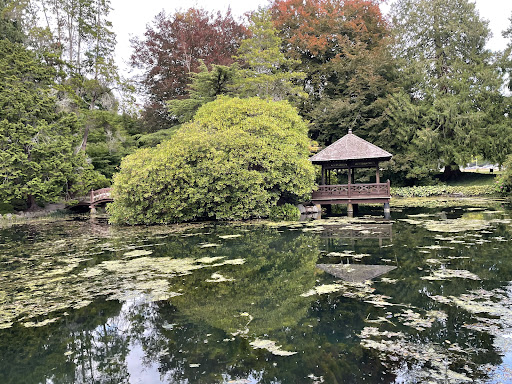
Bridges: Arched wooden bridges often cross ponds or streams, symbolizing the passage between different realms or stages of life.

Lanterns: Traditional stone lanterns (ishi-doro) are placed strategically throughout the garden, adding a sense of elegance and guiding the way during the evening.

Seating Areas: Benches or tea houses provide spaces for contemplation and relaxation, allowing visitors to fully immerse themselves in the garden's tranquility.

Pathways: Curving paths lead visitors through the garden, encouraging exploration and reflection. The winding nature of the paths often creates a sense of mystery.

Symbolic Elements: Many features are imbued with cultural symbolism, such as cranes for longevity or pine trees for resilience.

Reasons for Fame:

Aesthetic Beauty: Japanese gardens are celebrated for their breathtaking beauty and harmonious design, often viewed as living art that changes with the seasons.

Cultural Significance: They reflect deep philosophical and spiritual principles, including Zen Buddhism and Shinto beliefs, emphasizing a connection with nature.

Meditative Spaces: These gardens are designed to promote peace and contemplation, making them popular retreats for meditation and relaxation.

Cultural Heritage: Japanese gardens are an important part of Japan's cultural heritage and have influenced garden design worldwide Tourist Attractions: Many Japanese gardens are located in public parks, temples, and cultural sites, attracting visitors from around the world.

In summary, Japanese gardens are famous for their exquisite design, tranquil environments, and rich cultural meanings, making them a treasured aspect of both Japanese culture and global...

   Read more
avatar
5.0
1y

The Japanese Garden within the Hatley Castle Gardens is a serene and beautifully designed retreat that offers a peaceful escape into nature. Designed by renowned landscape architect Isamu Noguchi in the late 20th century, this garden embodies traditional Japanese aesthetics while incorporating local flora. The garden's rich history reflects Japan and Canada's cultural exchange and appreciation.

Open year-round, the hours of operation for the Japanese Garden typically align with the castle’s visiting hours, generally from 10 AM to 4 PM. Check the official website for seasonal updates. Parking is conveniently available at Hatley Castle, though it can fill up quickly during peak visiting times, so it’s best to arrive early.

As you stroll through the garden, look for various wildlife, including colourful birds, butterflies, and even the occasional rabbit. The lush landscape features a diverse range of species of flowers, plants, and trees, including cherry blossom trees, vibrant azaleas, Japanese maples, and delicate ferns. The cherry blossoms typically bloom in early April, providing a stunning display that attracts many visitors.

Unique spots within the Japanese Garden include the picturesque koi pond, a quaint tea house, and beautifully arranged rock formations that enhance the tranquil atmosphere. Be sure to pause at the red bridge, which offers a perfect view of the pond and its inhabitants.

When visiting, it’s best to wear comfortable walking shoes, as the paths can be uneven. Dressing in layers is also advisable, as temperatures can vary throughout the day.

For safety, tread carefully on the stone pathways and respect the garden’s delicate flora. Restrooms are located near the visitor center at Hatley Castle, making them easy to access before or after your visit to the garden.

The Japanese Garden is a great reason to visit Hatley Castle, offering tranquillity and beauty amidst nature. A unique trail leads visitors down to the Japanese Garden from the central castle gardens, winding through lush greenery and past seasonal blooms.

The entire garden typically comes alive with colour from late spring through early summer, with various flowers and plants blooming in succession. If you’re looking for a peaceful retreat filled with stunning landscapes and a touch of cultural history, the Japanese Garden at Hatley Castle is an...

   Read more
avatar
3.0
2y

Good location for a walk. A bit disappointed though, for a Japanese garden I would have expected it to be much better maintained. Perhaps this was due to visiting during the summer in the off-season, but the plants and pond seemed quite overgrown and poorly kept. Unfortunately we weren't able to visit the adjacent building either since it was closed.

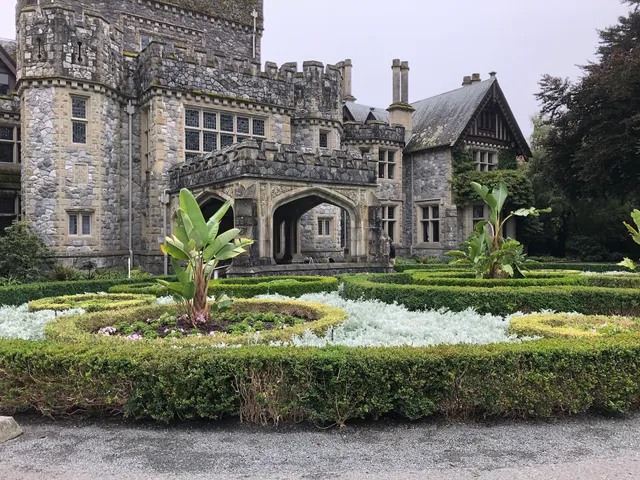
The neighbouring Italian Garden outside the Hatley Castle was much more impressive, I highly reccomend checking that out too if you're...

   Read more
Page 1 of 7
Previous
Next

Posts

shamsan alammarishamsan alammari
Japanese gardens are designed landscapes that embody the aesthetics of traditional Japanese culture. They are renowned for their beauty, tranquility, and the careful attention to detail in their design and plant selection. Here are some details about what a Japanese garden typically contains and why they are famous: Features of a Japanese Garden: 1. Water Elements: Ponds, streams, and waterfalls are common features. Water symbolizes purity and is often used to reflect the beauty of the surroundings. 2. Rocks and Gravel: Rocks are carefully placed to represent mountains or islands, and gravel is often raked to symbolize water ripples, adding to the garden's serene aesthetic. 3. Plants: A variety of plants are used, including evergreens, cherry blossoms, maples, and bamboo. Each plant is selected for its seasonal beauty and symbolic meaning. 4. Bridges: Arched wooden bridges often cross ponds or streams, symbolizing the passage between different realms or stages of life. 5. Lanterns: Traditional stone lanterns (ishi-doro) are placed strategically throughout the garden, adding a sense of elegance and guiding the way during the evening. 6. Seating Areas: Benches or tea houses provide spaces for contemplation and relaxation, allowing visitors to fully immerse themselves in the garden's tranquility. 7. Pathways: Curving paths lead visitors through the garden, encouraging exploration and reflection. The winding nature of the paths often creates a sense of mystery. 8. Symbolic Elements: Many features are imbued with cultural symbolism, such as cranes for longevity or pine trees for resilience. Reasons for Fame: Aesthetic Beauty: Japanese gardens are celebrated for their breathtaking beauty and harmonious design, often viewed as living art that changes with the seasons. Cultural Significance: They reflect deep philosophical and spiritual principles, including Zen Buddhism and Shinto beliefs, emphasizing a connection with nature. Meditative Spaces: These gardens are designed to promote peace and contemplation, making them popular retreats for meditation and relaxation. - **Cultural Heritage**: Japanese gardens are an important part of Japan's cultural heritage and have influenced garden design worldwide Tourist Attractions: Many Japanese gardens are located in public parks, temples, and cultural sites, attracting visitors from around the world. In summary, Japanese gardens are famous for their exquisite design, tranquil environments, and rich cultural meanings, making them a treasured aspect of both Japanese culture and global landscape design.
Joshua KunihiroJoshua Kunihiro
Good location for a walk. A bit disappointed though, for a Japanese garden I would have expected it to be much better maintained. Perhaps this was due to visiting during the summer in the off-season, but the plants and pond seemed quite overgrown and poorly kept. Unfortunately we weren't able to visit the adjacent building either since it was closed. The neighbouring Italian Garden outside the Hatley Castle was much more impressive, I highly reccomend checking that out too if you're in the area.
Herbert BetschartHerbert Betschart
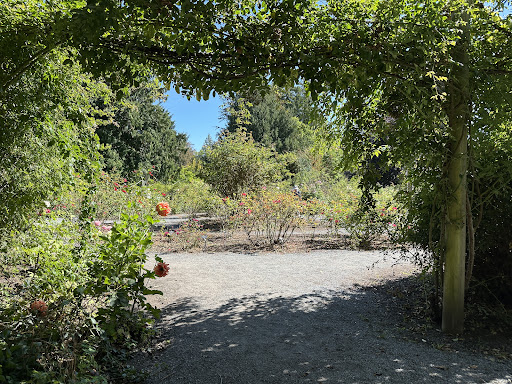
PROS: -Walking through this Japanese park was a peaceful and tranquil experience. -Many nice water features. -Nicely landscaped CONS: -Weed control in the rose garden is lacking. Thistles are flourishing. OVERAL IMPRESSION Well done park. It's very peaceful to walk around d this fully treed park. Worthwhile to visit.
See more posts
See more posts
hotel
Find your stay

Pet-friendly Hotels in Colwood

Find a cozy hotel nearby and make it a full experience.

Japanese gardens are designed landscapes that embody the aesthetics of traditional Japanese culture. They are renowned for their beauty, tranquility, and the careful attention to detail in their design and plant selection. Here are some details about what a Japanese garden typically contains and why they are famous: Features of a Japanese Garden: 1. Water Elements: Ponds, streams, and waterfalls are common features. Water symbolizes purity and is often used to reflect the beauty of the surroundings. 2. Rocks and Gravel: Rocks are carefully placed to represent mountains or islands, and gravel is often raked to symbolize water ripples, adding to the garden's serene aesthetic. 3. Plants: A variety of plants are used, including evergreens, cherry blossoms, maples, and bamboo. Each plant is selected for its seasonal beauty and symbolic meaning. 4. Bridges: Arched wooden bridges often cross ponds or streams, symbolizing the passage between different realms or stages of life. 5. Lanterns: Traditional stone lanterns (ishi-doro) are placed strategically throughout the garden, adding a sense of elegance and guiding the way during the evening. 6. Seating Areas: Benches or tea houses provide spaces for contemplation and relaxation, allowing visitors to fully immerse themselves in the garden's tranquility. 7. Pathways: Curving paths lead visitors through the garden, encouraging exploration and reflection. The winding nature of the paths often creates a sense of mystery. 8. Symbolic Elements: Many features are imbued with cultural symbolism, such as cranes for longevity or pine trees for resilience. Reasons for Fame: Aesthetic Beauty: Japanese gardens are celebrated for their breathtaking beauty and harmonious design, often viewed as living art that changes with the seasons. Cultural Significance: They reflect deep philosophical and spiritual principles, including Zen Buddhism and Shinto beliefs, emphasizing a connection with nature. Meditative Spaces: These gardens are designed to promote peace and contemplation, making them popular retreats for meditation and relaxation. - **Cultural Heritage**: Japanese gardens are an important part of Japan's cultural heritage and have influenced garden design worldwide Tourist Attractions: Many Japanese gardens are located in public parks, temples, and cultural sites, attracting visitors from around the world. In summary, Japanese gardens are famous for their exquisite design, tranquil environments, and rich cultural meanings, making them a treasured aspect of both Japanese culture and global landscape design.
shamsan alammari

shamsan alammari

hotel
Find your stay

Affordable Hotels in Colwood

Find a cozy hotel nearby and make it a full experience.

Get the Appoverlay
Get the AppOne tap to find yournext favorite spots!
Good location for a walk. A bit disappointed though, for a Japanese garden I would have expected it to be much better maintained. Perhaps this was due to visiting during the summer in the off-season, but the plants and pond seemed quite overgrown and poorly kept. Unfortunately we weren't able to visit the adjacent building either since it was closed. The neighbouring Italian Garden outside the Hatley Castle was much more impressive, I highly reccomend checking that out too if you're in the area.
Joshua Kunihiro

Joshua Kunihiro

hotel
Find your stay

The Coolest Hotels You Haven't Heard Of (Yet)

Find a cozy hotel nearby and make it a full experience.

hotel
Find your stay

Trending Stays Worth the Hype in Colwood

Find a cozy hotel nearby and make it a full experience.

PROS: -Walking through this Japanese park was a peaceful and tranquil experience. -Many nice water features. -Nicely landscaped CONS: -Weed control in the rose garden is lacking. Thistles are flourishing. OVERAL IMPRESSION Well done park. It's very peaceful to walk around d this fully treed park. Worthwhile to visit.
Herbert Betschart

Herbert Betschart

See more posts
See more posts