Pier 4 Park things to do, attractions, restaurants, events info and trip planning
Basic Info
Pier 4 Park
64 Leander Dr, Hamilton, ON L8L 1N6, Canada
4.6(1.2K)
Open until 12:00 AM
Save
spot
spot
Ratings & Description
Info
Outdoor
Family friendly
Pet friendly
attractions: Pier 4 Tugboat Playground, Bayfront Park, Hamilton Harbour Waterfront Trail, Pier 7 Boardwalk, Hamilton Waterfront Trust, Theodore Tugboat- Hamilton, ON, Bayfront Park Lookout Area, HMCS Haida, Workers Arts & Heritage Centre, Eastwood Arena, restaurants: Grandad's Coffee and Donuts, Fisher's Pier 4 Pub, Williams Fresh Cafe, Hutch's Harbour Front, Our Corner, local businesses: Outdoor Skating Rink at Pier 8, HMCS Haida National Historic Site
 Learn more insights from Wanderboat AI.
Phone
+1 905-546-2489
Website
hamilton.ca
Open hoursSee all hours
WedOpen 24 hoursOpen
Plan your stay

Pet-friendly Hotels in Hamilton
Find a cozy hotel nearby and make it a full experience.

Affordable Hotels in Hamilton
Find a cozy hotel nearby and make it a full experience.

The Coolest Hotels You Haven't Heard Of (Yet)
Find a cozy hotel nearby and make it a full experience.

Trending Stays Worth the Hype in Hamilton
Find a cozy hotel nearby and make it a full experience.
Reviews
Live events

Candlelight: Tribute to British Rock Legends
Sat, Feb 28 • 8:45 PM
1014 King Street West, Hamilton, L8S 1L4
View details
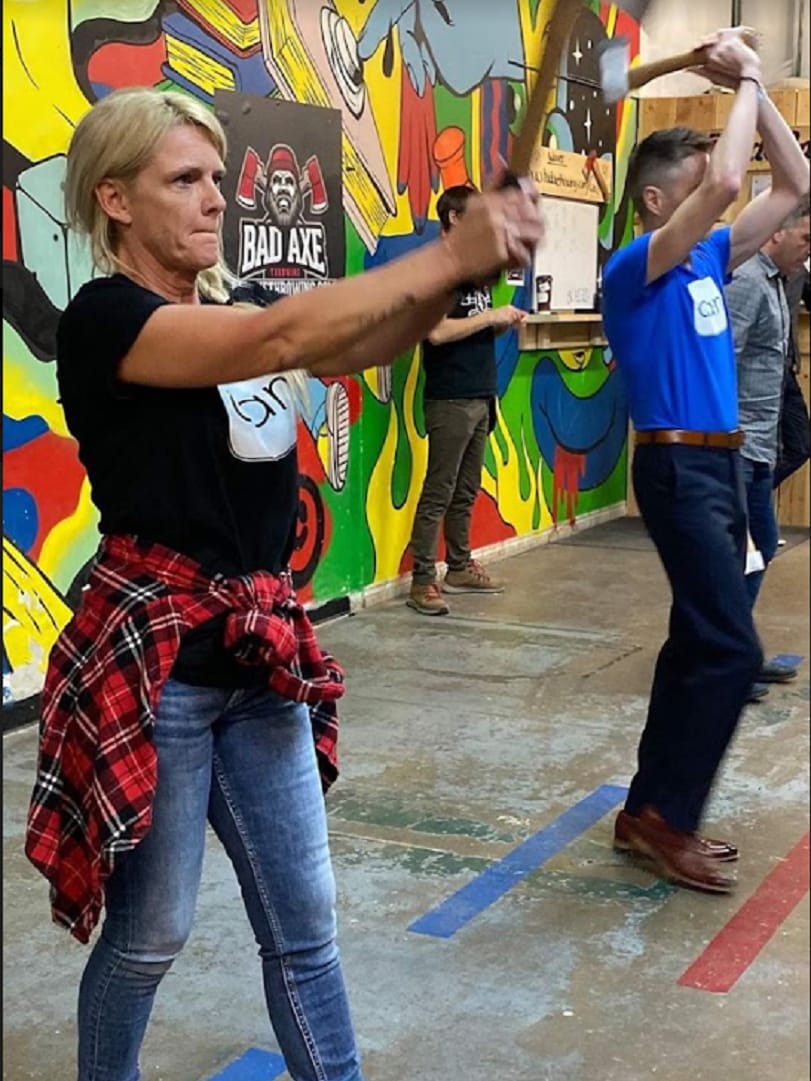
Axe Throwing Experience in Burlington
Fri, Feb 27 • 6:00 PM
Burlington, Ontario, L7R 2E4, Canada
View details

Hamilton, Ontario Murder Mystery: Solve the case!
Sun, Feb 1 • 12:00 AM
1280 Main St W, Hamilton, ON L8S 4L8, Canada, L8S 4L8
View details
Nearby attractions of Pier 4 Park
Pier 4 Tugboat Playground
Bayfront Park
Hamilton Harbour Waterfront Trail
Pier 7 Boardwalk
Hamilton Waterfront Trust
Theodore Tugboat- Hamilton, ON
Bayfront Park Lookout Area
HMCS Haida
Workers Arts & Heritage Centre
Eastwood Arena
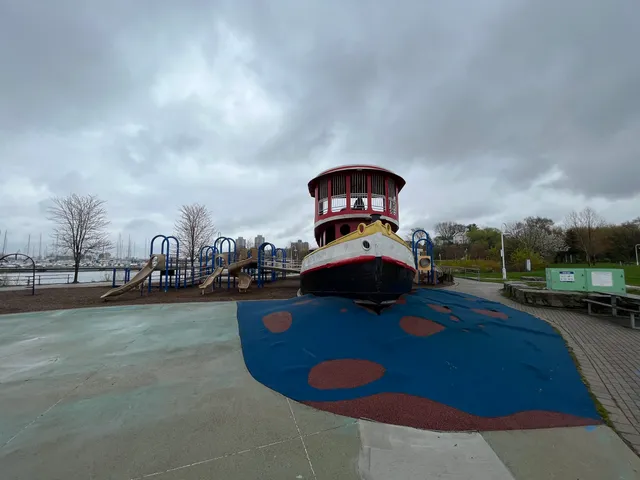
Pier 4 Tugboat Playground
4.4
(16)
Open 24 hours
Click for details
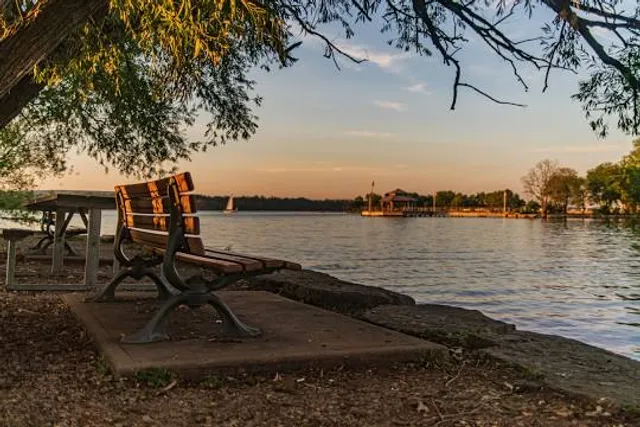
Bayfront Park
4.6
(2.8K)
Open until 12:00 AM
Click for details
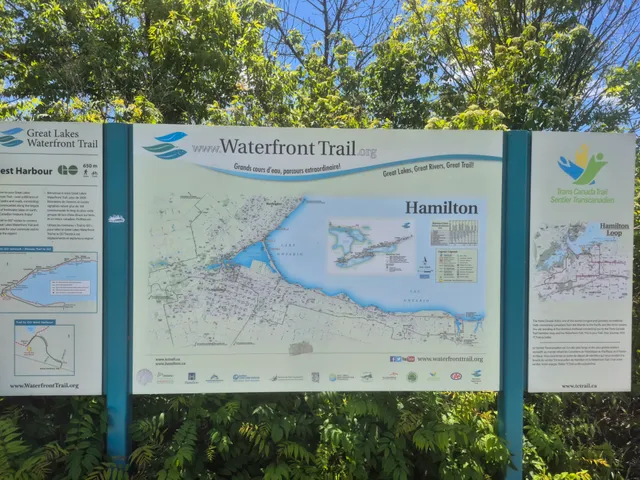
Hamilton Harbour Waterfront Trail
4.7
(176)
Open until 12:00 AM
Click for details

Pier 7 Boardwalk
4.5
(148)
Open 24 hours
Click for details
Nearby restaurants of Pier 4 Park
Grandad's Coffee and Donuts
Fisher's Pier 4 Pub
Williams Fresh Cafe
Hutch's Harbour Front
Our Corner

Grandad's Coffee and Donuts
4.6
(1.5K)
$
Open until 12:00 AM
Click for details
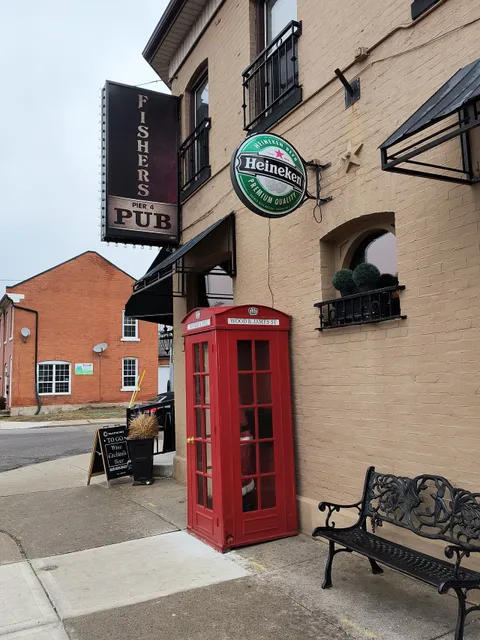
Fisher's Pier 4 Pub
4.5
(471)
Open until 11:00 PM
Click for details
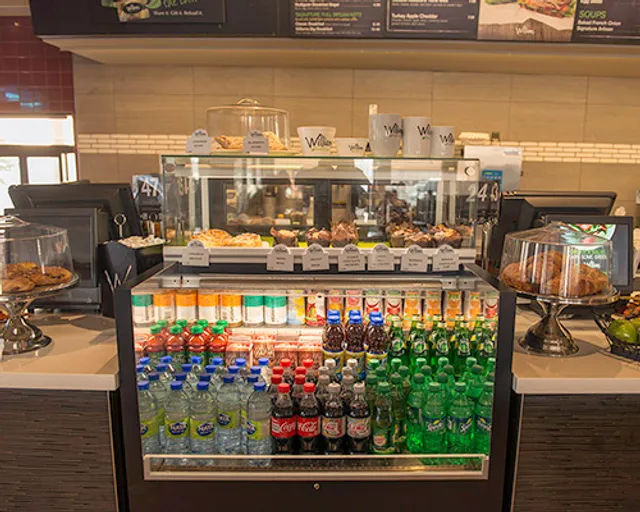
Williams Fresh Cafe
4.0
(1.3K)
Open until 9:00 PM
Click for details
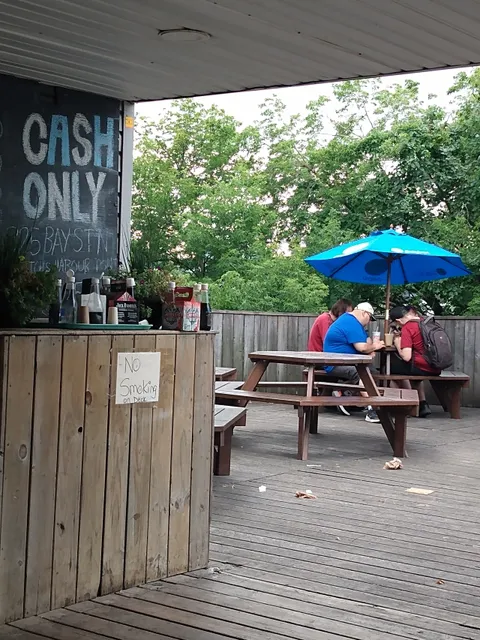
Hutch's Harbour Front
3.9
(609)
Open until 9:00 PM
Click for details
Nearby local services of Pier 4 Park
Outdoor Skating Rink at Pier 8
HMCS Haida National Historic Site
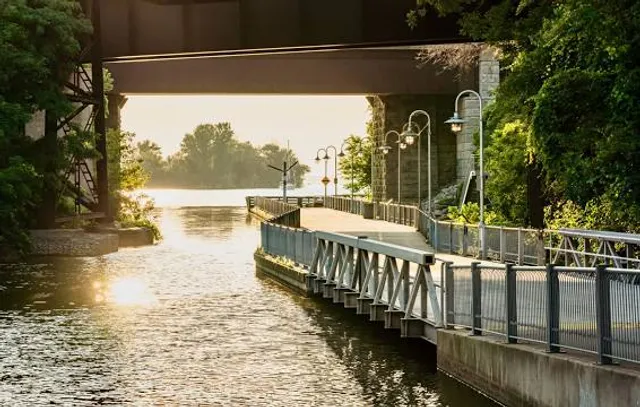
Outdoor Skating Rink at Pier 8
4.5
(427)
Click for details
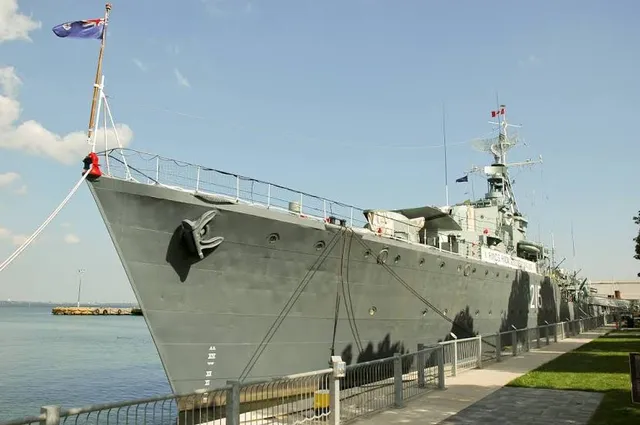
HMCS Haida National Historic Site
4.8
(700)
Click for details