HTML SitemapExplore
logo
Find Things to DoFind The Best Restaurants

Totem Poles — Attraction in Vancouver

Name
Totem Poles
Description
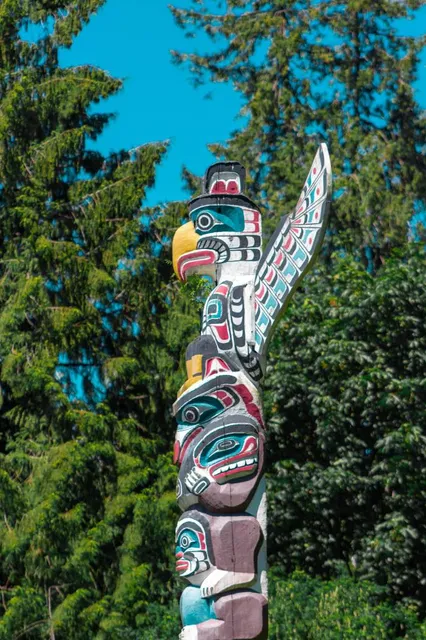
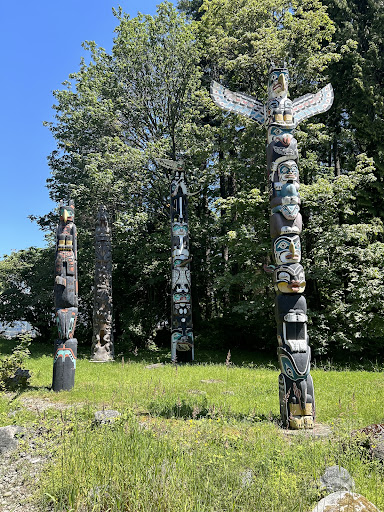
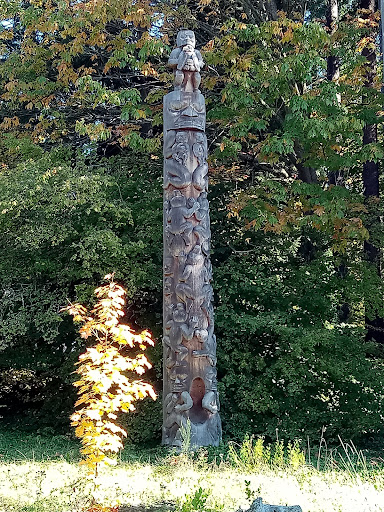
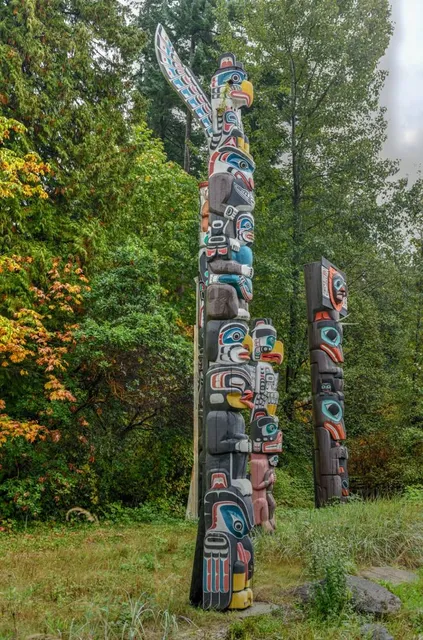
Totem poles are monumental carvings found in western Canada and the northwestern United States. They are a type of Northwest Coast art, consisting of poles, posts or pillars, carved with symbols or figures.
Nearby attractions
Hallelujah Point
1978 Stanley Park Dr, Vancouver, BC V6G 3E2, Canada
Brockton Point Totem Pole
Brockton Point Trail, Vancouver, BC V6G 3G1, Canada
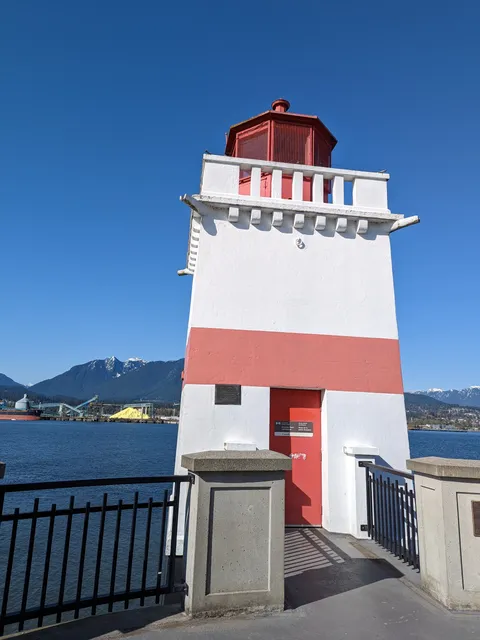
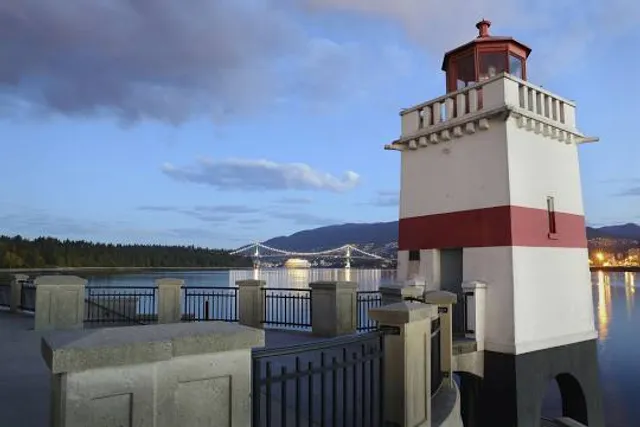
Brockton Point Lighthouse
Vancouver, BC V6G 3E2, Canada
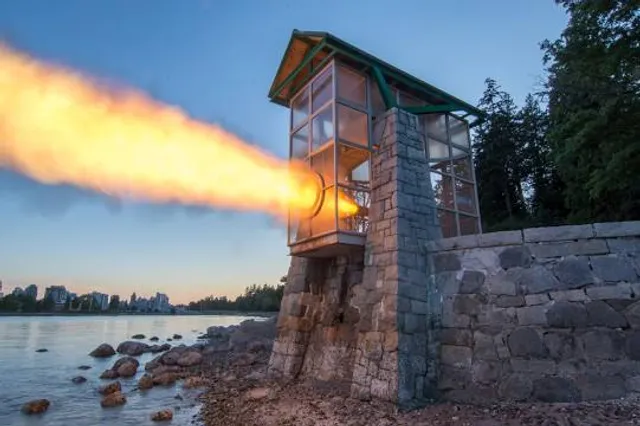
Nine O'Clock Gun
Stanley Park Dr, Vancouver, BC V6G 3E2, Canada
Harry Jerome Statue (Jack Harman, 1986)
1351-1475 Stanley Park Dr, Vancouver, BC V6G 3E2, Canada
HMCS Discovery Cairn
Vancouver, BC V6G 3H5, Canada
Vancouver Seawall
Vancouver, BC V6G 3E2, Canada
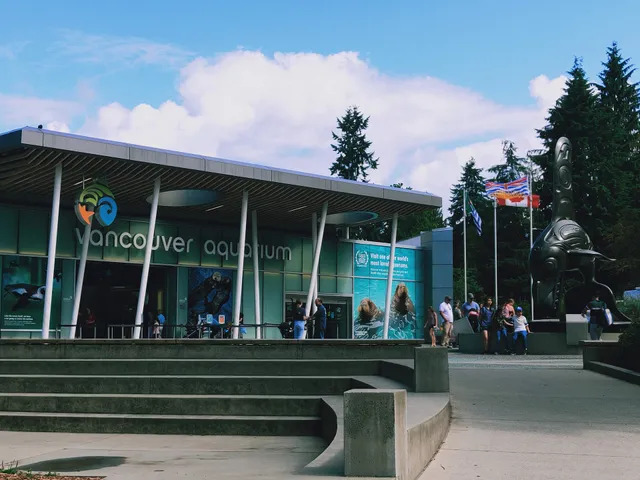
Vancouver Aquarium
845 Avison Way, Vancouver, BC V6G 3E2, Canada
Girl in Wetsuit
2743 Stanley Park Dr, Vancouver, BC V6G 3E2, Canada
Naval Museum at H.M.C.S. Discovery
1200 Stanley Park Dr, Vancouver, BC V6G 3C7, Canada
Nearby restaurants
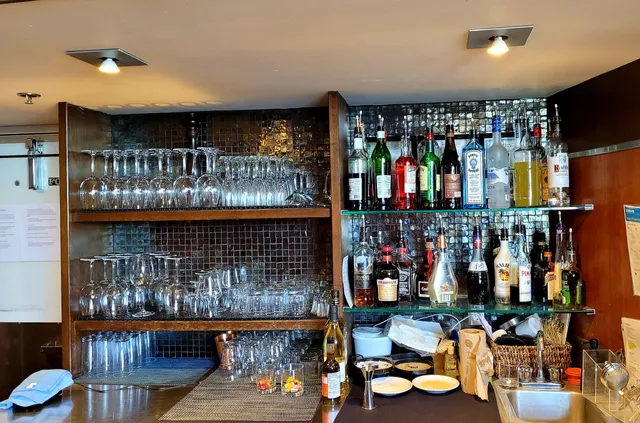
Lift Bar Grill View - Downtown Vancouver
333 Menchions Mews, Vancouver, BC V6G 3H2, Canada
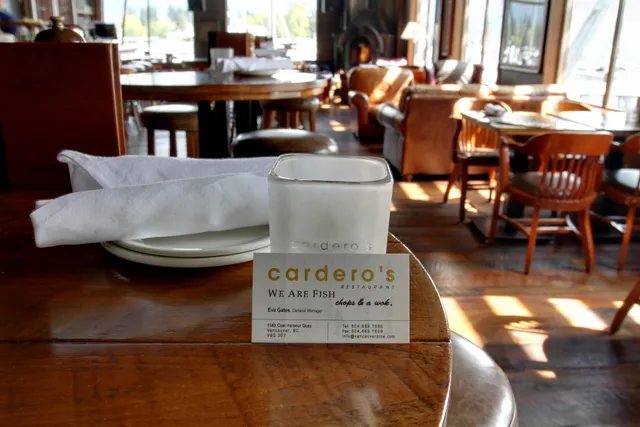
Cardero's Restaurant
1583 Coal Harbour Quay, Vancouver, BC V6G 3J7, Canada
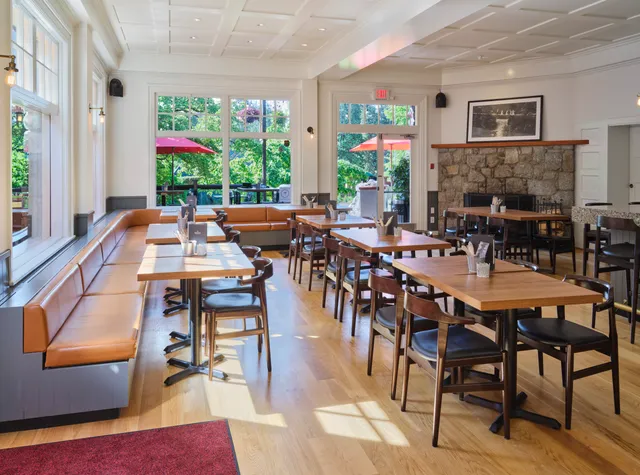
Stanley's Bar & Grill
610 Pipeline Rd, Vancouver, BC V6G 3E2, Canada
Lumberman's Arch Concession
3250 Stanley Park Dr, Vancouver, BC V6G 3E2, Canada
H2 Kitchen + Bar
1601 Bayshore Dr., Vancouver, BC V6G 2V4, Canada
Railway Cafe Concession
650 Pipeline Rd, Vancouver, BC V6G 3E2, Canada
Nearby hotels
The Westin Bayshore, Vancouver
1601 Bayshore Dr., Vancouver, BC V6G 2V4, Canada
Related posts
Keywords
Totem Poles tourism.Totem Poles hotels.Totem Poles bed and breakfast. flights to Totem Poles.Totem Poles attractions.Totem Poles restaurants.Totem Poles travel.Totem Poles travel guide.Totem Poles travel blog.Totem Poles pictures.Totem Poles photos.Totem Poles travel tips.Totem Poles maps.Totem Poles things to do.
Totem Poles things to do, attractions, restaurants, events info and trip planning
Totem Poles
CanadaBritish ColumbiaVancouverTotem Poles

Basic Info

Totem Poles

Vancouver, BC V6G 3G1, Canada
4.5(3.2K)
Open 24 hours
Save
spot

Ratings & Description

Info

Totem poles are monumental carvings found in western Canada and the northwestern United States. They are a type of Northwest Coast art, consisting of poles, posts or pillars, carved with symbols or figures.

Cultural
Outdoor
Family friendly
attractions: Hallelujah Point, Brockton Point Totem Pole, Brockton Point Lighthouse, Nine O'Clock Gun, Harry Jerome Statue (Jack Harman, 1986), HMCS Discovery Cairn, Vancouver Seawall, Vancouver Aquarium, Girl in Wetsuit, Naval Museum at H.M.C.S. Discovery, restaurants: Lift Bar Grill View - Downtown Vancouver, Cardero's Restaurant, Stanley's Bar & Grill, Lumberman's Arch Concession, H2 Kitchen + Bar, Railway Cafe Concession
logoLearn more insights from Wanderboat AI.
Phone
+1 604-873-7000
Website
vancouver.ca

Plan your stay

hotel
Pet-friendly Hotels in Vancouver
Find a cozy hotel nearby and make it a full experience.
hotel
Affordable Hotels in Vancouver
Find a cozy hotel nearby and make it a full experience.
hotel
The Coolest Hotels You Haven't Heard Of (Yet)
Find a cozy hotel nearby and make it a full experience.
hotel
Trending Stays Worth the Hype in Vancouver
Find a cozy hotel nearby and make it a full experience.

Reviews

Nearby attractions of Totem Poles

Hallelujah Point

Brockton Point Totem Pole

Brockton Point Lighthouse

Nine O'Clock Gun

Harry Jerome Statue (Jack Harman, 1986)

HMCS Discovery Cairn

Vancouver Seawall

Vancouver Aquarium

Girl in Wetsuit

Naval Museum at H.M.C.S. Discovery

Hallelujah Point

Hallelujah Point

4.7

(110)

Open until 12:00 AM
Click for details
Brockton Point Totem Pole

Brockton Point Totem Pole

4.4

(9)

Closed
Click for details
Brockton Point Lighthouse

Brockton Point Lighthouse

4.6

(799)

Open 24 hours
Click for details
Nine O'Clock Gun

Nine O'Clock Gun

4.6

(203)

Open 24 hours
Click for details

Things to do nearby

Masterclass Dumplings
Fri, Dec 5 • 1:00 PM
Vancouver, British Columbia, V6A 2T4, Canada
View details
Hike with Goats on Bowen Island
Sat, Dec 6 • 10:00 AM
Bowen Island, British Columbia, V0N, Canada
View details
Hike the Vancouver rainforest with waterfalls
Sun, Dec 7 • 8:30 AM
Vancouver, British Columbia, V6R 2M9, Canada
View details

Nearby restaurants of Totem Poles

Lift Bar Grill View - Downtown Vancouver

Cardero's Restaurant

Stanley's Bar & Grill

Lumberman's Arch Concession

H2 Kitchen + Bar

Railway Cafe Concession

Lift Bar Grill View - Downtown Vancouver

Lift Bar Grill View - Downtown Vancouver

4.3

(987)

$$$

Click for details
Cardero's Restaurant

Cardero's Restaurant

4.5

(3K)

$$$

Closed
Click for details
Stanley's Bar & Grill

Stanley's Bar & Grill

4.2

(542)

Click for details
Lumberman's Arch Concession

Lumberman's Arch Concession

4.1

(124)

$

Click for details
Get the Appoverlay
Get the AppOne tap to find yournext favorite spots!
Wanderboat LogoWanderboat

Your everyday Al companion for getaway ideas

CompanyAbout Us
InformationAI Trip PlannerSitemap
SocialXInstagramTiktokLinkedin
LegalTerms of ServicePrivacy Policy

Get the app

© 2025 Wanderboat. All rights reserved.
logo

Reviews of Totem Poles

4.5
(3,224)
avatar
5.0
1y

Totem poles are monumental carvings typically created by the indigenous peoples of the Pacific Northwest Coast of North America, including groups such as the Haida, Tlingit, Tsimshian, and Kwakwaka'wakw. They serve various purposes, including:

Commemoration: Totem poles often commemorate significant events, individuals, or stories within a community. Cultural Symbols: They represent clan lineage, cultural beliefs, and historical narratives. Markers: Totem poles can mark territory, village sites, or significant locations. Rituals: Used in various ceremonies, they play a role in rituals and community gatherings.

Totem poles are carved from large trees, typically Western Red Cedar, chosen for their durability and ease of carving. The designs often include human, animal, and supernatural figures, each with symbolic meanings and connections to the community's history and mythology. The carving process is intricate and involves skilled artisans who are deeply knowledgeable about their cultural traditions.

Types of Totem Poles

House Poles: Erected at the front of a family's home, these poles signify the family's lineage and social status. Mortuary Poles: These include a cavity for holding the remains of the deceased, serving as a memorial. Welcome Poles: Placed at the edge of a village to welcome visitors and signal the presence of a community. Shame Poles: Erected to publicly ridicule or shame an individual or group for non-payment of debts or other offenses.

Symbolism and Interpretation

Interpreting the symbols on a totem pole requires knowledge of the specific...

   Read more
avatar
5.0
6y

This is a nice place to view and learn about the totem poles. As the carvings are actually symbols and with a purpose to send a message - and although they are very artistic, they are not just an artistic creation. The park provided 'Explanations to the carvings/symbols' to help visitors interpret the meanings of each of the totem poles. Understanding the meanings of the carvings, provided a much deeper appreciation of the totem poles. It also provided additional thinking of 'How did the culture in the past erected the tall and majestic totem poles...' 'What engineering knowledge & expertise did they have to create and erect them' 'how about maintenance, rot prevention, what paint pigments are best, what trials & errors were made to finalized on the totem poles that survive to modern days' etc. We modern days people have mechanized tools to carve a totem pole in days - how long did the old culture took to develop one - from the 'what message to post/carve - who decides on the final message - how are the tree/wood selected are there specialized role of the carver to transform the message on to a totem pole ( just as today, not everyone can draw/carve) what if the person/persons doing the carvings have no artistic nor technical skills? - resulting in a different message - similar to a typo... How did they fix a typo? (Guess after a few typos on the pole, they can always use an extra wood canoe?) I have seen photos of the totem poles before, but seeing actual ones - with their majestic symbols, height, & grandeur - left me with sense of...

   Read more
avatar
5.0
1y

Exploring Stanley Park’s Totem Poles and More

Stanley Park, one of Vancouver’s finest urban parks, boasts a captivating collection of totem poles that beckon visitors from around the world. Each pole has fascinating history and meaning behind these iconic sculptures.

The totem poles in Stanley Park have a rich heritage. Some of these original totem poles date back to the 1880s. Over time, new poles were added, and today, nine impressive totem poles grace Brockton Point.

Each totem pole tells a unique tale. These towering works of art serve as “coats of arms” for British Columbia’s Indigenous peoples. The intricate carvings depict animals, supernatural beings, and ancestral stories. As you explore, consider the symbolism behind each figure—there’s much to learn and appreciate.

While at Brockton Point, take a moment to admire the mile-long Lions Gate Bridge and the World War II memorial stone inscribed with the Kohima Epitaph. And the nearby cafe and gift shop offer refreshments and souvenirs.

Riding a bike through Stanley Park is a delightful experience. However, like us, many visitors wonder about rental stop locations. Consider checking with park staff or using GPS to locate the rental points. The horse carriage ride was indeed on the pricier side. While it’s lovely to experience the charm of a horse-drawn carriage, cost considerations are essential.

Remember, Stanley Park’s totem poles are not just sculptures; they’re storytellers, connecting us to the rich cultural tapestry of British...

   Read more
Page 1 of 7
Previous
Next

Posts

ziad rahalziad rahal
Totem poles are monumental carvings typically created by the indigenous peoples of the Pacific Northwest Coast of North America, including groups such as the Haida, Tlingit, Tsimshian, and Kwakwaka'wakw. They serve various purposes, including: 1. **Commemoration**: Totem poles often commemorate significant events, individuals, or stories within a community. 2. **Cultural Symbols**: They represent clan lineage, cultural beliefs, and historical narratives. 3. **Markers**: Totem poles can mark territory, village sites, or significant locations. 4. **Rituals**: Used in various ceremonies, they play a role in rituals and community gatherings. Totem poles are carved from large trees, typically Western Red Cedar, chosen for their durability and ease of carving. The designs often include human, animal, and supernatural figures, each with symbolic meanings and connections to the community's history and mythology. The carving process is intricate and involves skilled artisans who are deeply knowledgeable about their cultural traditions. ### Types of Totem Poles 1. **House Poles**: Erected at the front of a family's home, these poles signify the family's lineage and social status. 2. **Mortuary Poles**: These include a cavity for holding the remains of the deceased, serving as a memorial. 3. **Welcome Poles**: Placed at the edge of a village to welcome visitors and signal the presence of a community. 4. **Shame Poles**: Erected to publicly ridicule or shame an individual or group for non-payment of debts or other offenses. ### Symbolism and Interpretation Interpreting the symbols on a totem pole requires knowledge of the specific cultural context,
Craig KtoyCraig Ktoy
This is a nice place to view and learn about the totem poles. As the carvings are actually symbols and with a purpose to send a message - and although they are very artistic, they are not just an artistic creation. The park provided 'Explanations to the carvings/symbols' to help visitors interpret the meanings of each of the totem poles. Understanding the meanings of the carvings, provided a much deeper appreciation of the totem poles. It also provided additional thinking of 'How did the culture in the past erected the tall and majestic totem poles...' 'What engineering knowledge & expertise did they have to create and erect them' 'how about maintenance, rot prevention, what paint pigments are best, what trials & errors were made to finalized on the totem poles that survive to modern days' etc. We modern days people have mechanized tools to carve a totem pole in days - how long did the old culture took to develop one - from the 'what message to post/carve - who decides on the final message - how are the tree/wood selected are there specialized role of the carver to transform the message on to a totem pole ( just as today, not everyone can draw/carve) what if the person/persons doing the carvings have no artistic nor technical skills? - resulting in a different message - similar to a typo... How did they fix a typo? (Guess after a few typos on the pole, they can always use an extra wood canoe?) I have seen photos of the totem poles before, but seeing actual ones - with their majestic symbols, height, & grandeur - left me with sense of great admiration.
Digithaze HobbleDigithaze Hobble
Exploring Stanley Park’s Totem Poles and More Stanley Park, one of Vancouver’s finest urban parks, boasts a captivating collection of totem poles that beckon visitors from around the world. Each pole has fascinating history and meaning behind these iconic sculptures. The totem poles in Stanley Park have a rich heritage. Some of these original totem poles date back to the 1880s. Over time, new poles were added, and today, nine impressive totem poles grace Brockton Point. Each totem pole tells a unique tale. These towering works of art serve as “coats of arms” for British Columbia’s Indigenous peoples. The intricate carvings depict animals, supernatural beings, and ancestral stories. As you explore, consider the symbolism behind each figure—there’s much to learn and appreciate. While at Brockton Point, take a moment to admire the mile-long Lions Gate Bridge and the World War II memorial stone inscribed with the Kohima Epitaph. And the nearby cafe and gift shop offer refreshments and souvenirs. Riding a bike through Stanley Park is a delightful experience. However, like us, many visitors wonder about rental stop locations. Consider checking with park staff or using GPS to locate the rental points. The horse carriage ride was indeed on the pricier side. While it’s lovely to experience the charm of a horse-drawn carriage, cost considerations are essential. Remember, Stanley Park’s totem poles are not just sculptures; they’re storytellers, connecting us to the rich cultural tapestry of British Columbia. 🌿🗿🚲
See more posts
See more posts
hotel
Find your stay

Pet-friendly Hotels in Vancouver

Find a cozy hotel nearby and make it a full experience.

Totem poles are monumental carvings typically created by the indigenous peoples of the Pacific Northwest Coast of North America, including groups such as the Haida, Tlingit, Tsimshian, and Kwakwaka'wakw. They serve various purposes, including: 1. **Commemoration**: Totem poles often commemorate significant events, individuals, or stories within a community. 2. **Cultural Symbols**: They represent clan lineage, cultural beliefs, and historical narratives. 3. **Markers**: Totem poles can mark territory, village sites, or significant locations. 4. **Rituals**: Used in various ceremonies, they play a role in rituals and community gatherings. Totem poles are carved from large trees, typically Western Red Cedar, chosen for their durability and ease of carving. The designs often include human, animal, and supernatural figures, each with symbolic meanings and connections to the community's history and mythology. The carving process is intricate and involves skilled artisans who are deeply knowledgeable about their cultural traditions. ### Types of Totem Poles 1. **House Poles**: Erected at the front of a family's home, these poles signify the family's lineage and social status. 2. **Mortuary Poles**: These include a cavity for holding the remains of the deceased, serving as a memorial. 3. **Welcome Poles**: Placed at the edge of a village to welcome visitors and signal the presence of a community. 4. **Shame Poles**: Erected to publicly ridicule or shame an individual or group for non-payment of debts or other offenses. ### Symbolism and Interpretation Interpreting the symbols on a totem pole requires knowledge of the specific cultural context,
ziad rahal

ziad rahal

hotel
Find your stay

Affordable Hotels in Vancouver

Find a cozy hotel nearby and make it a full experience.

Get the Appoverlay
Get the AppOne tap to find yournext favorite spots!
This is a nice place to view and learn about the totem poles. As the carvings are actually symbols and with a purpose to send a message - and although they are very artistic, they are not just an artistic creation. The park provided 'Explanations to the carvings/symbols' to help visitors interpret the meanings of each of the totem poles. Understanding the meanings of the carvings, provided a much deeper appreciation of the totem poles. It also provided additional thinking of 'How did the culture in the past erected the tall and majestic totem poles...' 'What engineering knowledge & expertise did they have to create and erect them' 'how about maintenance, rot prevention, what paint pigments are best, what trials & errors were made to finalized on the totem poles that survive to modern days' etc. We modern days people have mechanized tools to carve a totem pole in days - how long did the old culture took to develop one - from the 'what message to post/carve - who decides on the final message - how are the tree/wood selected are there specialized role of the carver to transform the message on to a totem pole ( just as today, not everyone can draw/carve) what if the person/persons doing the carvings have no artistic nor technical skills? - resulting in a different message - similar to a typo... How did they fix a typo? (Guess after a few typos on the pole, they can always use an extra wood canoe?) I have seen photos of the totem poles before, but seeing actual ones - with their majestic symbols, height, & grandeur - left me with sense of great admiration.
Craig Ktoy

Craig Ktoy

hotel
Find your stay

The Coolest Hotels You Haven't Heard Of (Yet)

Find a cozy hotel nearby and make it a full experience.

hotel
Find your stay

Trending Stays Worth the Hype in Vancouver

Find a cozy hotel nearby and make it a full experience.

Exploring Stanley Park’s Totem Poles and More Stanley Park, one of Vancouver’s finest urban parks, boasts a captivating collection of totem poles that beckon visitors from around the world. Each pole has fascinating history and meaning behind these iconic sculptures. The totem poles in Stanley Park have a rich heritage. Some of these original totem poles date back to the 1880s. Over time, new poles were added, and today, nine impressive totem poles grace Brockton Point. Each totem pole tells a unique tale. These towering works of art serve as “coats of arms” for British Columbia’s Indigenous peoples. The intricate carvings depict animals, supernatural beings, and ancestral stories. As you explore, consider the symbolism behind each figure—there’s much to learn and appreciate. While at Brockton Point, take a moment to admire the mile-long Lions Gate Bridge and the World War II memorial stone inscribed with the Kohima Epitaph. And the nearby cafe and gift shop offer refreshments and souvenirs. Riding a bike through Stanley Park is a delightful experience. However, like us, many visitors wonder about rental stop locations. Consider checking with park staff or using GPS to locate the rental points. The horse carriage ride was indeed on the pricier side. While it’s lovely to experience the charm of a horse-drawn carriage, cost considerations are essential. Remember, Stanley Park’s totem poles are not just sculptures; they’re storytellers, connecting us to the rich cultural tapestry of British Columbia. 🌿🗿🚲
Digithaze Hobble

Digithaze Hobble

See more posts
See more posts