When visiting the Vancouver Aquarium, visitors have the opportunity to encounter a diverse array of marine and freshwater species, each offering unique insights into the world's aquatic ecosystems. Here's a breakdown of some notable animals and exhibits that highlight the Aquarium's commitment to education, conservation, and research:
Belugas and Dolphins: Although the Vancouver Aquarium has evolved its practices and policies over time, including ending the display of cetaceans like belugas and dolphins for entertainment, it's important to recognize their historical role in research and conservation education at the facility. The focus has shifted towards rescue and rehabilitation, and any cetaceans under care would be for non-entertainment purposes, centered around welfare and conservation.
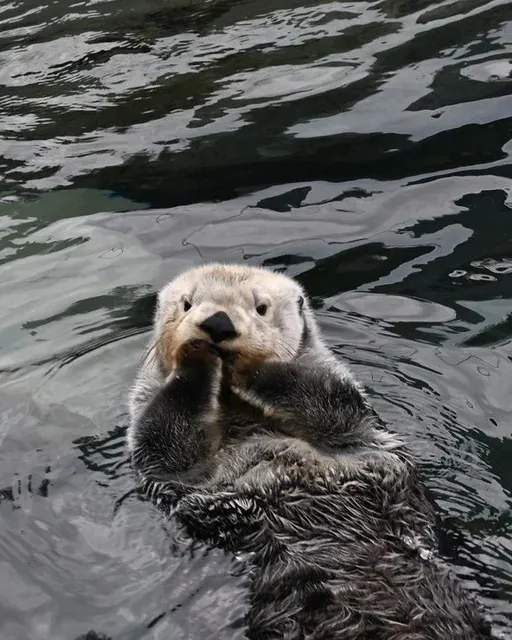
Sea Otters: The sea otters at the Aquarium are among its most beloved inhabitants. These playful animals are not only a joy to watch as they play, groom, or use tools to open shellfish, but they also serve as ambassadors for their species, educating visitors about the importance of kelp forest conservation and the role otters play in maintaining the health of these ecosystems.
Penguins: The Penguin exhibit offers a glimpse into the life of these charismatic birds. The Aquarium's penguins are usually a mix of species, such as the African penguin, and they provide a fascinating view into their behaviors, adaptations, and the conservation challenges they face in the wild due to habitat loss and climate change.
Jellyfish: The ethereal beauty of jellyfish is showcased in specially designed exhibits that highlight their mesmerizing movements and the diversity of species. These exhibits not only captivate visitors but also educate them about the vital role jellyfish play in marine ecosystems and the current research on jellyfish blooms.
Amazon Rainforest: The Amazon exhibit transports visitors to the heart of the world's largest rainforest, showcasing species such as piranhas, anacondas, and a variety of freshwater fish and amphibians. This exhibit emphasizes the biodiversity of the Amazon Basin and the importance of conservation efforts in this critical region.
Arctic Gallery: This exhibit highlights the marine life found in the Arctic's cold waters, including species such as Arctic char and the fascinating Greenland shark. It offers insights into how these animals have adapted to the extreme conditions of their environment and the impact of climate change on Arctic ecosystems.
Frogs and Amphibians: With amphibian populations declining worldwide, the Aquarium's frogs and amphibians exhibit raises awareness about the threats these creatures face, such as disease, habitat destruction, and pollution. Visitors can learn about the diverse range of amphibian species and the Aquarium's efforts in amphibian conservation.
Tropical Fish and Coral Reefs: The vibrant coral reef exhibits showcase the biodiversity of these ecosystems and the myriad of fish and invertebrate species that call them home. These exhibits are not only visually stunning but also serve as a critical reminder of the importance of coral reefs to marine life and the threats posed by climate change and ocean acidification.
Each exhibit at the Vancouver Aquarium is designed to educate visitors about the animals, their habitats, and the conservation challenges they face. Through interactive displays, educational talks, and immersive environments, the Aquarium encourages a deeper understanding and appreciation of the natural world, promoting conservation action among...
Read moreThe Aquarium du Québec, located in Quebec City, Canada, is a premier marine science center that showcases a diverse array of aquatic life. Here are some key details about its features, attractions, and the reasons for its fame:
Overview:
— Established: The aquarium was first opened in 1959 and has undergone several renovations and expansions since then. — Location: It is situated along the St. Lawrence River, providing a picturesque setting for visitors. — Size: The aquarium encompasses approximately 16 acres of outdoor and indoor exhibits.
Attractions and Exhibits:
— Marine Life Displays:
— The aquarium is home to over 10,000 marine animals, featuring both freshwater and saltwater species. — Key exhibits include various fish, invertebrates, reptiles, and mammals.
— Polar Exhibits:
— One of the highlights is the Arctic exhibit, which houses animals like seals and beluga whales. The belugas are particularly a favorite among visitors for their intelligence and playful behavior.
— Tropical Zone:
— The tropical section showcases colorful fish species, living corals, and an immersive experience with various flora and fauna of tropical ecosystems.
— Aquatic Ecosystems:
— The aquarium presents ecosystems from various regions, allowing visitors to understand the diversity of aquatic life in different environments.
— Interactive Educational Programs:
— The aquarium emphasizes conservation and education. It offers educational programs, workshops, and demonstrations to engage visitors of all ages.
— Family-Friendly Activities:
— There are play areas and interactive exhibits designed for younger visitors, making it an ideal family destination.
Conservation Efforts:
— The Aquarium du Québec is also known for its commitment to marine conservation, participating in various programs aimed at protecting marine ecosystems and promoting awareness about aquatic life.
Reasons for Fame:
— Research and Education: The aquarium serves not just as a display space but as a hub for marine research, contributing to global understanding of marine biology. — Unique Species: It houses unique species of fish and marine mammals that are not easily seen in other aquariums. — Cultural Significance: Being one of the oldest aquariums in Canada, it holds a historical place in the region and attracts both locals and tourists.
Events and Special Exhibitions:
— Throughout the year, the aquarium hosts various events and temporary exhibitions that reflect current environmental topics and seasonal themes.
Accessibility:
— The aquarium is accessible to individuals with disabilities, making it an inclusive destination for everyone.
Visitor Information:
— Opening Hours: Typically open year-round, but hours may vary seasonally. — Admission Fees: There are admission fees but discounts may be available for children, seniors, and families.
In summary, the Aquarium du Québec is famous for its vast collection of marine life, educational programs, and its role in promoting conservation and research. It not only serves as a recreational destination but also enriches visitors’ understanding of the...
Read moreIt is not particularly large by international standards, but the density of its exhibits is remarkably high. Among all the aquariums I have visited, this one offers an impressive concentration of content, and within Vancouver’s often underwhelming museum landscape, it stands out as one of the few truly worth revisiting.
If you’re bringing children, the frog exhibit is unexpectedly delightful. Spotting the tiny frogs in each tank becomes a kind of treasure hunt. Oddly satisfying even for the grown-ups.
For adults, the large viewing tanks with their slow-moving deep-sea creatures are oddly hypnotic. It’s an underwater lullaby for the overstimulated brain. You sit, you stare, and for a moment you forget emails exist.
The 4D theatre is worth trying once. Visually well done, mildly entertaining, just far too short. It ends right about when you’ve decided you’re enjoying it.
Throughout the aquarium there are various activities to engage with, and they’ve done a fine job keeping it from feeling like a sterile display of dead-eyed animals behind glass. The café is fairly priced and functional, though the ethics of serving seafood inside a marine conservation centre is a bit surreal.
Beyond the exhibits, this is one of those rare aquariums that manages to balance education, conservation, and environmental advocacy without being unbearably self-congratulatory. Long before microplastics became the fashionable environmental talking point, this place was already quietly sounding the alarm. I still remember seeing an exhibit here over a decade ago that explained what microplastics were and how they were ruining marine ecosystems, while the rest of the world was still busy debating whether recycling bins should be blue or green.
It doesn’t scream activism at you. It just shows you the consequences, the research, the affected wildlife. You leave slightly more informed and slightly more guilty, which is probably the correct combination.
All in all, a rich, compact, cleverly assembled aquarium. One of Vancouver’s better reasons to tolerate a crowd.
Parking is somewhat horrible during prime season. You can get some small discount if you buy tickets through some third party website. Probably enough to buy yourself one coffee when you buy...
Read more