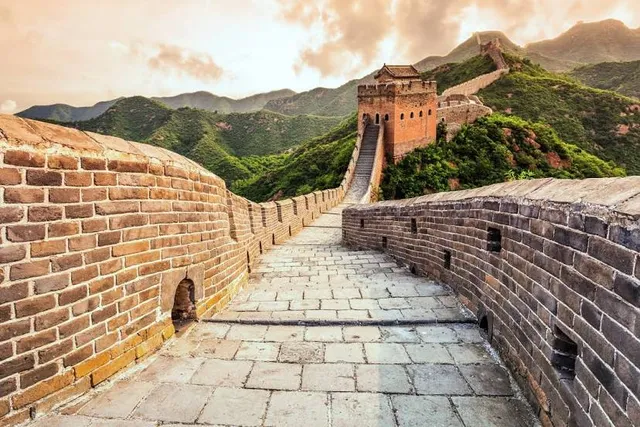
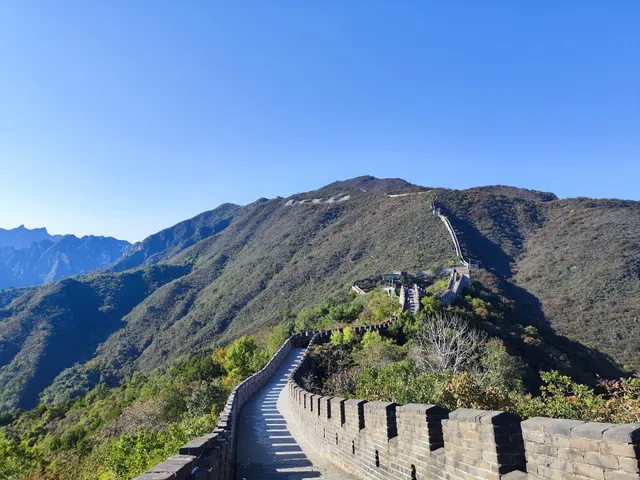
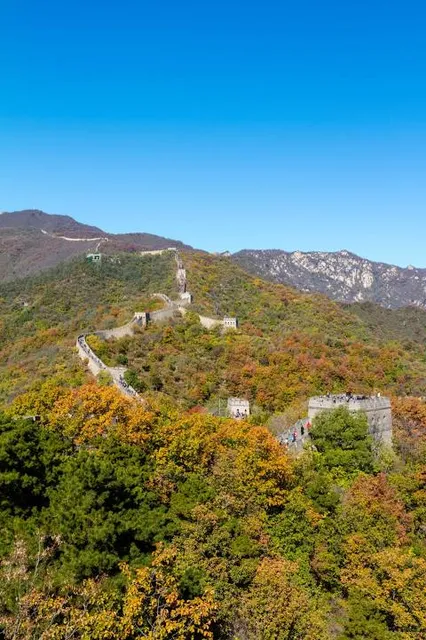
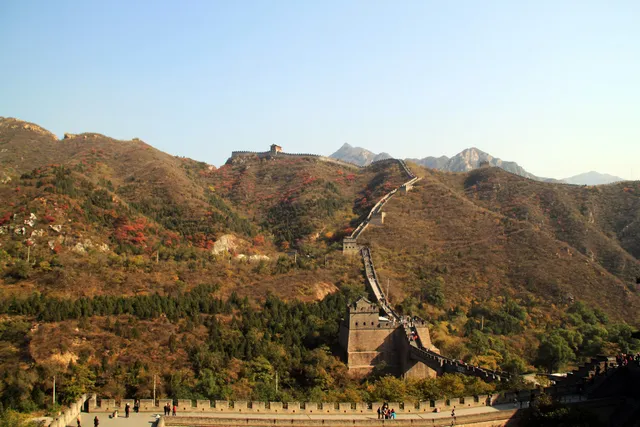
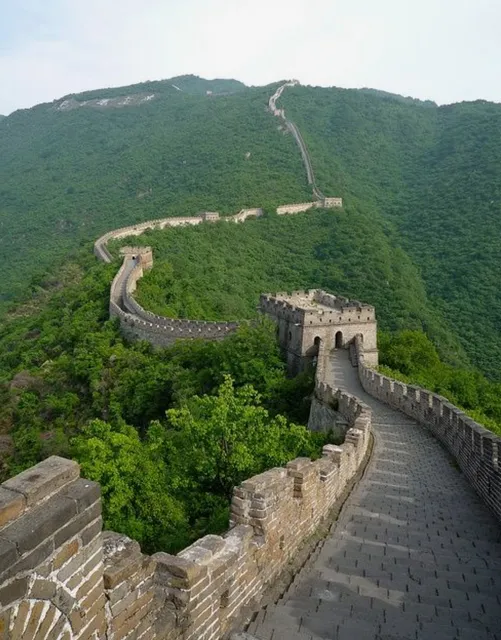
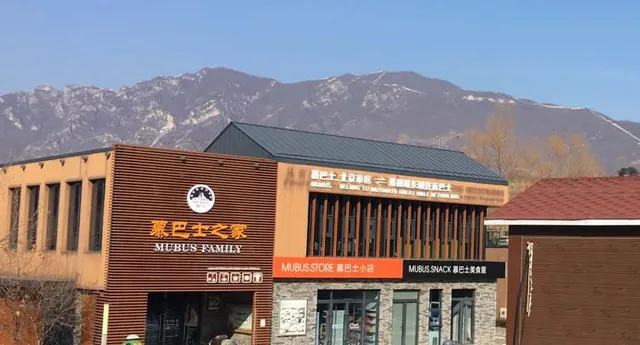
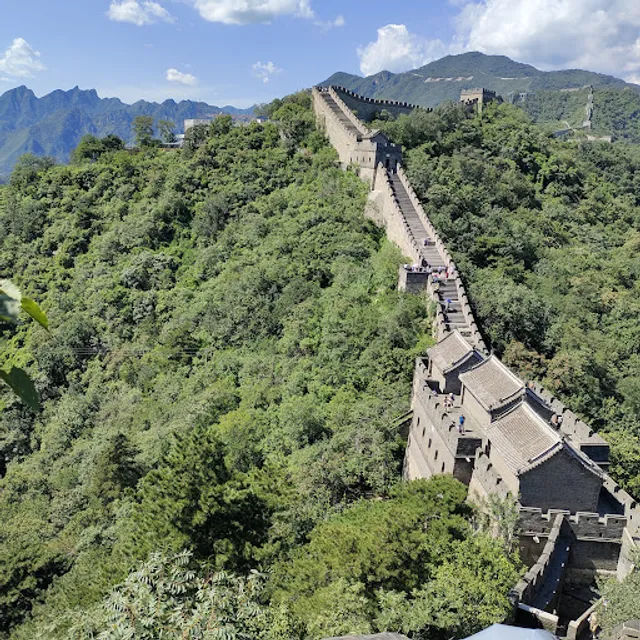
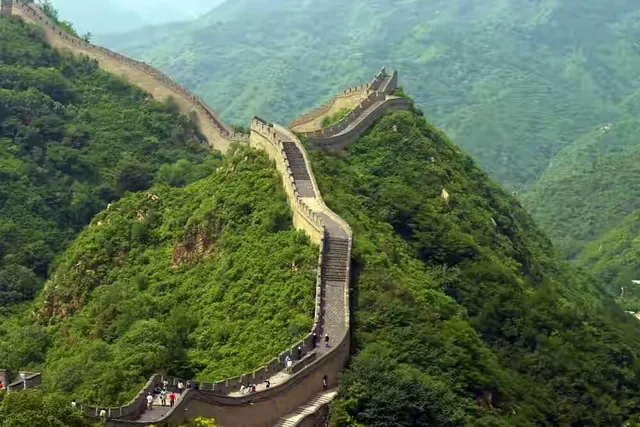
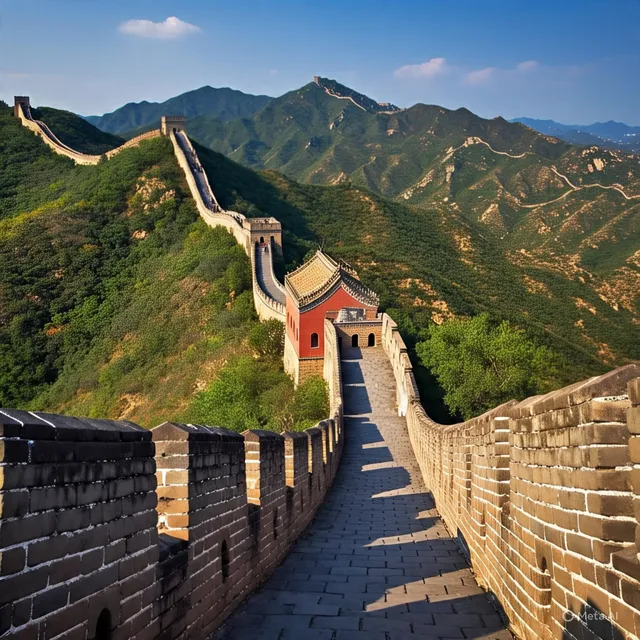
The route in the Great Wall of China is about 10 kilometers and you have to consider about 4 to 5 hours to visit. Among the most famous parts of this wall you can visit on your trip to China are the following areas: Badaling area Badaling is the busiest and most popular parts of the Wall, and the Chinese have been very careful to rebuild it. In fact, Badaling is the most commercial part of China's wall and many tourists travel to the country to visit it. It was the first part of the China Wall, which was opened for tourists in year 1975. Parts of this wall have not been rebuilt. To see these areas, you can move in two opposite directions in the China Wall in the Badling area. Given that Badaling is located at the mountain highlands, it exhibits an extraordinary view for tourists traveling to the area. Juyongguan area This section is located near the wall and is one of the monuments of the Ming dynasty. Here is the closest part of the wall to Beijing. The crowd of tourists in the area is low and people who want to be present in the pristine walls of China can go to the area. The castle built between the tall towers of the area and has provided access to Beijing for centuries is one of the sights of the region on the wall of China. There is also a rare structure called Yun Tai or cloudy platform in this area of the wall. The structure is made of granite and marble rocks of the Fang Mountain and has a beautiful arch. Mutianyu area Motianio is the longest part of the China wall with the highest restoration. This part of the Chinese wall is easily accessible and is a good place to walk. Motianio is drawn thousands of meters above the mountain and has a branch of a cow. That is why this landscape is also known as the wall of the horn of the cow. To visit this part of the China Wall, we go 2 kilometers east of Badaling and visit the attractive views of this wall, 2 kilometers northeast of Beijing. In addition to walking, the area is also possible to travel to the top of the wall with the help of a telephoto cab. You will also see the presence of food vendors, numerous hotels and entertaining attractions in the vicinity of the wall that are set up to welcome tourists. Gubikou area The spectacular parts of the Chinese wall include Gubikou. This area is not restored and you can visit a real part of the Chinese wall masterpiece without any interference. This route is suitable for hiking and the large hills around it are a good place for tourists. China access to the Great Wall of China from Motianyu section: Visiting Time: Every day from 9am to 6:50 pm Facilities: Bathrooms and Restaurants Suitable clothing: Suitable walking shoes or mountaineering, season suitable clothing Juyongguan section: Visiting Time: Every day from 9am to 6:50 pm Facilities: Bathrooms and Restaurants Suitable clothing: Suitable walking shoes or mountaineering, season suitable clothing
Badaling Section : Visiting time: Every day from 9:00 am to 6:30 pm Facilities: Bathrooms and Restaurants & Grill Suitable dresses: proper shoes, seasonal clothing
SIMATAI Section : Visiting Time: Every day from 9am to 6:50 pm Facilities: Bathrooms and Restaurants Suitable clothing: Suitable walking shoes or mountaineering, season suitable clothing Jiankou section: Visiting time: Every day from 9am to 6:30 pm Facilities: Bathroom and Restaurant Suitable Dress: Mountaineering Supplies, Season Suitable Dresses. Gubeikou Section: Visiting time: Everyday Facilities: no restaurants and no toilets Suitable dresses: proper shoes, seasonal clothing Joyongguan Section : Visiting time: Every day from 9am to 6:30 pm Facilities: lacking toilets and restaurants Suitable dresses: proper shoes,...
Read moreThe Great Wall of China is one of the most impressive and iconic architectural achievements in human history. Stretching over 13,000 miles (21,000 kilometers), it was built over several dynasties, primarily to protect China's northern borders from invasions. This UNESCO World Heritage Site not only showcases ancient military defense strategies but also stands as a symbol of China’s enduring strength, ingenuity, and cultural heritage.
Architecture and Structure
The Great Wall's construction began in the 7th century BC, with most of the surviving sections built during the Ming Dynasty (1368–1644). The wall is made from various materials depending on the region, including brick, tamped earth, wood, and stone. In some parts, the wall reaches heights of 30 feet (9 meters), and its width is wide enough to accommodate several soldiers marching side by side. The design includes watchtowers, barracks, and signal systems, enabling communication across vast distances, demonstrating remarkable engineering for its time.
Scenic Beauty and Experience
Walking along the Great Wall is an awe-inspiring experience. The most famous and well-preserved sections, such as Badaling and Mutianyu, are easily accessible from Beijing and offer panoramic views of the rugged mountain terrain. For more adventurous travelers, less restored sections like Jiankou provide a more raw and immersive experience, with steep inclines and untamed natural surroundings.
The Great Wall seamlessly integrates with its environment, snaking over mountains, valleys, and deserts, creating a stunning contrast between human-made structure and nature. Visiting in different seasons offers a variety of visual experiences—from lush greenery in the summer to a snow-covered spectacle in winter.
Cultural and Historical Significance
Historically, the wall served not just as a defense against invasions by northern nomadic tribes but also as a means to regulate trade along the Silk Road and control immigration. The Great Wall has become a national symbol of China’s resilience and ambition. It also reflects the labor and sacrifice of millions of workers, many of whom perished during its construction.
In modern times, the Great Wall symbolizes unity and strength, and it has been a source of national pride. Its inclusion as one of the New Seven Wonders of the World underscores its global cultural significance and its status as a must-see destination for tourists.
Challenges and Preservation
Despite its grandeur, the Great Wall faces significant challenges due to natural erosion, vandalism, and neglect in certain areas. The Chinese government has taken steps to preserve and restore key sections, but many parts, particularly those in remote areas, are in disrepair. The wall is also threatened by tourism pressures, especially at the more popular and crowded sections like Badaling.
Conclusion
The Great Wall of China is not just a historic monument; it is a breathtaking feat of human ambition and endurance. Walking along its ancient stones offers visitors not only a glimpse into China’s past but also an opportunity to marvel at the engineering and natural beauty that surrounds this colossal structure. For history enthusiasts and travelers alike, the Great Wall remains one of the most unforgettable experiences in the...
Read more🏯 The Great Wall of China: A Deep Dive The Great Wall of China is not just a wall; it's a massive symbol of history, culture, and human perseverance. Stretching over 13,000 miles, it's the longest wall in the world, and its story is as complex as the structure itself. Let’s break down what makes this ancient marvel so fascinating! A Journey Through Time Origins and Purpose • The wall's history dates back to the 5th century BC, with various states building fortifications to protect against nomadic invasions. Emperor Qin Shi Huang, who unified China in 221 BC, connected these walls, creating the first true Great Wall as a defense mechanism against northern tribes. Construction and Materials • The wall was constructed using whatever materials were available — earth, wood, bricks, and stones. Depending on the region, the wall varies in strength and style. Some parts are sturdy and well-preserved, while others have crumbled over time. Dynasty Contributions • Different dynasties added to the wall, with the Ming Dynasty (1368–1644) being responsible for the most famous sections we see today. They built the wall out of stone and brick, making it more durable and imposing. Cultural Significance Symbol of Strength • The Great Wall represents the strength and resilience of the Chinese people. It's a reminder of their historical struggles and achievements. Over the centuries, it has evolved into a national pride symbol, reflecting the enduring spirit of China. Tourist Magnet • Today, the wall attracts millions of visitors yearly. Sections like Badaling and Mutianyu are famous for their accessibility and stunning views. Walking along the wall offers not just a physical challenge but a glimpse into a pivotal part of history. Visitor Experience Stunning Views • Whether you hike the rugged paths of Jiankou or stroll the well-maintained areas of Badaling, the views are breathtaking. The wall winds through mountains, valleys, and deserts, providing picturesque landscapes. Cultural Activities • Many sections offer cultural experiences, like traditional performances or local cuisine. You can even find souvenir shops selling unique crafts that celebrate the wall’s legacy. Hiking Adventures • If you're up for a challenge, hiking along the less touristy sections can be an exhilarating experience. Remember to wear comfortable shoes and bring plenty of water! Conservation Efforts Preservation Challenges • With time, the wall faces natural erosion and human impact. Preservation efforts are ongoing, as the Chinese government and various organizations strive to maintain this historic site for future generations. Visitor Responsibility • When visiting, it’s essential to respect the wall. Stick to the paths, don’t litter, and be mindful of the structure’s fragility. Each step on the Great Wall is a step through history, so treat it with care. Final Thoughts The Great Wall of China is more than just a tourist attraction; it's a testament to human ingenuity and perseverance. Whether you're hiking its ancient stones or simply taking in the view, you're part of a story that spans thousands of years. So if you ever get the chance to visit, embrace it! You’re walking in the footsteps of...
Read more