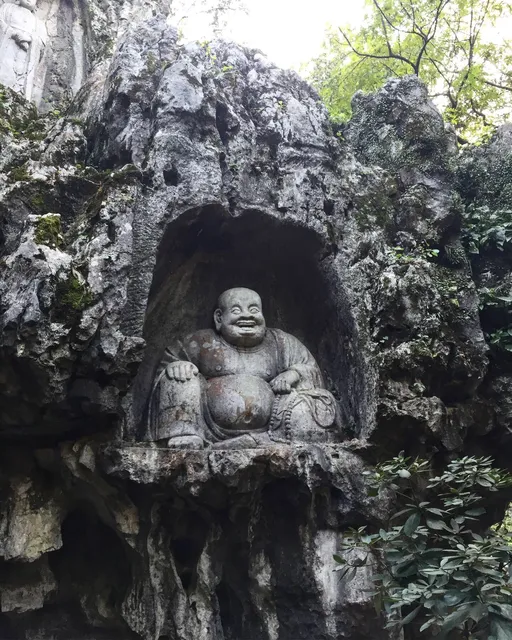
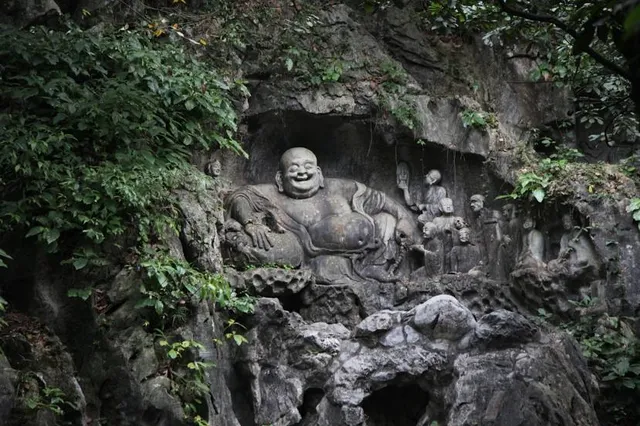
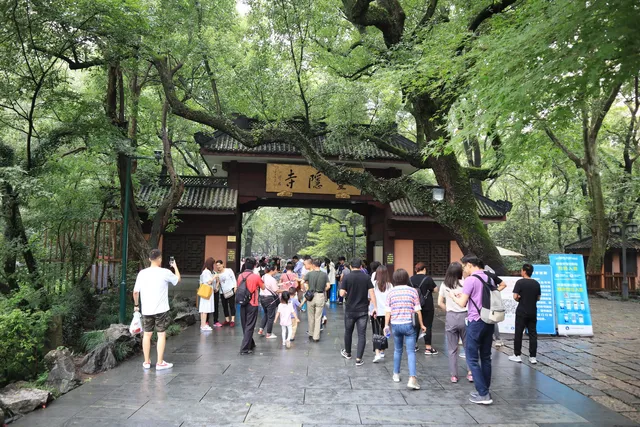
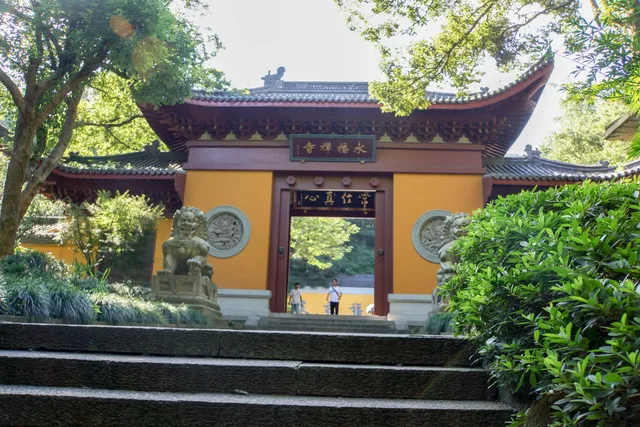
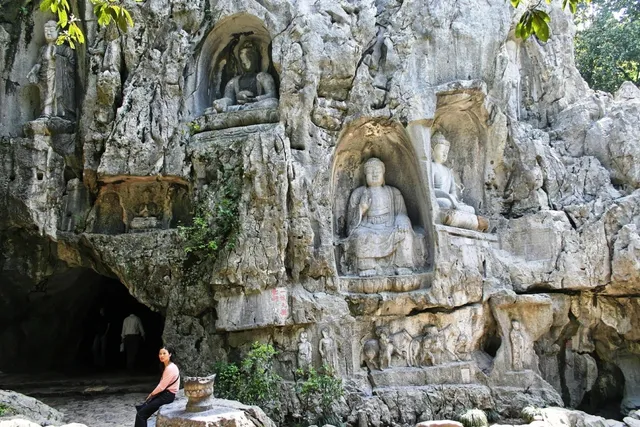
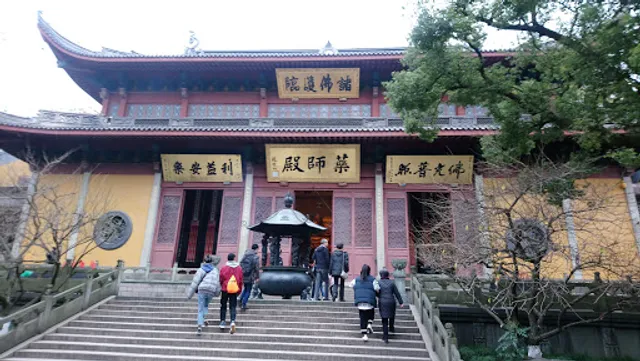
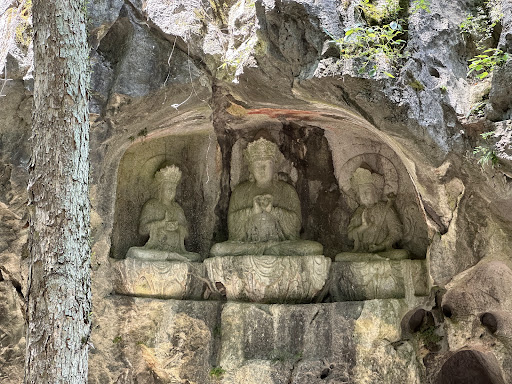
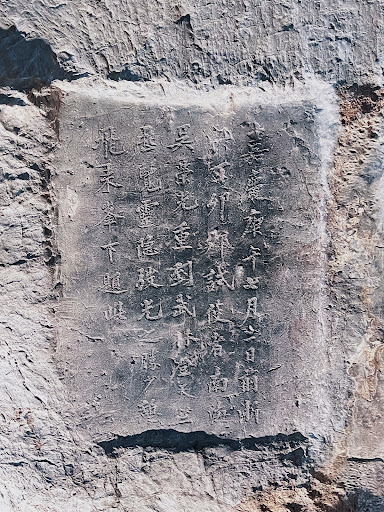
It is important to acknowledge that the concepts we encounter here are far from novel. The ancient mountains, once majestic and untouched, were extensively perforated and sculpted into intricate Buddha statues, a deliberate strategy aimed at drawing both devout believers and curious tourists alike. The monks residing at the Lingyin Temple, astutely aware of their geographical advantage, leveraged a multitude of legends and narratives to entice pilgrims and seekers of enlightenment long before they even arrived.
While I can assert that the individual at the heart of these stories did indeed walk the earth, it is crucial to recognize that over time, this historical figure has been transformed into a near-mythical entity through the process of human storytelling and transmission. This phenomenon underscores a fascinating aspect of historical documentation: the tendency for storytellers to embellish and elevate figures of the past, thereby weaving a tapestry that blends fact with fiction.
In my view, this practice is not merely a reflection of the desire to inspire reverence or devotion; it also illustrates a broader human inclination to seek meaning in our history. The act of deification serves not only to honor the individual but also to create a collective identity among followers, fostering a sense of belonging and purpose. Thus, what emerges from this interplay of myth and reality is not just an account of a person’s life, but a rich narrative that resonates with the human experience across generations.
Indeed, this strategy employed by historians and chroniclers — deliberately or inadvertently — invites us to ponder the nature of truth in our shared stories. Are we not all, in some ways, products of the legends we choose to believe? As we reflect on these ancient practices, we might consider how they shape our understanding of spirituality and community today. In this light, the mountains become not just geological formations but sacred sites steeped in history, each hole and statue a testament to humanity's enduring quest for connection, meaning, and...
Read moreExcellent. Must go if in Xihu tourist zone. Within same park as Lin Yin Temple. Read from other reviews in the difficulties to get a taxi when leaving the place. However, seems this is due to peak season traveling. When there in mid January. Taxis were plenty.
We made a mistake in this case due to fear of not getting a taxi to book one for 5 hours at CNY300 which I think we might be overcharged. But not too bad though, cos the driver also drove us to a local restaurant for a cheap lunch, Long Jing Village and Liu He Pagoda before returning...
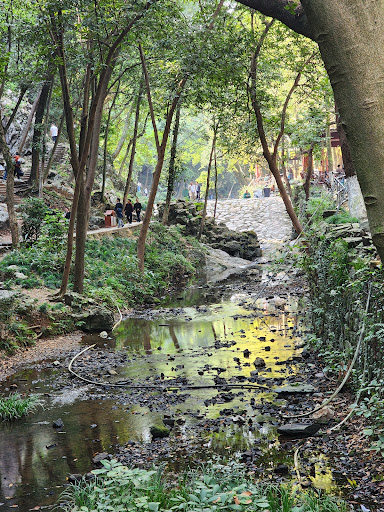
Read moreYou need to buy tickets in 2 places. Although lots of people, no real need to buy tickets in advance. Must visit place to walk around and take pictures. Lots of old carvings of Buddhism into rocks and other formations. Easily spend 2-3 hours here. Suitable for families. Old people should take extra care as certain areas will not be possible for them due to uneven grounds...
Read more